It is made up of four Italian words – il (the), dolce (sweet), far (short form of fare meaning to do or make), and niente (nothing) – so literally, it translates as the sweet doing nothing.
In planning a trip to Italy, we are learning the culture and the language. In my book Italy, by Rick Steves, the term describes an evening stroll in the piazza and a long dinner with friends or family. The art of doing nothing is setting your intention to focus only on the moment in front of you. The smells, the sights, the people, and noticing your surroundings with an affectionate and welcoming mind.
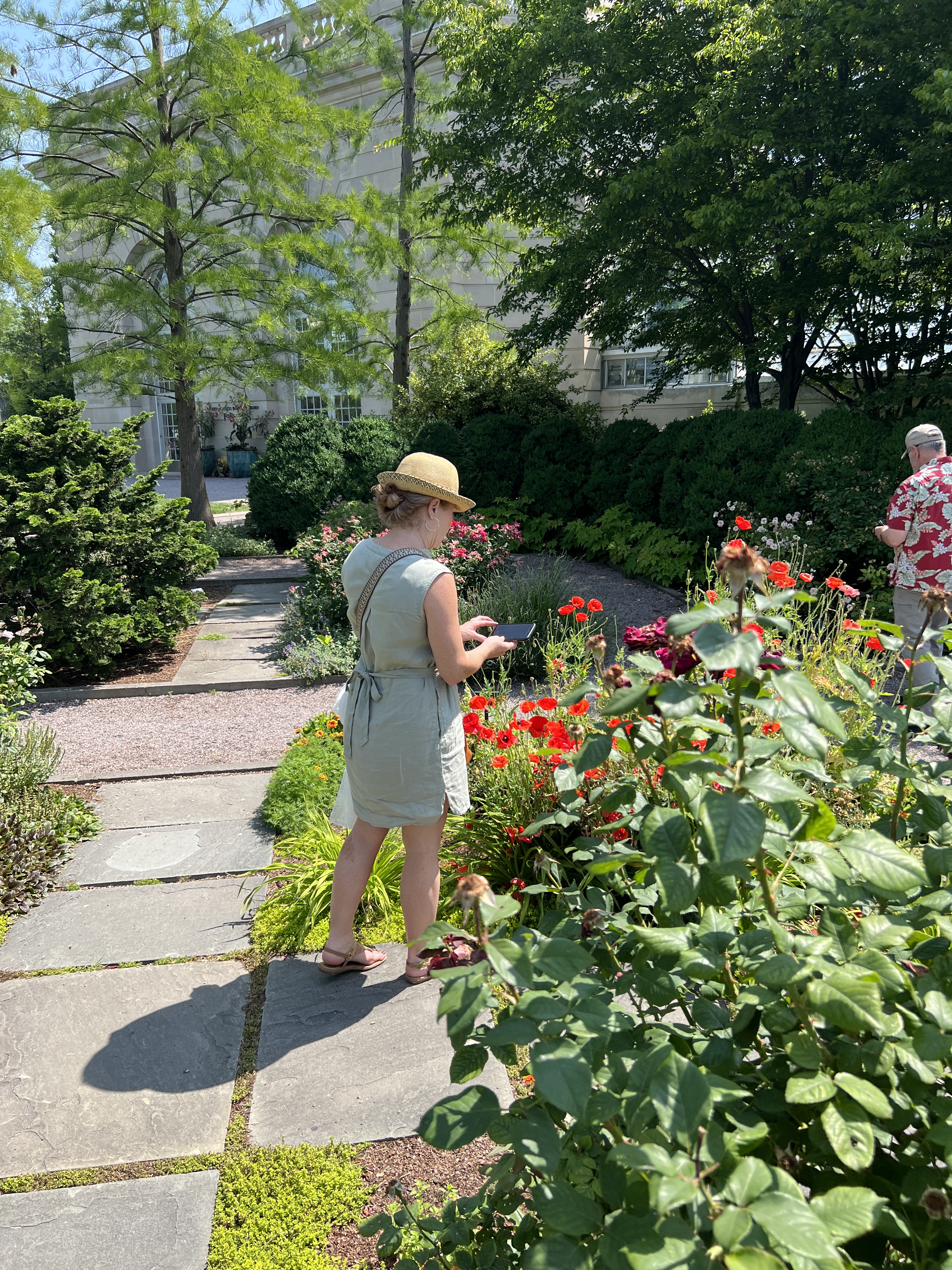
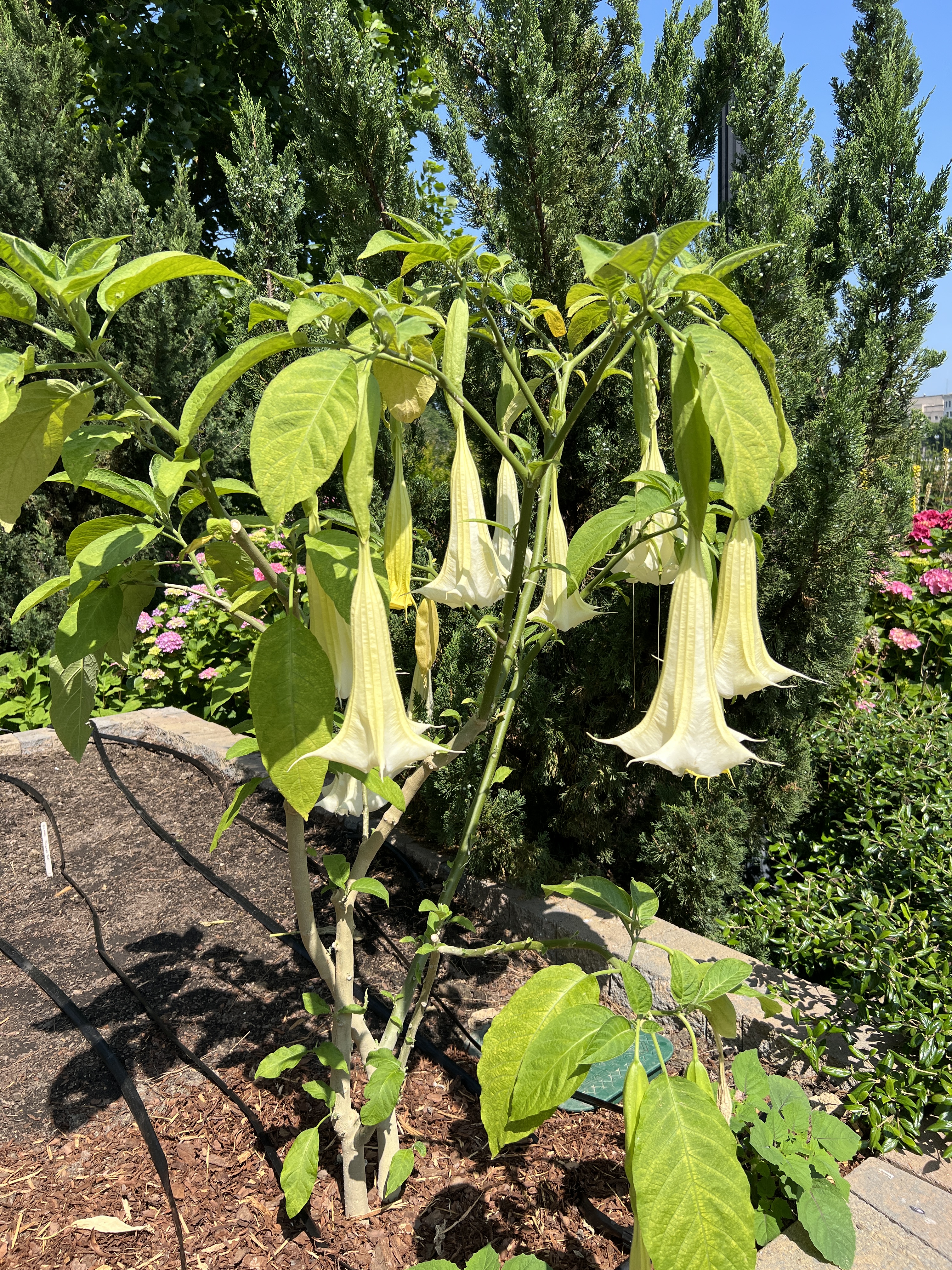
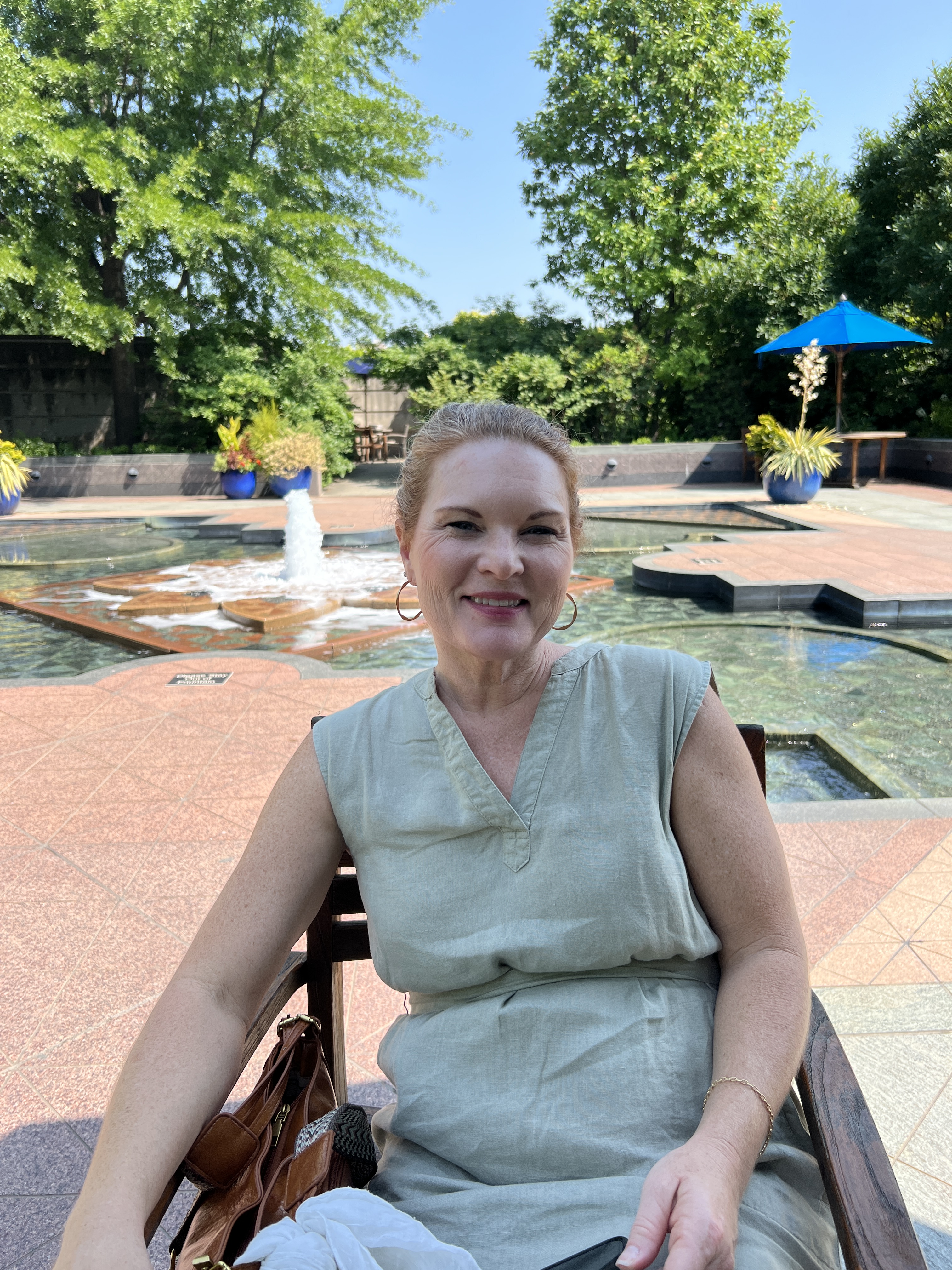
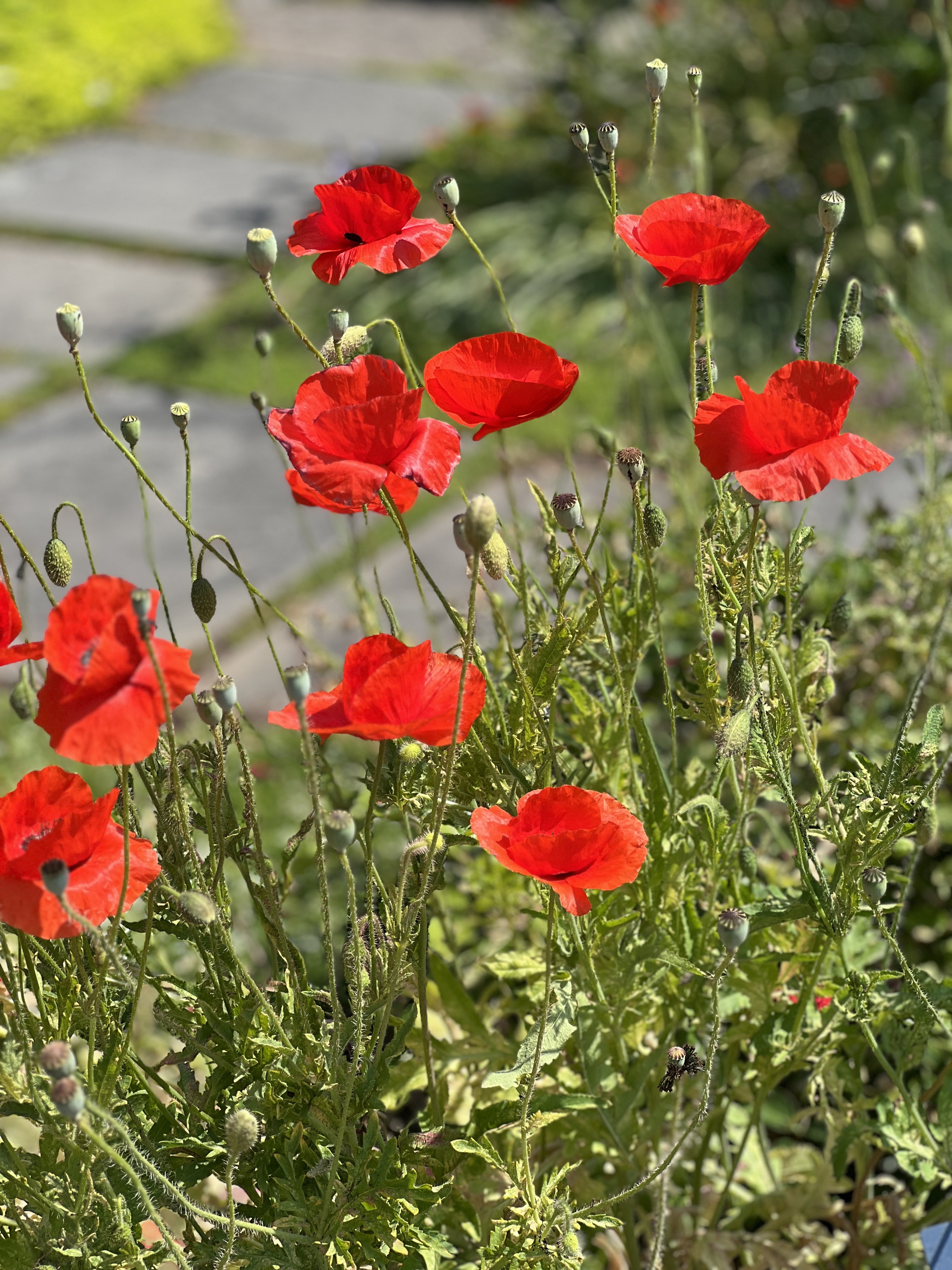
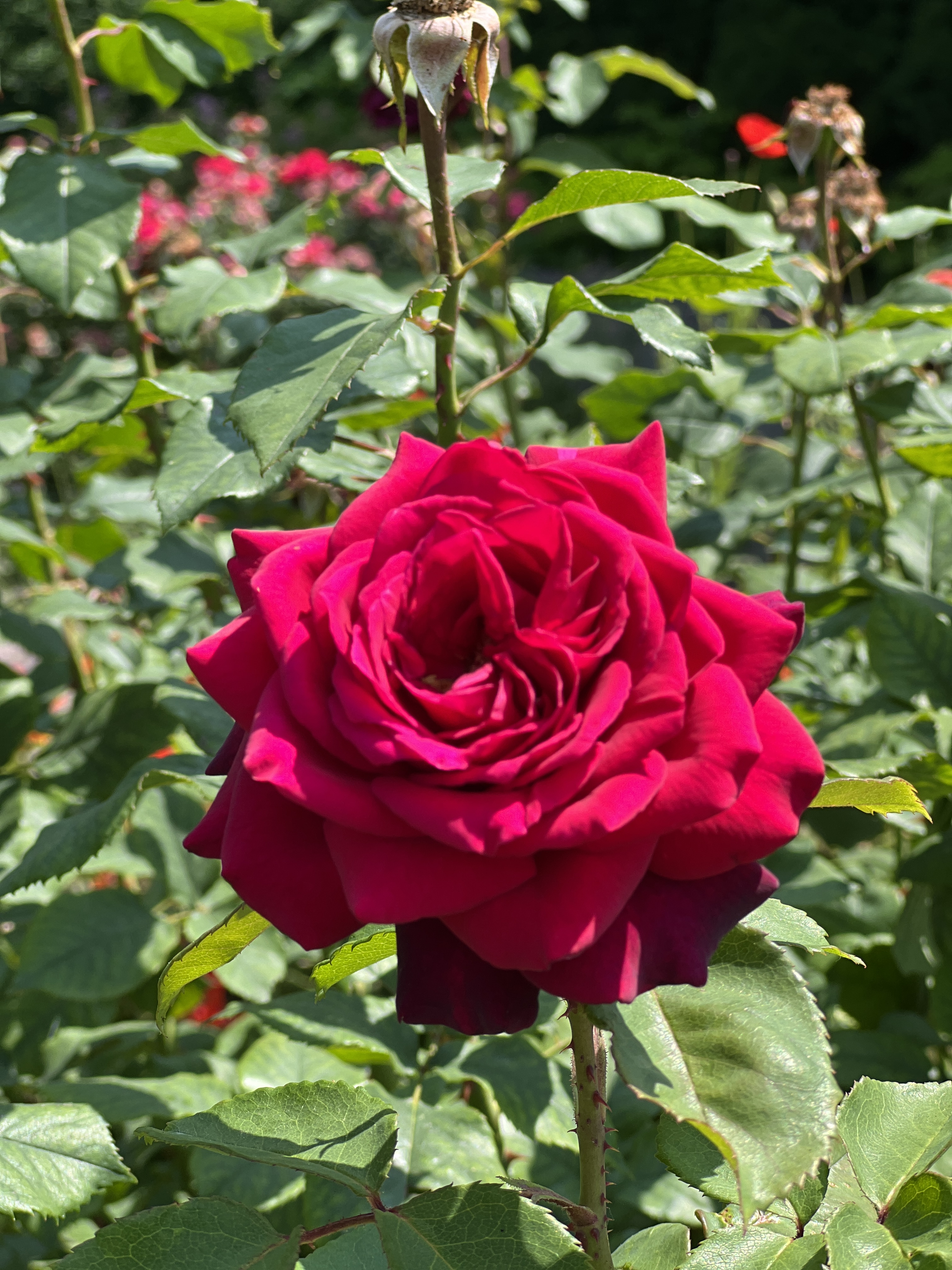
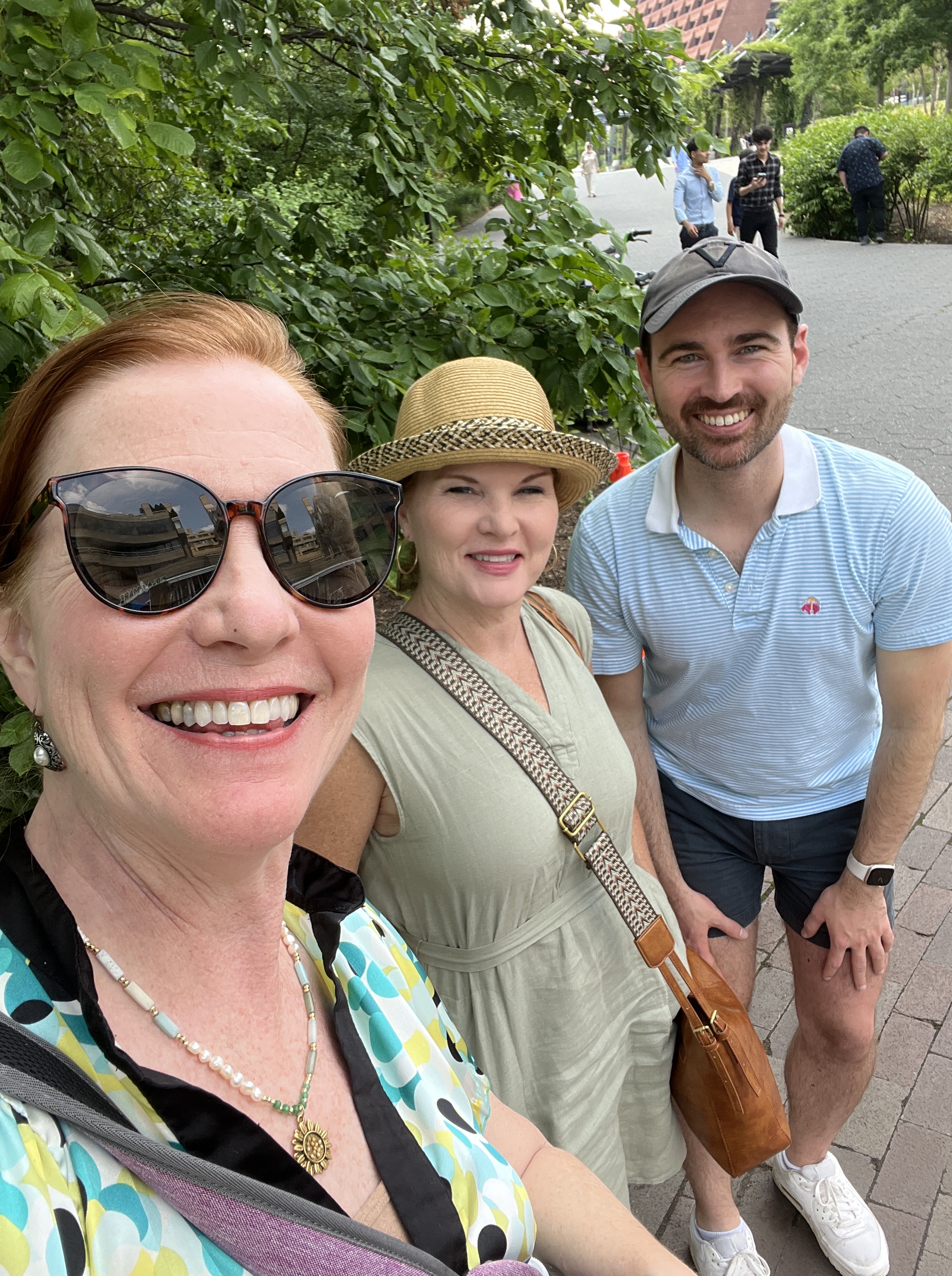
I was in Washington, D.C., recently visiting my friend’s son and celebrating her birthday. We went to the United States Botanical Garden. After walking around, we stopped and sat by a water feature and fountain shaped like a flower with foliage and flowers all around. Before finding the resting spot, we smelled a sweet smell.
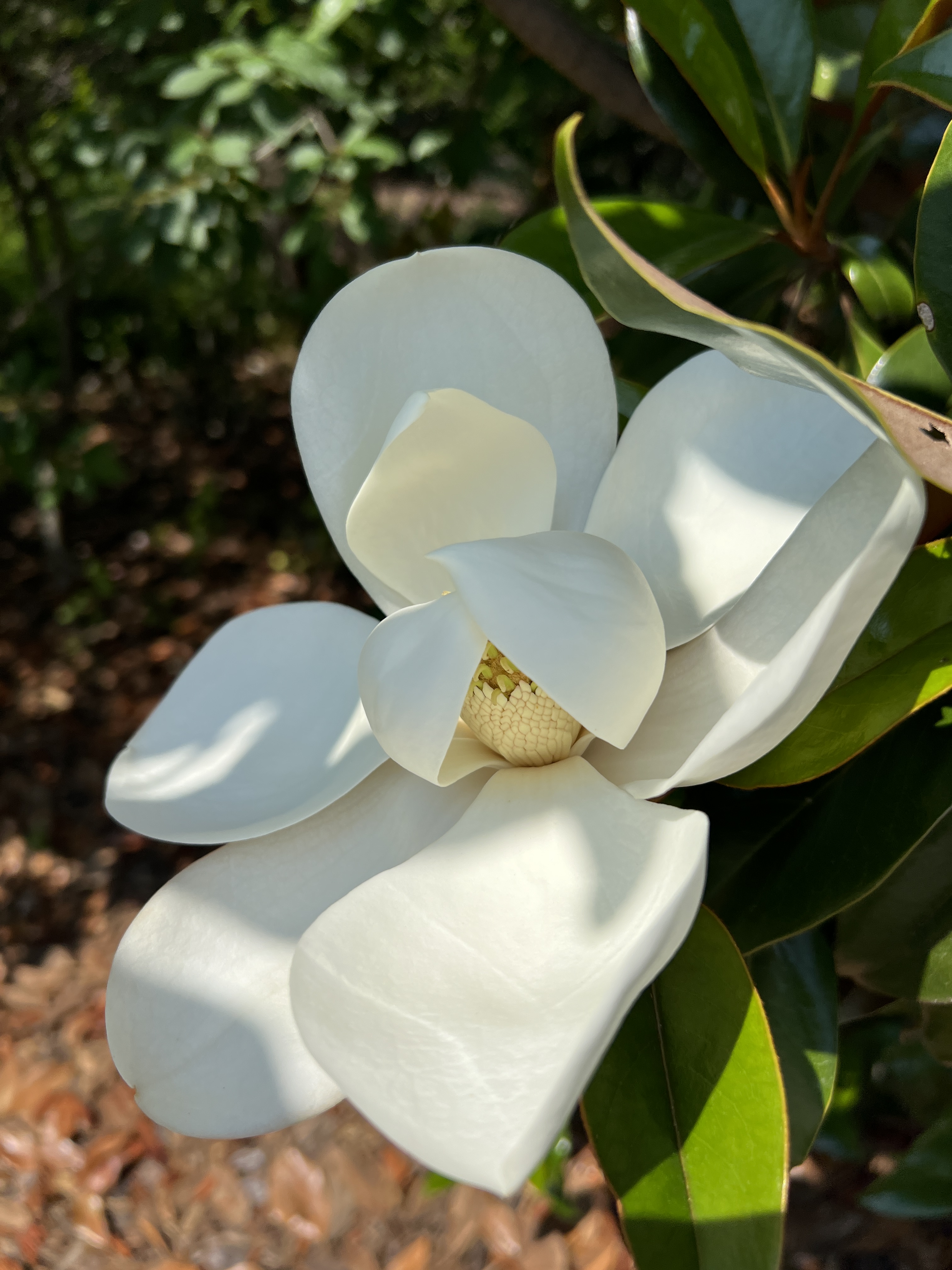
The aroma called us down the path, and we found her–a magnolia tree in bloom.
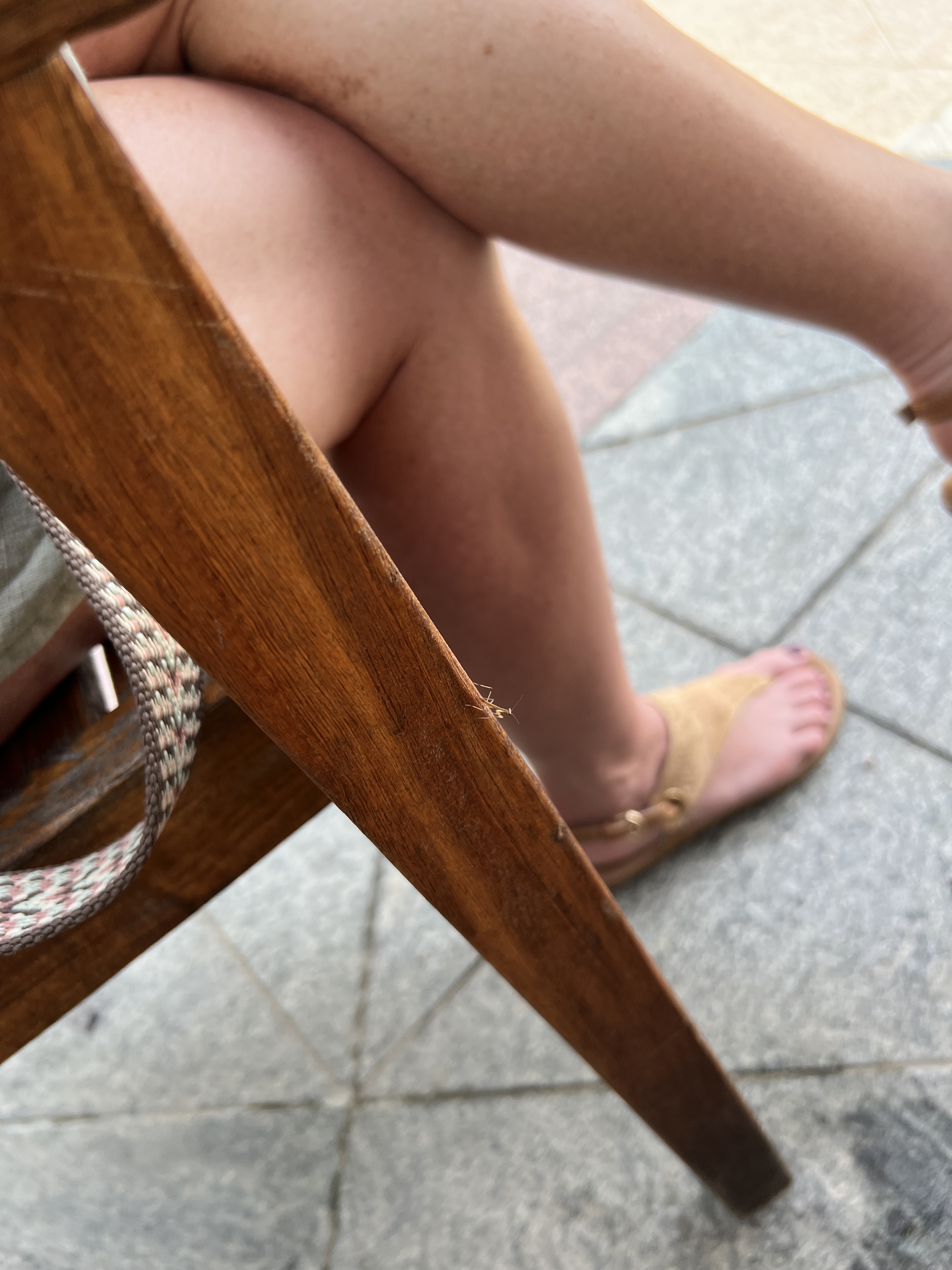
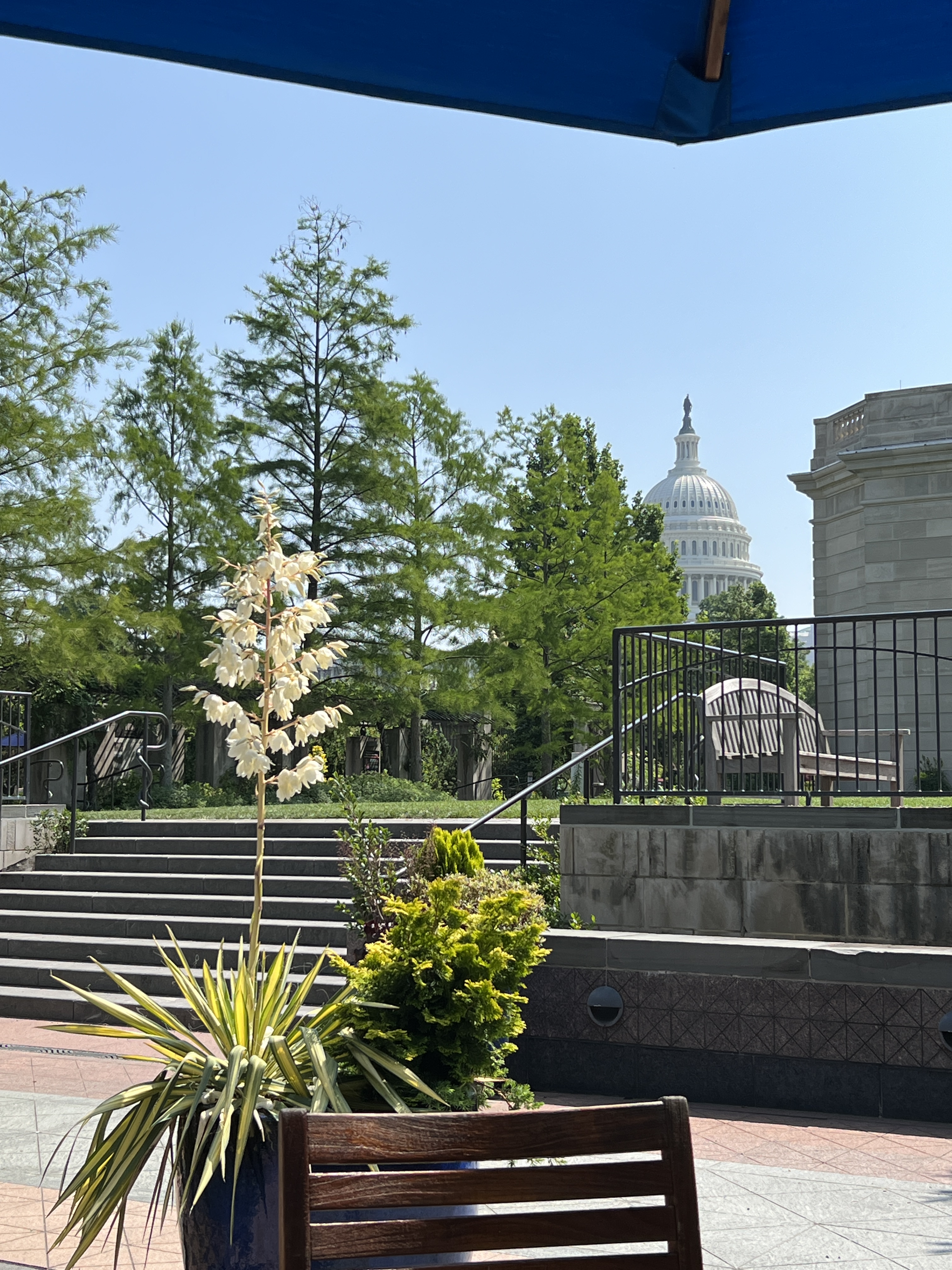
As we sat, we both had our preferred snack and waited for the world to greet us. The architecture of the garden and building in front of us layered in stories and engagement transposed The Capital in the background. The sweetness of my apple, the conversation, the baby praying mantis on our chair, and the birds wrapped around our moment. The intensity of the noticing brought serenity.
We saw many things on our travels that day; however, the most memorable moment was il dolce far niente. All the other activities were invigorating, pleasurable, and filled with joy, along with the posture of gratitude and humility in being still.
I find myself practicing this sweetness whenever I can, along with the mental pause on a busy day. You can pull back in a chaotic moment through deep breathing, stillness, and noticing before speaking. Not everything needs or deserves a response. I can control my response by practicing such sweetness.
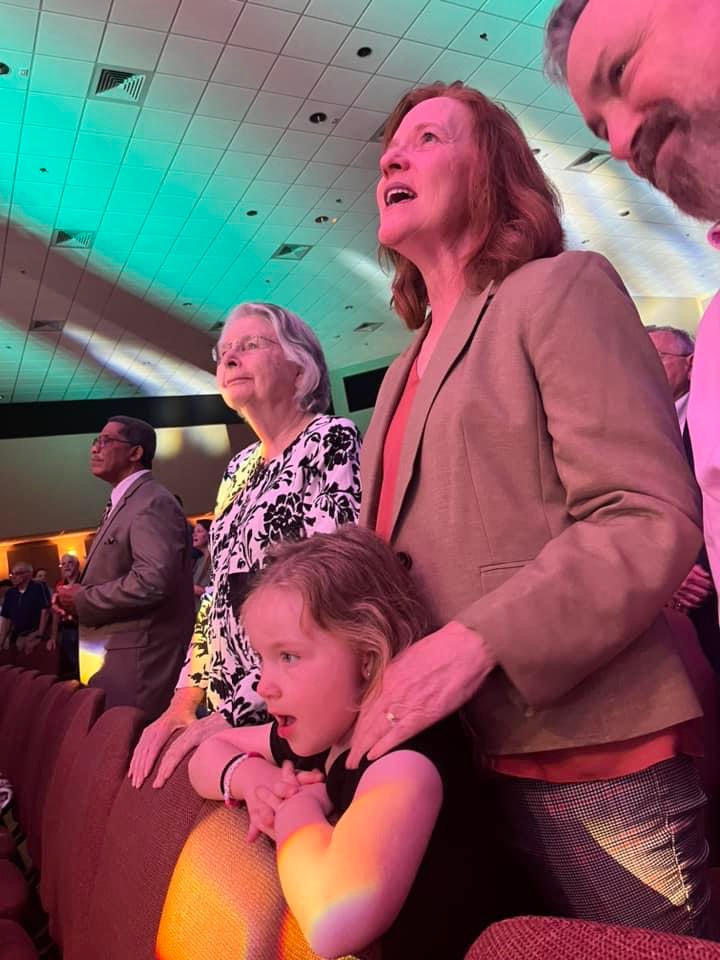
Let me give an example from a recent worship service. I went to see my granddaughter, Adelaide, sing at her church. The music uplifted the soul, and I found myself pulling away to worship.
To listen, notice, and direct my attention to God. Although I was among hundreds of people, I focused on worship and the words of each song and reading. A young lady narrated a message between songs:
God has covenanted himself in faithfulness to us. He created us for perfect fellowship and, when it was broken and marred by the stains of sin, had already enacted the plan ordained before the foundations of the world to redeem us to Himself once more.
This is Our God — He became man, John 1 tells us “The word became flesh and dwelt AMONG us, and we have seen his glory, glory as of the only Son from the Father, full of grace and truth. (v14) ” and “To all who did receive him, who believed in his name, he gave the right to become children of God” ( v12)
“But you are a chosen race, a royal priesthood, a holy nation, a people for his own possession, that you may proclaim the excellencies of Him who called you out of darkness into his marvelous light. Once you were not a people, but now you are God’s people; once you had not received mercy, but now you have received mercy.” (1 Peter 2:9-10)
And so we sing with the great hymnwriters,
“Pardon for sin and a peace that endureth
Thine own dear presence to cheer and to guide
Strength for today and bright hope for tomorrow
Blessings all mine, with ten thousand beside
Great is Thy faithfulness
Great is Thy faithfulness
Morning by morning new mercies I see
All I have needed Thy hand hath provided
Great is Thy faithfulness, Lord, unto me”
And today we hope. But, hope is only as good as the object it is placed in. And our hope is secured by the very character of God, who is the same yesterday, today, and forever. We have His spirit as a guarantee that — one day — our fellowship with Him will be restored to perfect communion for all of eternity. So we move through today as a hopeful people, in confidence that OUR GOD— the one whose name we claim, the One who has claimed us, has promised to be with us forever. This is our God, and we can trust Him.
“Then I saw a new heaven, and a new earth, for the first heaven and the first earth had passed away, and the sea was no more. And I saw the holy city, New Jerusalem, coming down out of heaven from God, prepared as a bride adorned for her husband. And I heard a loud voice from the throne saying, ‘Behold, the dwelling place of God is with man. He will dwell with them, and they will be HIS people, and God himself will be with them as their God. He will wipe away every tear from their eyes and death shall be no more, neither shall there be mourning, nor crying, nor pain anymore, for the former things have passed away. And he who was seated on the throne says, ‘ Behold I am making all things new.’ Also he said, ‘Write this down, for these words are trustworthy and true.’” -Revelation 21:1-5 (June 4, 2023, The Heights Service, read by Alexandra)
I hope the reading found in you a space to be still and reflect on how much God loves us. He loves you so tenderly and passionately. No other has our soul and mind in their hands quite like our God. He is our creator from birth to the grave and into eternity.
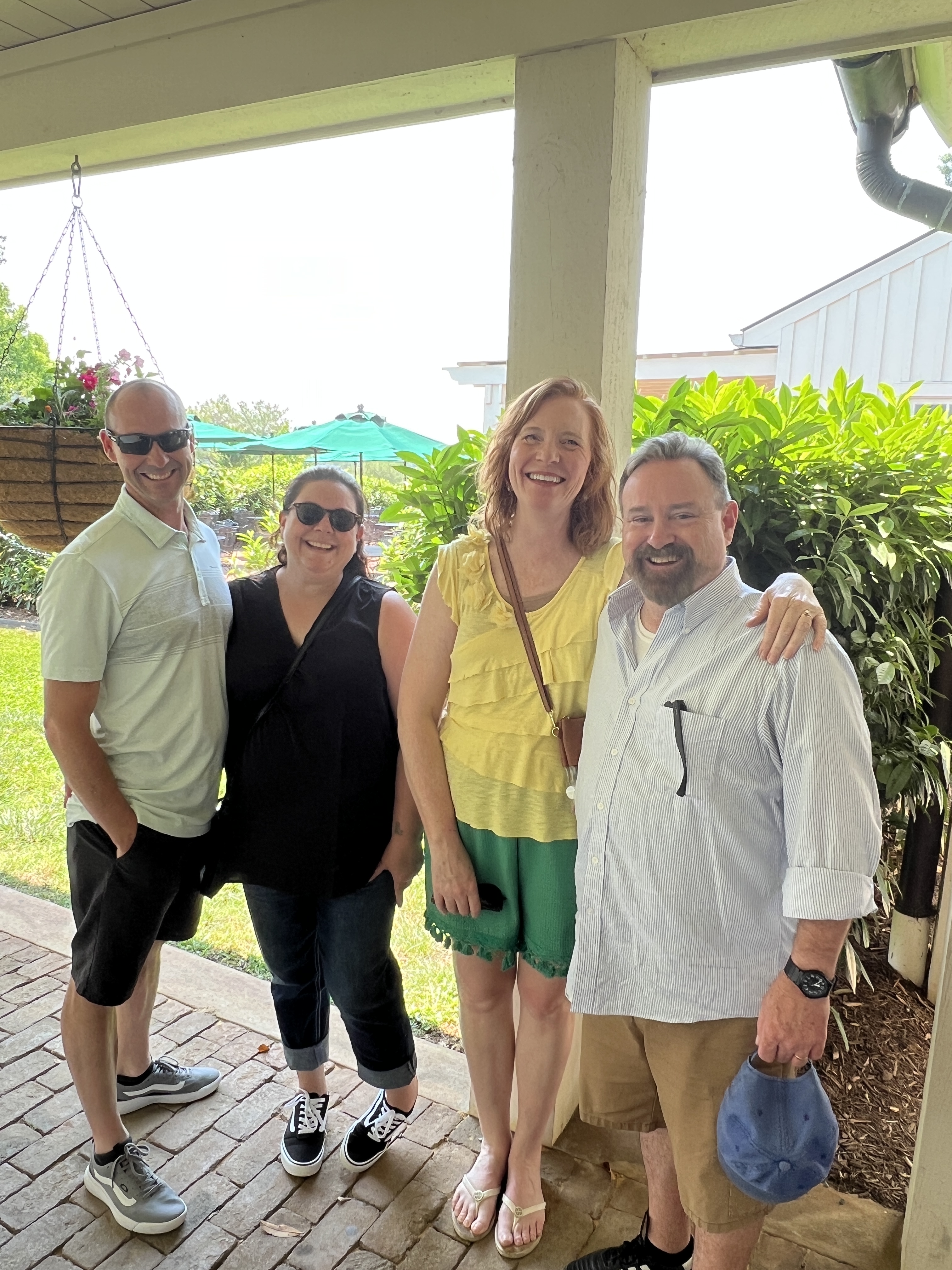
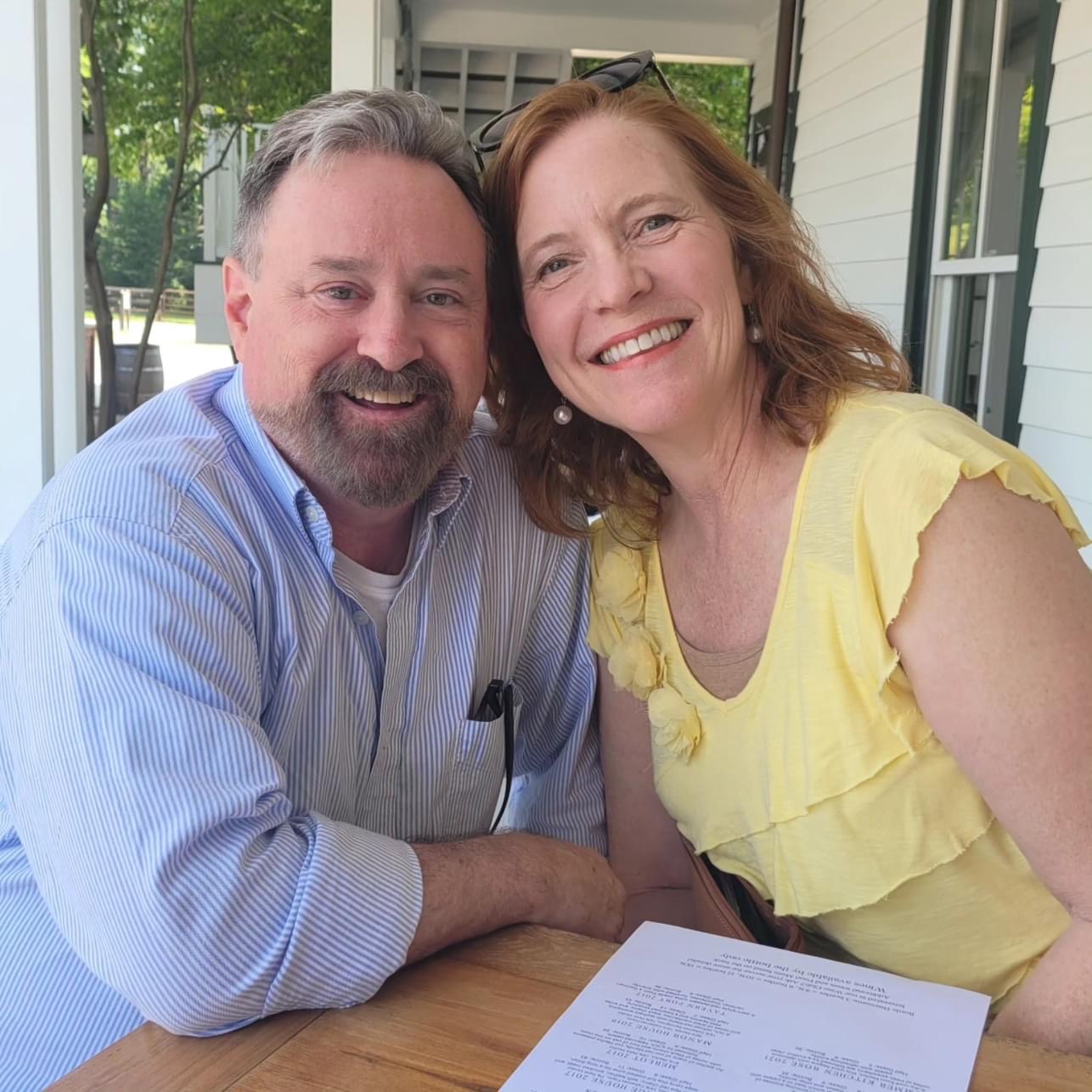
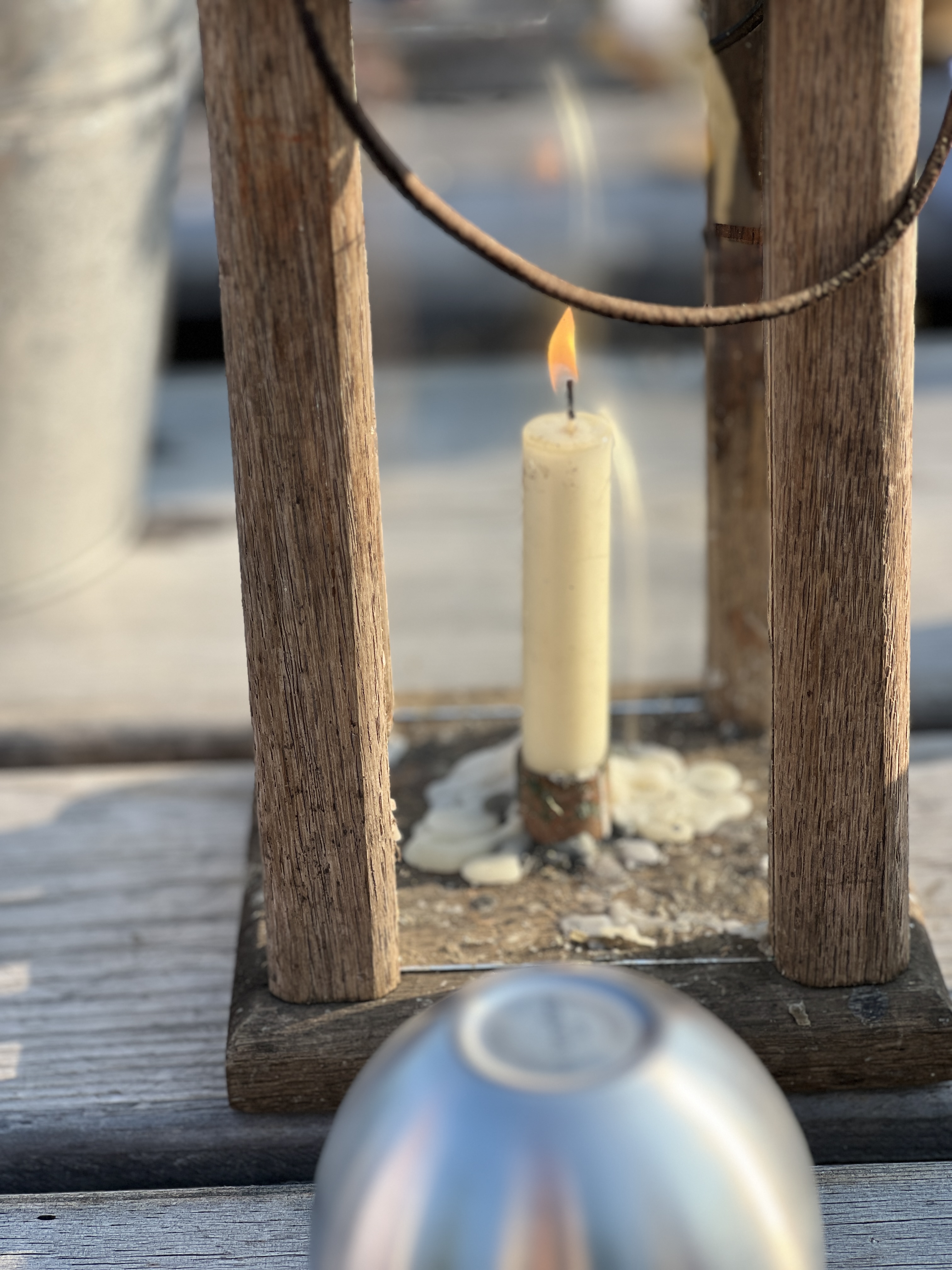
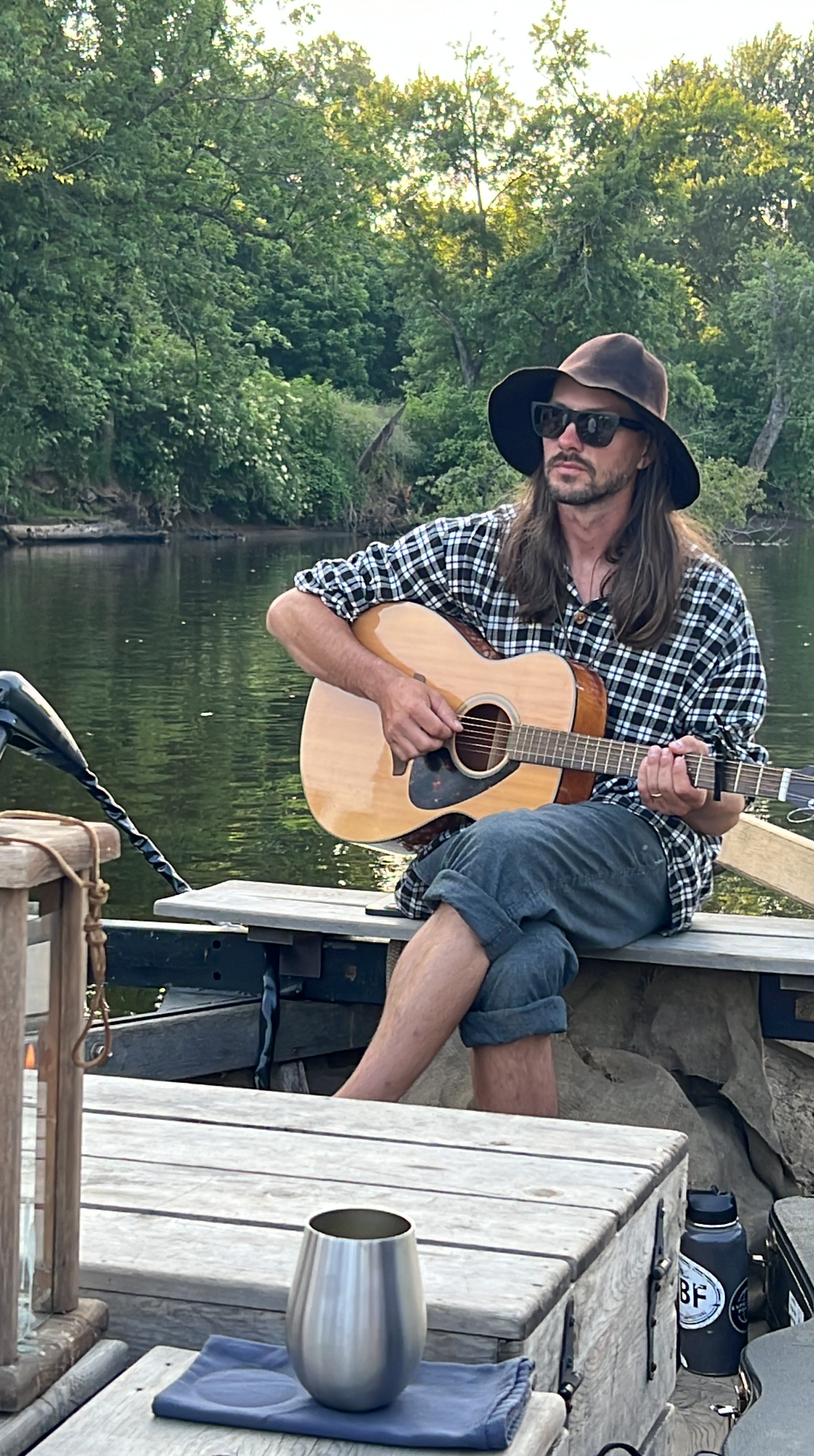
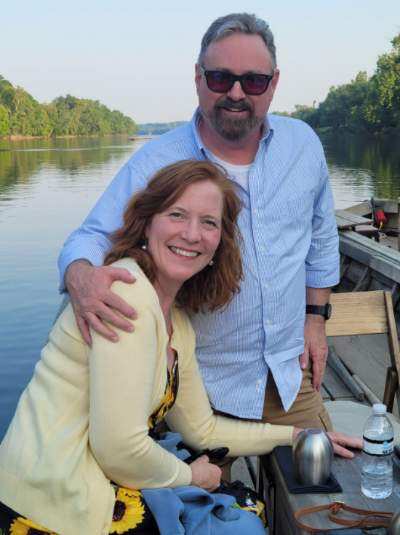
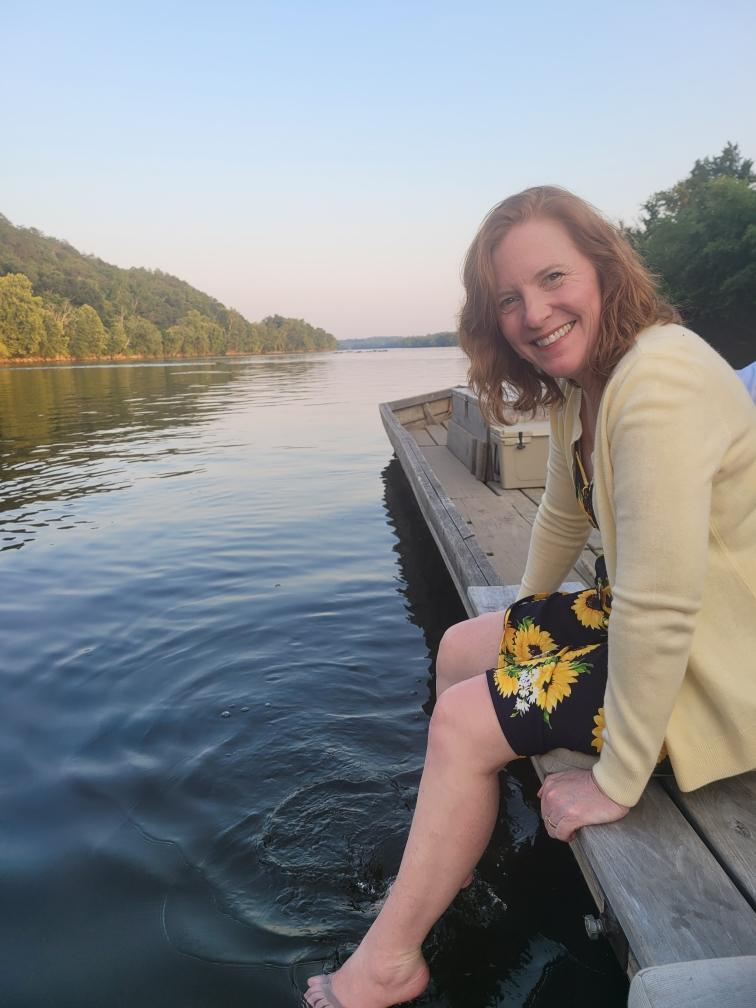
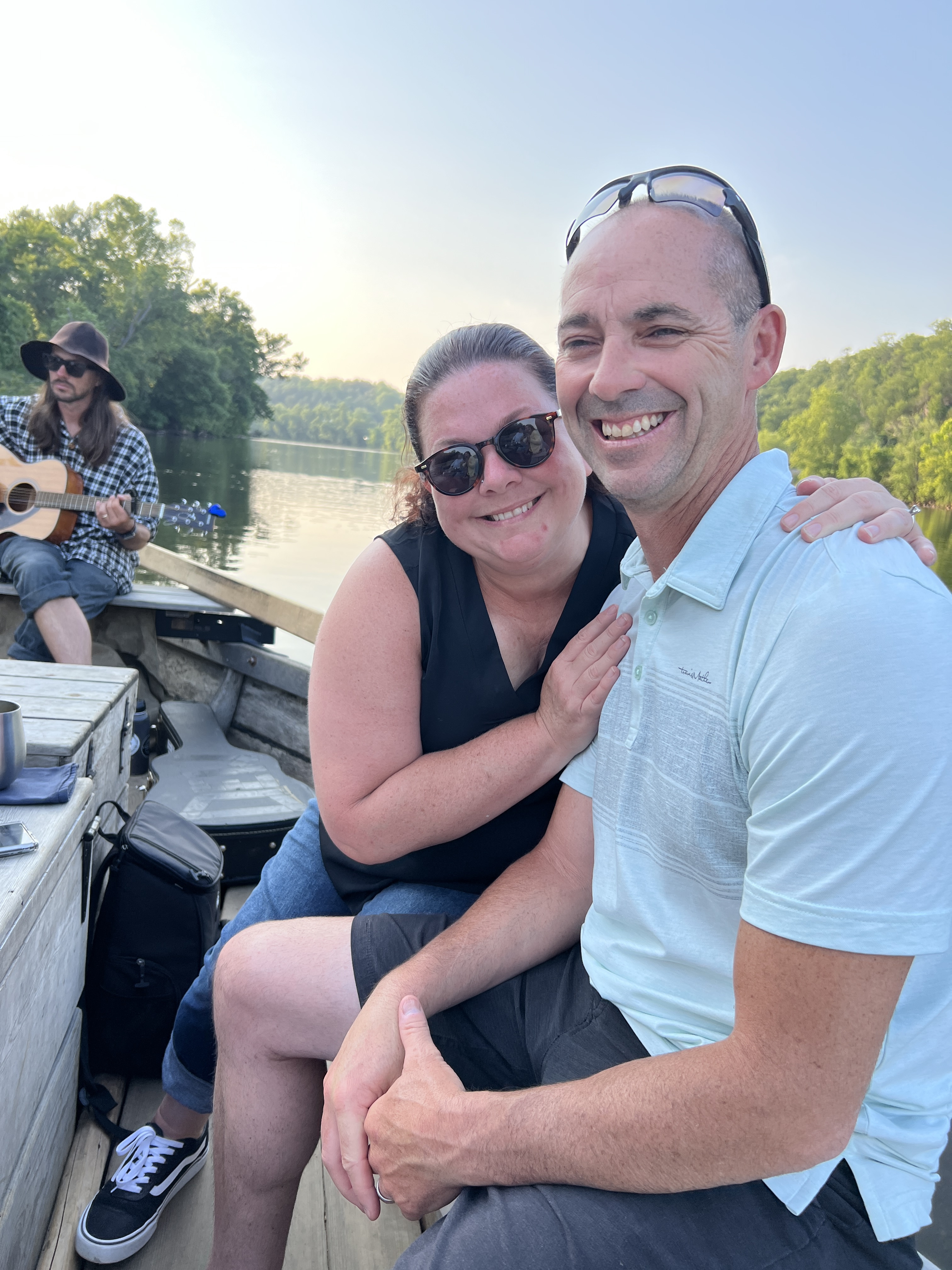
No matter where you find yourself today, I hope you can reflect on the practice of il dolce far niente. What does that look like for you? I’m away with friends this weekend. And, again, practiced the quiet stillness and sweetness with the mountains, children at play, and a sunset batteau river ride.
I will travel home to work and continue happenings in my season of life, and I know that the practice will be a part of me. I can face tomorrow because I know who is holding tomorrow. The sweetness of His love is my anchor. My hope.








 ARRESTED BY GRACE