
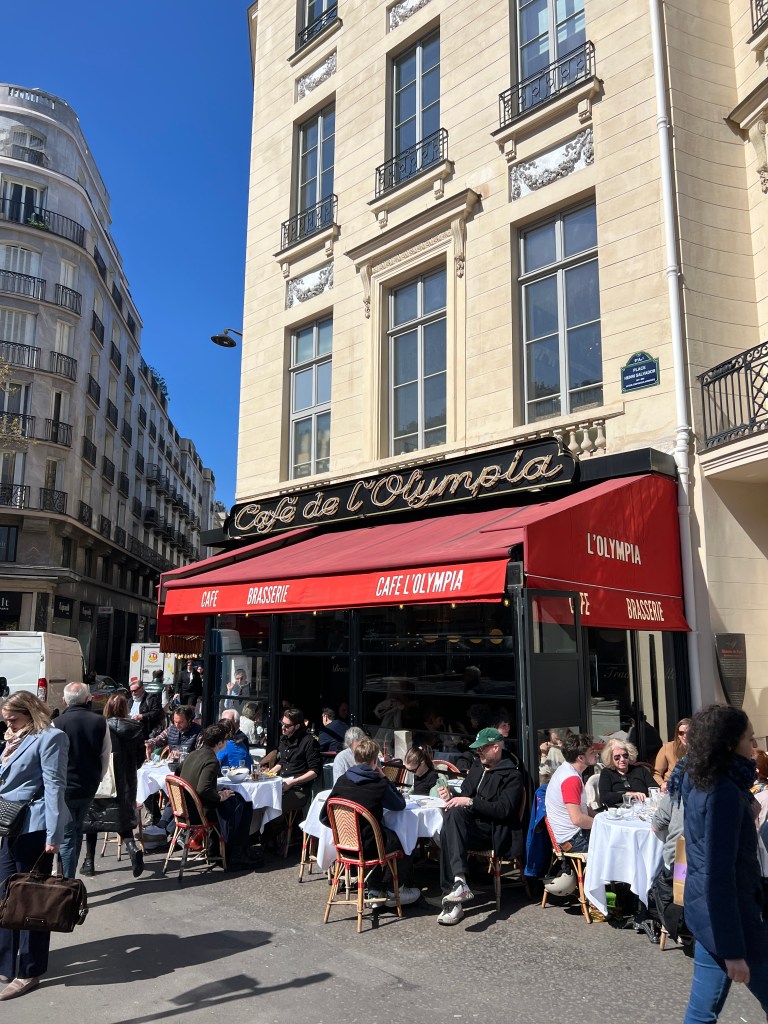
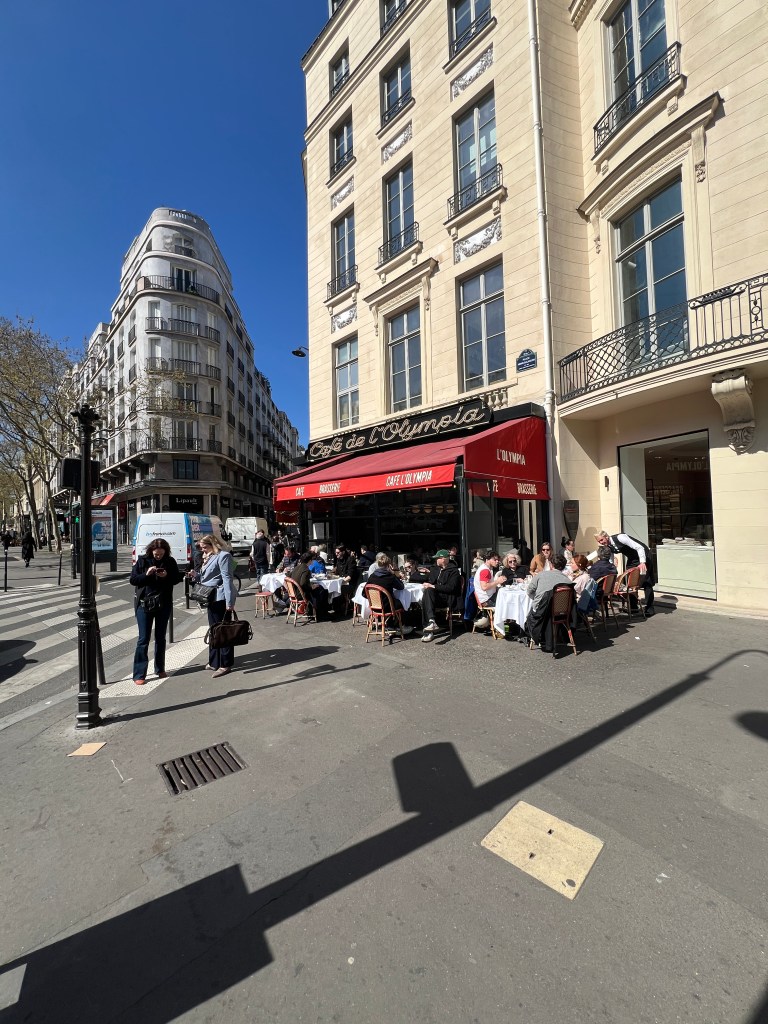
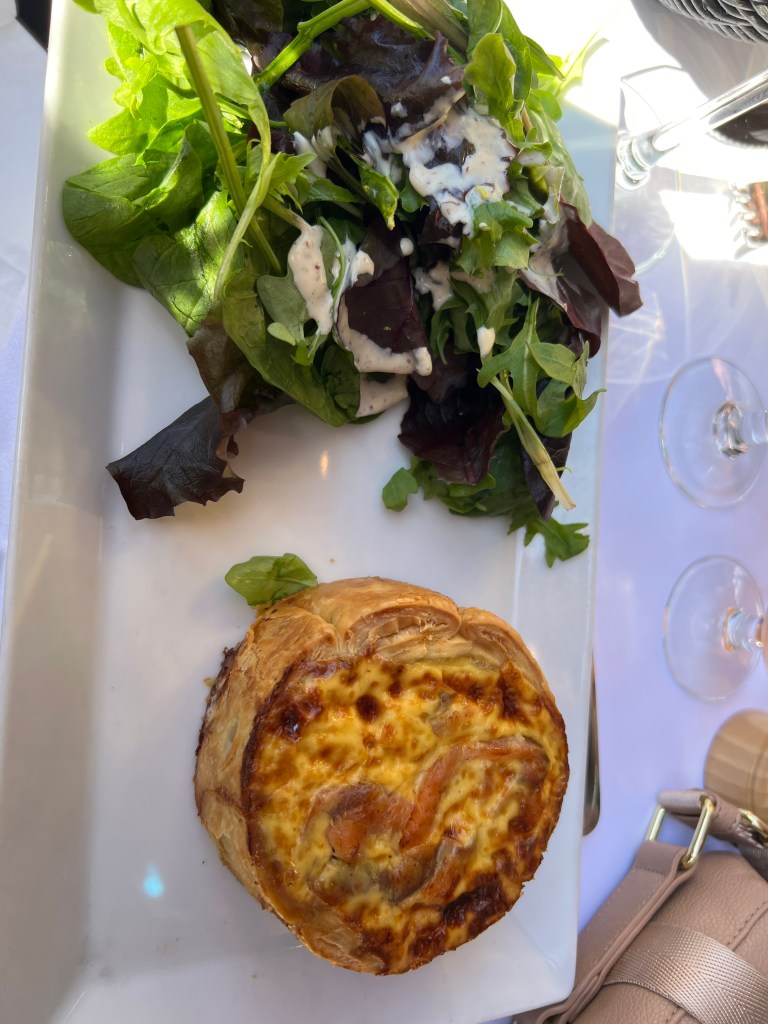
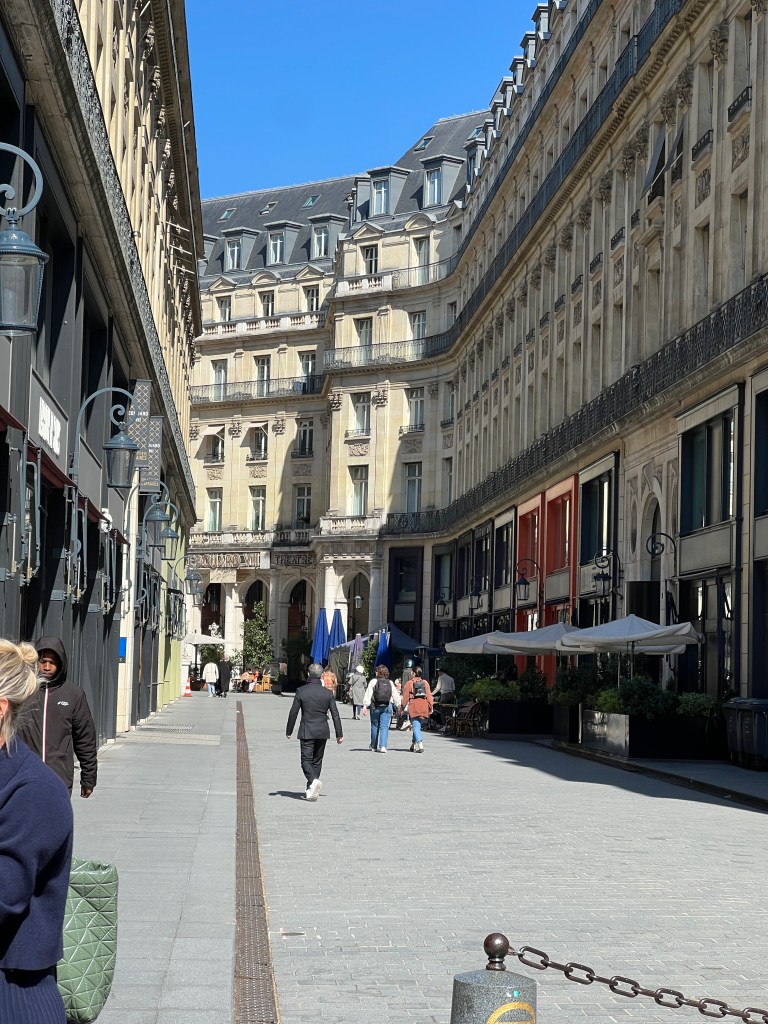
I talked a little yesterday about Palais Garnier. We purchased the afternoon tour tickets and visited the Louvre in the morning. It was easy to walk from the Louvre to the opera house. We left the Louvre by way of the gardens. Along the way, we stopped to have lunch at the Cafe de L’Olympia . We sat outside and enjoyed watching the people pass by. The service was over-the-top attentive and engaging, and the food was perfection. I highly recommend this restaurant. It was interesting to observe that most restaurant owners and staff wore vest jackets with the restaurant’s name on them.

I’m amazed at how they shuffled around, avoiding dog walkers, scooters, and people hanging around while serving, seating, and greeting. It’s like street traffic but with people and a restaurant. They do it with ease and kindness.
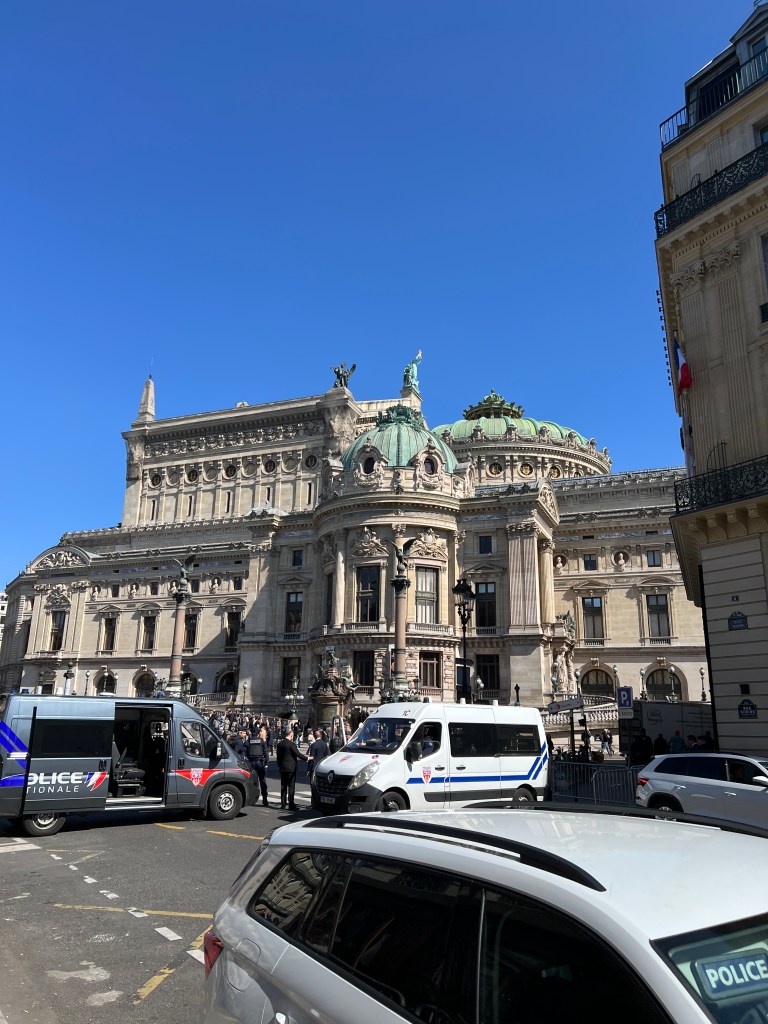
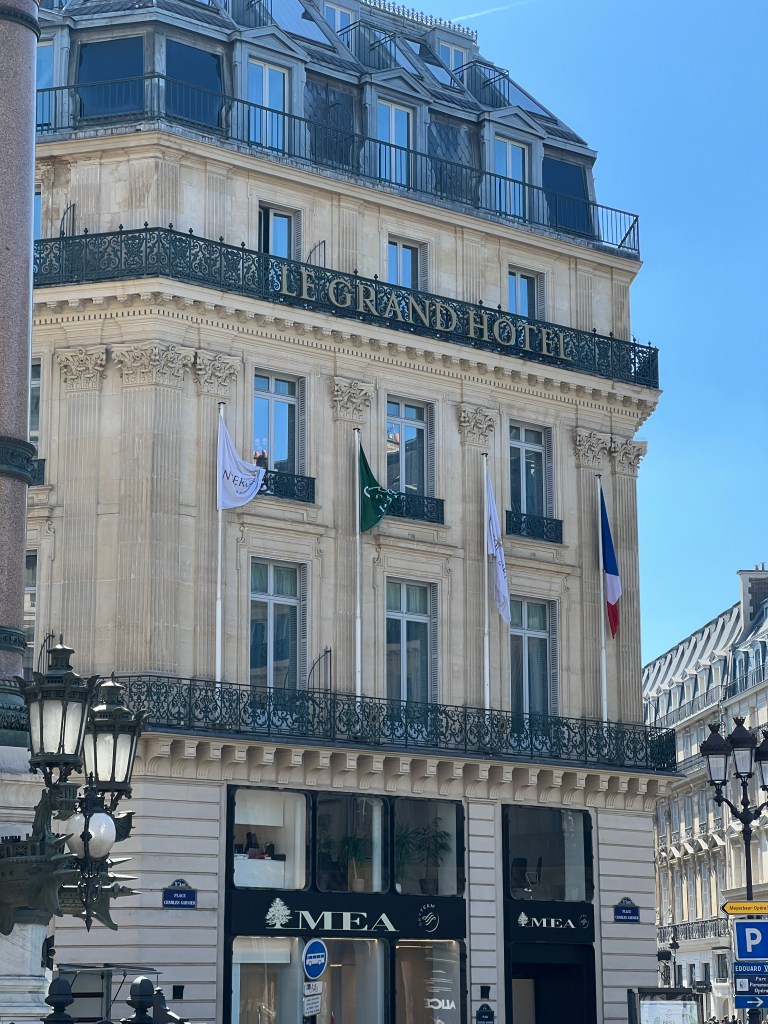
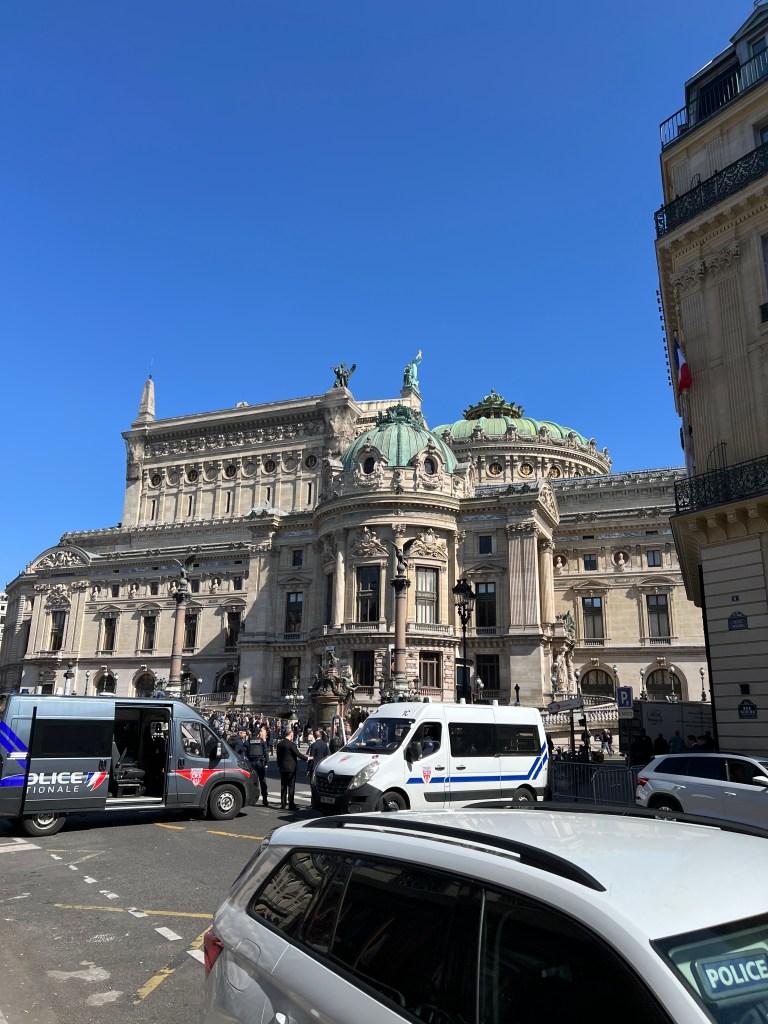
Heading to the opera house, an entire section was blocked off near a hotel. People stopped to watch security walk someone into the hotel. You couldn’t see who it was because of the security, but imagining who it might be was fun.
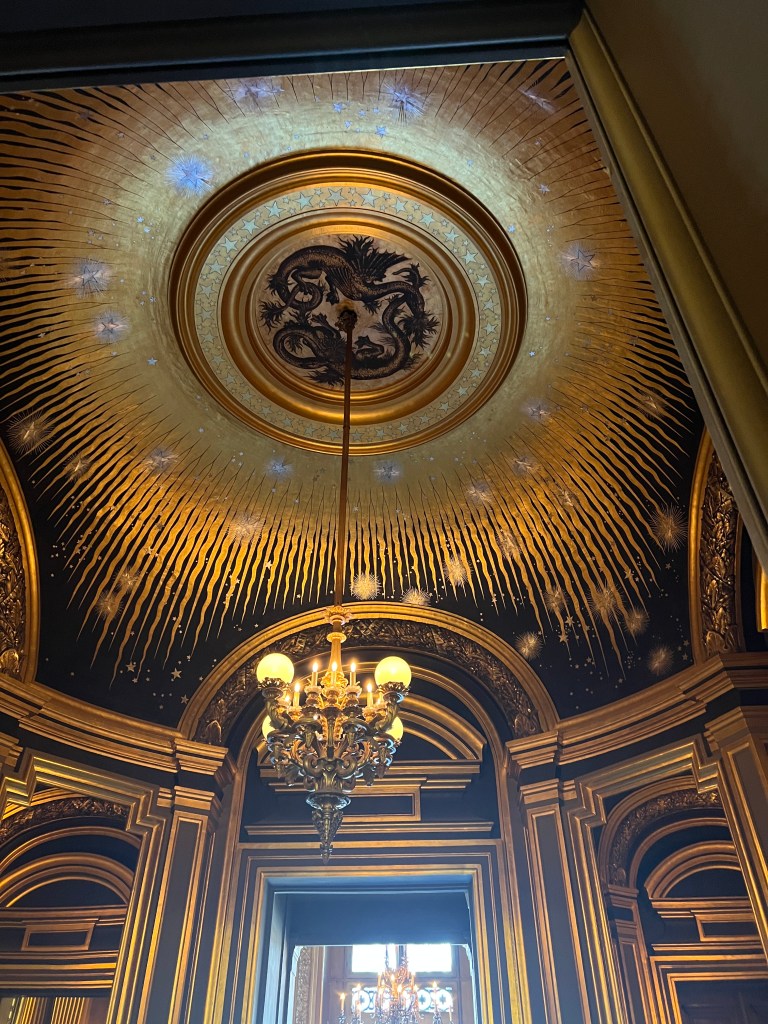
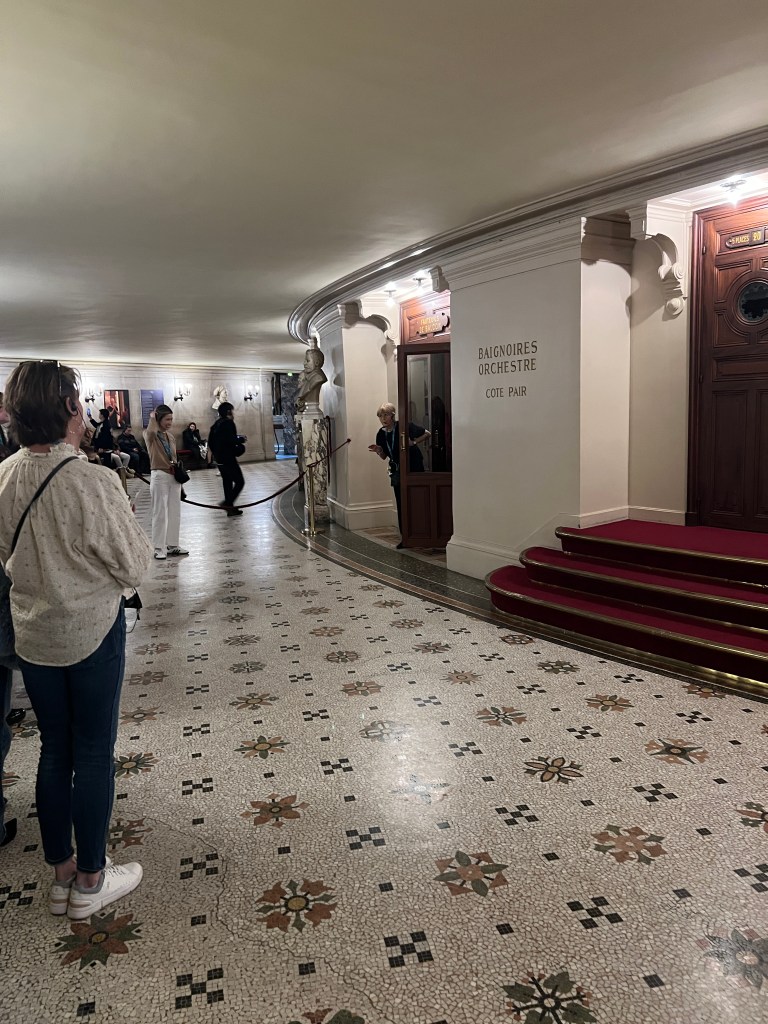
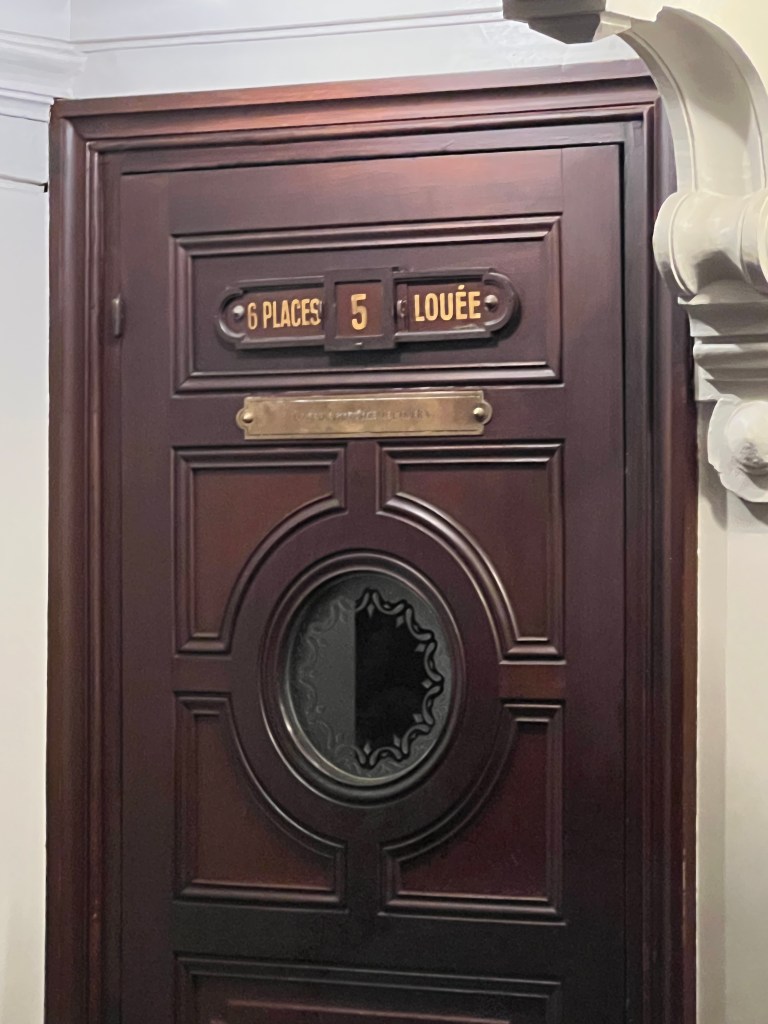
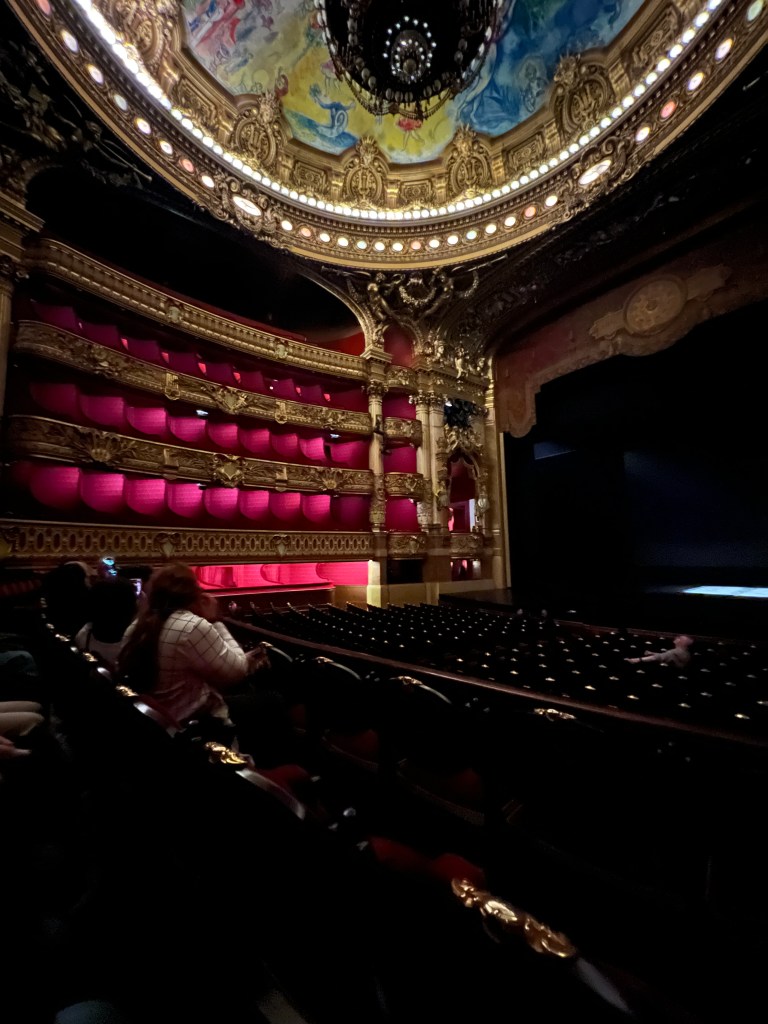
The opera house’s architecture was unique and fascinating. Standing in line and waiting for our tour it was entertaining to explore the lobby and the outside of the building.
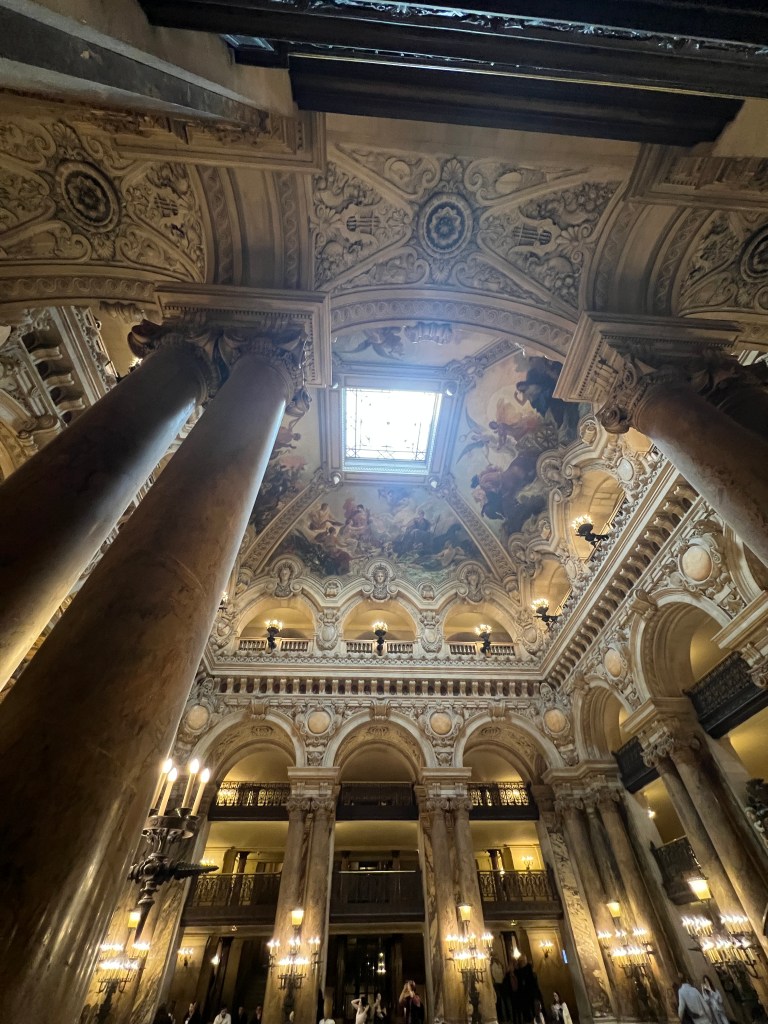
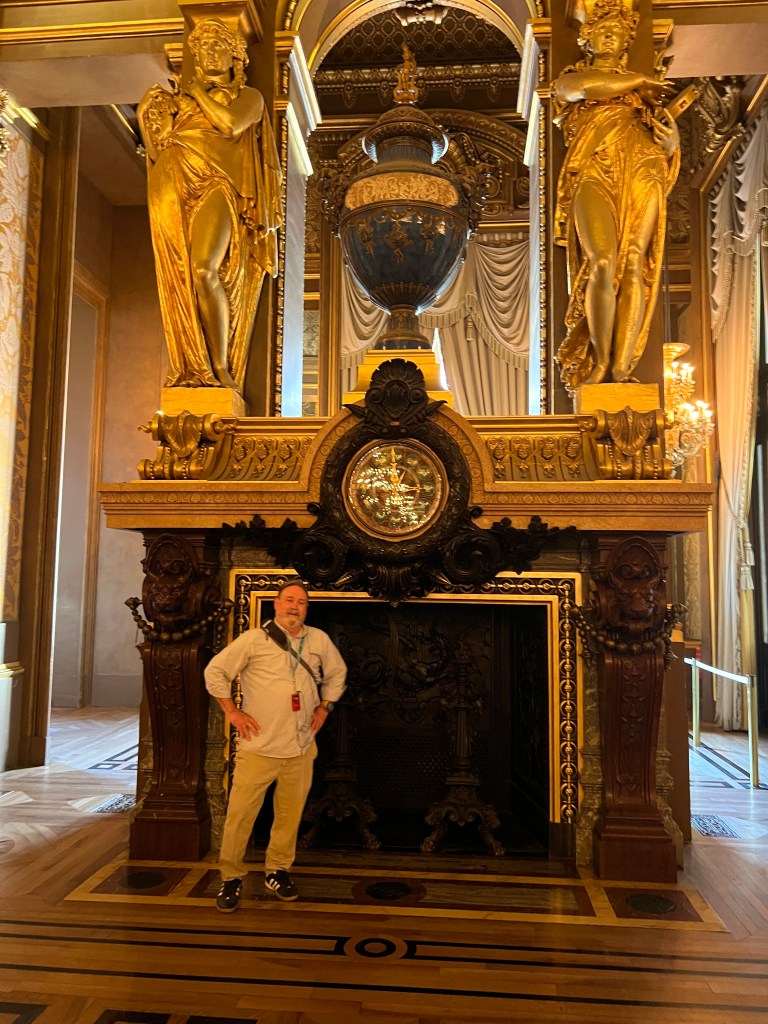
The opera house’s architecture captivated us with its stunning and intricate design. As we stood in line, anticipation buzzed in the air, and we couldn’t help but admire the grandeur of the facade, adorned with elaborate carvings and majestic columns that seemed to reach for the sky. The lobby, filled with soft, ambient light and plush, velvet furnishings, beckoned us to explore further. Ornate chandeliers hung from the ceiling, casting a warm glow on the polished marble floors, while golden accents shimmered with elegance. Outside, the building’s sweeping curves and graceful arches presented a breathtaking sight against the backdrop of a clear blue sky. Each detail revealed a story of artistry and craftsmanship that left us in awe, making the wait just as thrilling as the tour itself.
The Palais Garnier, Paris’ iconic opera house, is a treasure trove of fascinating history and architectural marvels:
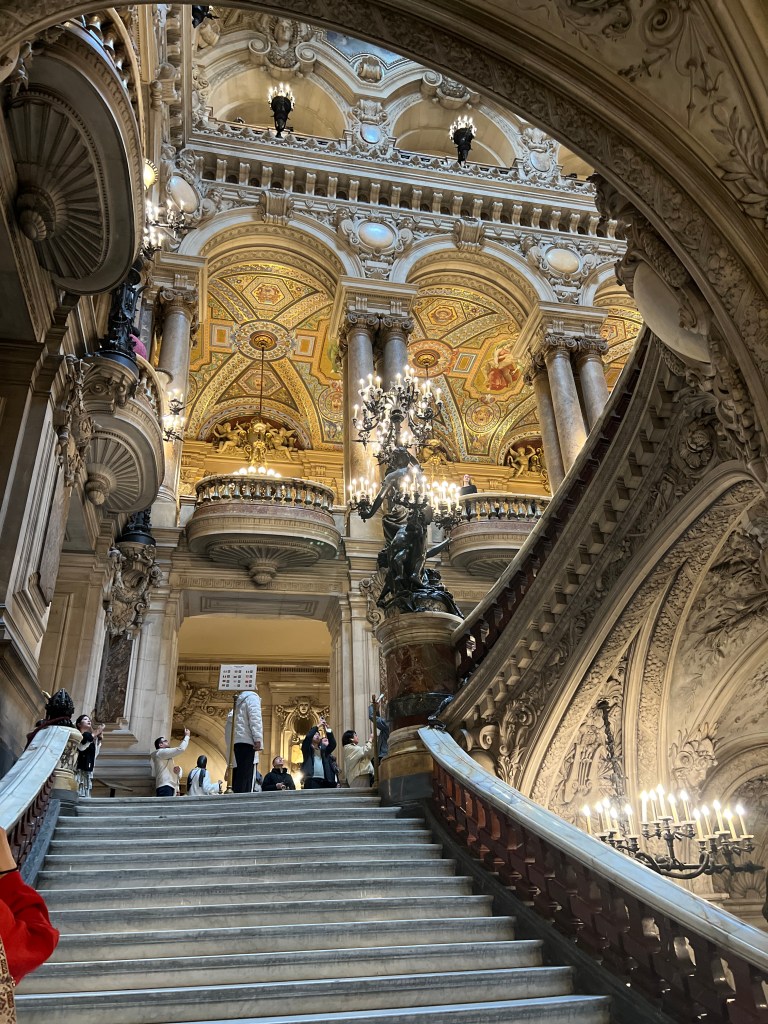
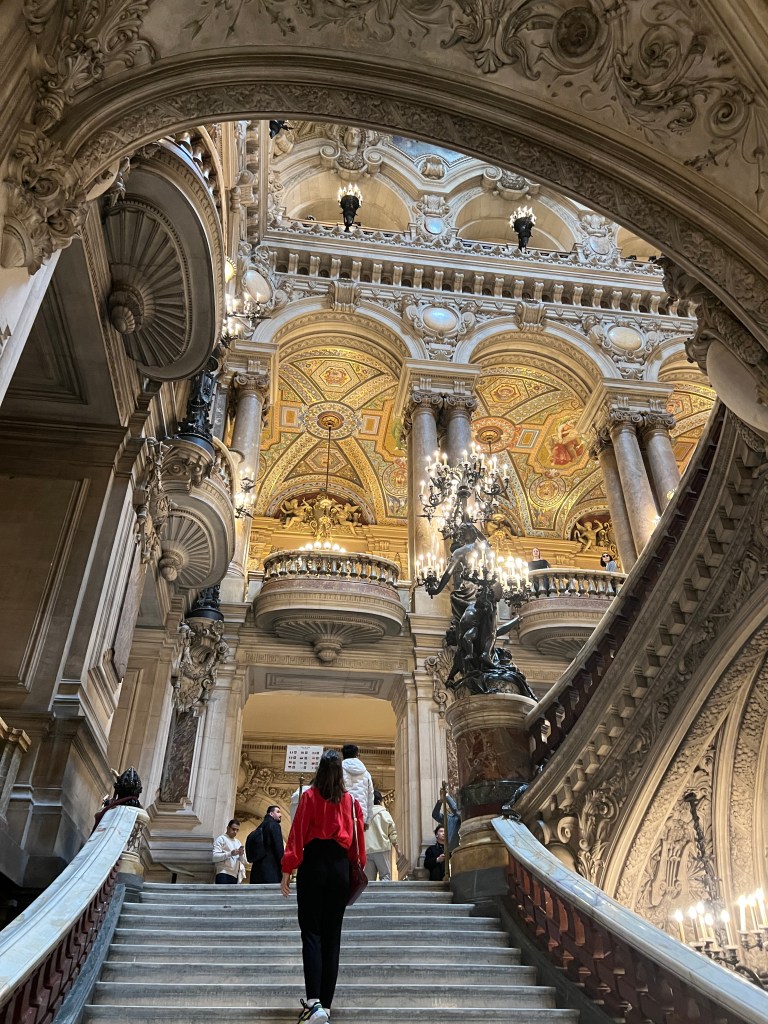
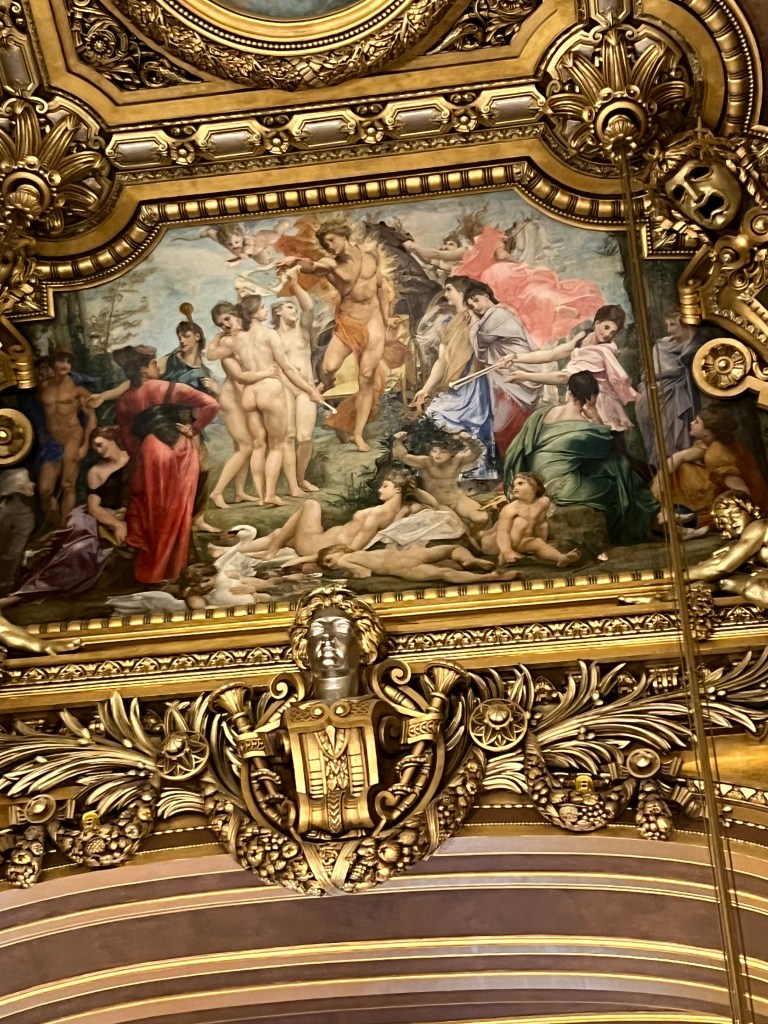
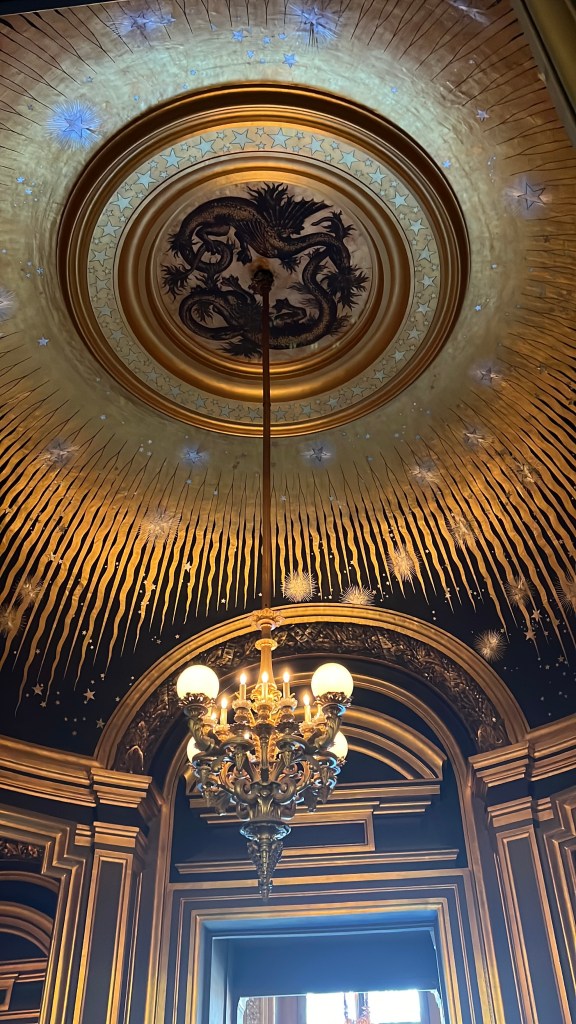
- Architectural Brilliance: Charles Garnier’s design showcases his vision of a “temple of the arts.” The grand staircase, known as the Escalier de Marbre, features white and red marble, and creates an illusion of infinite space with its reflections. The building’s exterior boasts intricate sculptures of muses, composers, and allegorical figures, further adding to its artistic allure.
- Underground Water Reservoir: Beneath the opera house lies a hidden water reservoir. While it was initially intended as a precaution against the building’s unstable swampy foundation, it’s now famous for inspiring Gaston Leroux’s The Phantom of the Opera. Though it’s not open to the public, it adds a layer of mystery to the building’s history.
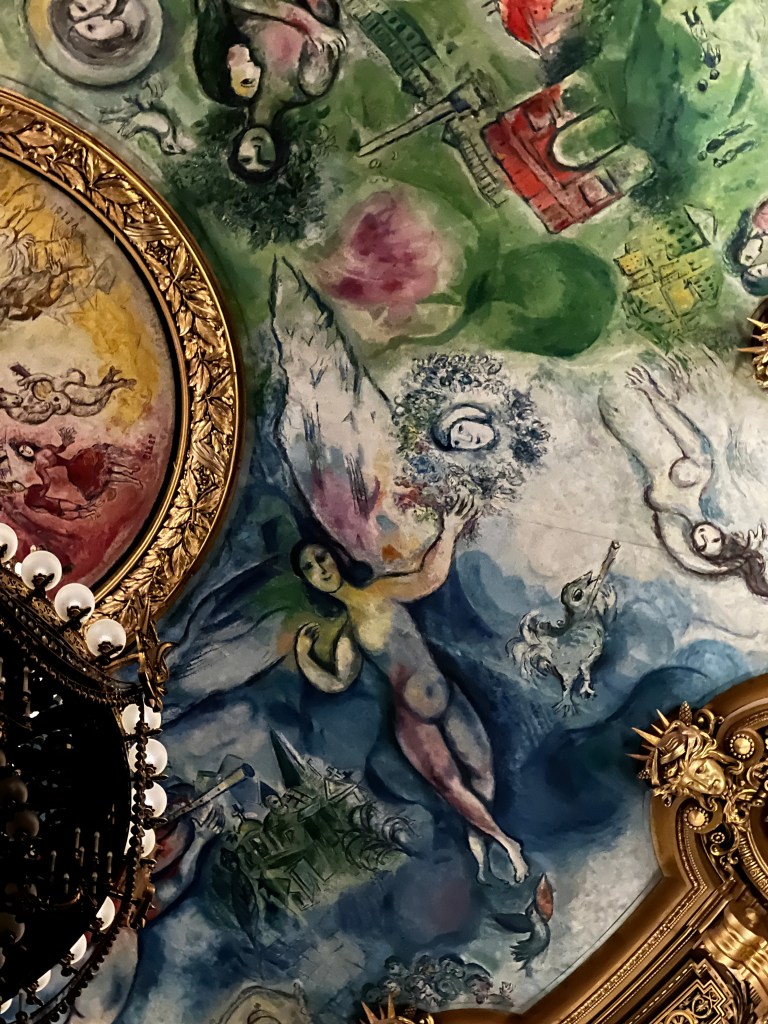
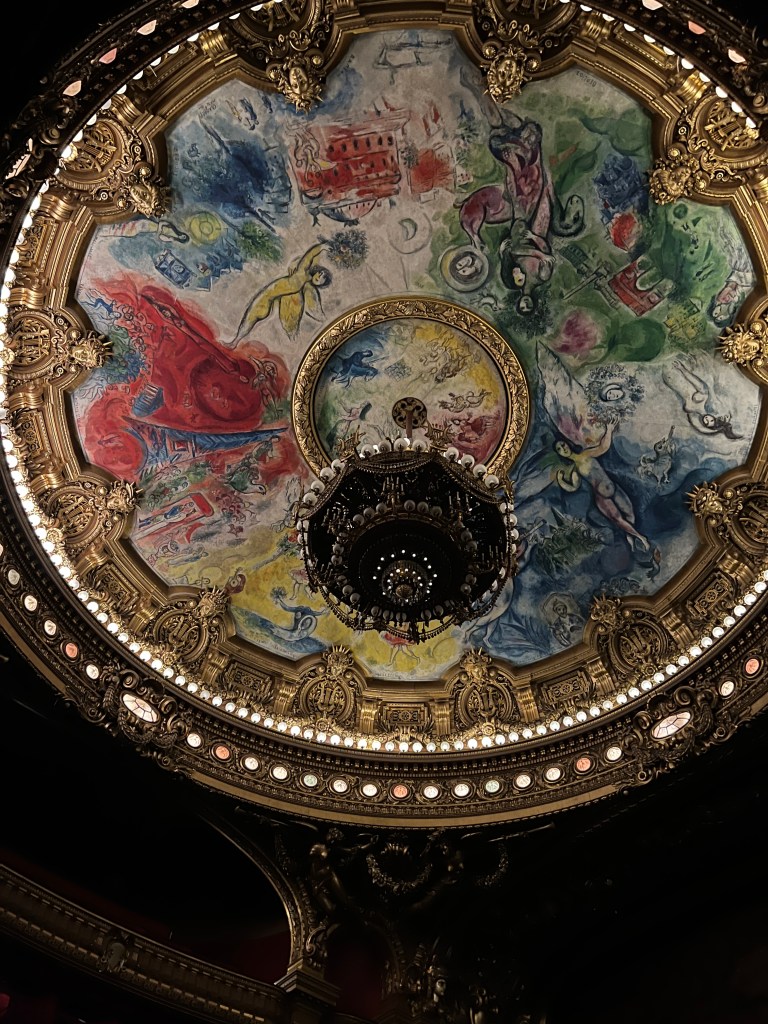
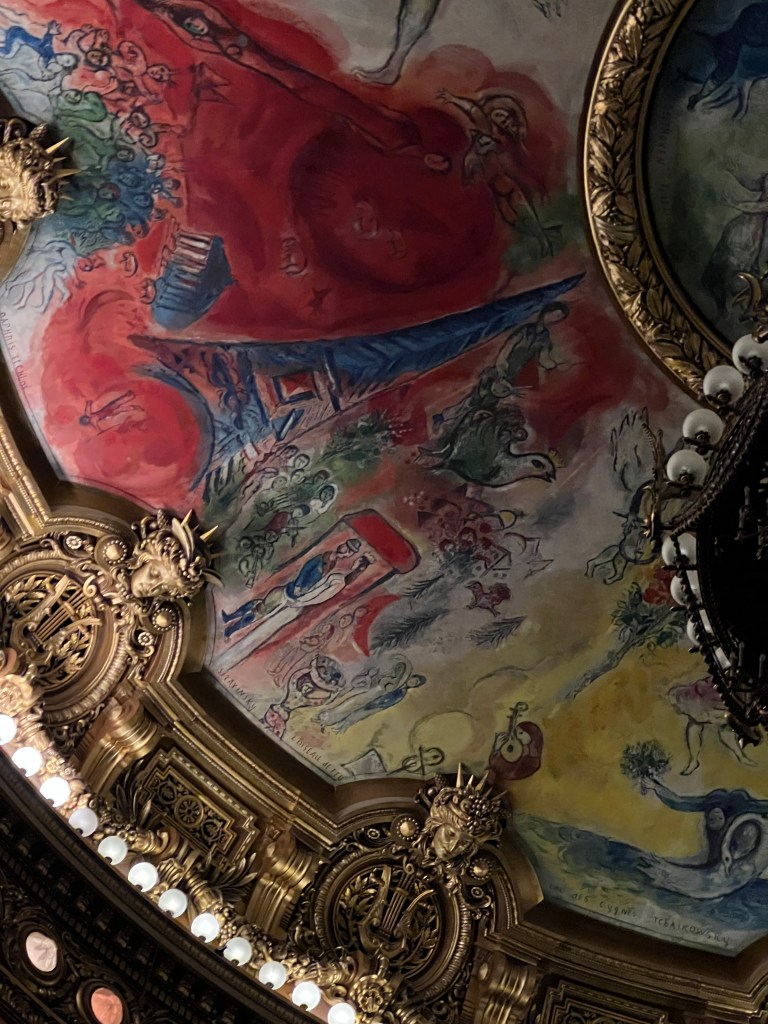
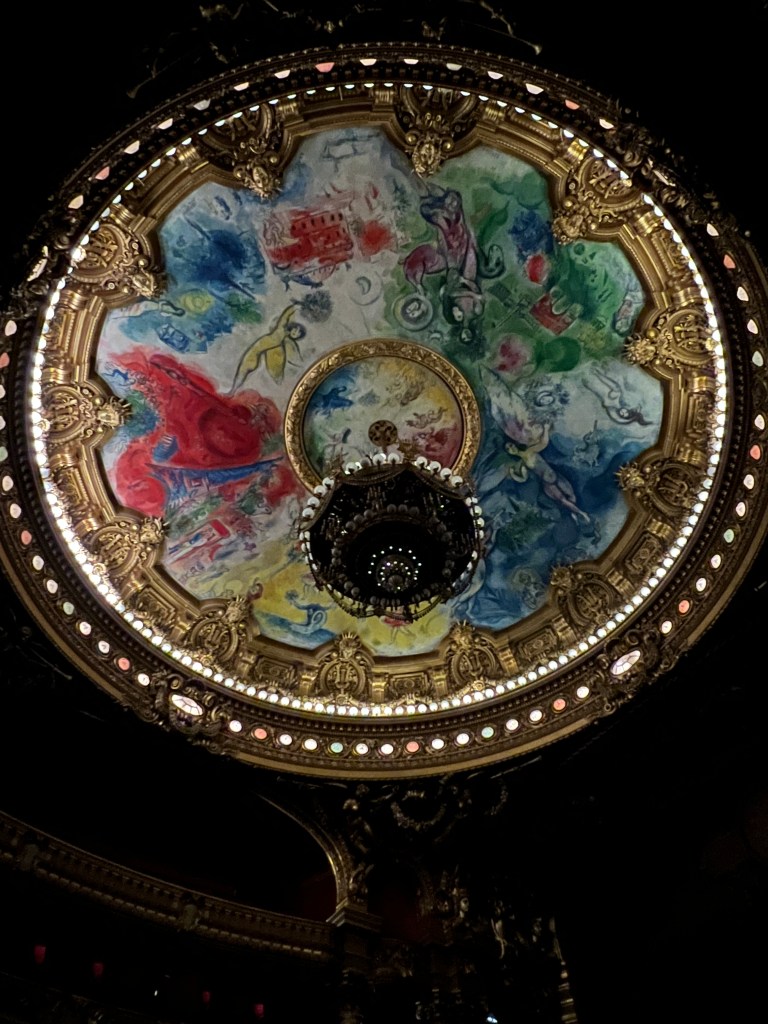
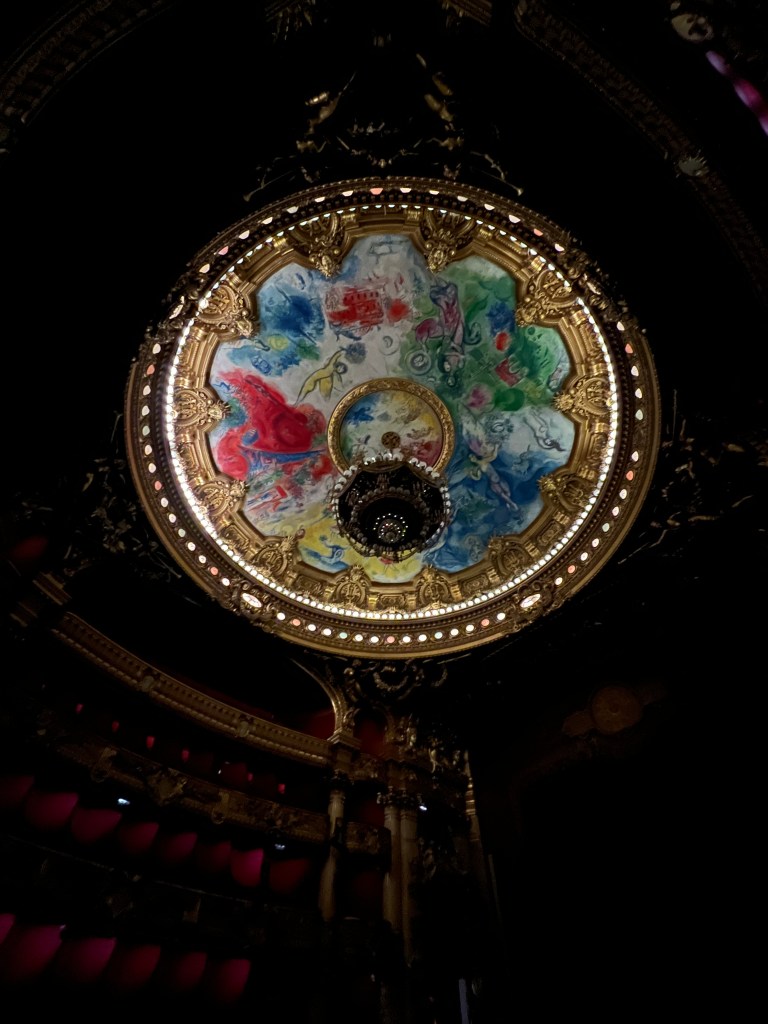
- Ceiling by Marc Chagall: One of the most striking features in the auditorium is the colorful ceiling painted by Marc Chagall in 1964. His modern artwork contrasts with the opulent golden chandelier and 19th-century decor, creating a unique blend of old and new. When you look at my pictures, take notice of how he painted the Eiffel Tower.
- Grand Foyer: The ornate Grand Foyer, often compared to the Hall of Mirrors at Versailles, is adorned with dazzling chandeliers, mosaics, and sculptures. It offers breathtaking views of Paris through its tall windows.
- Historical Events: Over the years, the Palais Garnier has hosted countless performances by world-renowned artists. It was even used as a hospital during World War I, showing its versatility and importance to French society.
The experience of moving through the Palais Garnier mirrors a crescendo in music, growing in grandeur and brilliance as you ascend. The lower levels are majestic yet subdued, with intricate details and dim lighting setting a tone of quiet anticipation. As you climb higher, the spaces become increasingly opulent—lavish sculptures, gilded ornaments, and vibrant marble greet you. The Grand Staircase acts as a visual and spatial climax, transitioning into the dazzling Grand Foyer and the glittering auditorium. The lighting becomes brighter and more resplendent, culminating in the breathtaking radiance of the chandelier and Marc Chagall’s vivid ceiling in the heart of the opera house. It’s an architectural symphony, where every step upward amplifies the splendor and drama.
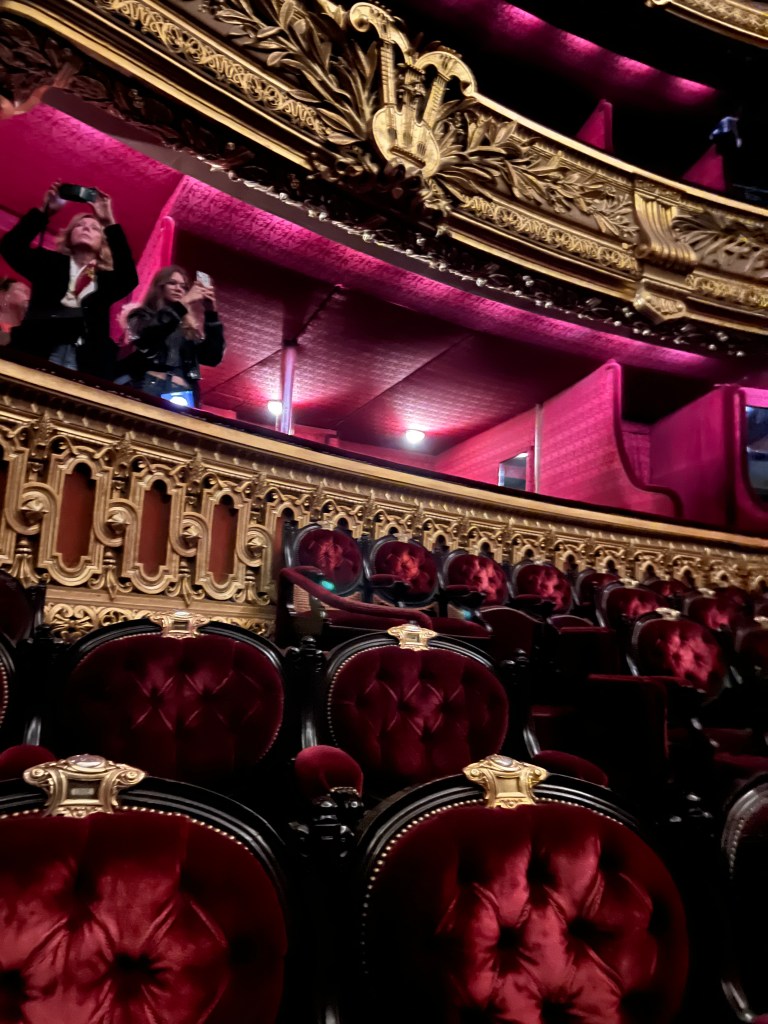
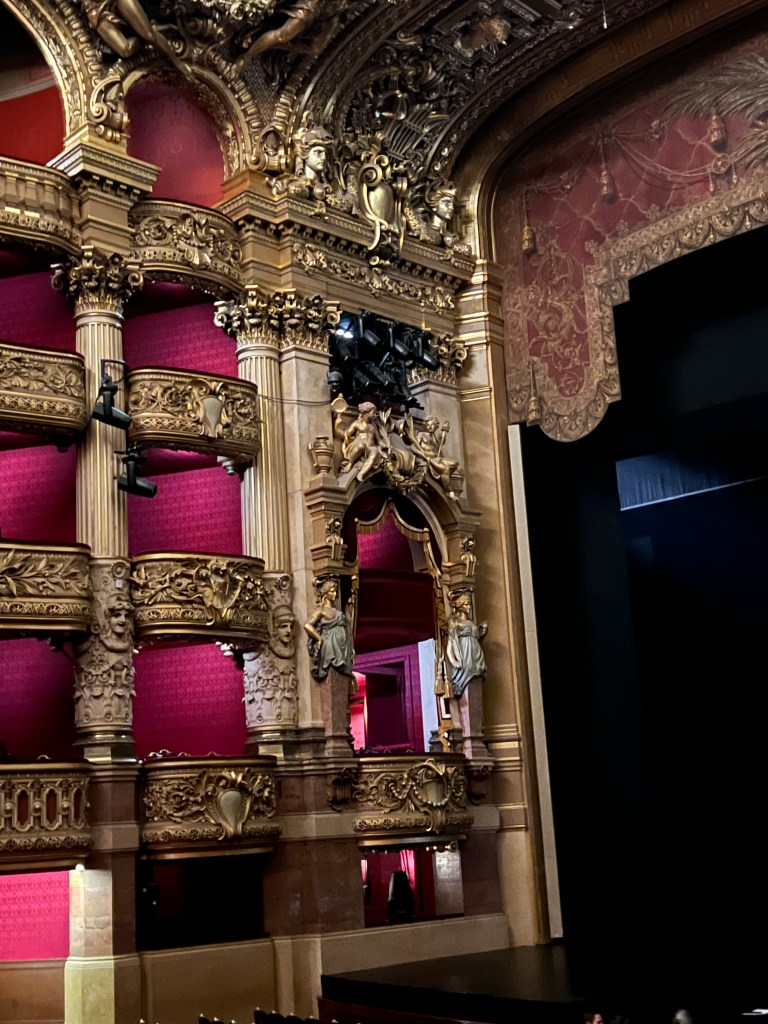
The “Emily in Paris” television show showcased this opera house, particularly the grand area with its balconies where many visitors dressed elegantly and took pictures of one another.
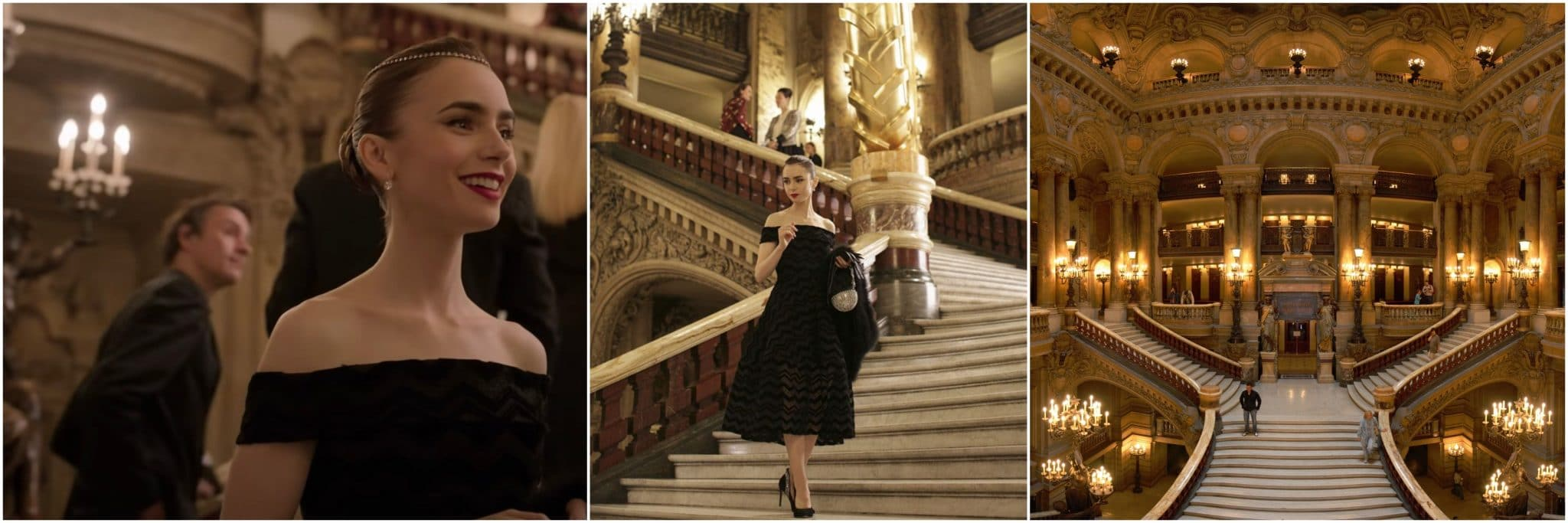
This annoyed our tour guide. She told two young girls, “I’ll give you two minutes to take your balcony pictures, and then you’ll have to move so I can do my job.”
Paris is home to two opera houses. I considered buying tickets for an event, but after discussing it with my friend, she asked, “What do you want to experience?” I realized that perhaps a reasonably priced tour would better meet my needs, and she was right! If you want to purchase tickets for a performance, be sure to buy them in advance, as they can be quite expensive. For instance, “Sleeping Beauty” was sold out. How amazing it would be to see that production! If that is your goal, make sure to check the website and plan ahead.
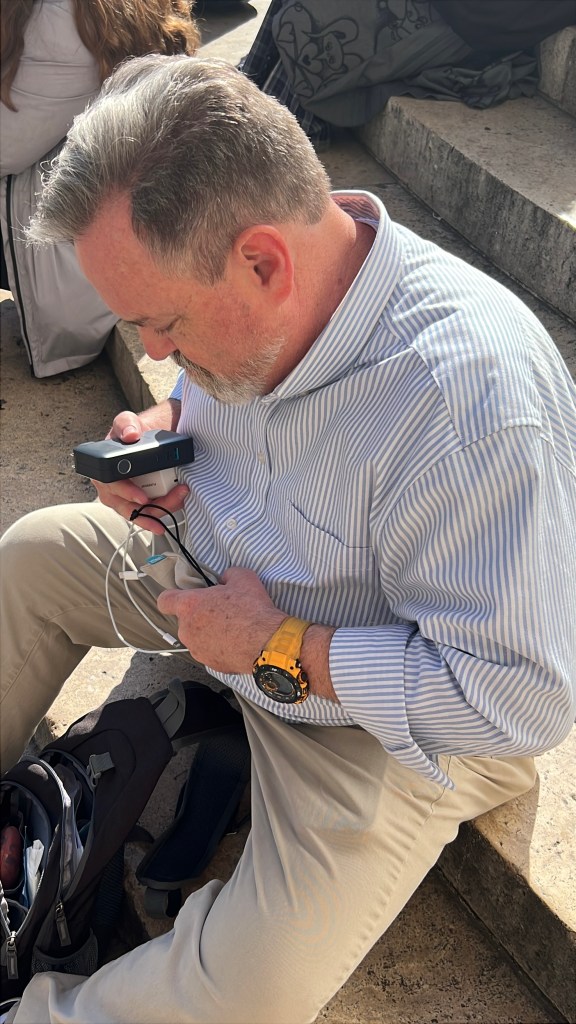
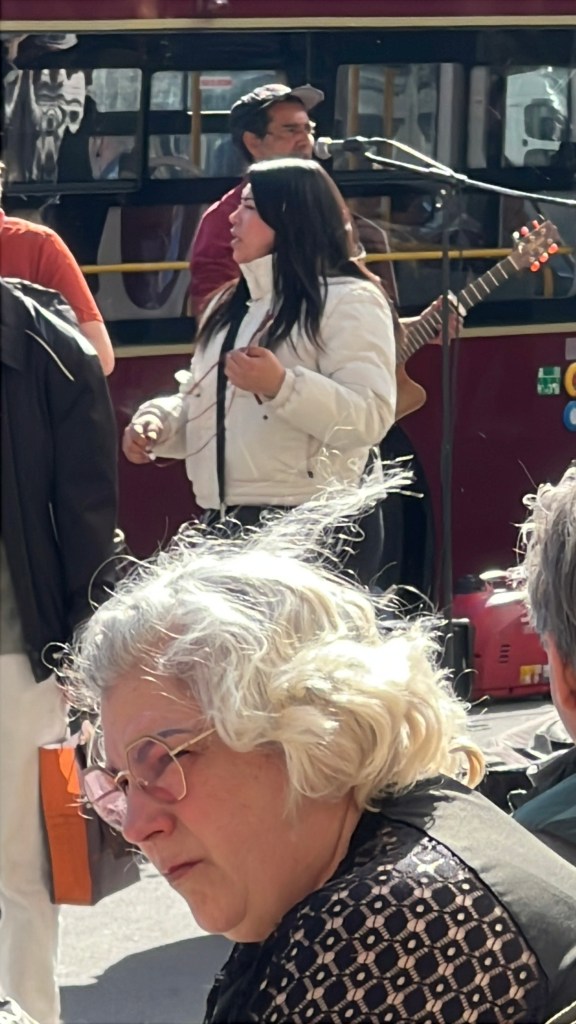
After the tour, we took an Uber to the Eiffel Tower to enjoy an afternoon snack. Just outside the Opera House, there is a square with a grand staircase where people sit to relax and chat. We settled down to unwind and discuss our next steps.
We took in the view of the Eiffel Tower while we ate. Our next stop was the summit of the Eiffel Tower, which we were eagerly anticipating! We knew that our itinerary would include Uber rides because Paris is a large city. It is worth it to settle into the fact that you can’t always walk, and Uber is okay.
Next post: Eiffel Tower!











 ARRESTED BY GRACE