
Today is April 4, and we travel to Reims, France!
Getting there from Paris: Take the Paris Gare de l’Est to Reims Station. Leave plenty of time for traffic and an Uber to get you to your station in Paris.
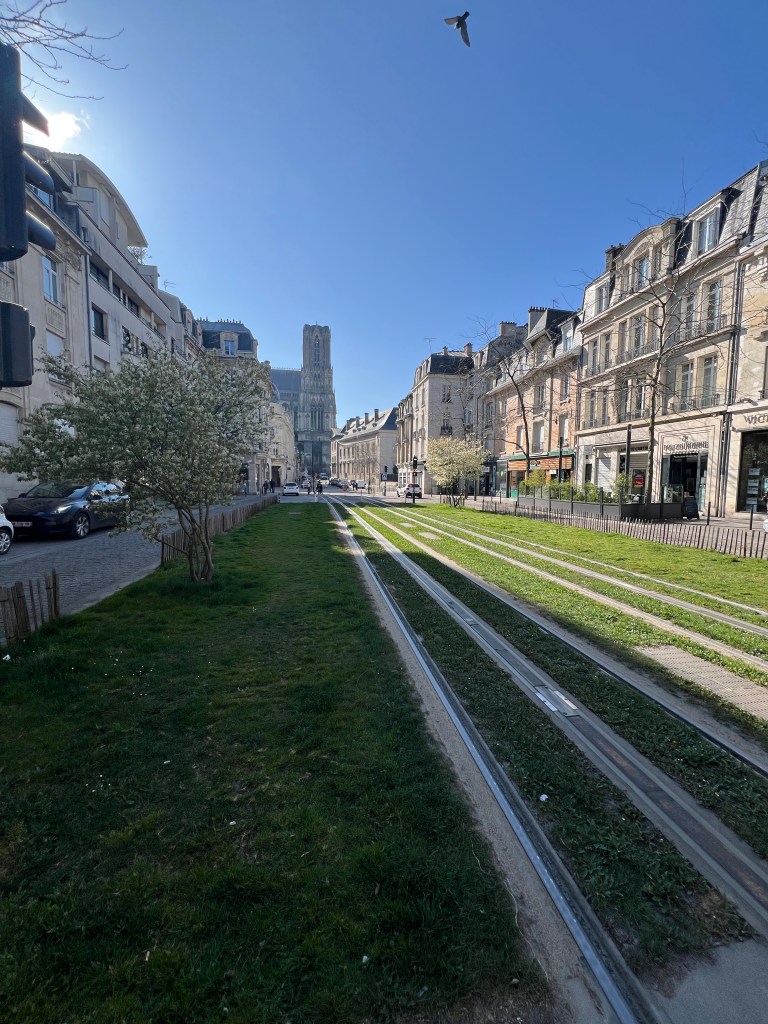
I watched a few travel YouTube videos and “things to do” articles on the way there. Easy searches on Google. They talk about the tram and how you can take it around town and into the forest! We did not do the forest trip, but if we had stayed longer, that would have gone on the list.

You enter a picturesque village once you get off the train and walk to the little town of Reims!
Here are some fun facts!
Champagne Capital: Reims is considered the unofficial capital of the Champagne wine region, home to prestigious champagne houses and historic vineyards.
Coronation City: Many French kings were crowned at the Notre-Dame de Reims Cathedral, making it a historically significant site.
Roman Heritage: The city has ancient Roman ruins, including the Porte de Mars, one of the largest surviving Roman triumphal arches.
UNESCO World Heritage Sites: Reims boasts three UNESCO-listed landmarks—the Abbey of Saint-Remi, Palais du Tau, and Notre-Dame de Reims Cathedral.
Victor Hugo Connection: The famous French writer Victor Hugo was born in Reims.
I can imagine the Allies celebrating with Champagne on May 7, 1945, after Germans signed the document of surrender for all German forces. WWII buffs enjoy visiting the Museum of the Surrender (Musée de la Reddition), the place where it happened. The news was announced the next day, turning May 8 into Victory in Europe (V-E) Day. The museum’s extensive collection of artifacts is fascinating, and it’s thrilling to see the war room, where Eisenhower managed Allied operations — and where the European part of the war ultimately ended. (https://www.ricksteves.com/watch-read-listen/read/articles/reims-a-bubbly-day-trip-from-paris)
A resource to research before you go! As you read through this, you can decide to do a wine tour of a vineyard. We met someone on the train who chose not to do the houses but to have an intimate vineyard tour.
If you want to have real champagne, most folks select these two places to tour:
Reims: The largest city in the Champagne region and a historical center. It’s known for its impressive cathedral, where French kings were crowned, and is home to several prestigious Champagne houses.
Épernay: Often considered the “capital of Champagne,” Épernay is known for its numerous Champagne cellars and prestigious houses like Moët & Chandon and Dom Pérignon.
If you started very early, one could do both in a day; however, most travelers share to pick one and enjoy. And, as Rick Steves says, “You can always come back!” With that attitude, you slow down and enjoy your moments.
Epernay is about another 45 minutes or so by train from Reims. We decided to do Reims. We also took the advice from another travel column to select 3 champagne houses. Before we went on our champagne tours, we found a lovely restaurant!
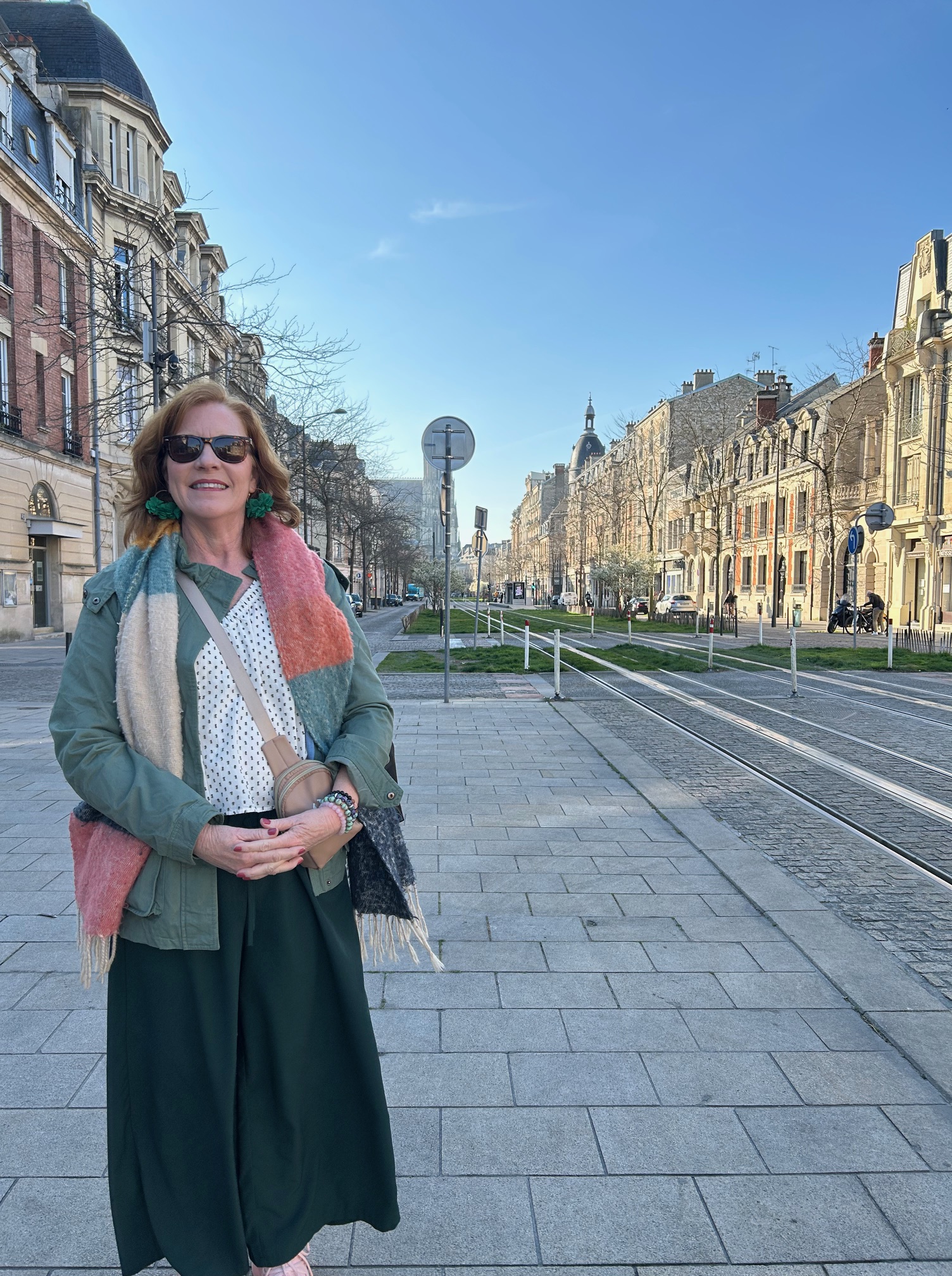
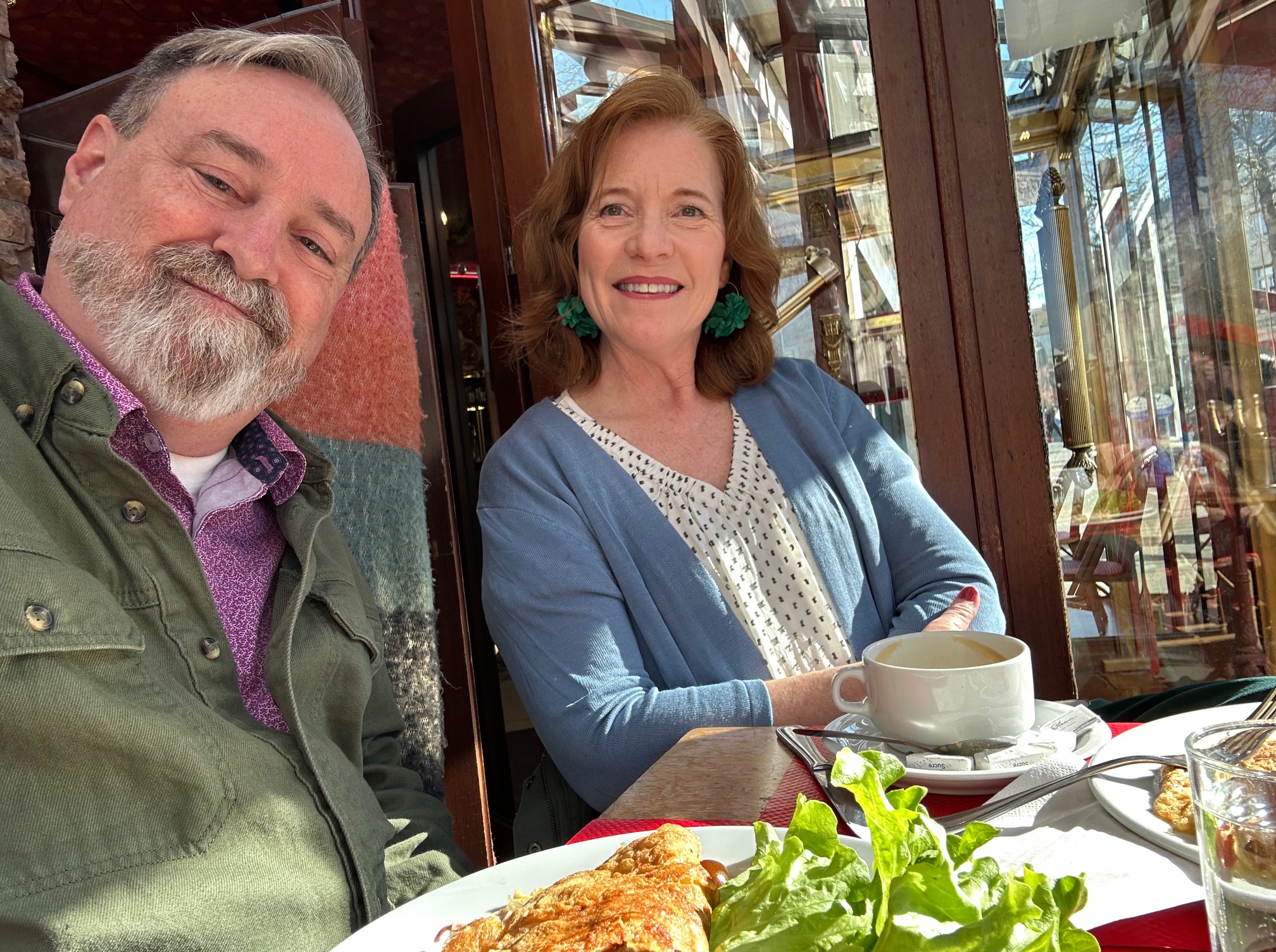
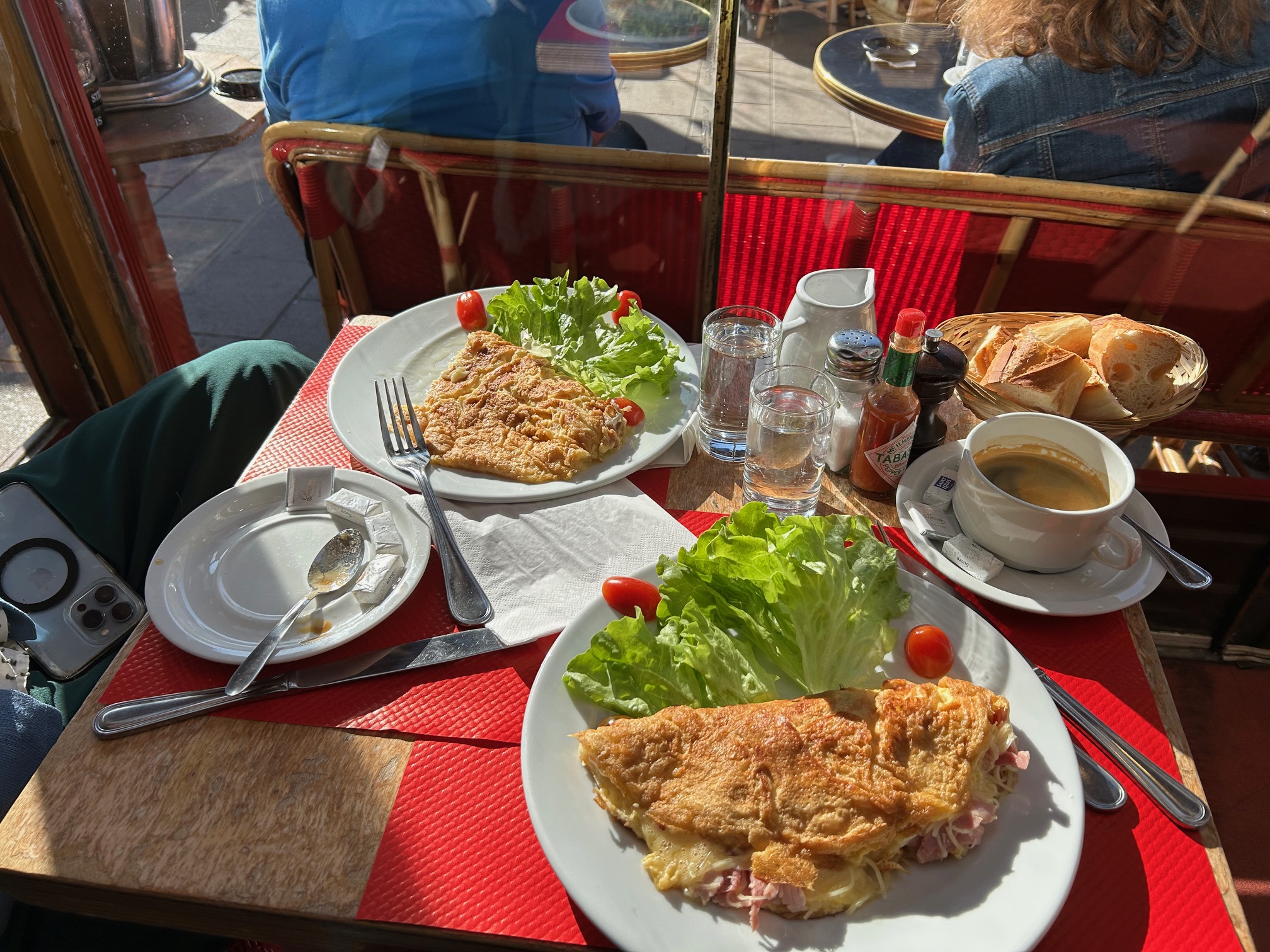
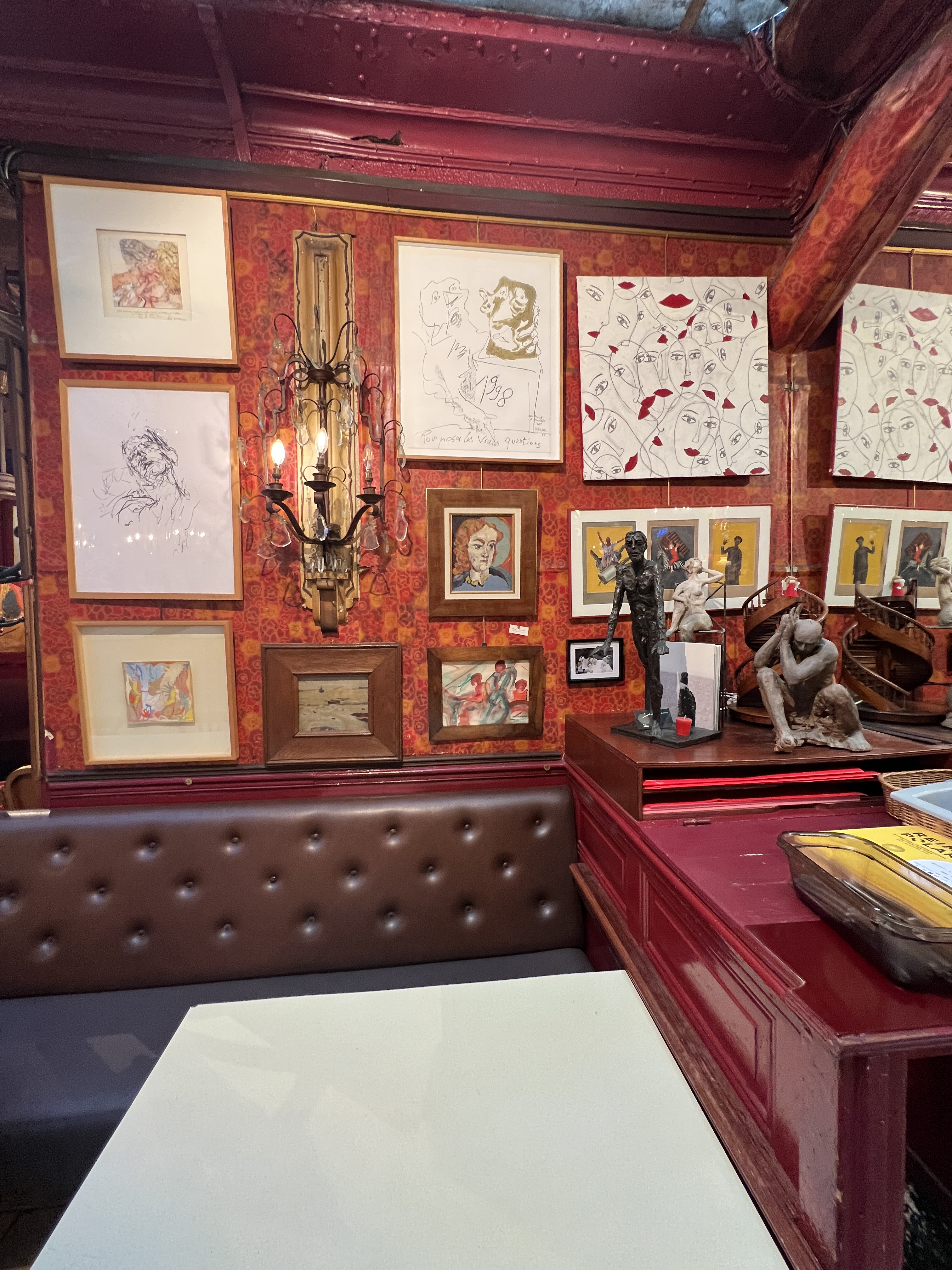
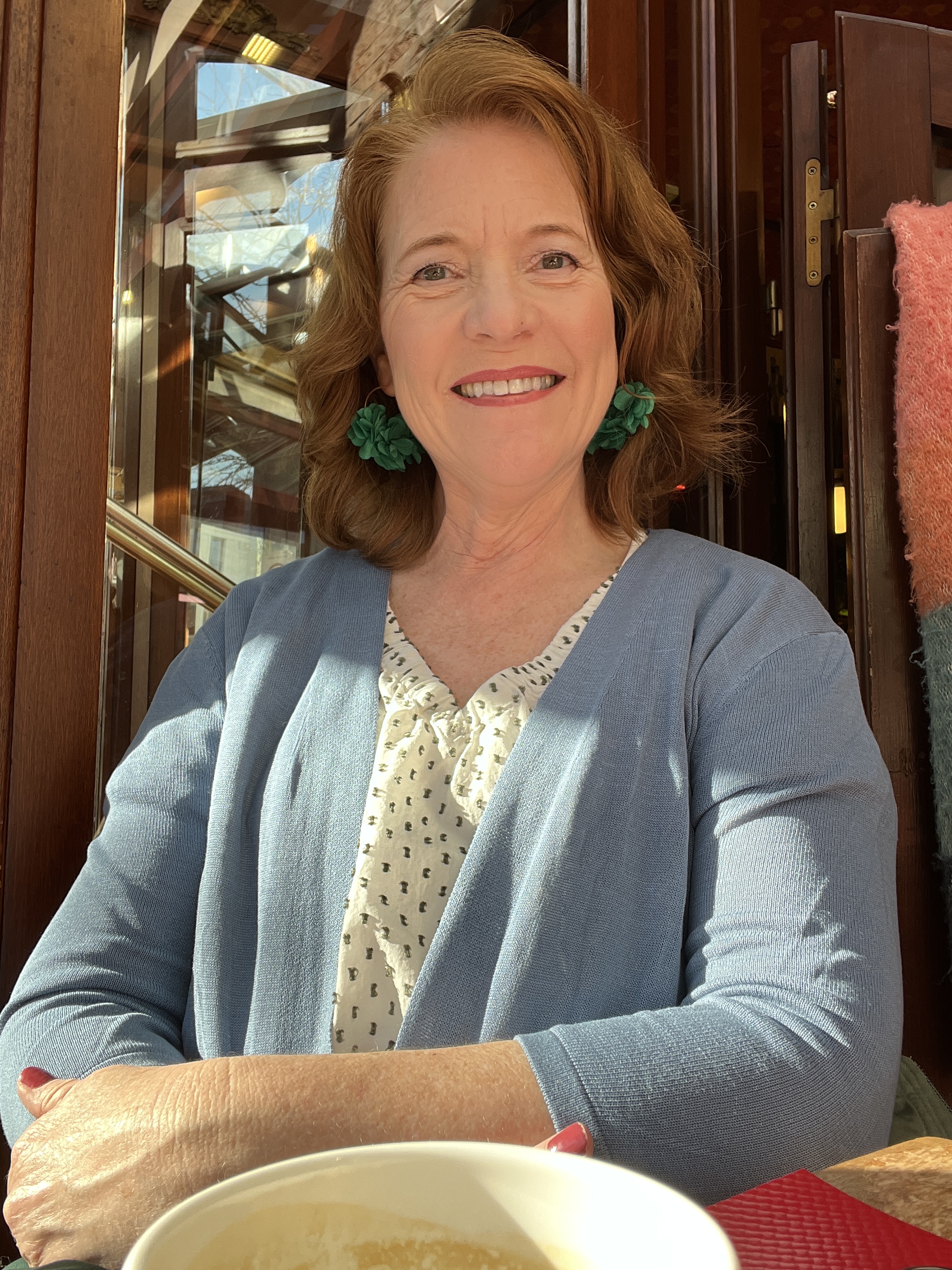
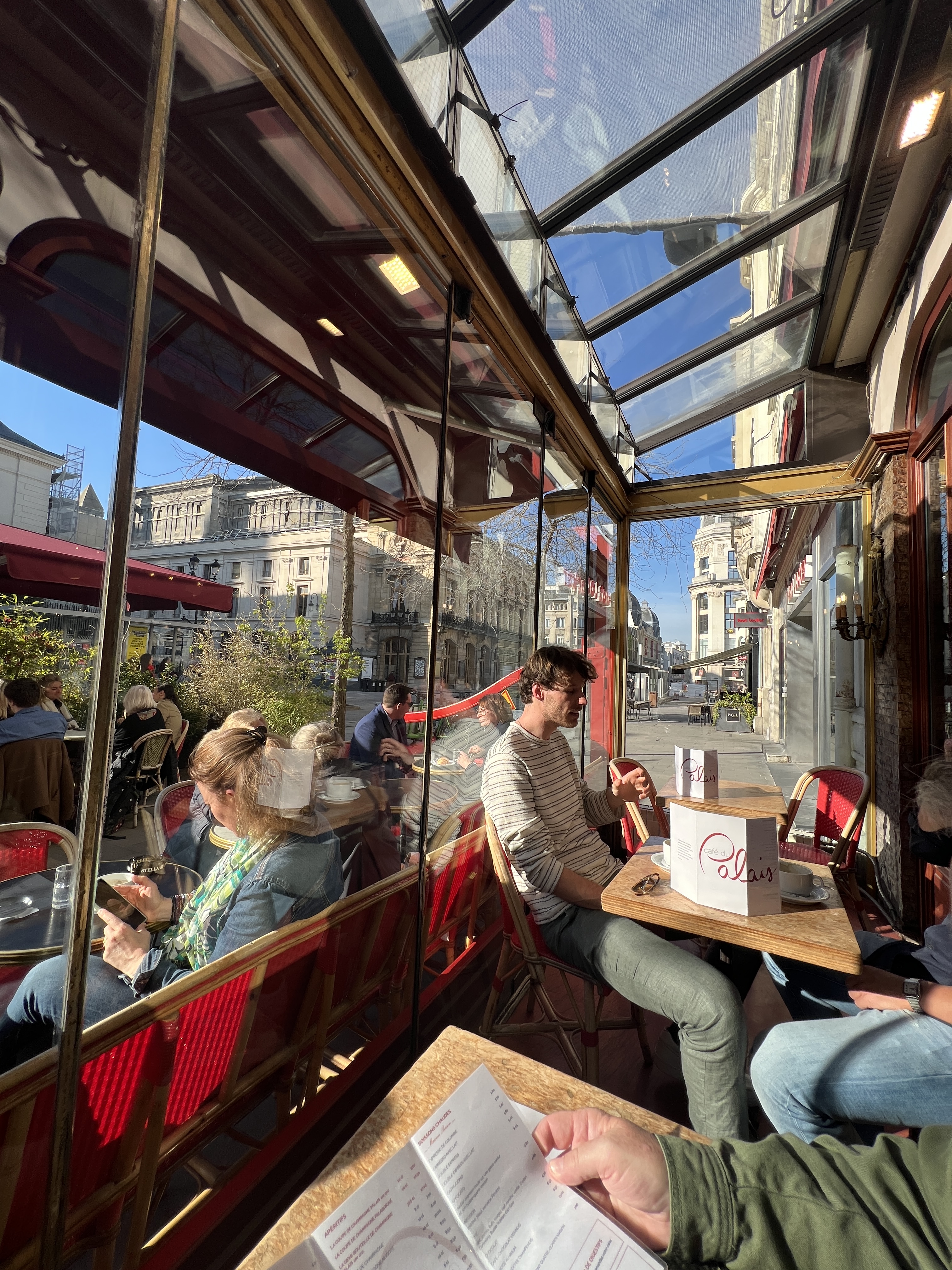
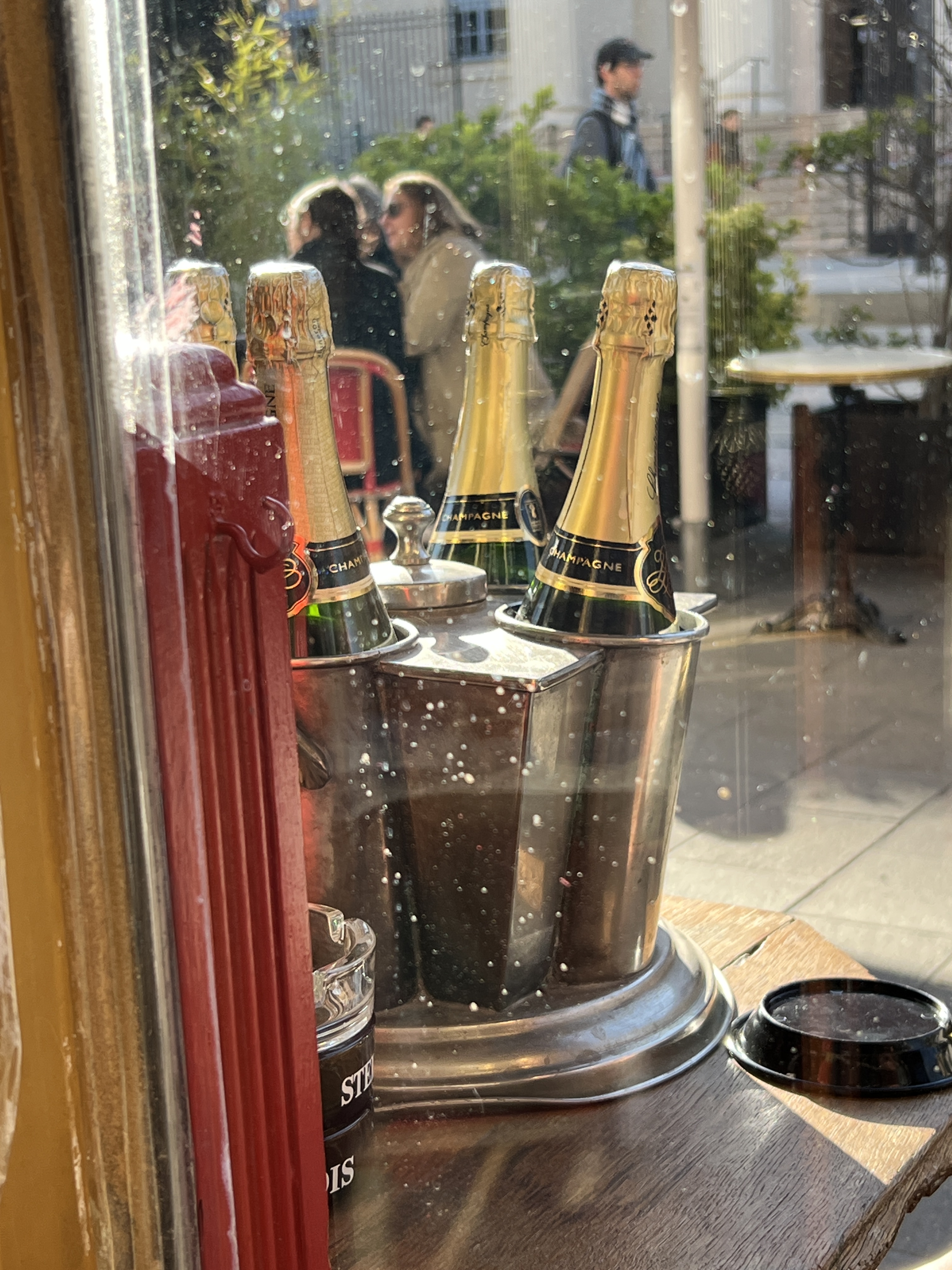
Our first stop in Reims, was a lovely cafe that served brunch. The cafe was called Café du Palais. I loved reading the history of the cafe. Also, the art was captivating with the rich colors. Make sure you go inside the cafe!


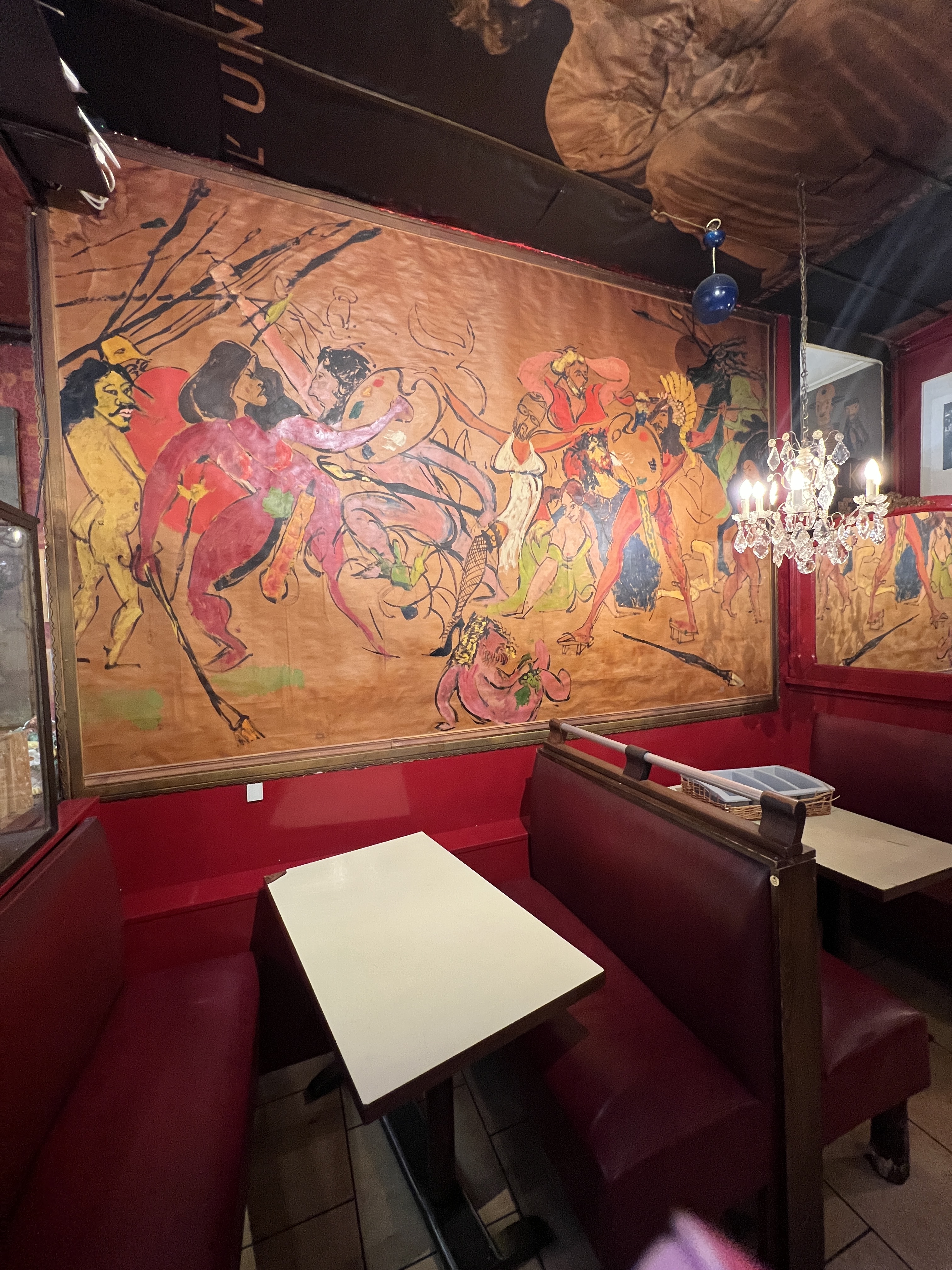

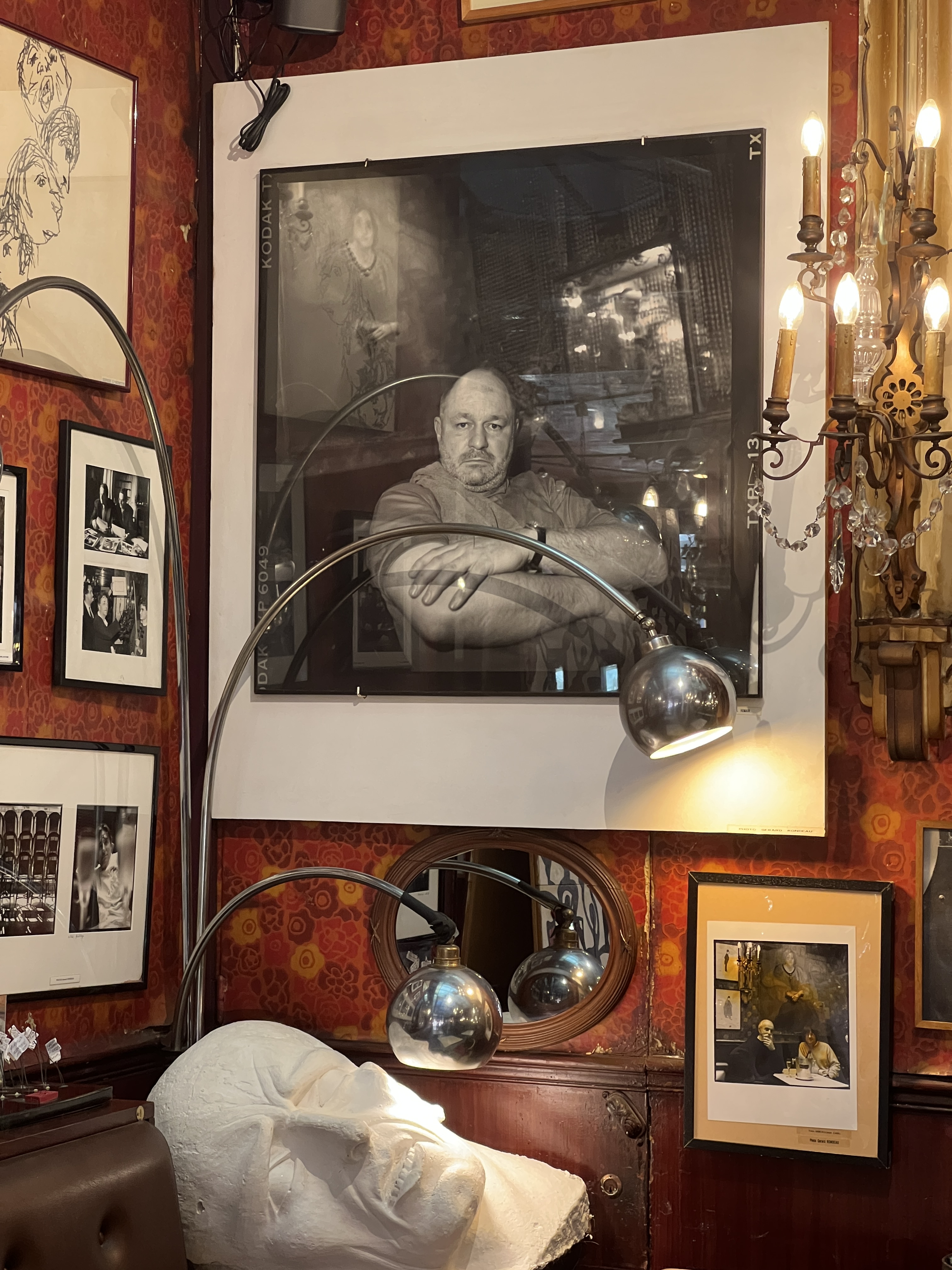
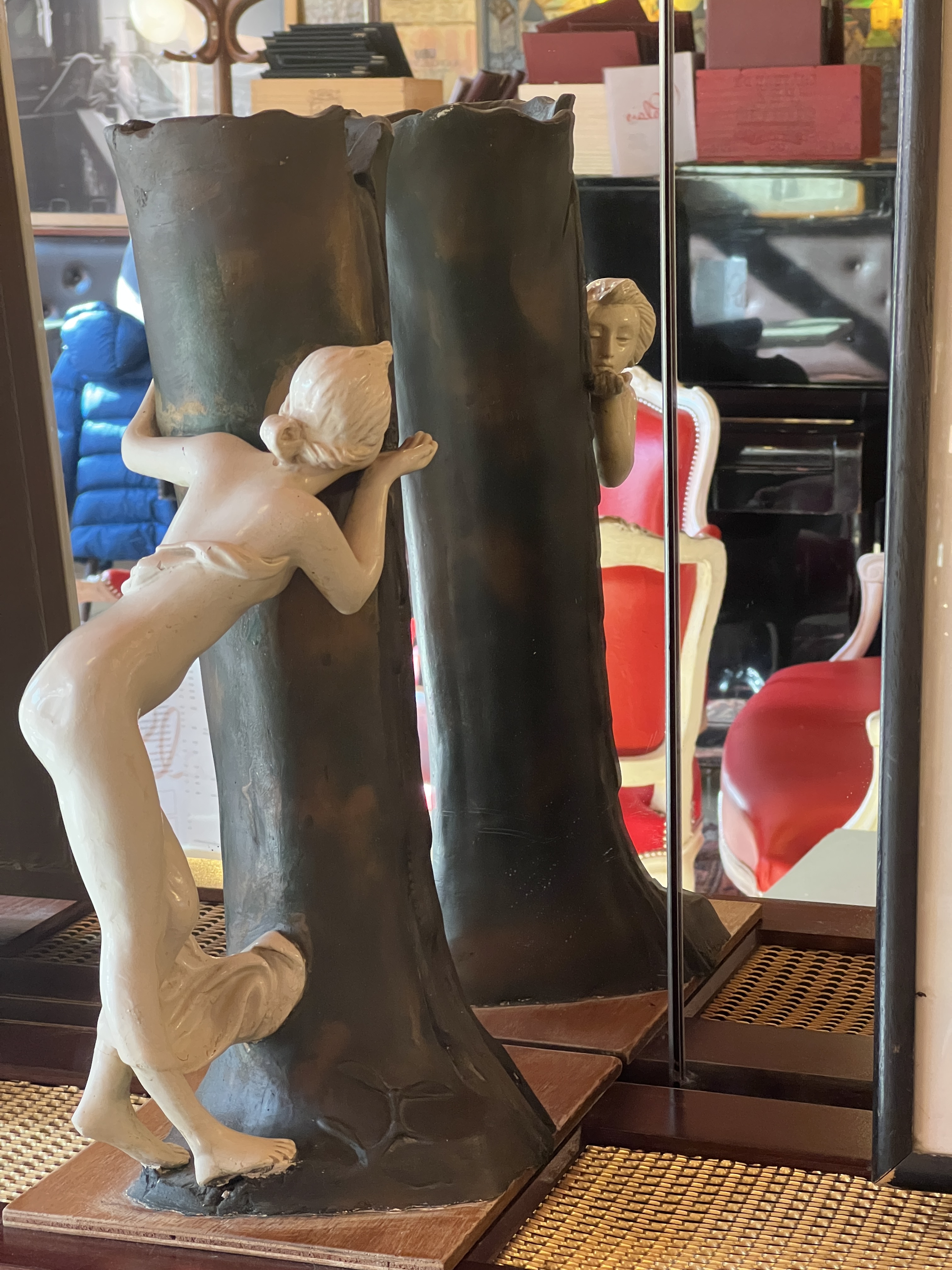

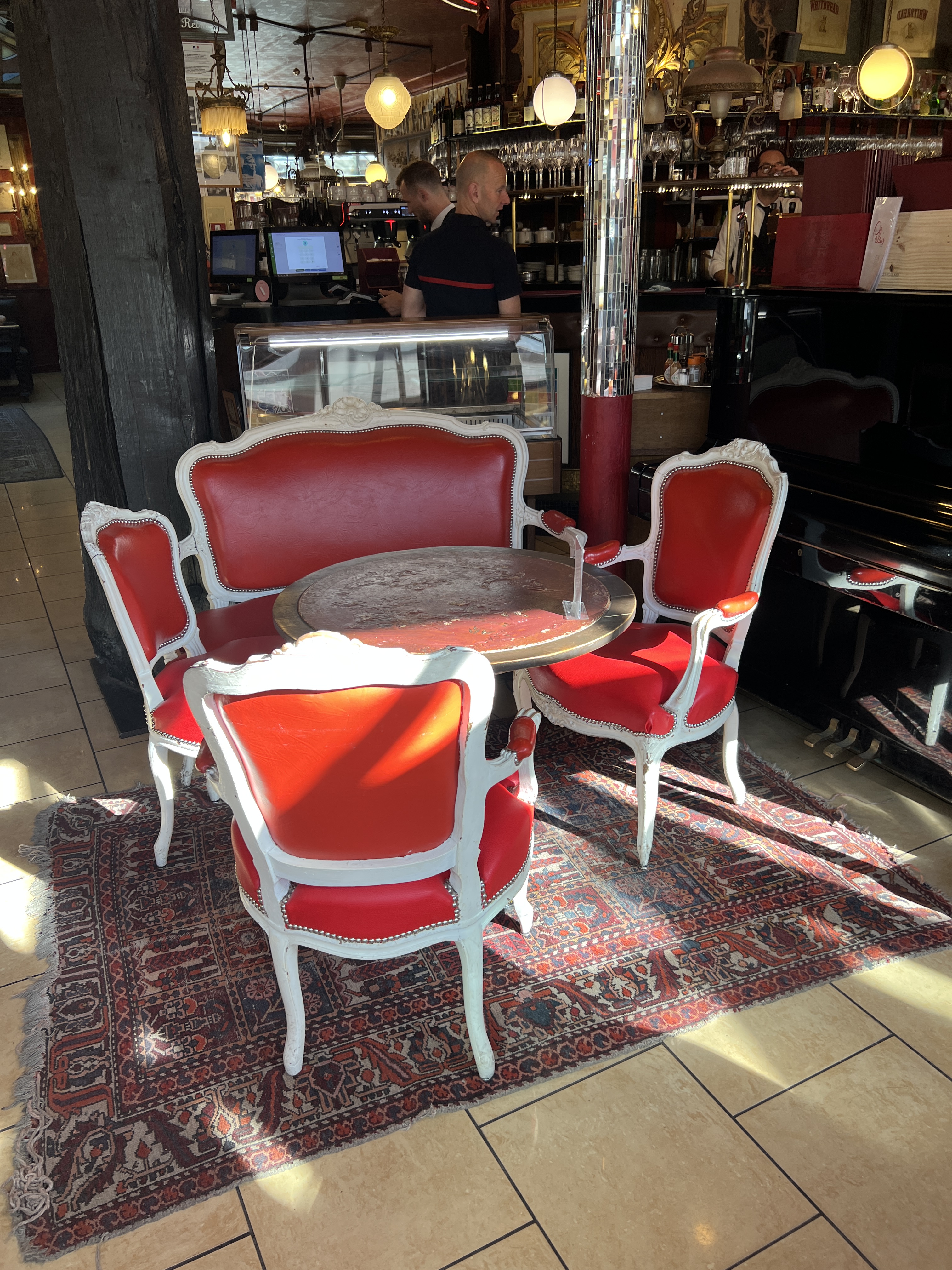


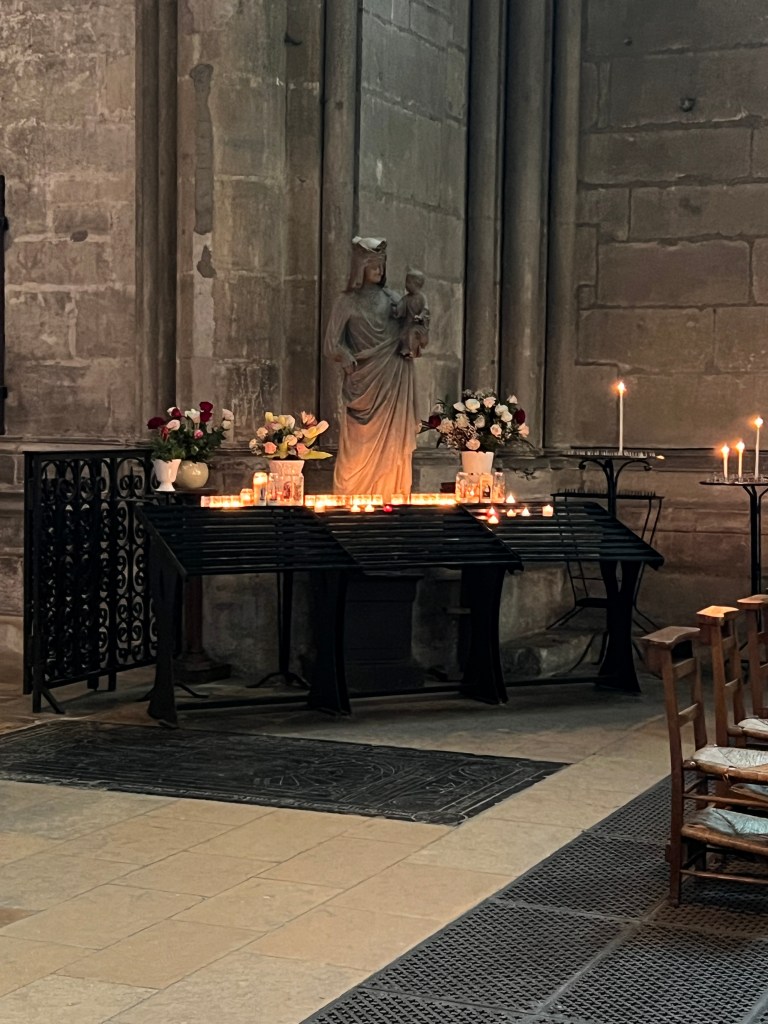
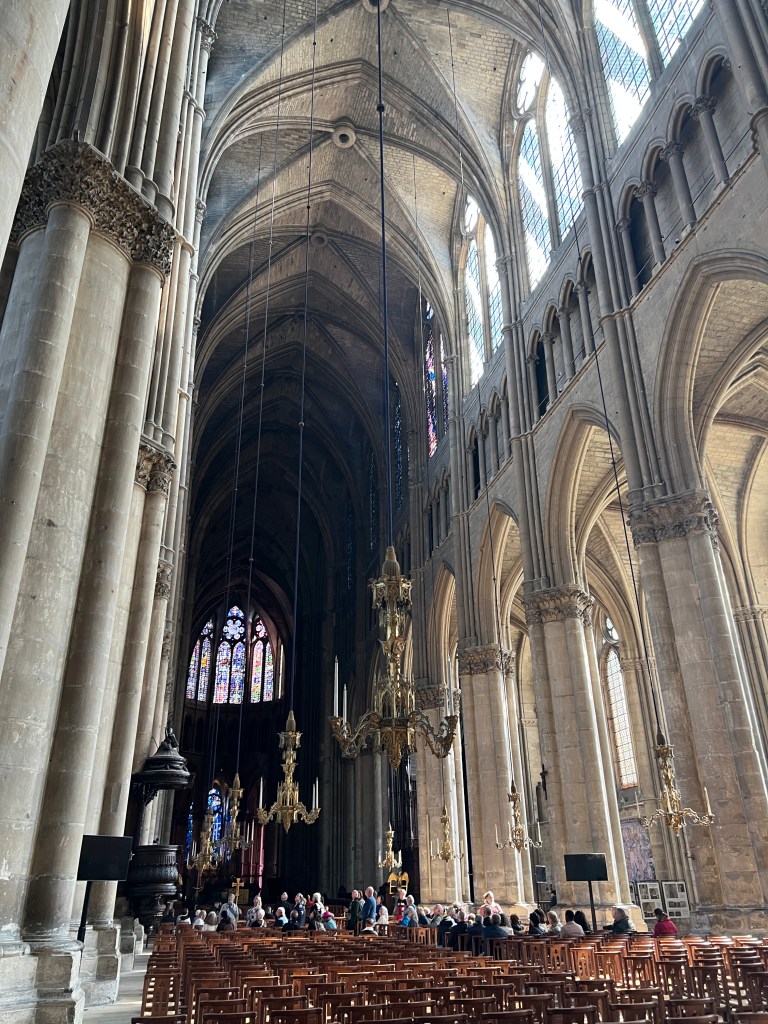
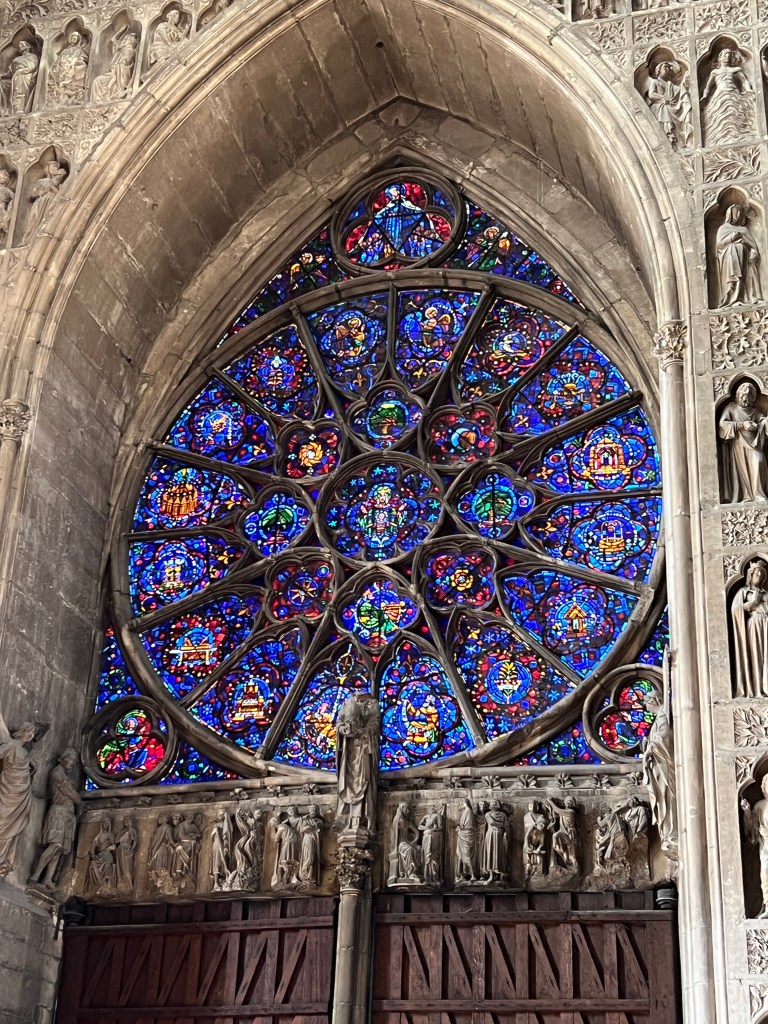
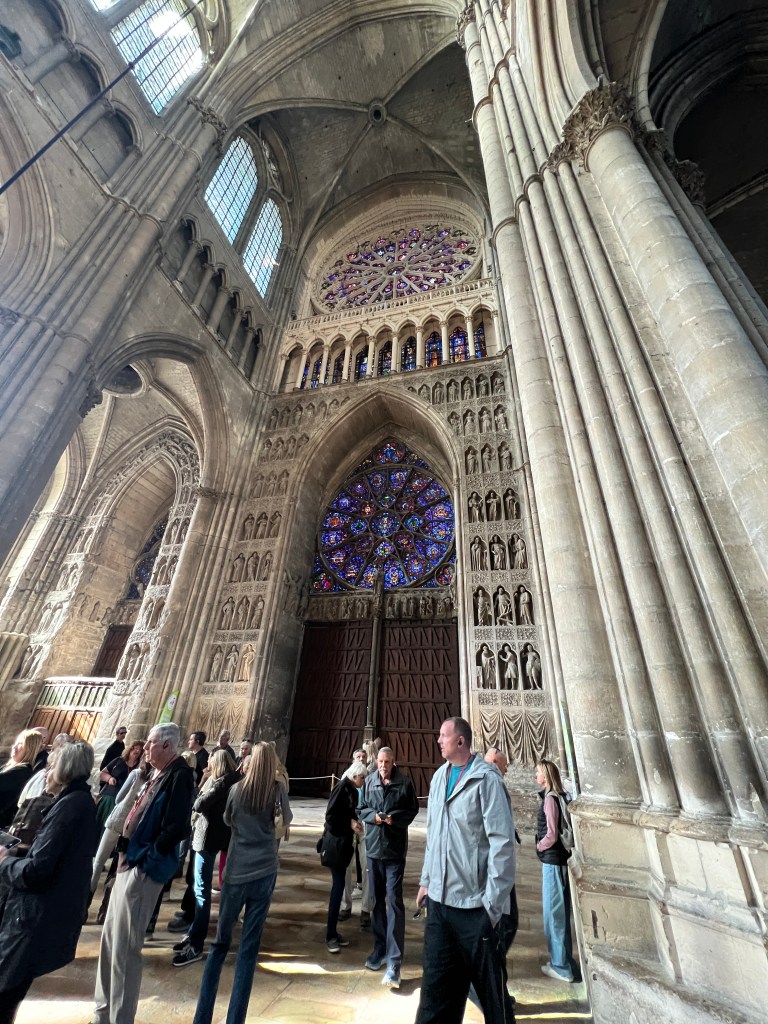
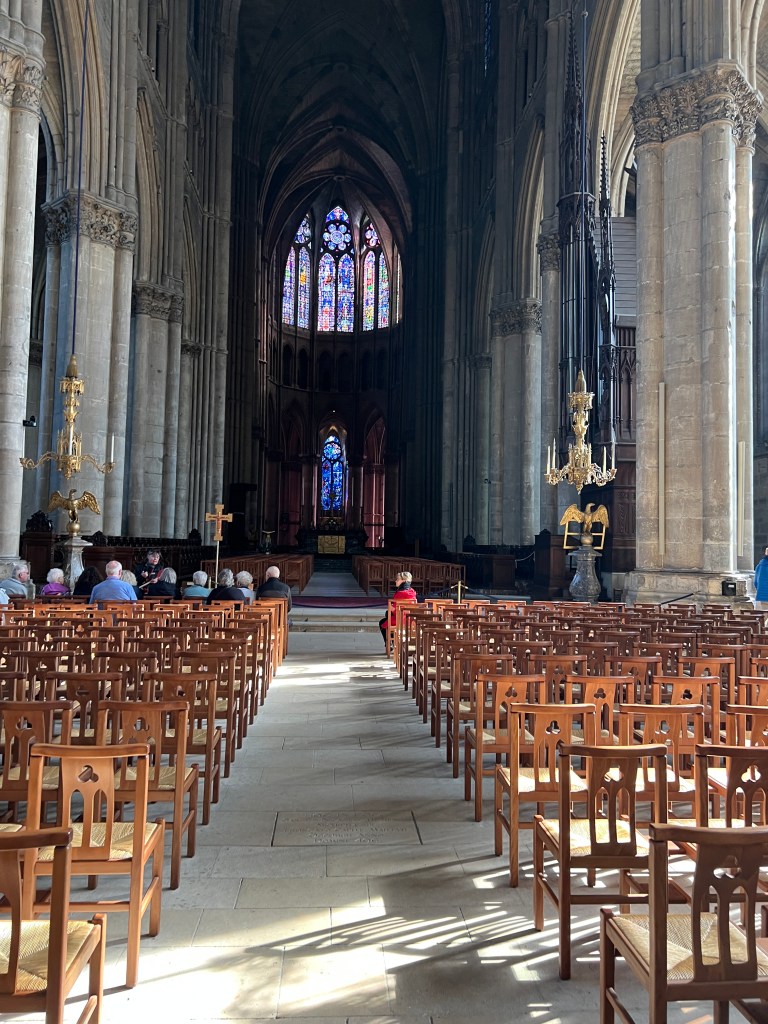
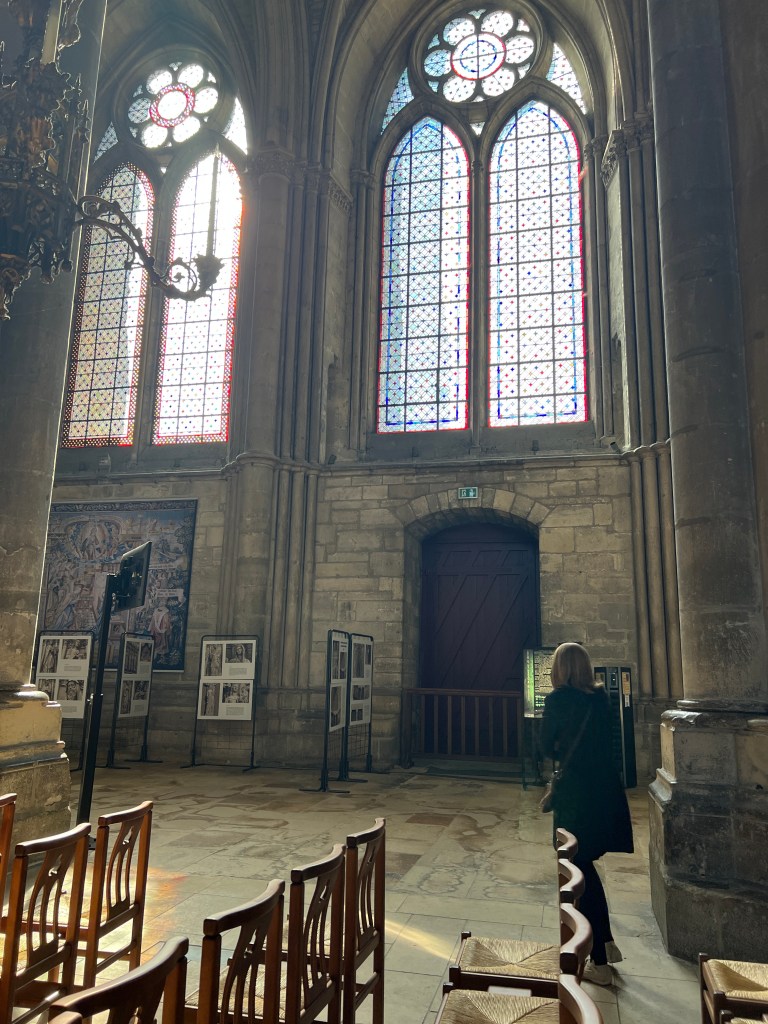
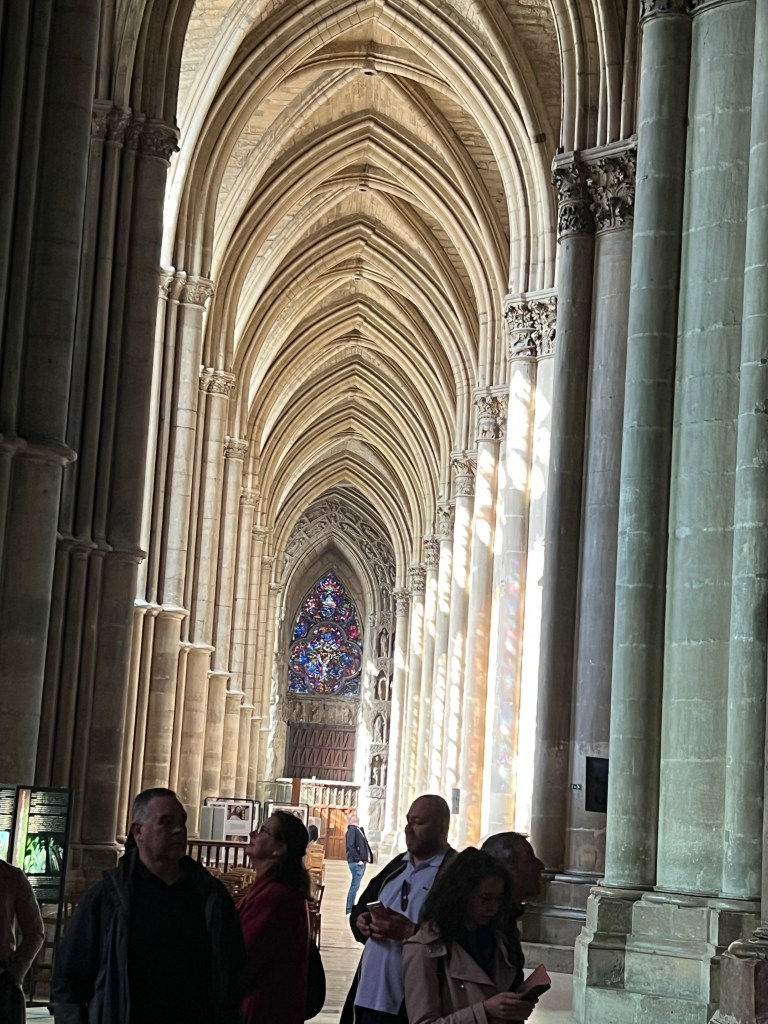
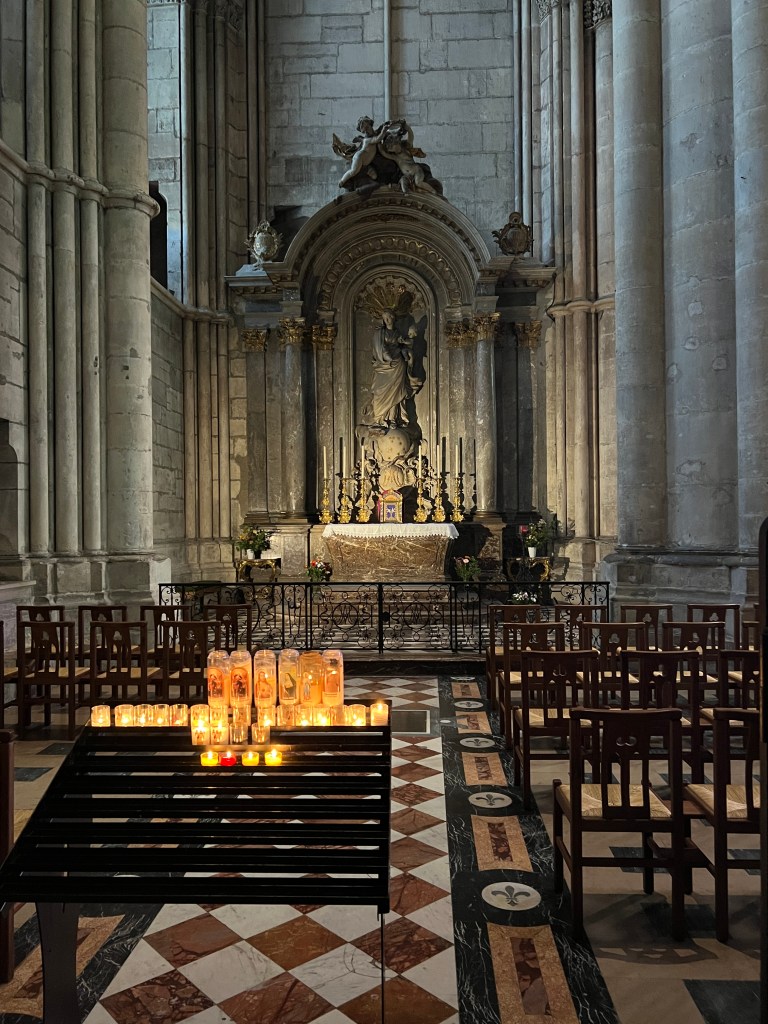
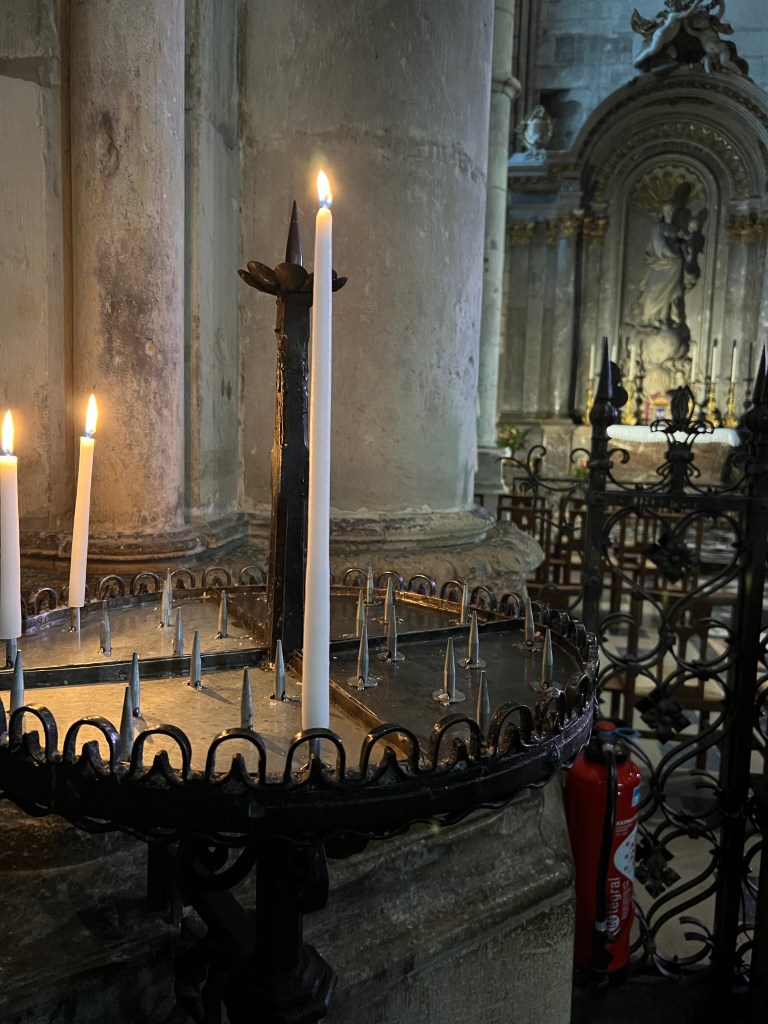
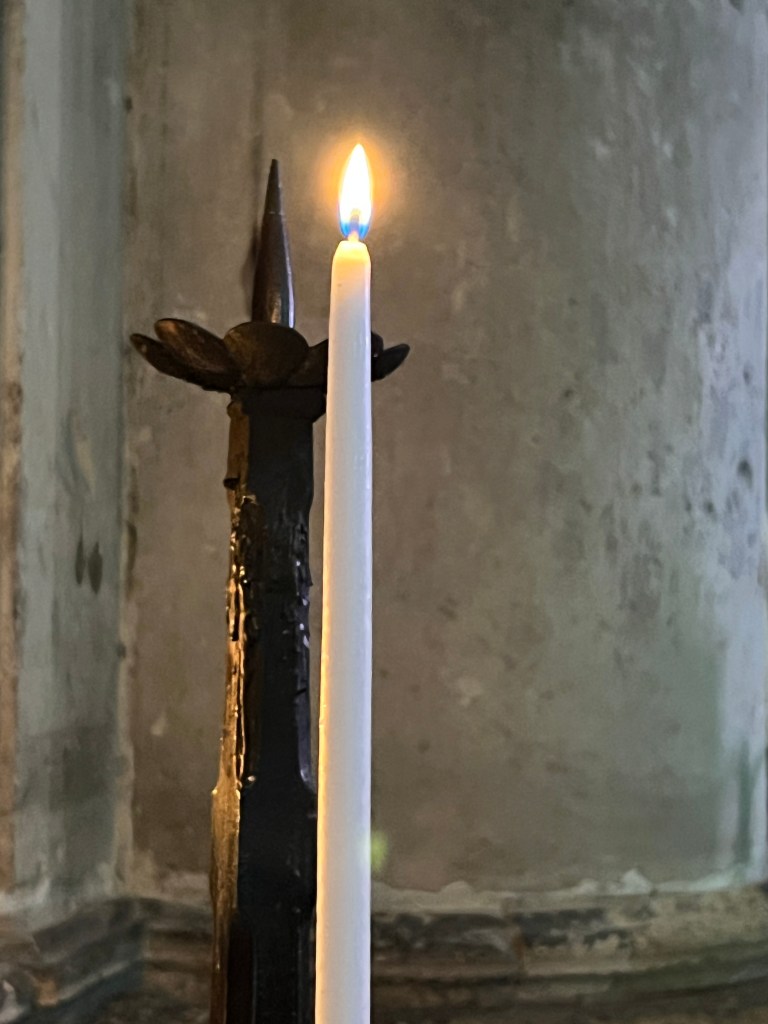
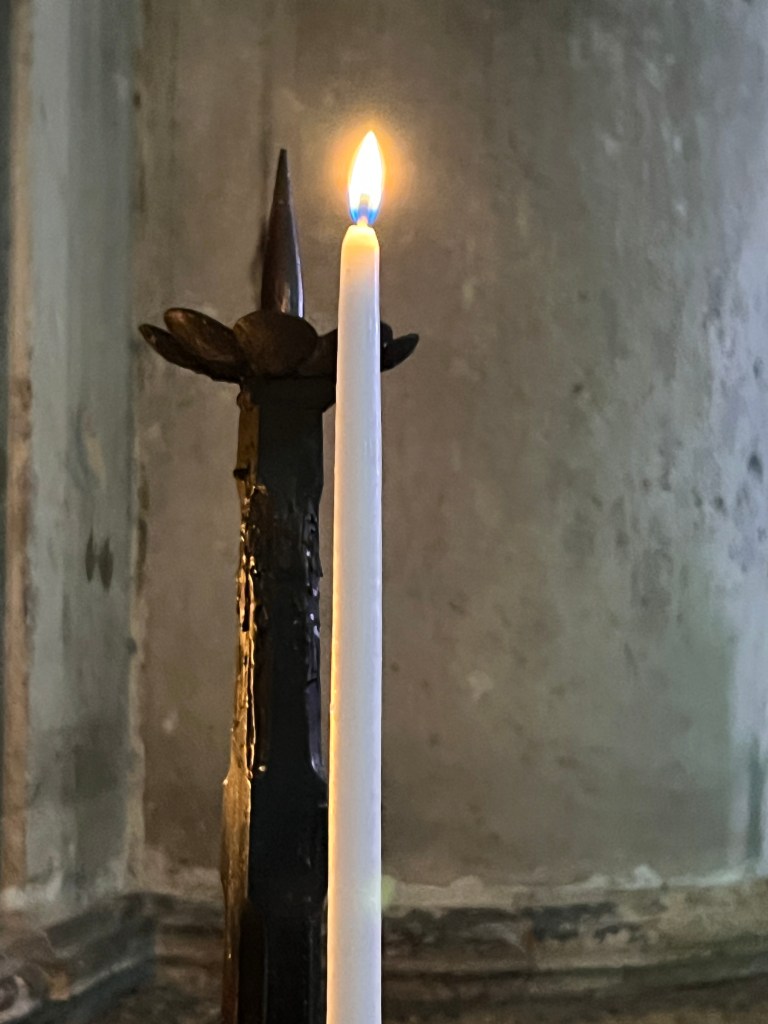
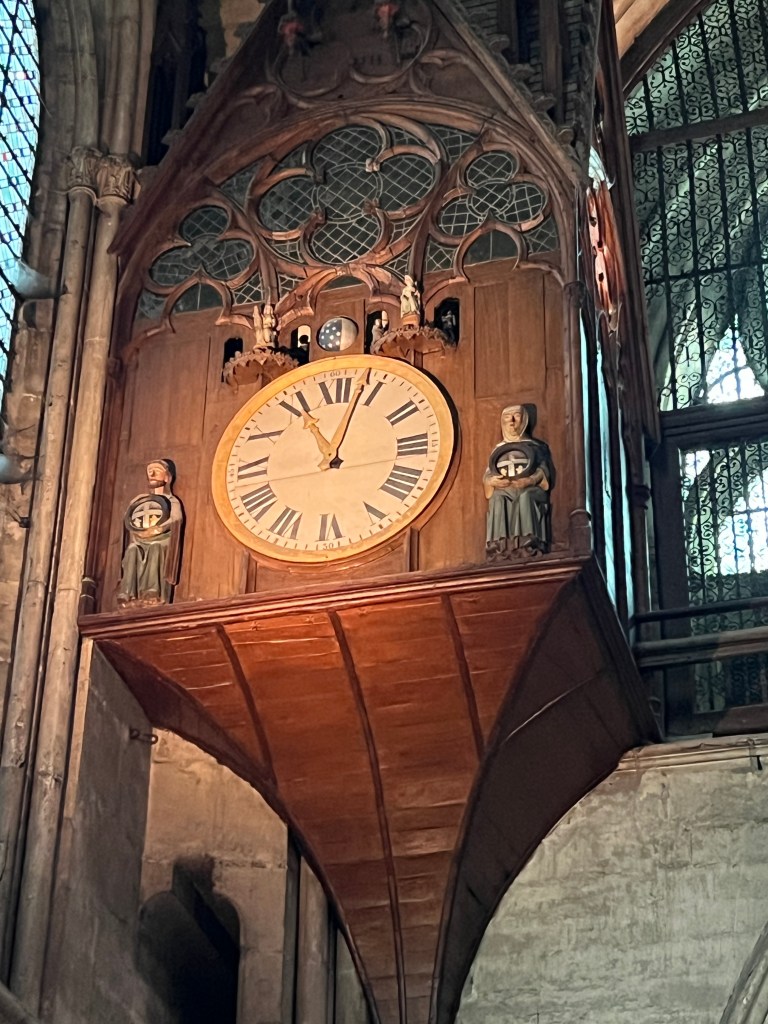
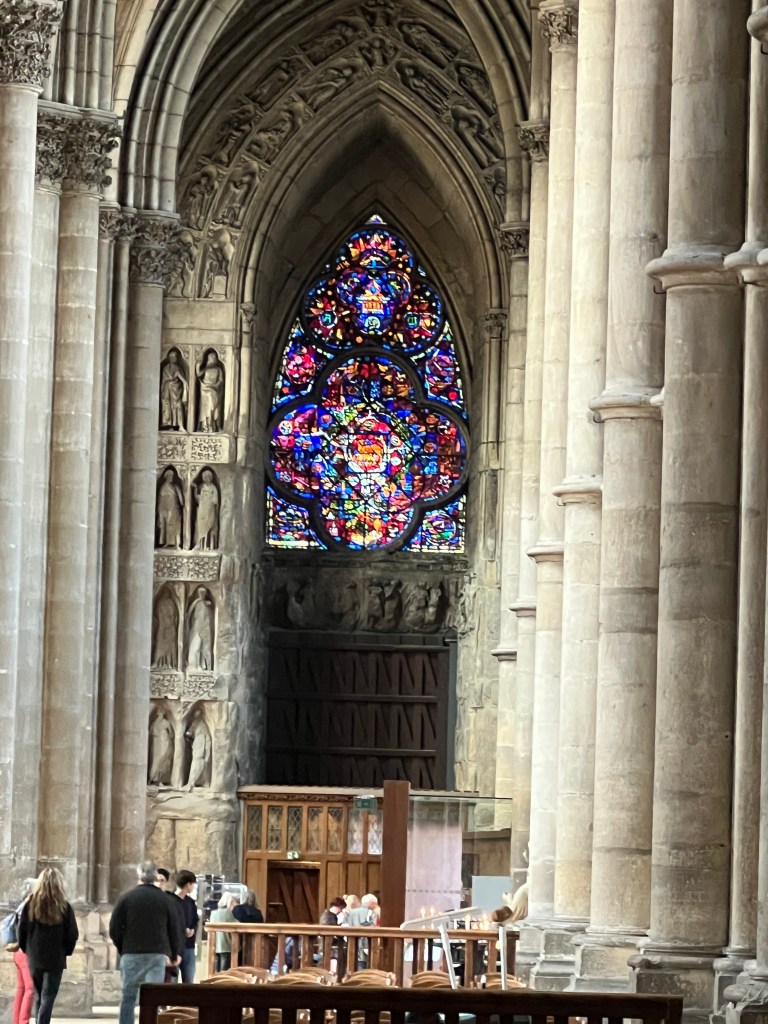
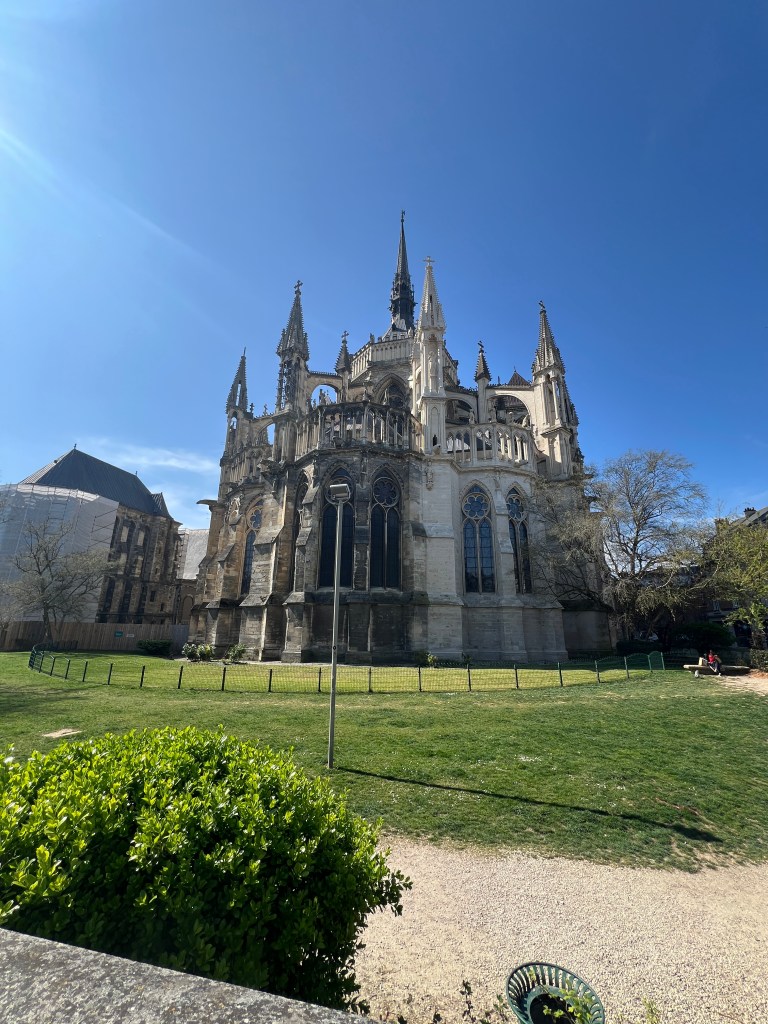
After our brunch, we visited the famous Notre-Dame de Reims Cathedral. This cathedral was breathtakingly beautiful and awe-inspiring. You do not want to miss spending time inside the cathedral, where you have many opportunities to light a candle and pray, which we stopped to experience as a couple.
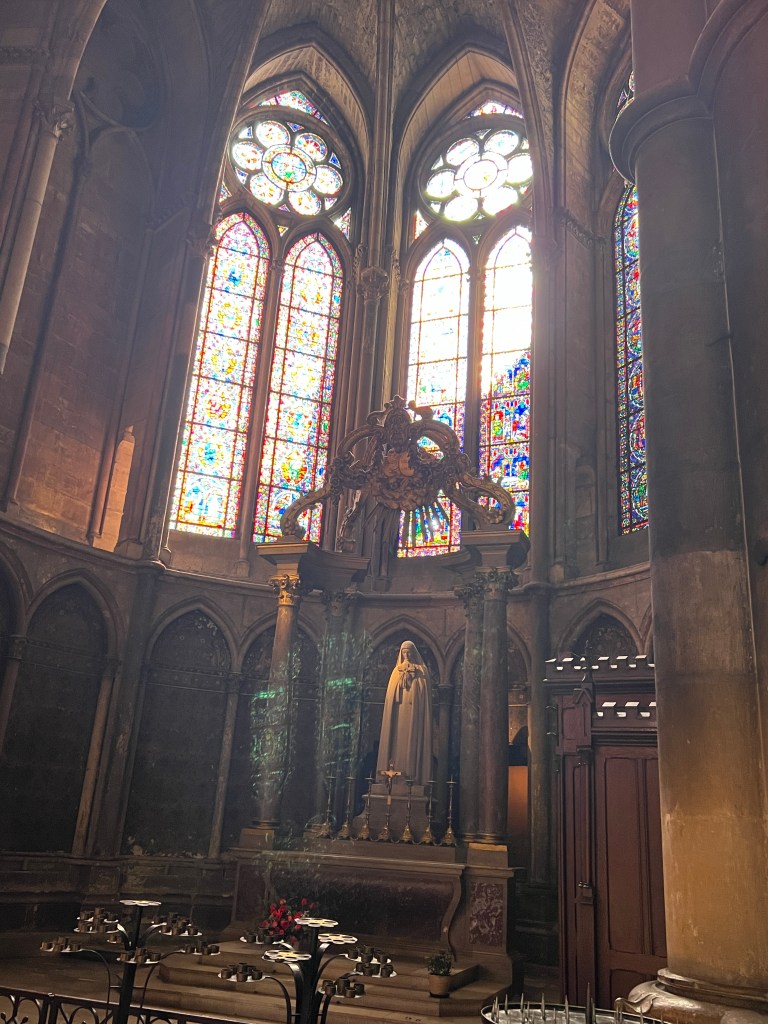
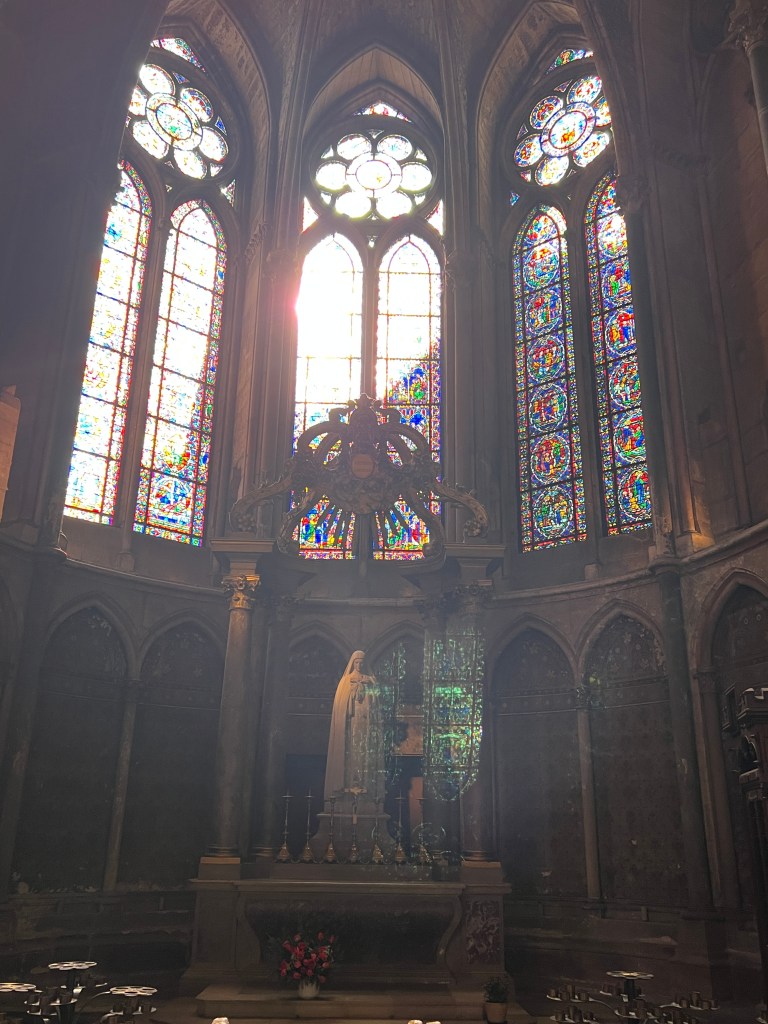


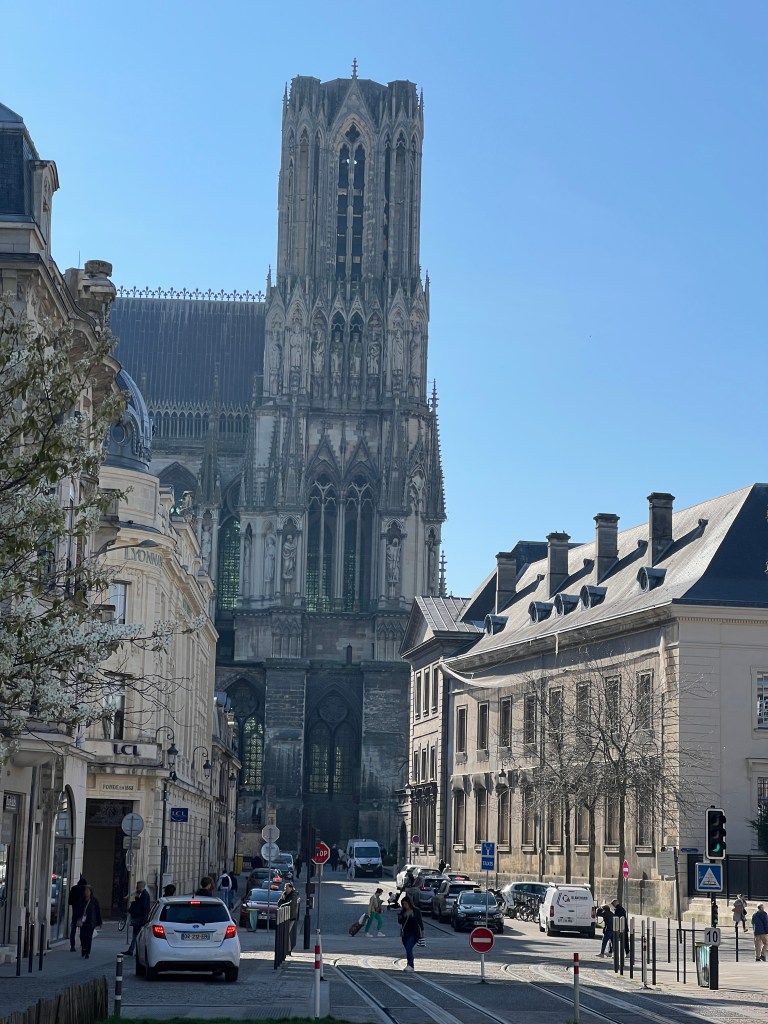








Our Champagne Tours
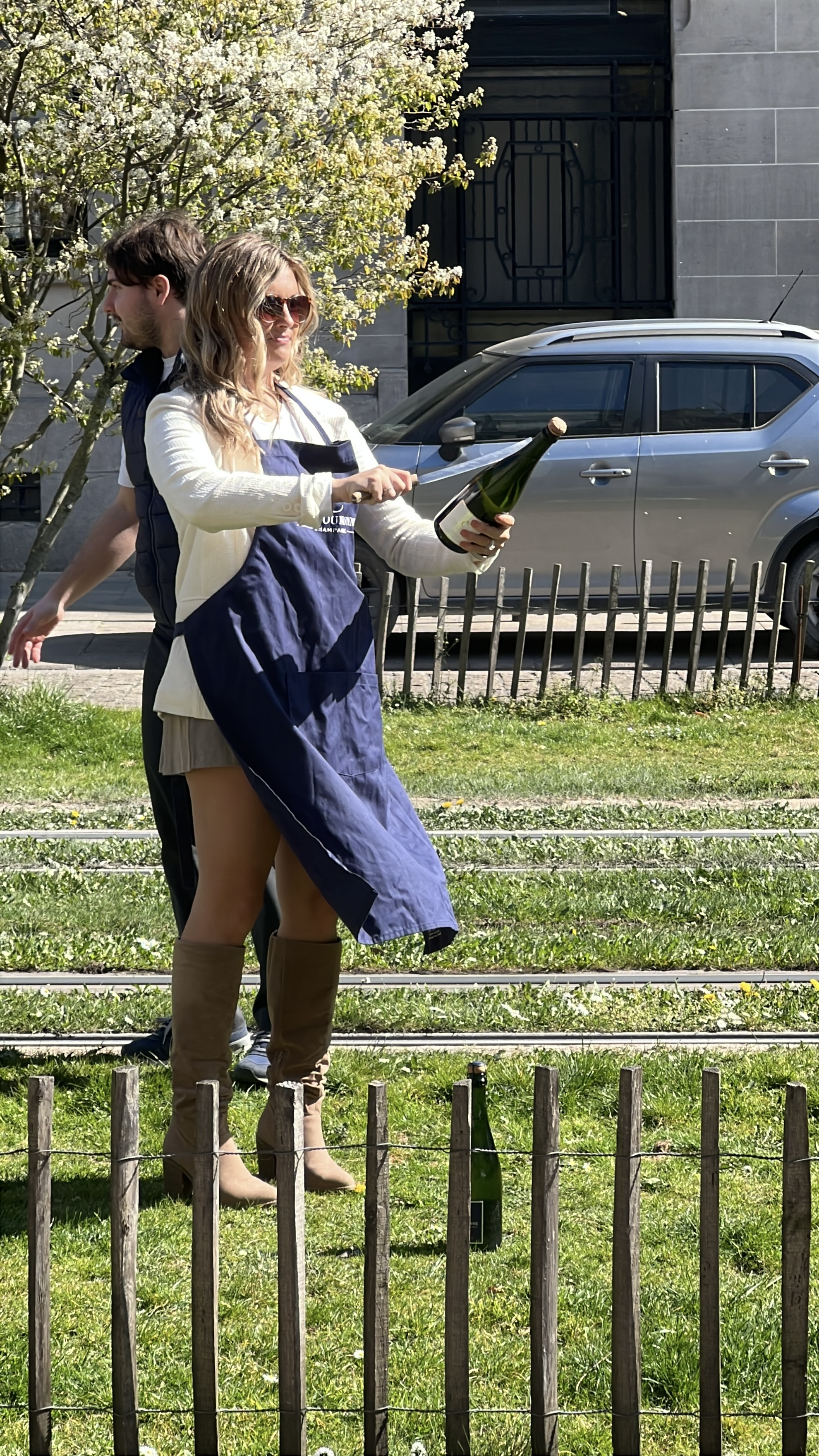
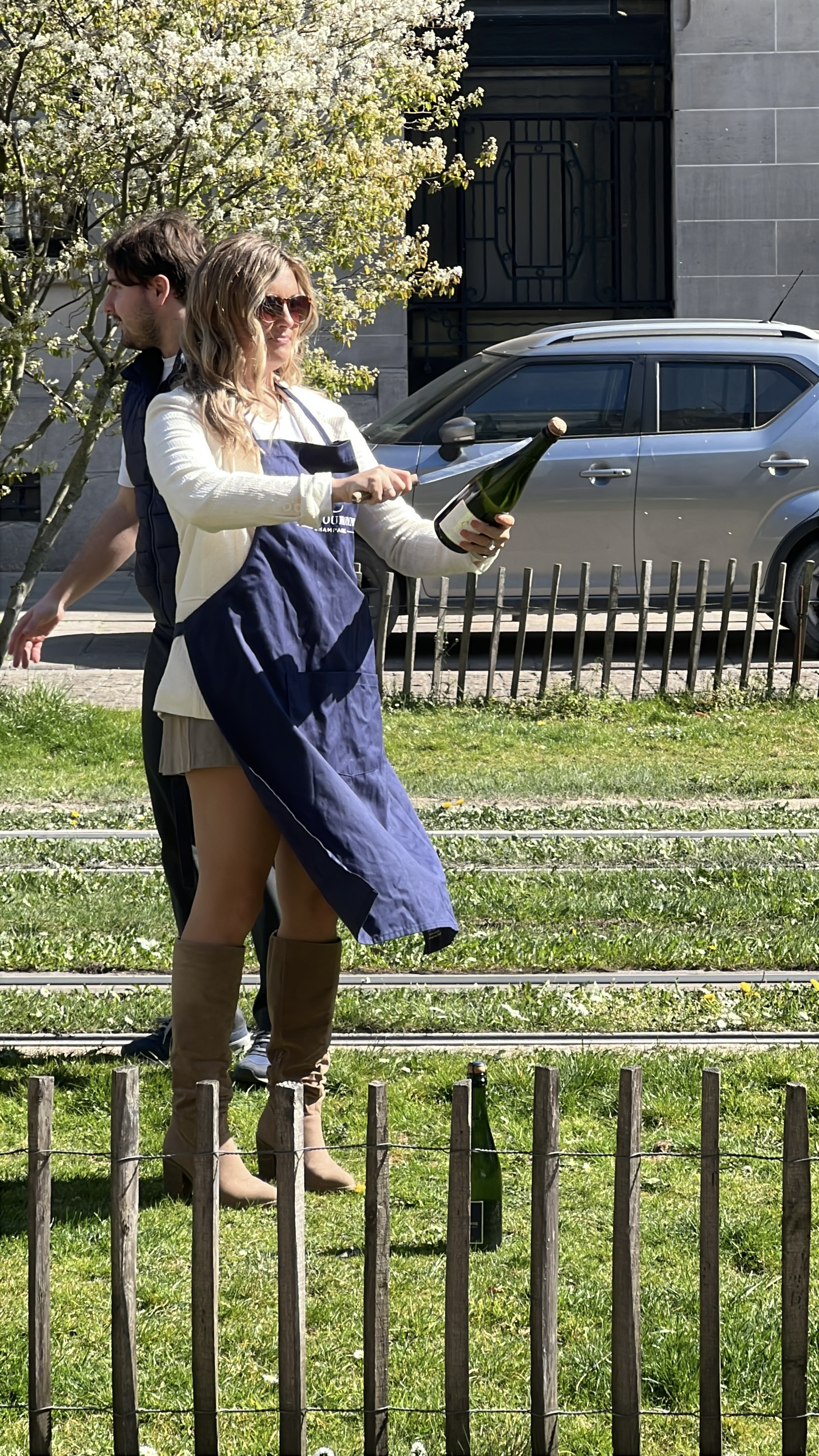
Champagne Pol Couronne A modern Champagne experience in the heart of Reims. They open at 11:00, so we ventured here first, and we were fortunate enough to watch a mother/daughter experience the saber opening of a champagne bottle. Champagne sabering, or sabrage, is the practice of opening a champagne bottle using a saber or knife by striking the bottle at the seam, which causes the cork and the rim of the bottle to break off. It’s a dramatic and visually impressive way to open a bottle, often used in celebratory occasions.
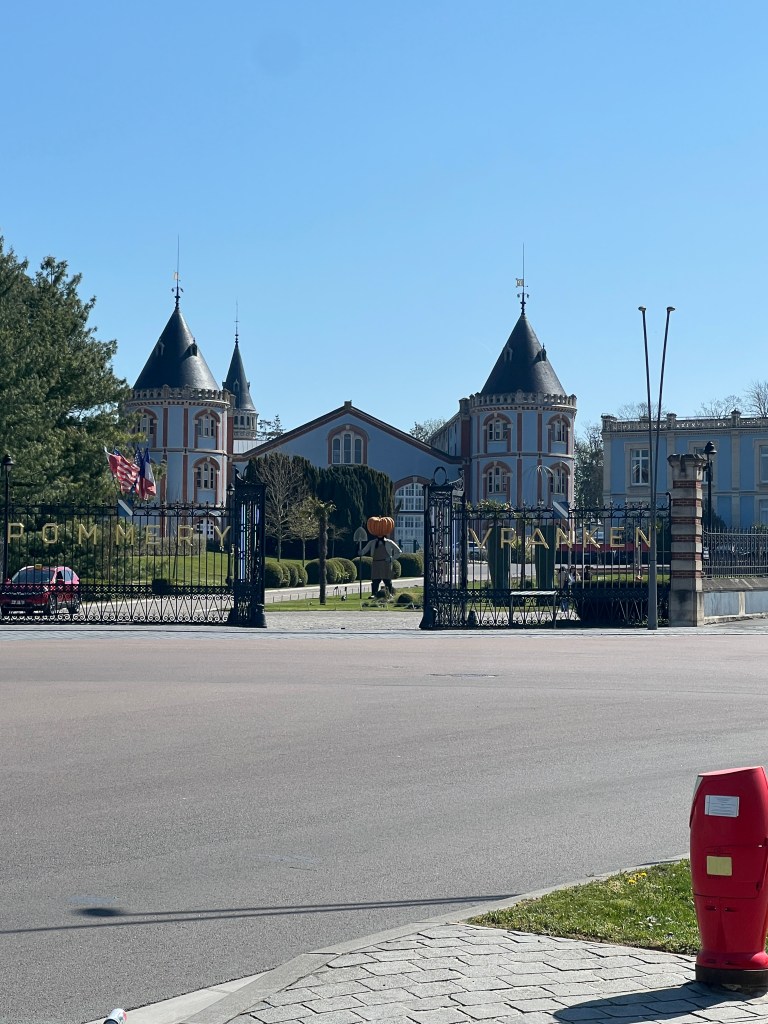
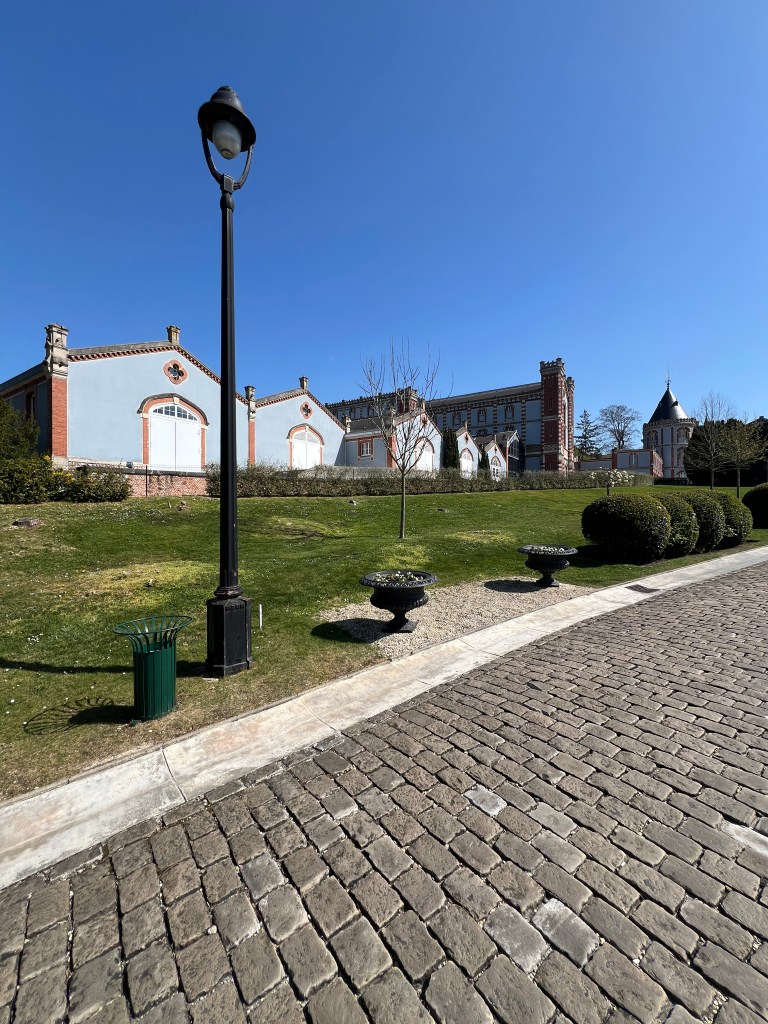
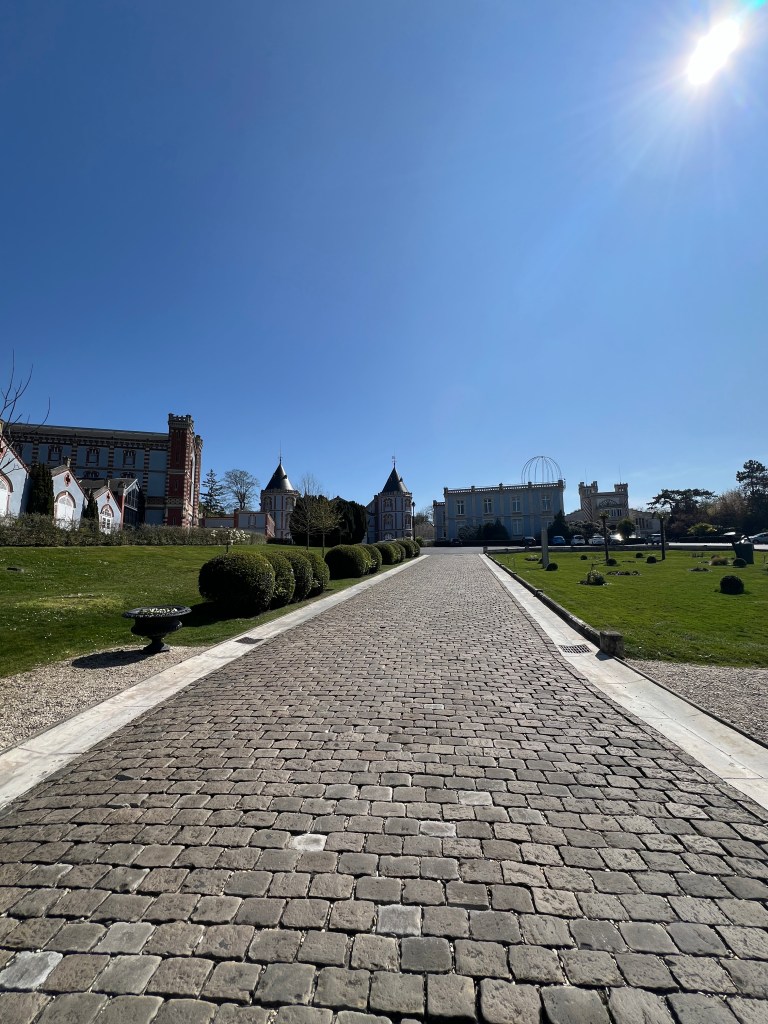
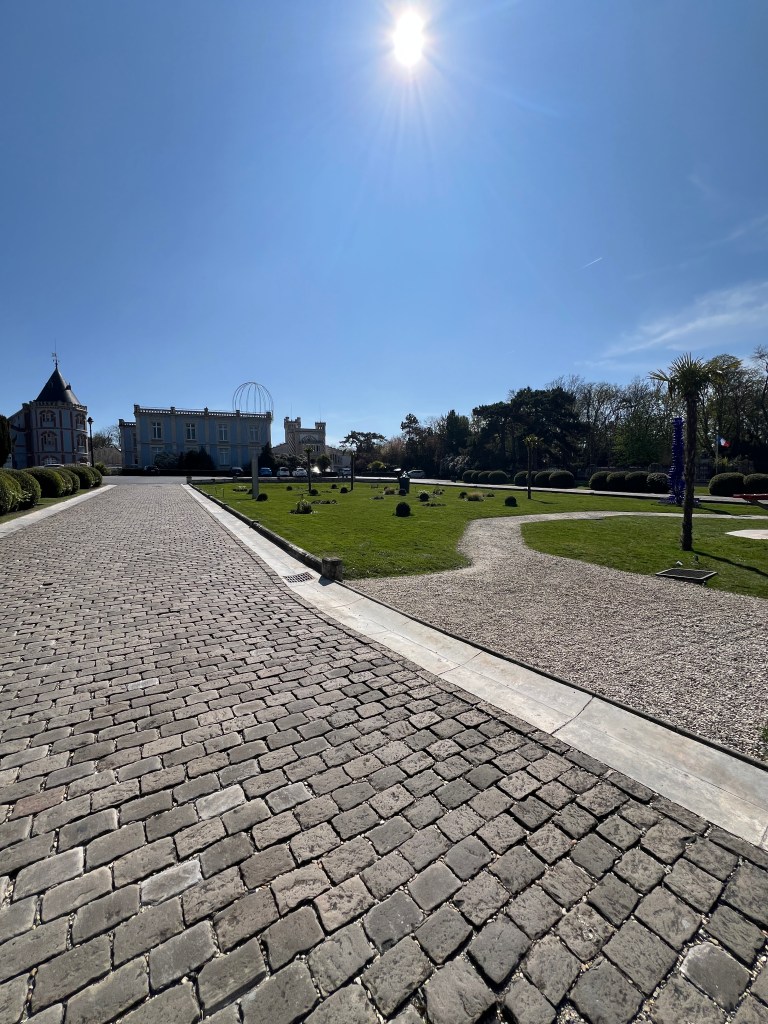
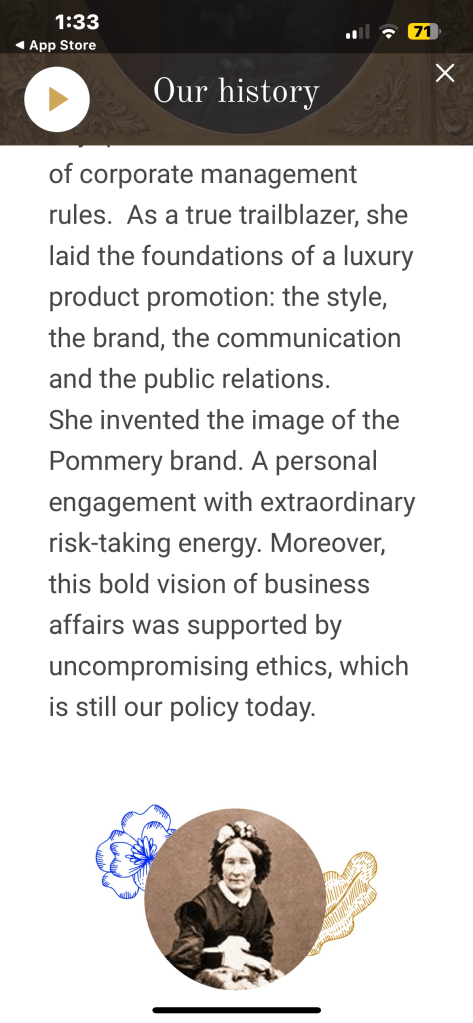
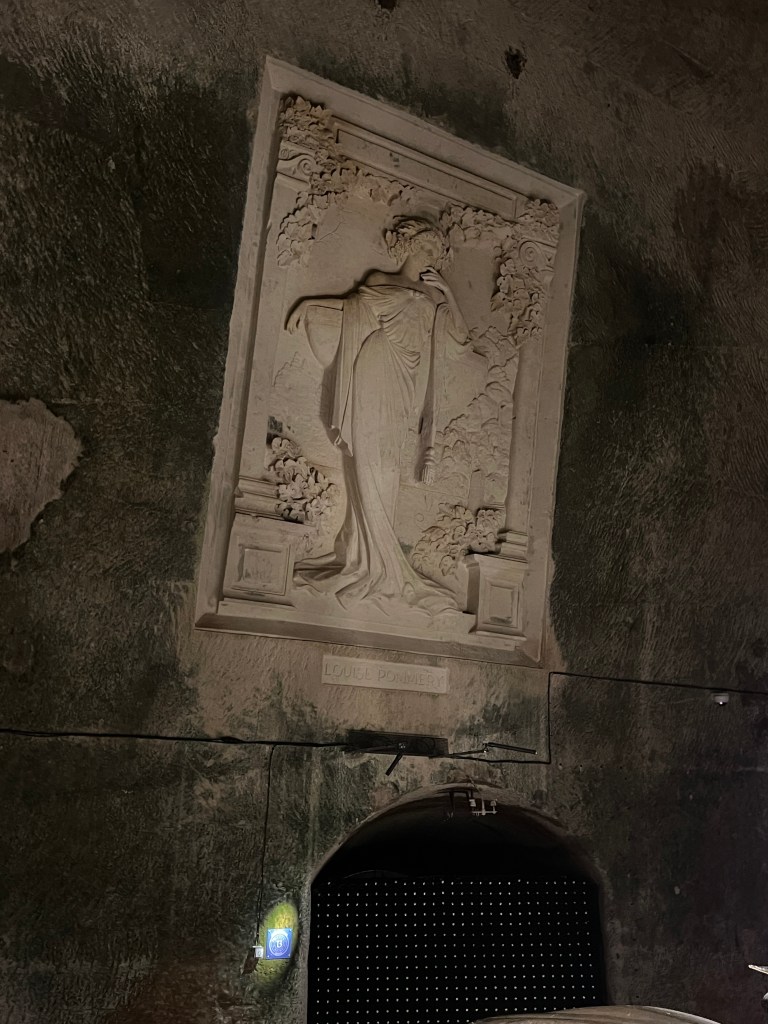
Vranken Pommery: Pommery Champagne House, located in Reims, France, is a historic estate known for its pioneering role in Champagne production. Founded in 1858 as Pommery & Greno, the house initially focused on wool trading before shifting entirely to Champagne under the leadership of Madame Louise Pommery. She revolutionized the industry by introducing Brut Champagne in 1874, breaking away from the tradition of overly sweet wines.
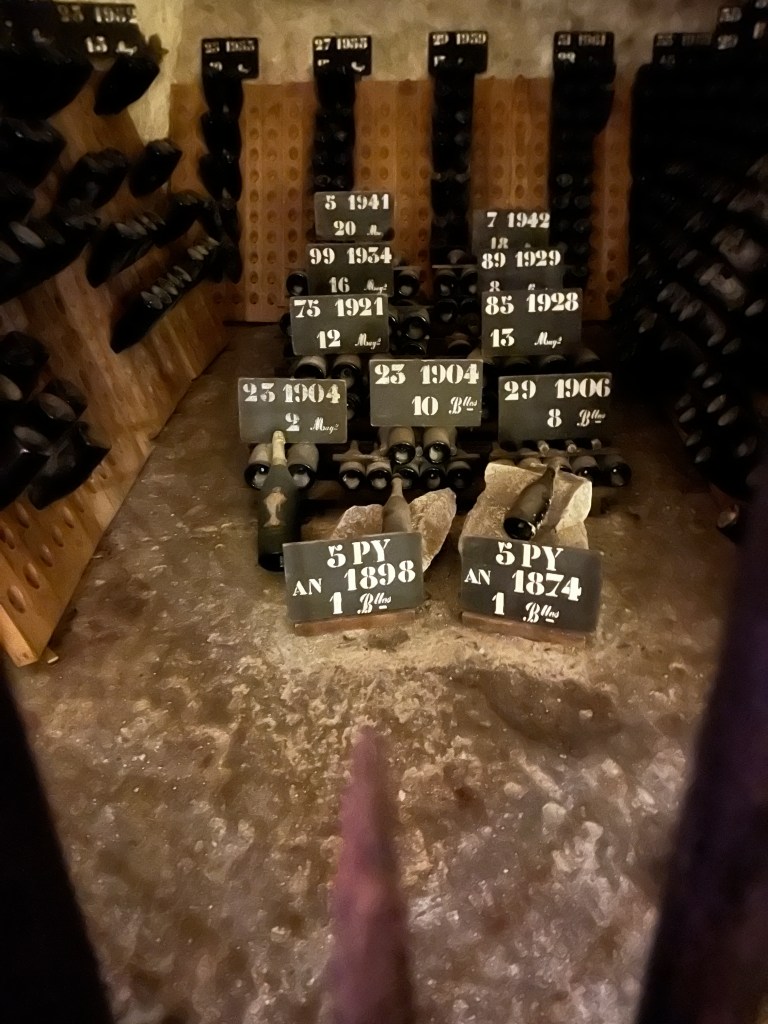
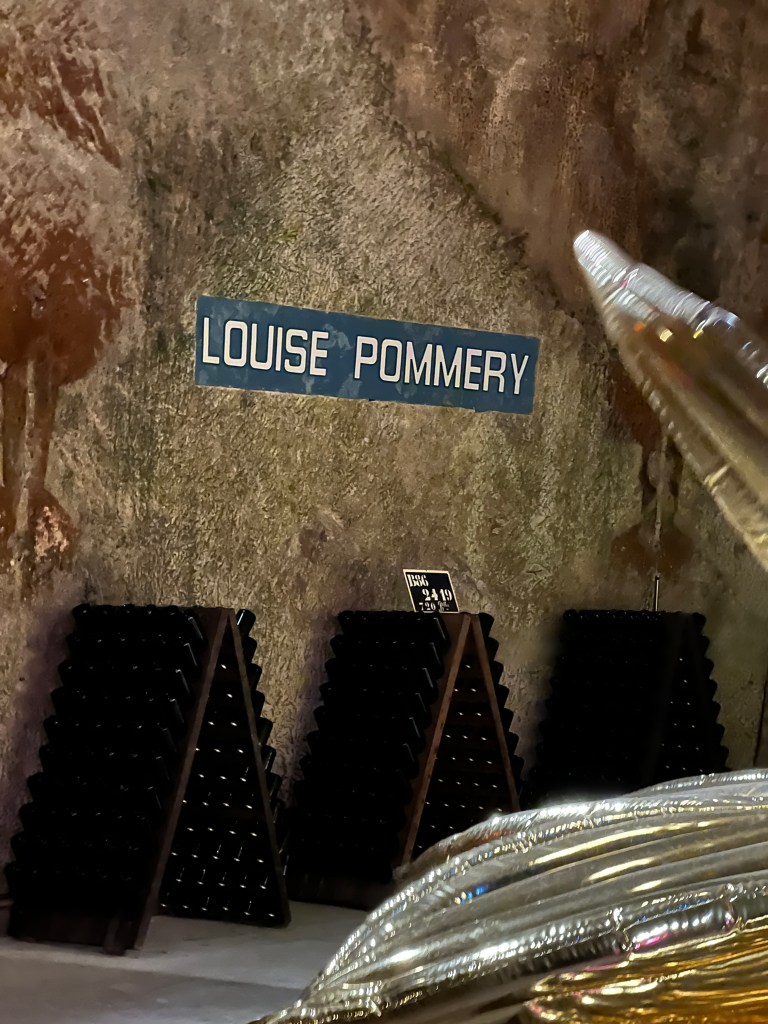
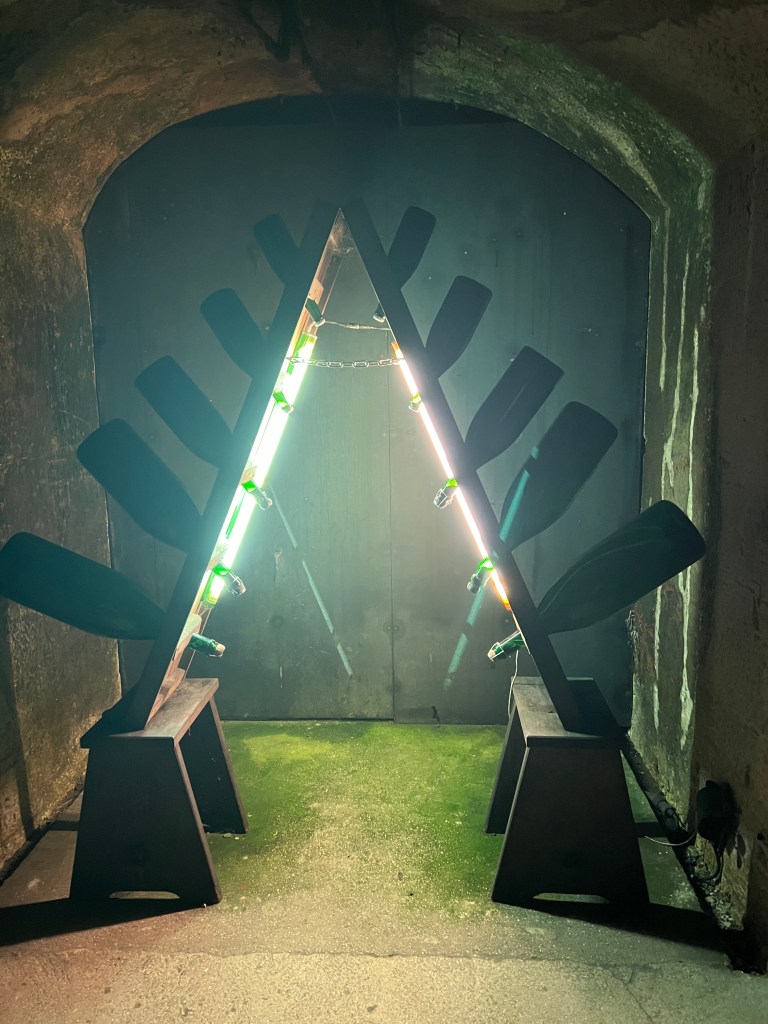
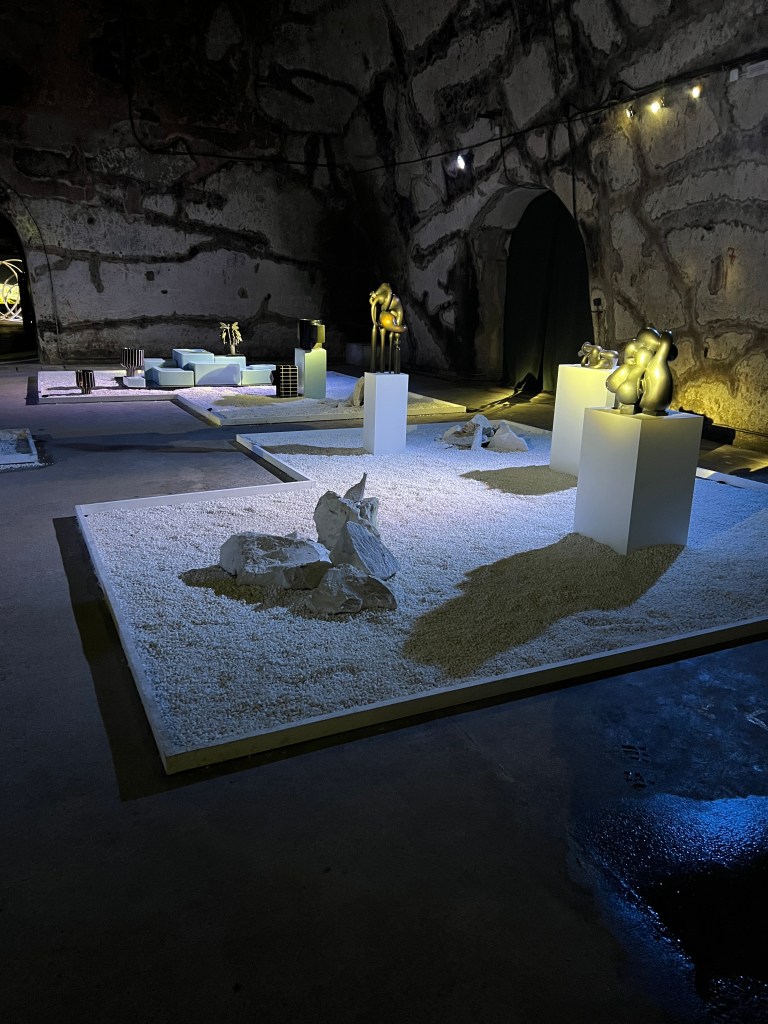
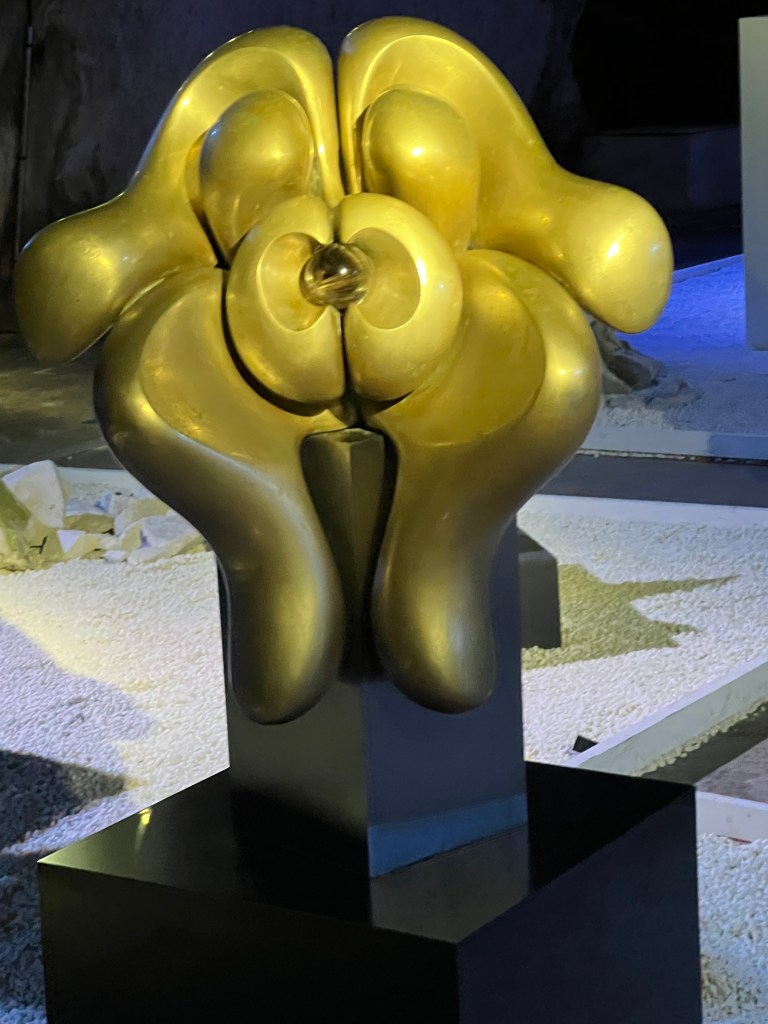
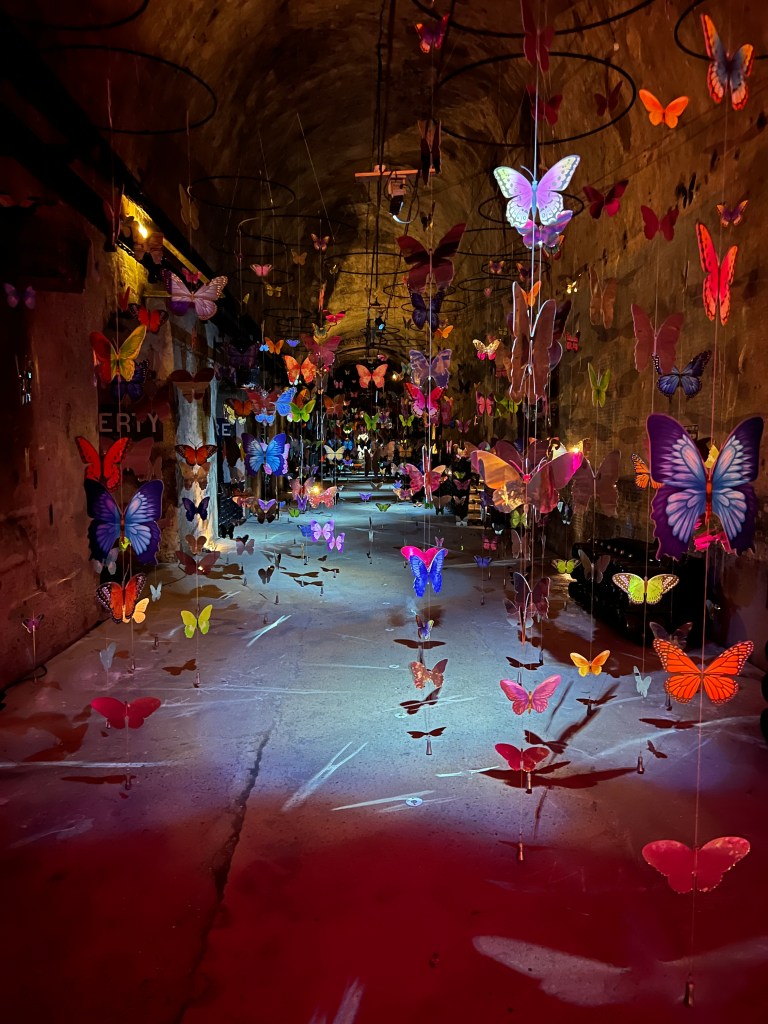
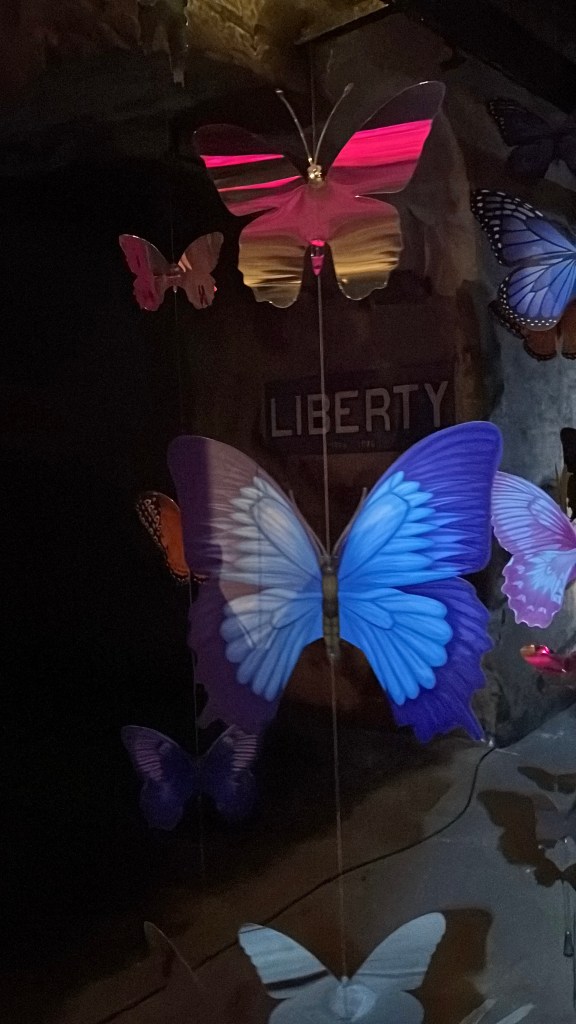
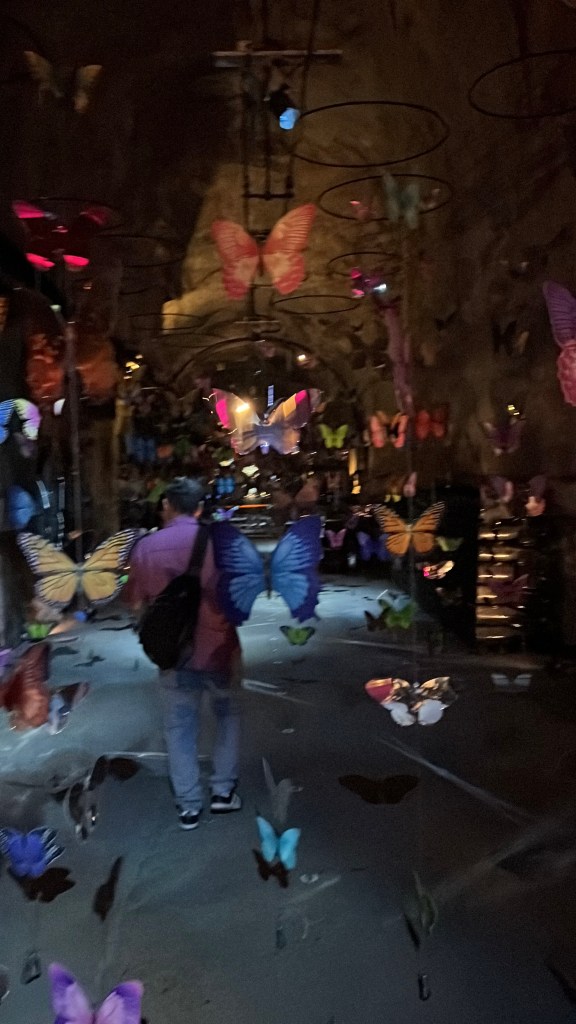
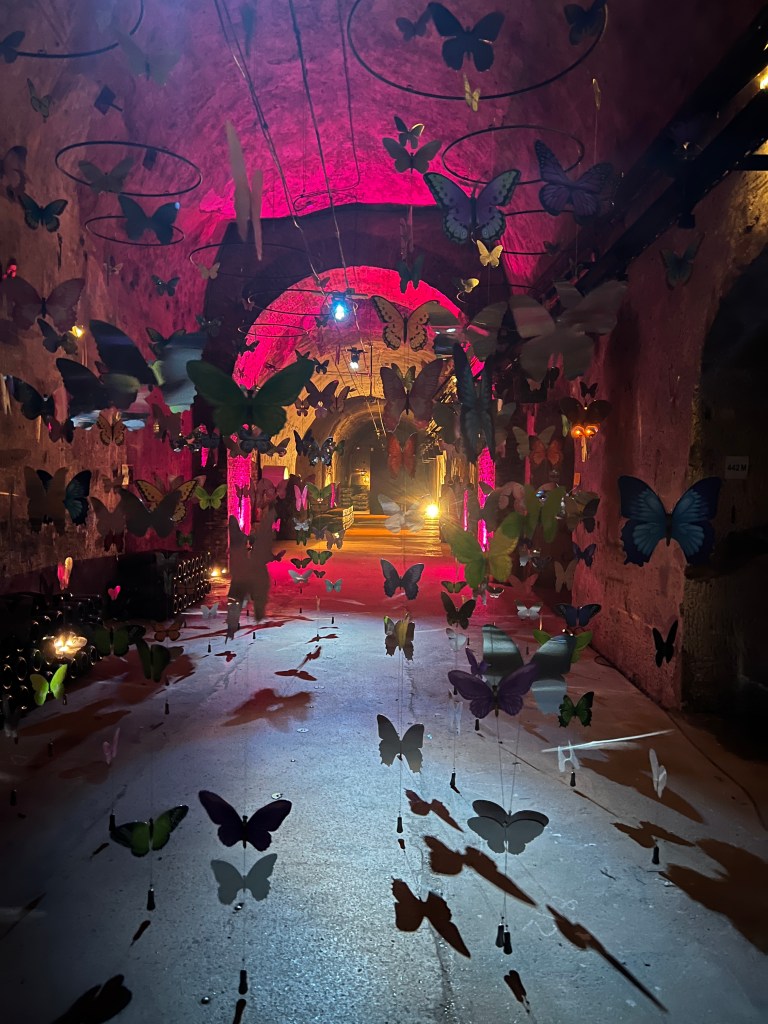
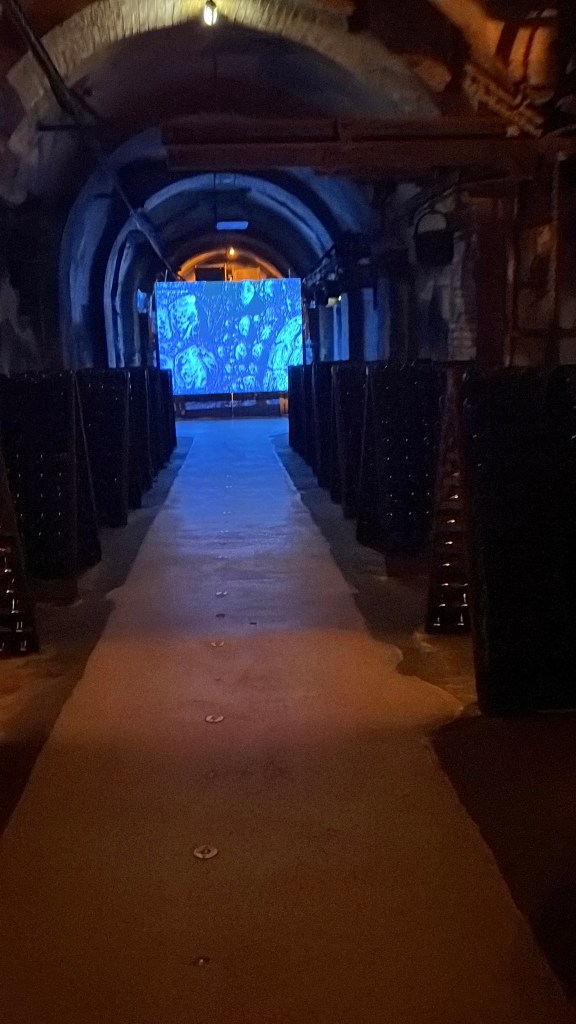
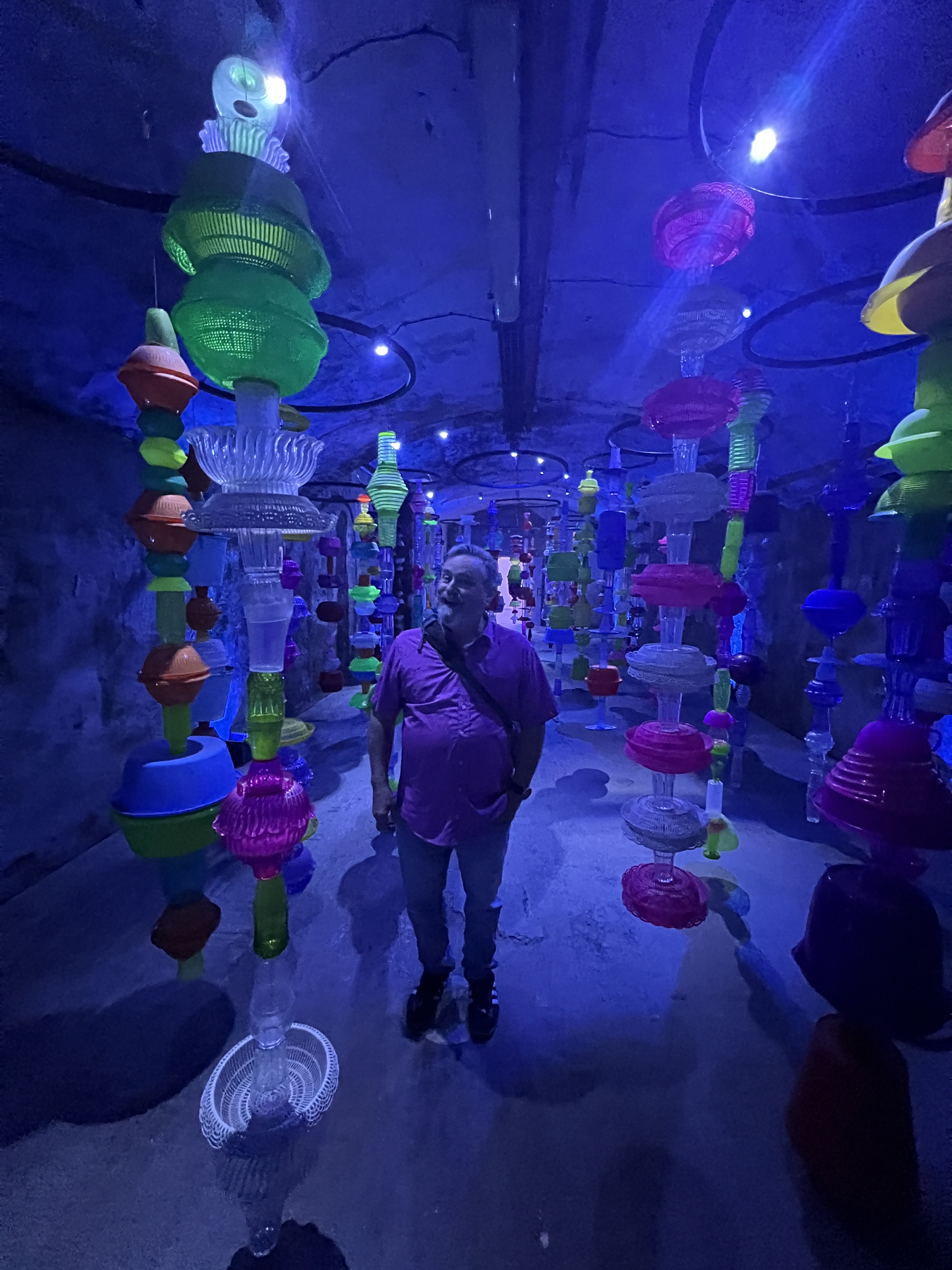
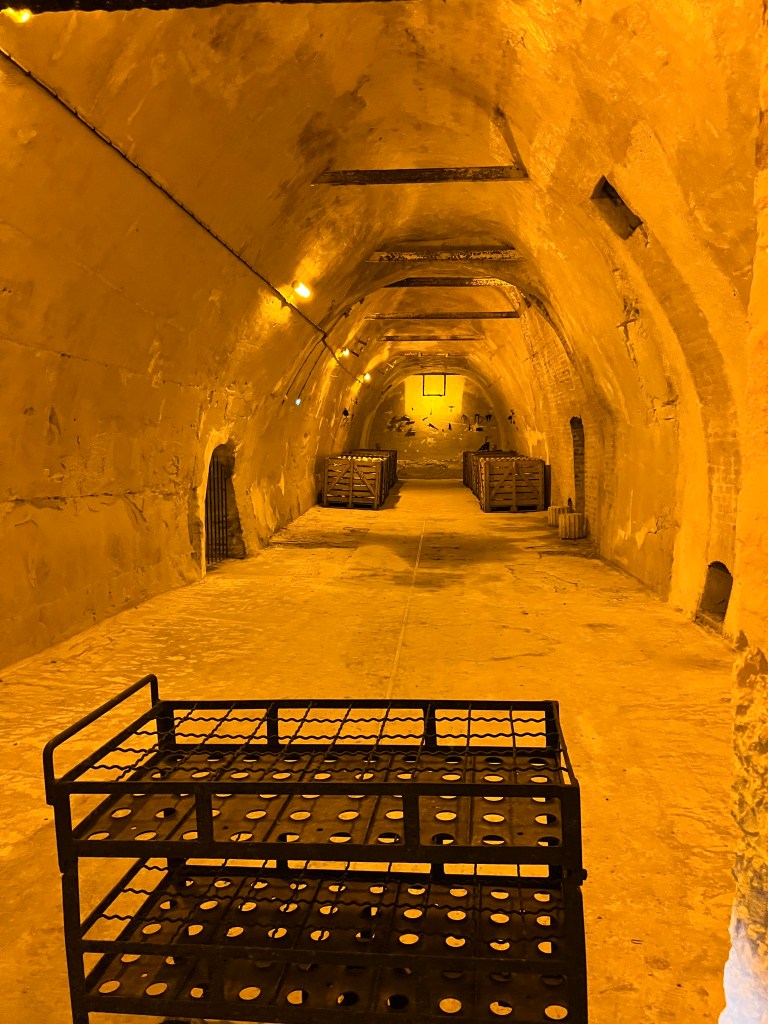
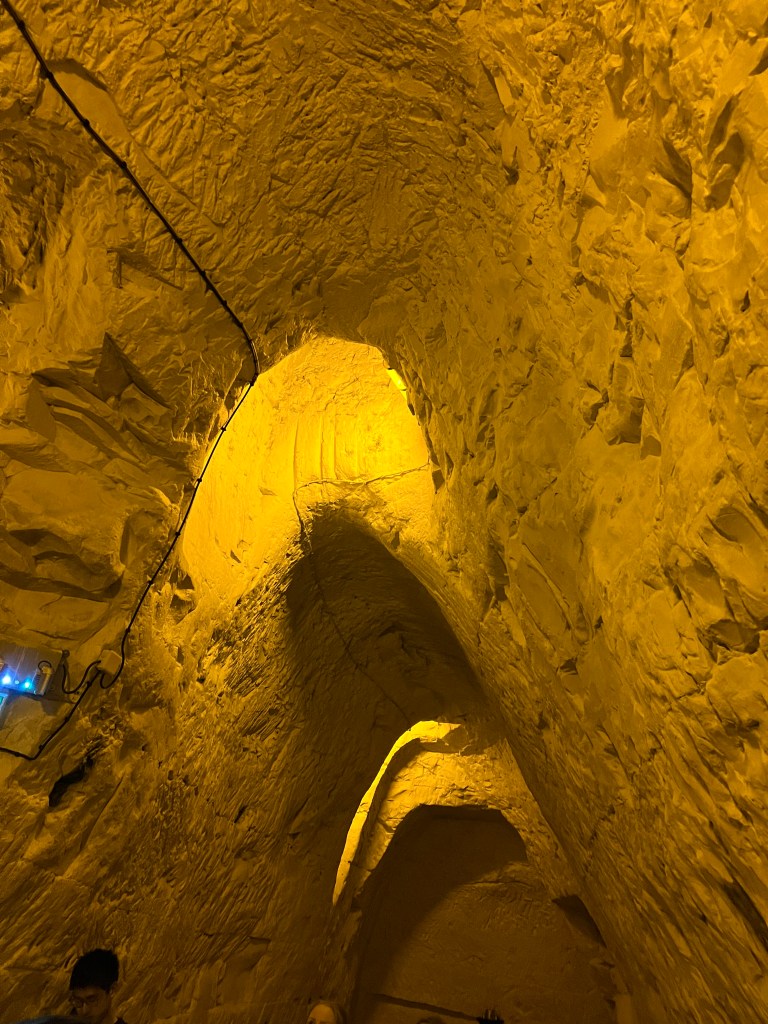
The estate itself is a masterpiece of Elizabethan-style architecture, conceived by Madame Pommery in the 19th century. Visitors can explore its vast underground cellars, originally Gallo-Roman chalk quarries, which stretch 18 kilometers beneath the surface. These cellars provide the perfect aging conditions for Pommery’s refined Champagne, and they also house contemporary art exhibits, blending tradition with modern creativity.
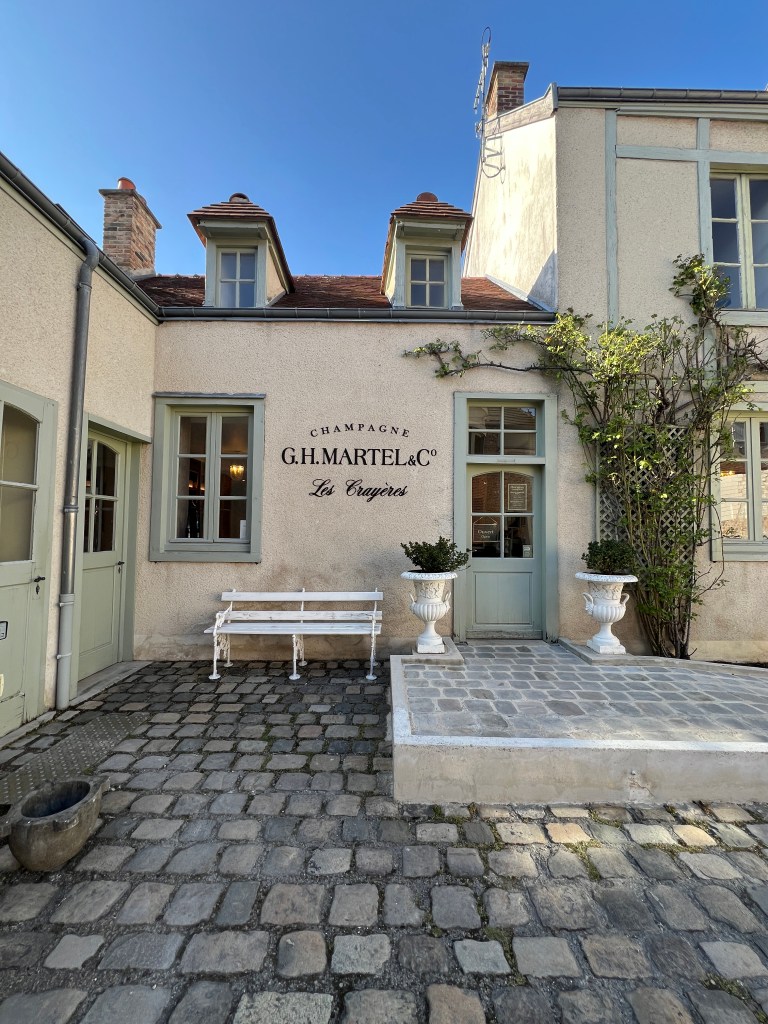
Champagne GH Martel & Company: Champagne G.H. Martel & Co, located in Reims, France, is a historic Champagne house founded in 1869. It is known for its commitment to tradition, craftsmanship, and excellence in winemaking. The house was the first historic acquisition of the Rapeneau family in 1979, a family deeply rooted in Champagne production for over a century.
One of its most remarkable features is its medieval chalk cellars, which were dug between the 4th and 15th centuries and are now classified as a UNESCO World Heritage Site. These cellars provide the perfect environment for aging Champagne, ensuring the refinement and complexity of each cuvée.
G.H. Martel is recognized for its fresh, mineral-driven style, characterized by great acidity, elegance, and expression. The house offers a range of Champagnes that reflect the diversity of the Champagne terroirs, with meticulous care taken in every step of production.
We loved that Pommery offered an app to download and a self-guided tour. We selected this option to go at our own pace and to save on cost. If you want a different experience, even dinner options, you can choose from their experiences based on your travel plans. Check out the websites and make it your own! We walked from our first experience to Pommery to check out the town. Ubers are available if you prefer. From Pommery to Martel we took an Uber to get there in time for our designated tour time. We purchased a tour experience for Martel, and we learned so much from our tour guide. It would be an easy walk if you have time.
Each place had its unique story and ambiance. What we loved about Pommery was the history, architecture, and the art experience!
An article about the art that is showcased in Pommery: https://artmost.store/pommery-underground-art-from-history-to-modernity/
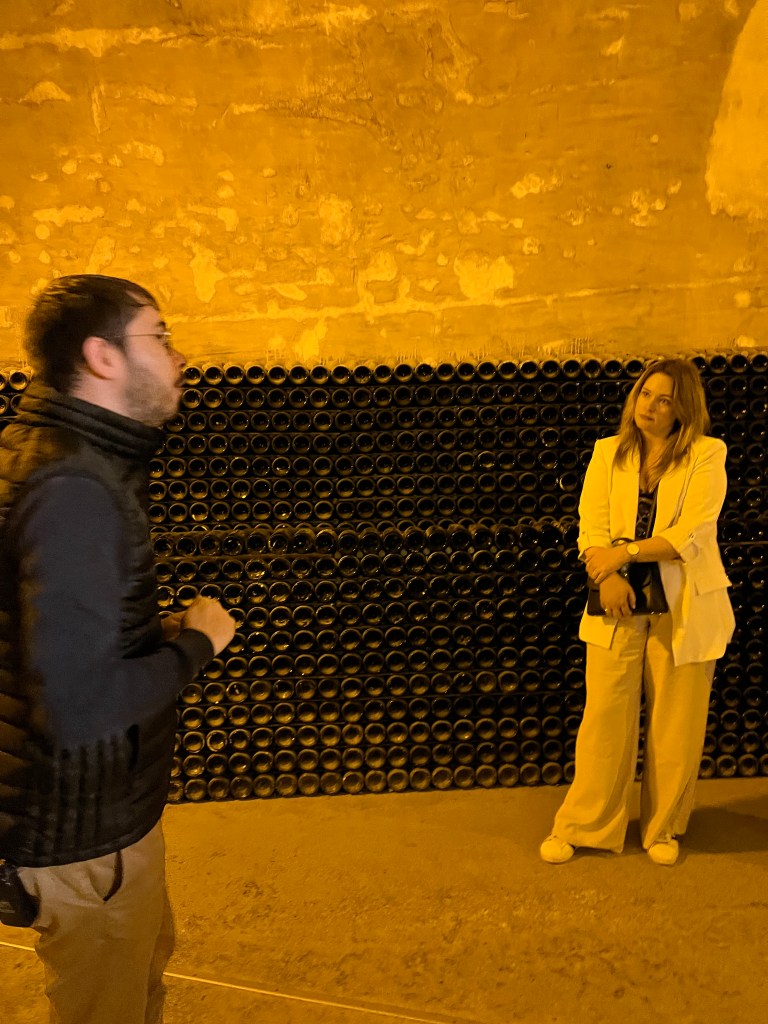
I highly encourage at least one guided tour to experience the history of champagne and how champagne gets its bubbles!
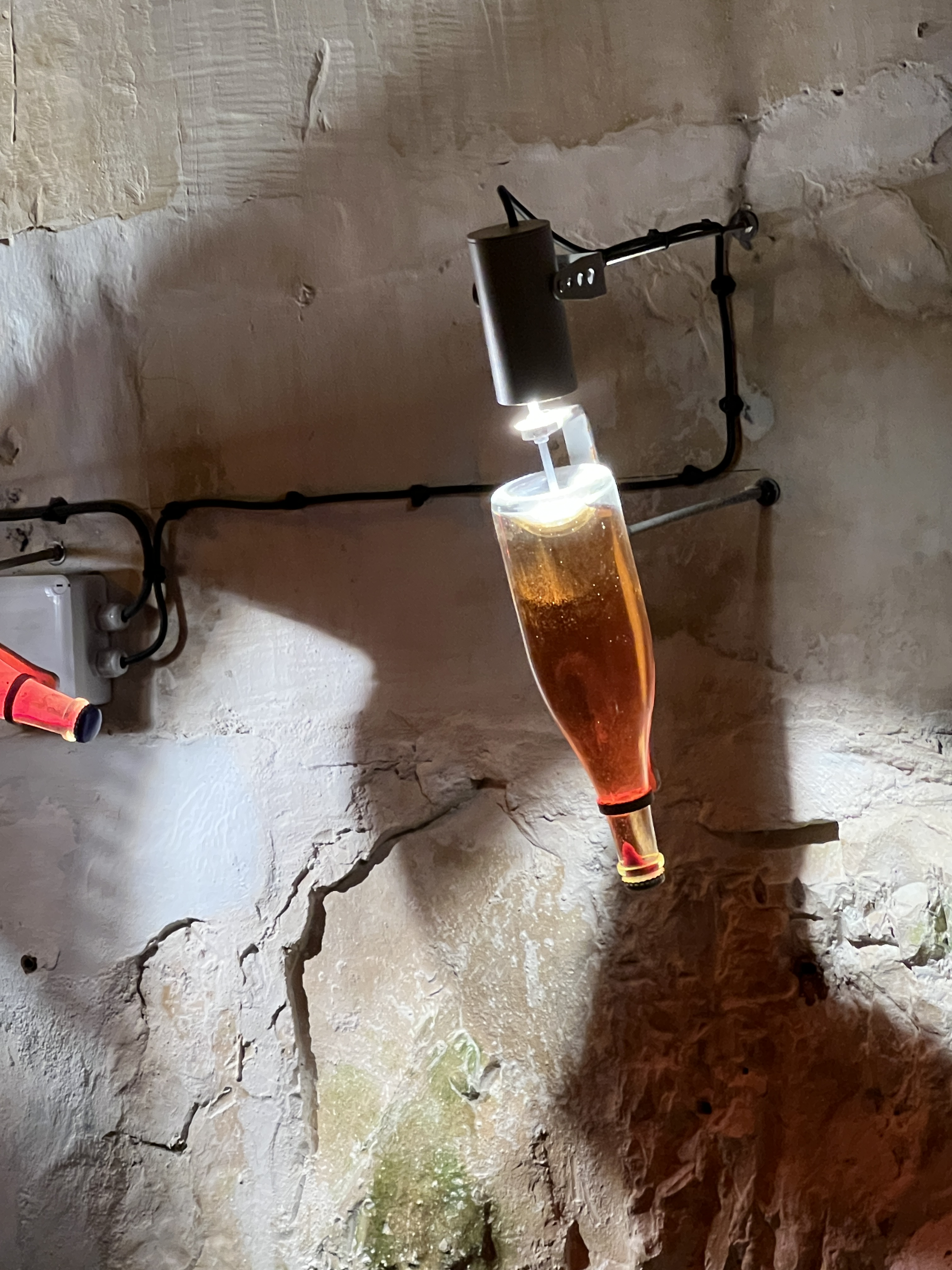
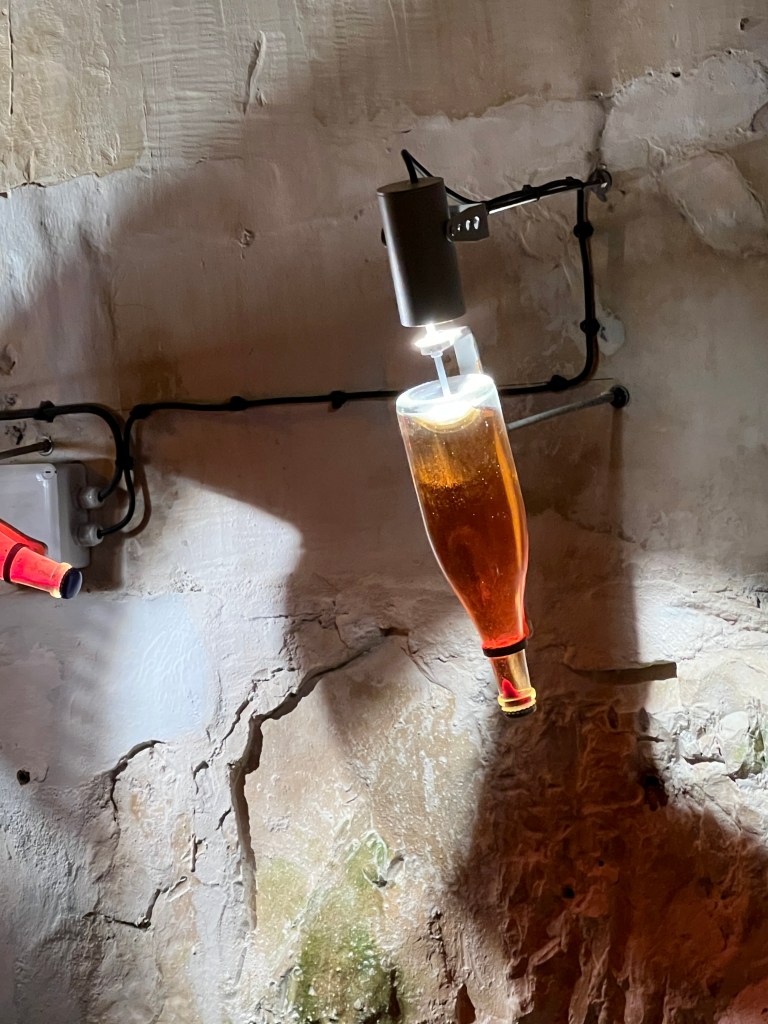
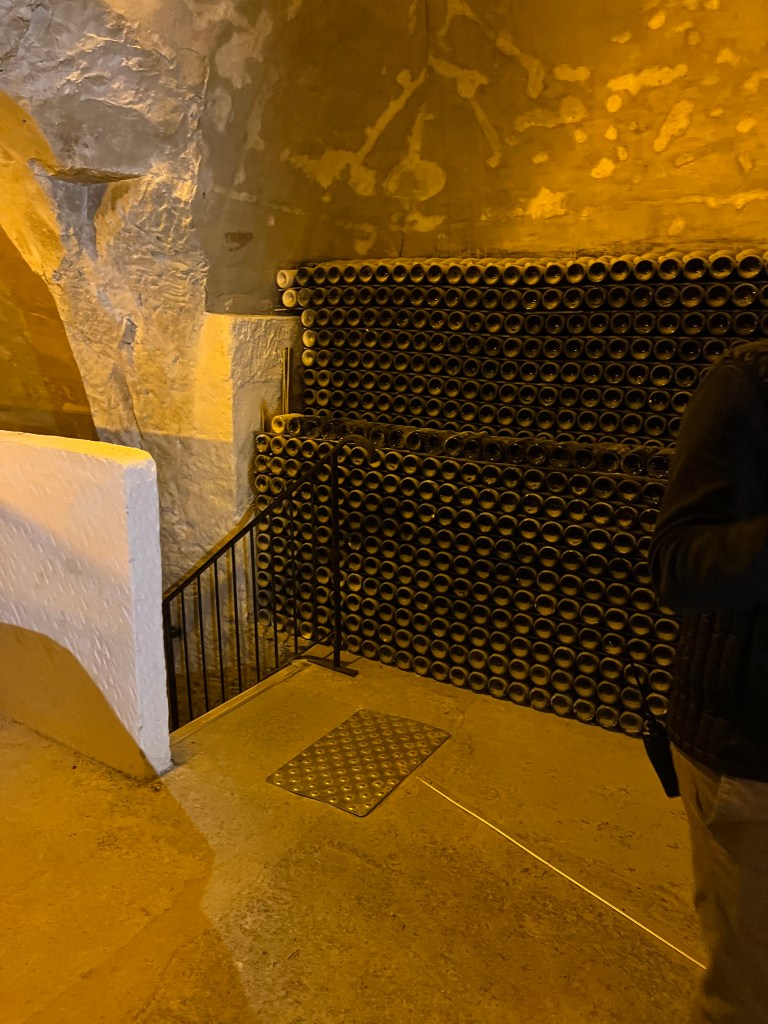
Readers’ Digest Version: Champagne gets its bubbles through a second fermentation process within a sealed bottle. After the initial fermentation, a sugar and yeast mixture is added, and the bottle is sealed. As the yeast consumes the sugar, it produces carbon dioxide, which dissolves into the wine and creates the characteristic bubbles. They rotate the bottles to remove the sediment from the bottom. Imagine rotating hundreds of bottles each day! Champagne makers remove sediment from bottles using a process called riddling (or remuage in French). The bottles are gradually tilted and rotated over time, allowing the sediment to settle into the neck. Once ready, the bottleneck is frozen, trapping the sediment in an ice plug. When the cap is removed, the pressure inside the bottle pushes out the frozen sediment, leaving behind clear, crisp Champagne. This step is called disgorgement, and it ensures the purity and brilliance of the final product before sealing the bottle with a cork. 🍾

Drinking Stars: The Monk’s Discovery
The abbey was quiet as Brother Dom Pérignon moved through the dimly lit cellar, his hands brushing along the dusty bottles resting in their wooden racks. It had been years of careful tending, years of trial and error, but tonight—tonight, something was different.
He uncorked a bottle, pouring a small amount into a glass. As the liquid met the air, a delicate effervescence rose, shimmering in the candlelight. He lifted it to his lips, and the moment the bubbles danced on his tongue, his eyes widened in wonder.
“Come quickly, brothers! I am drinking the stars!” he exclaimed, his voice alive with revelation.
The monks gathered, tasting the strange, lively wine. They had worked tirelessly to refine the unpredictable fermentation that had sometimes caused bottles to burst in the cellar. Now, that same process had transformed the wine into something celestial.
Over time, this effervescent drink became revered, perfected in the vineyards of Champagne, destined to be celebrated at royal courts and grand celebrations. The monk’s discovery was not just the birth of sparkling wine—it was the beginning of something legendary.
And so, centuries later, each time a glass of Champagne is raised in joy, in love, in triumph, it carries the spirit of that fateful night, when one man first tasted the magic of the stars. 🍾
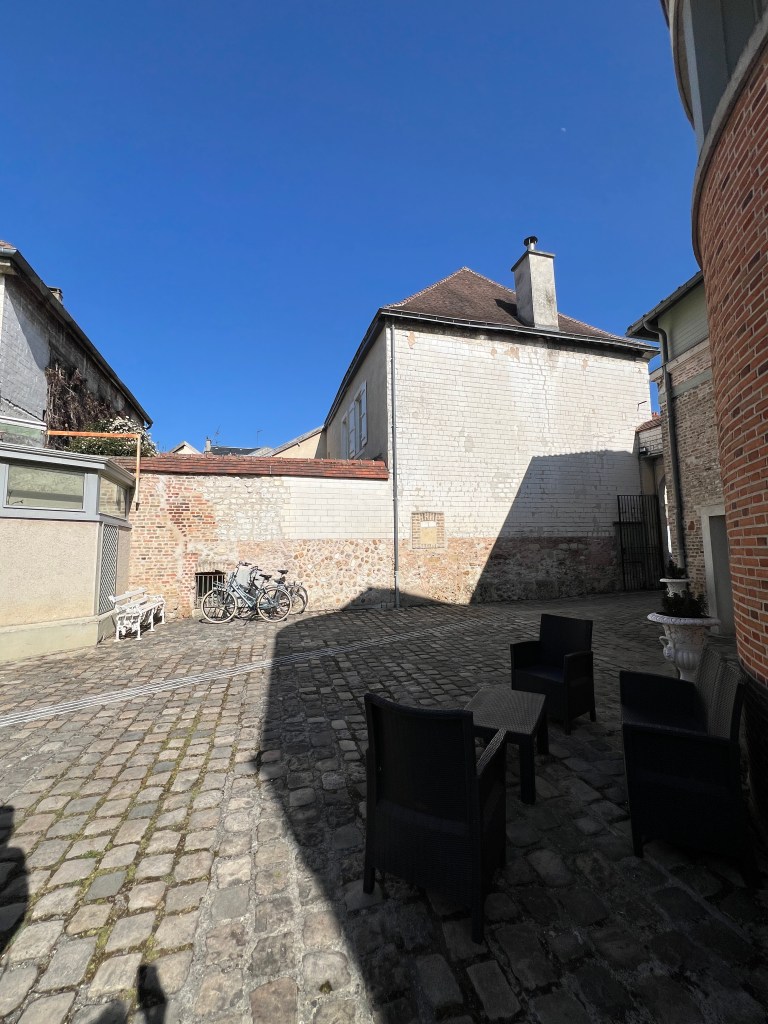
Here are pictures from each champagne experience:





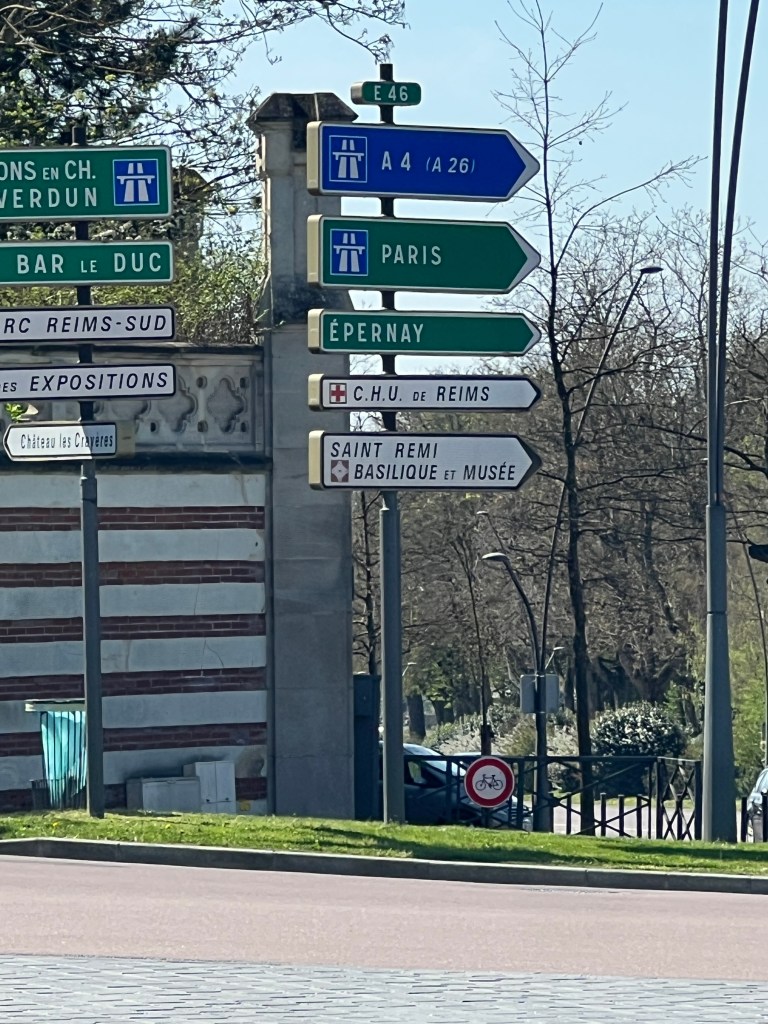
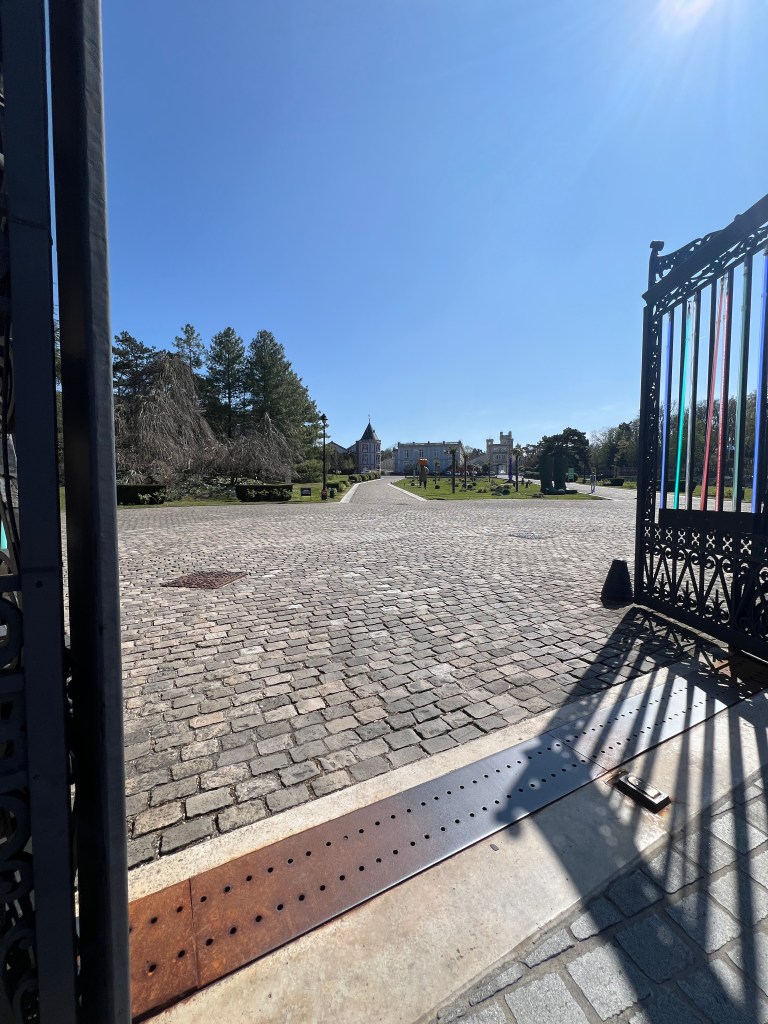
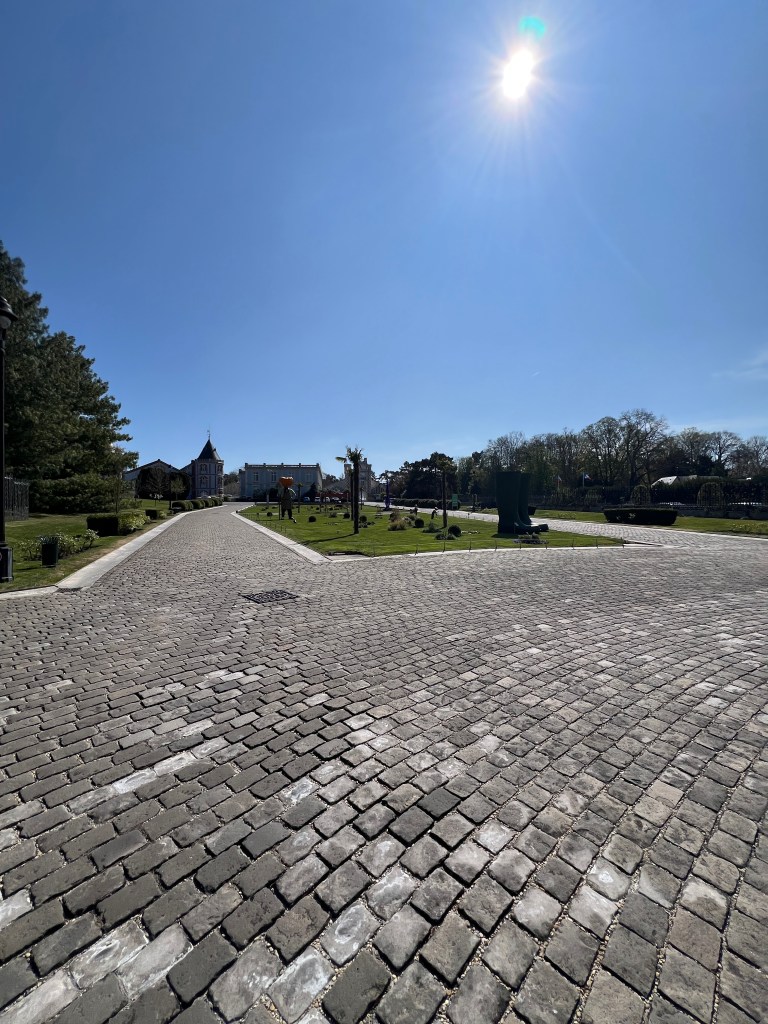


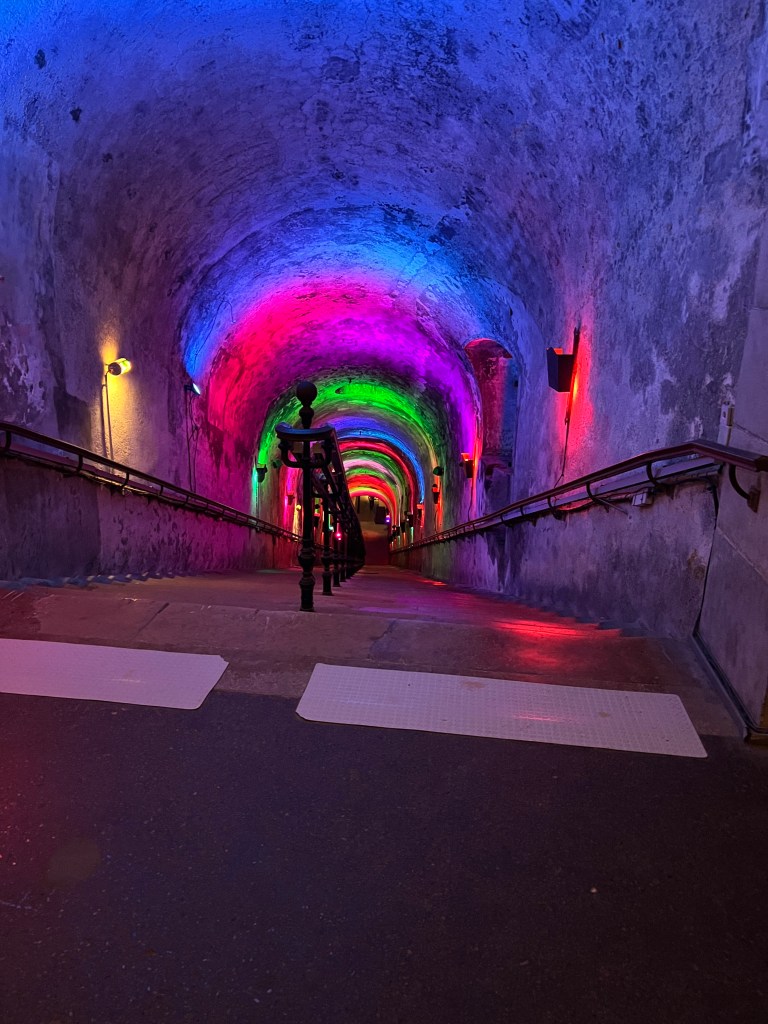


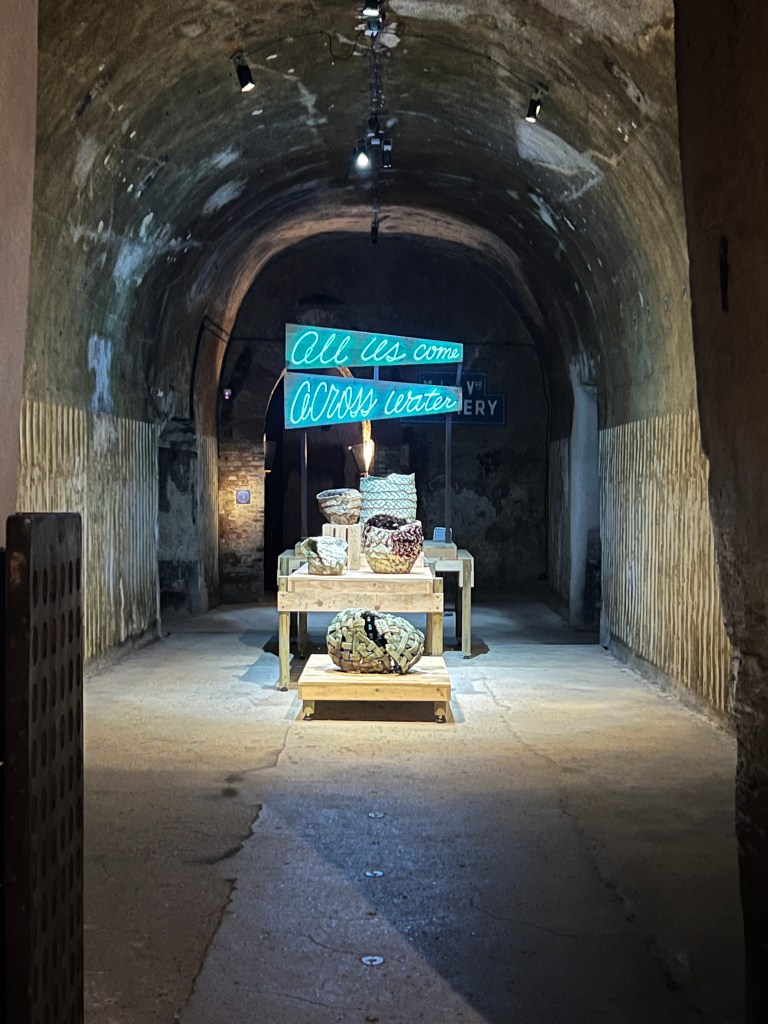
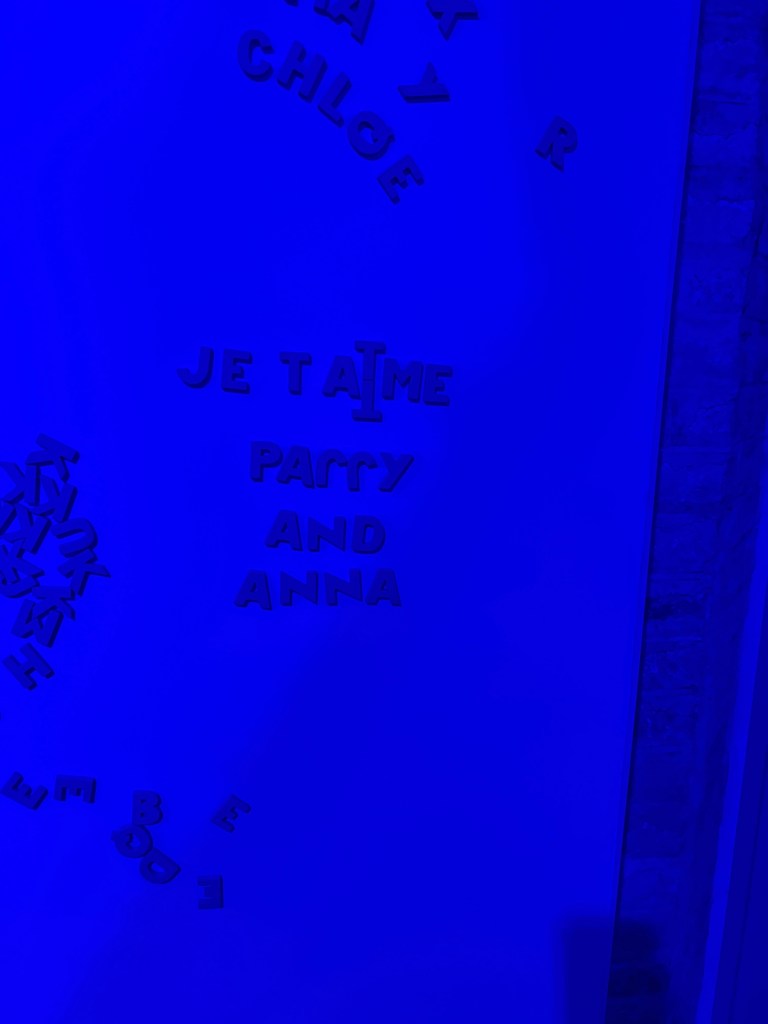
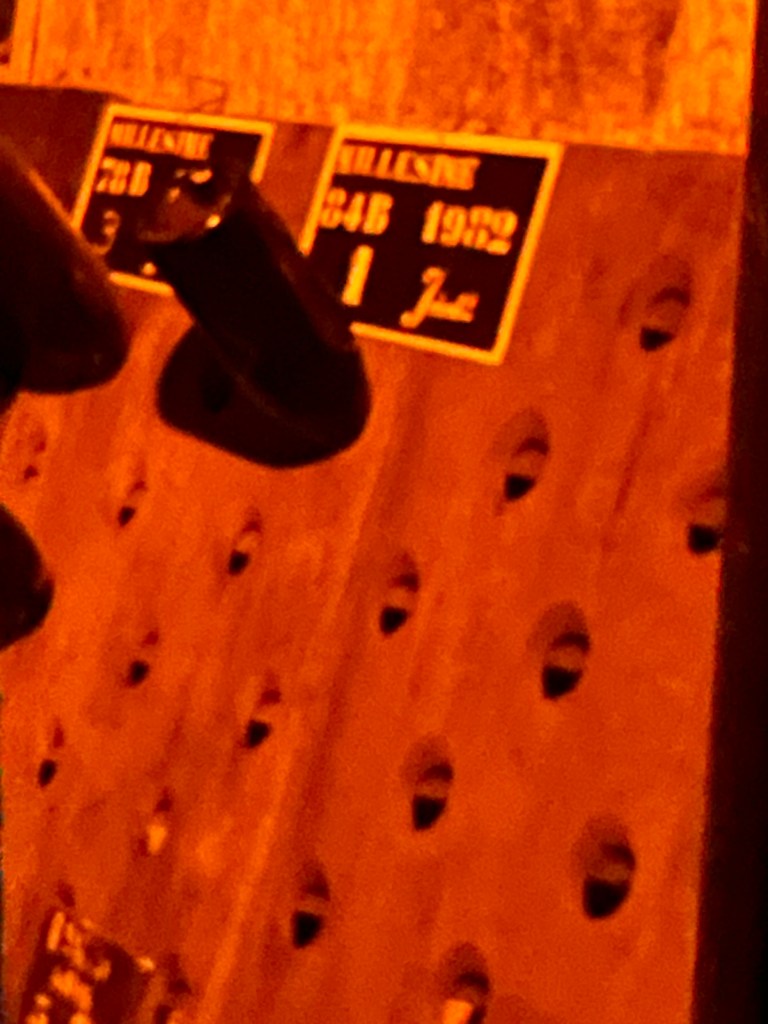



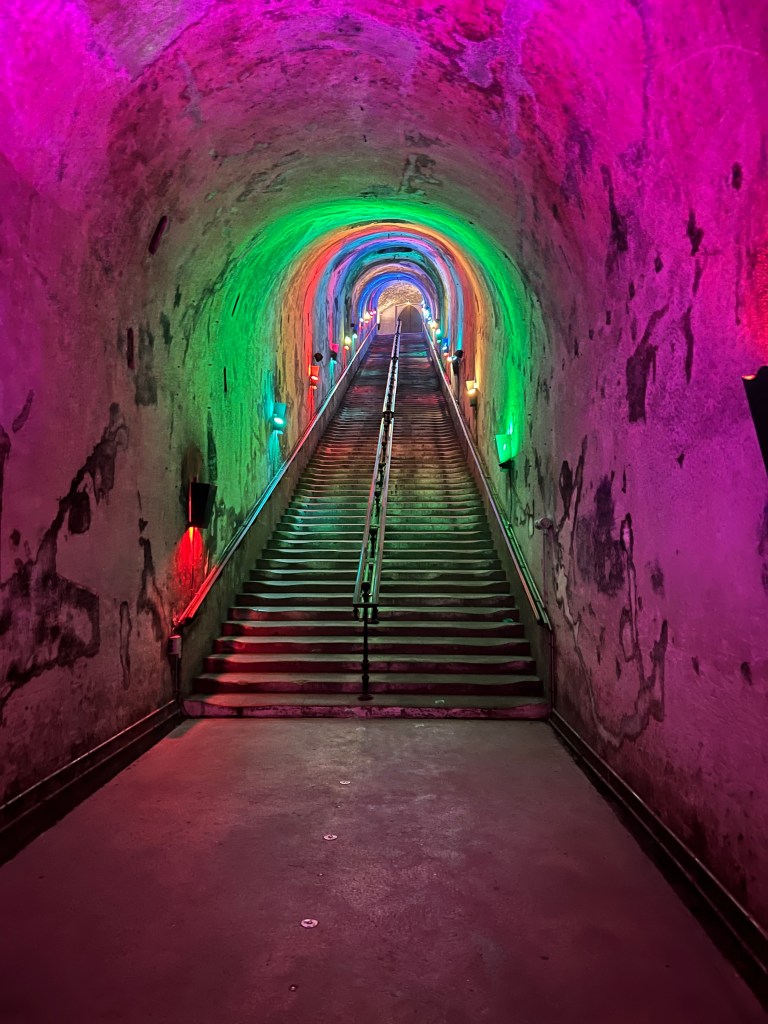
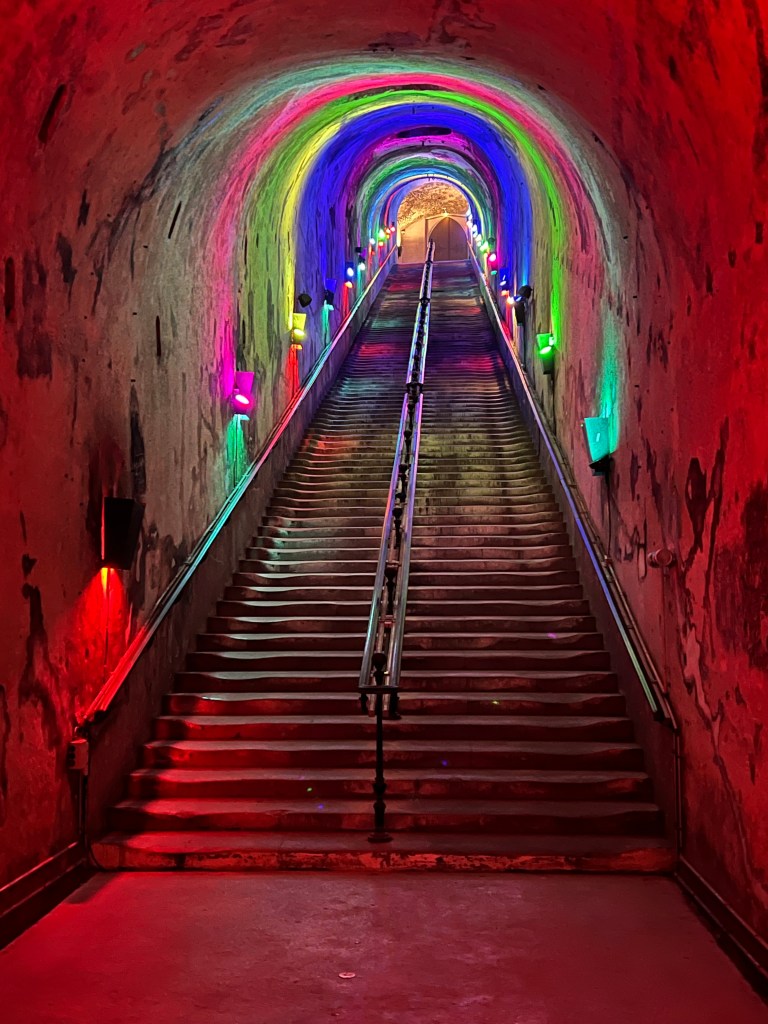
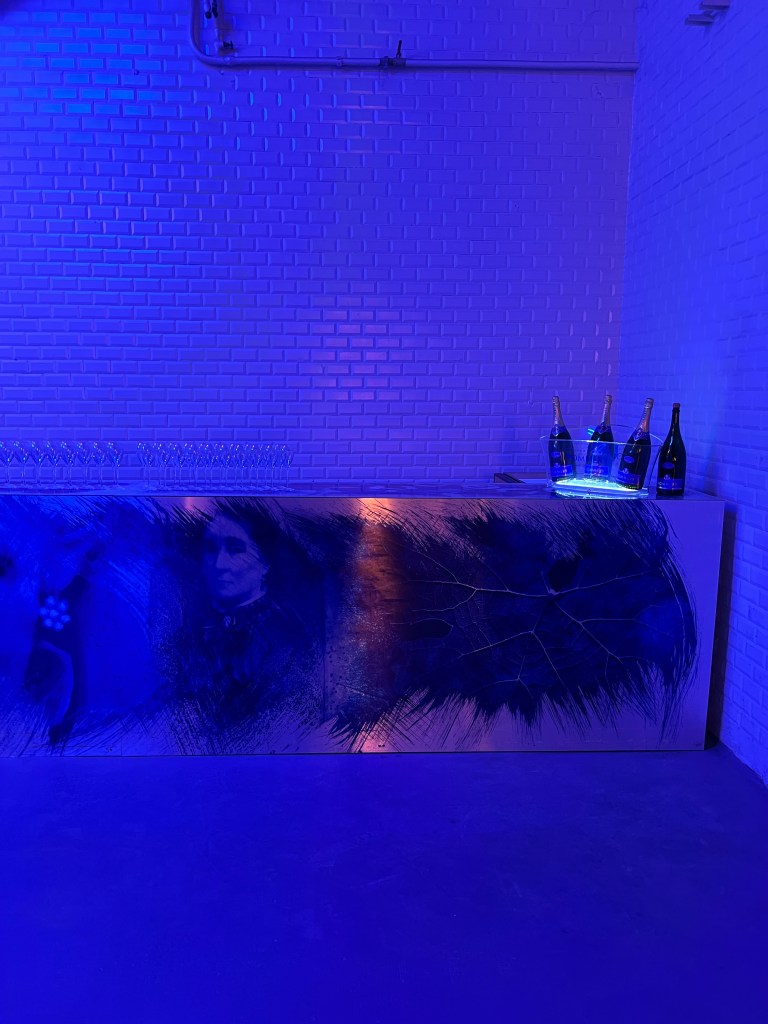
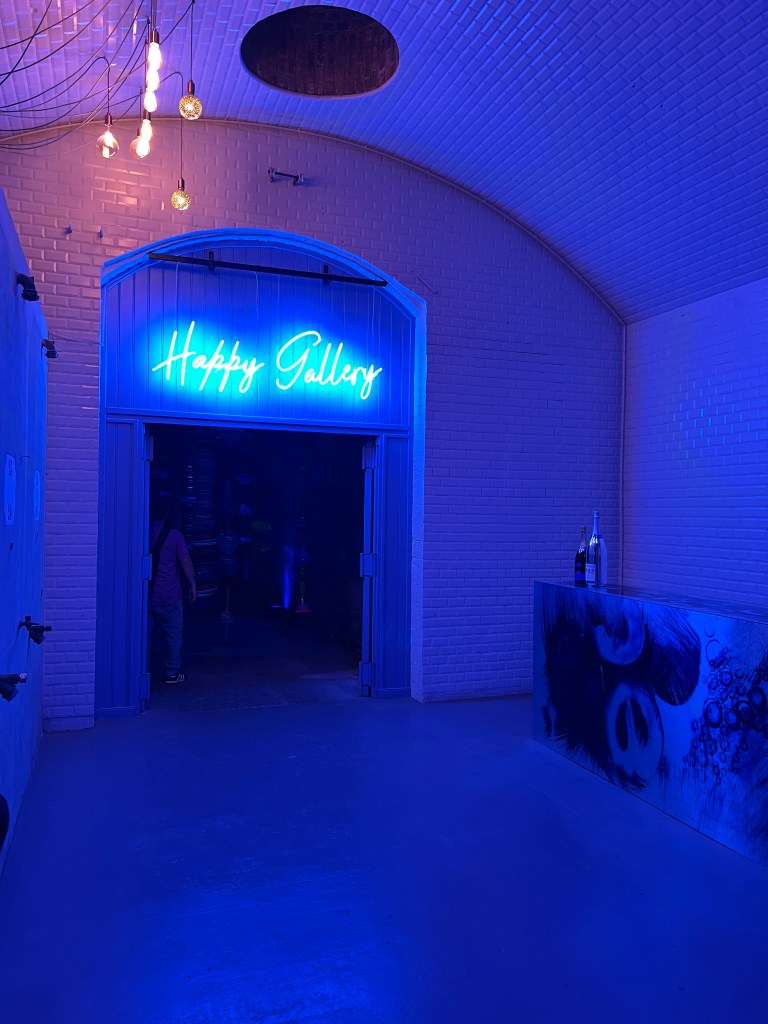
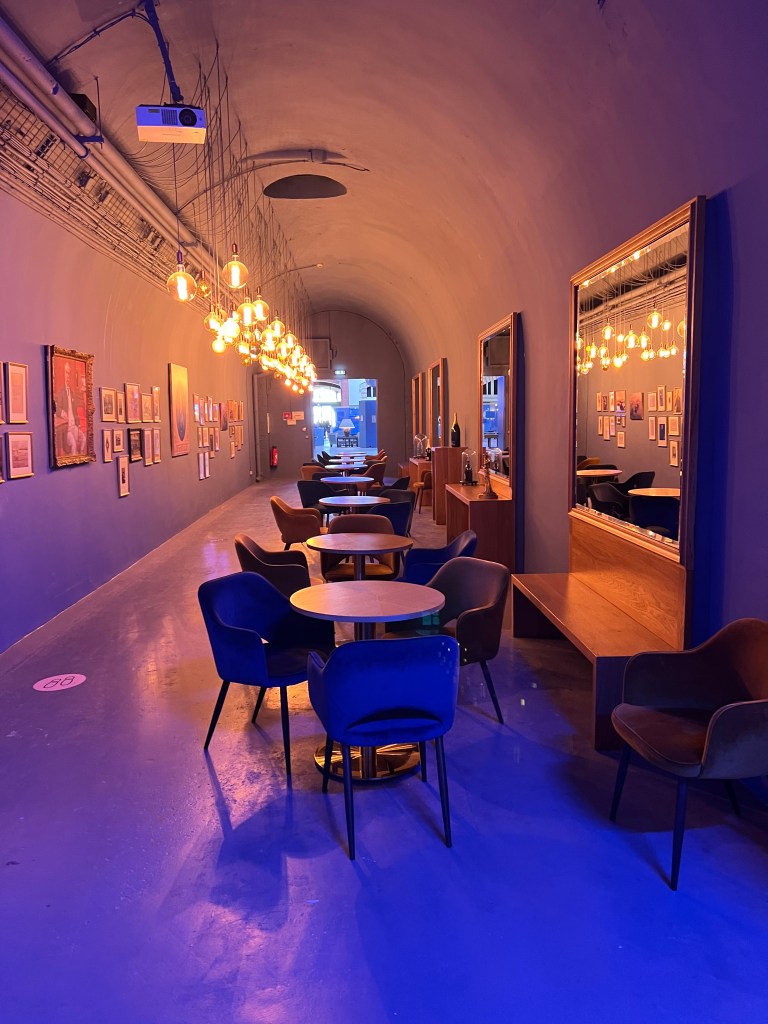
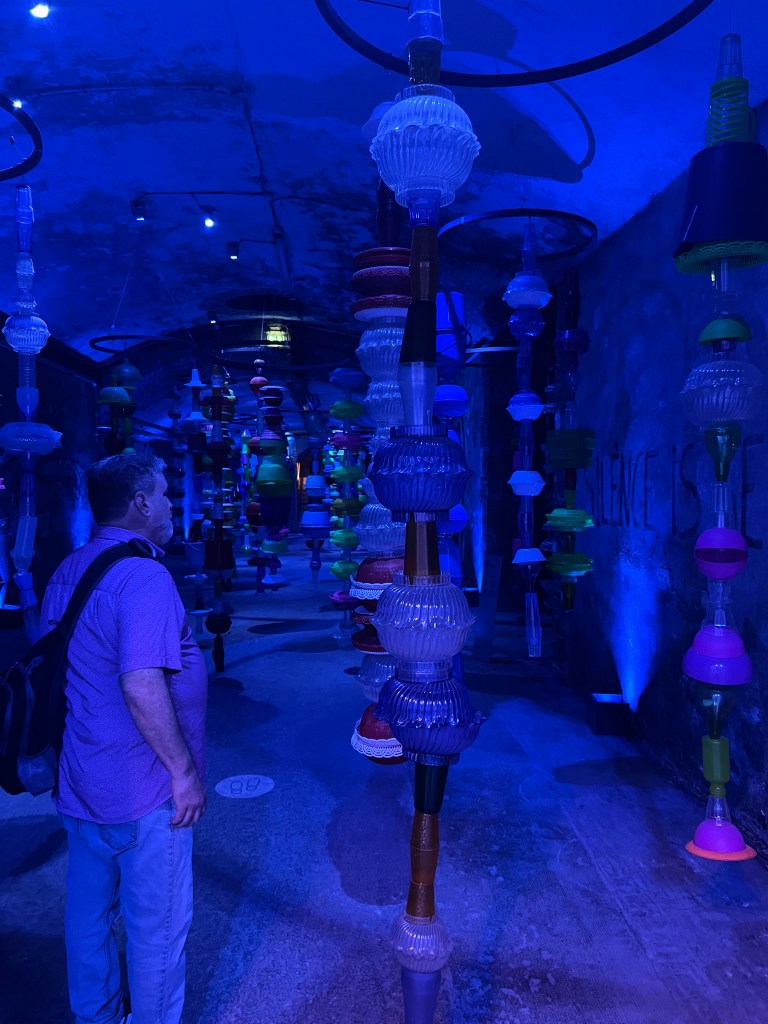


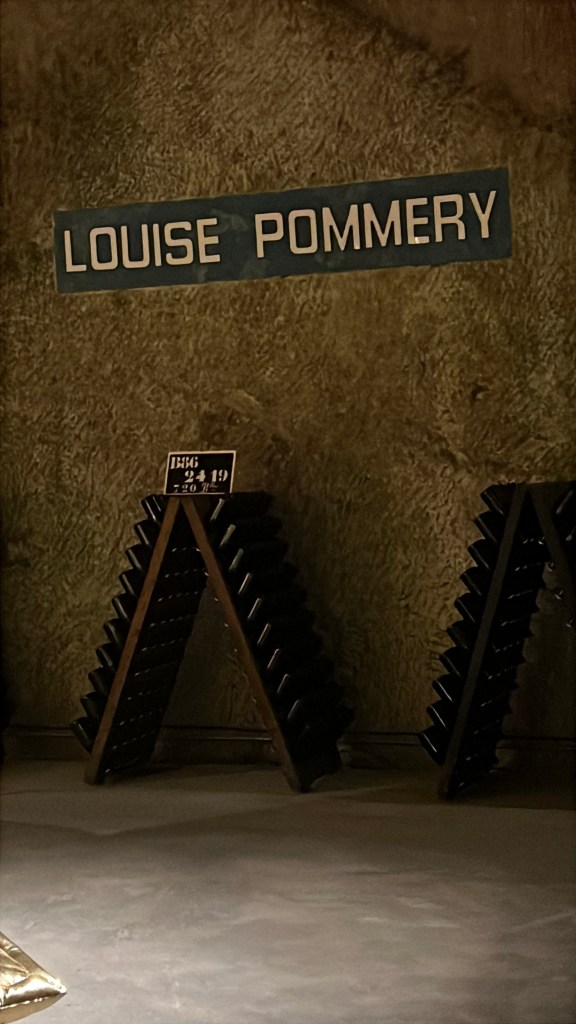
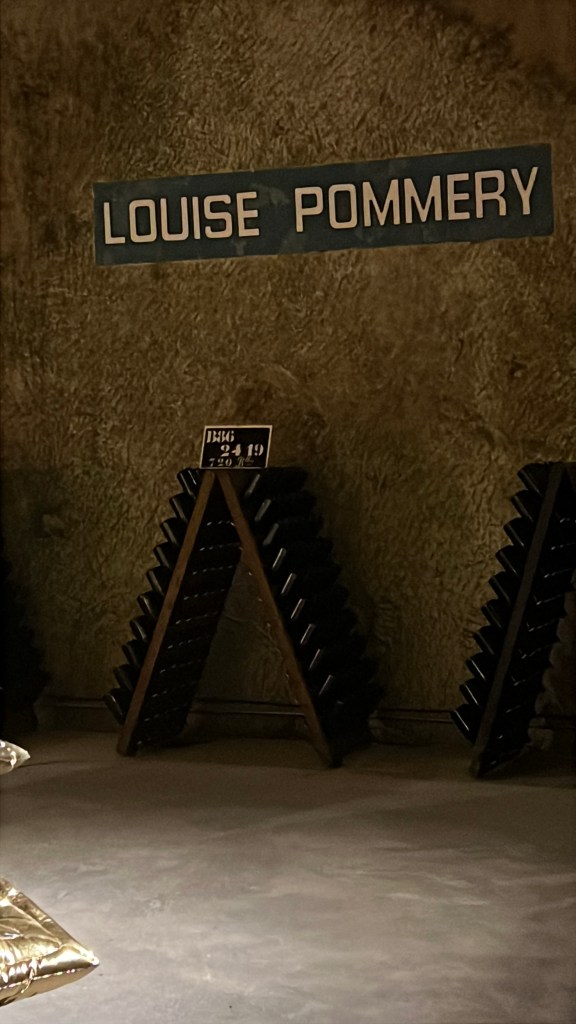
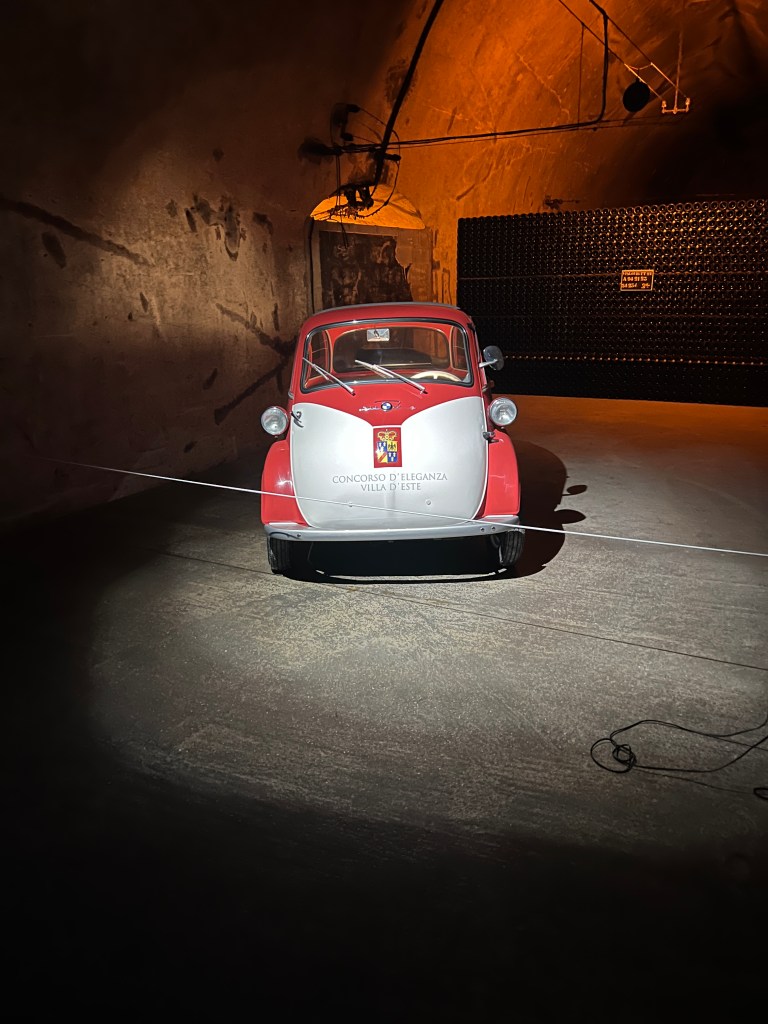
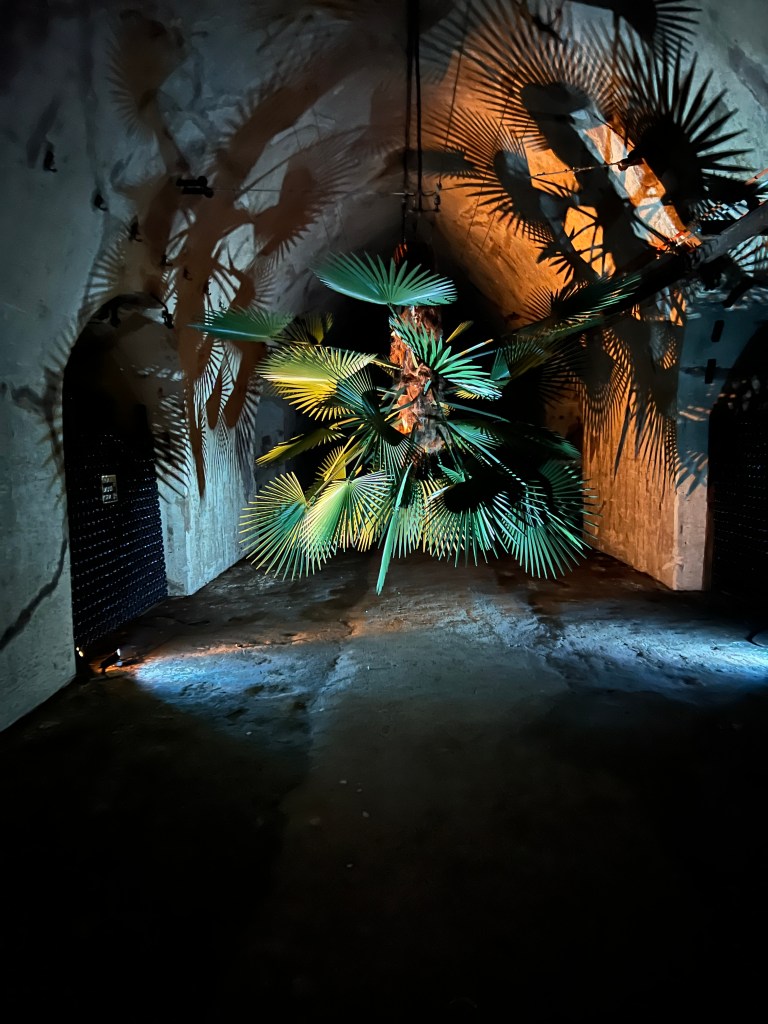


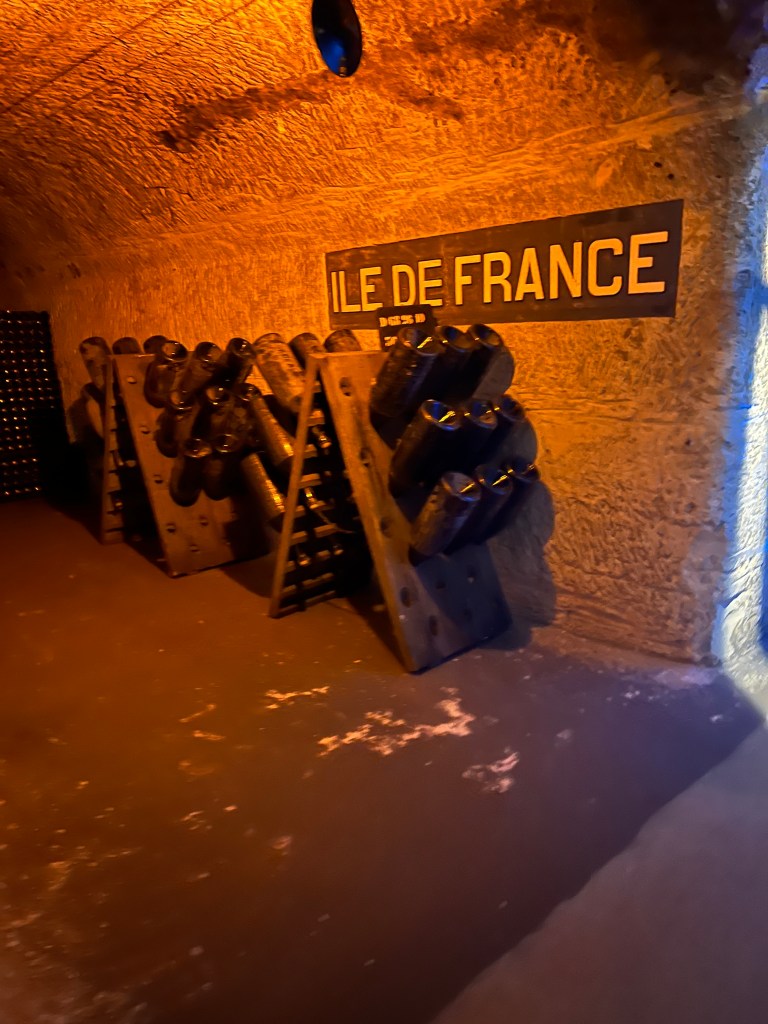


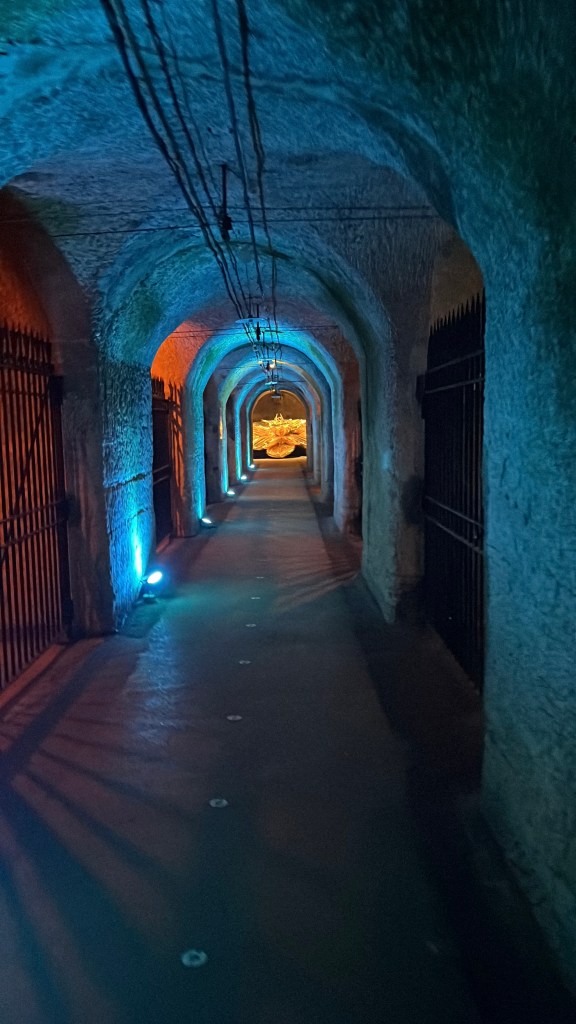
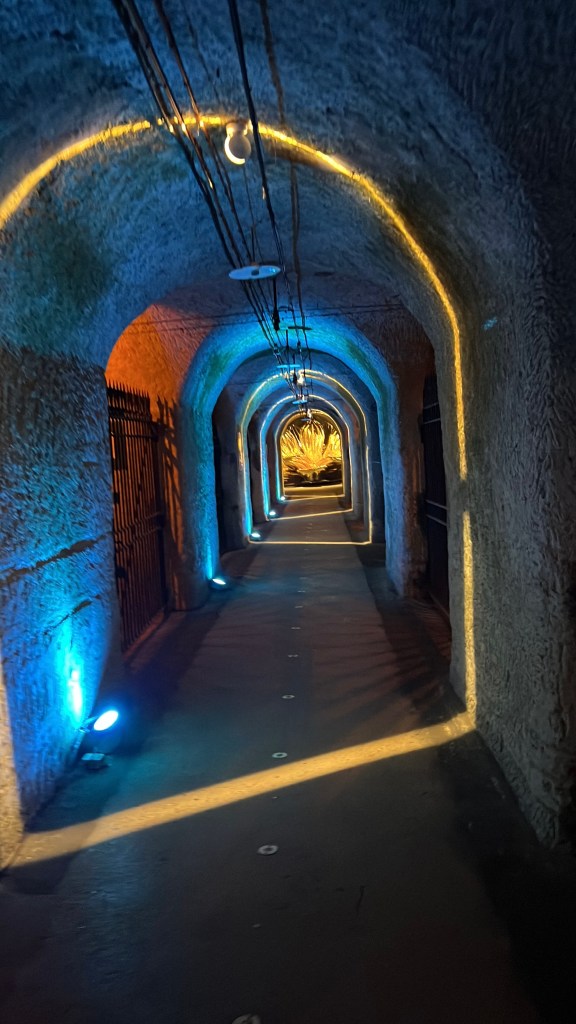
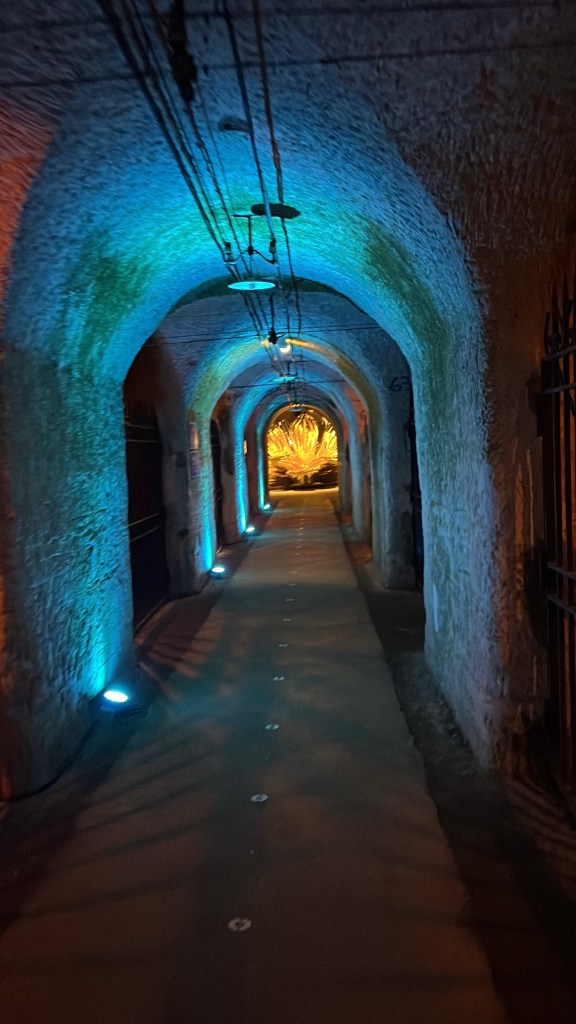
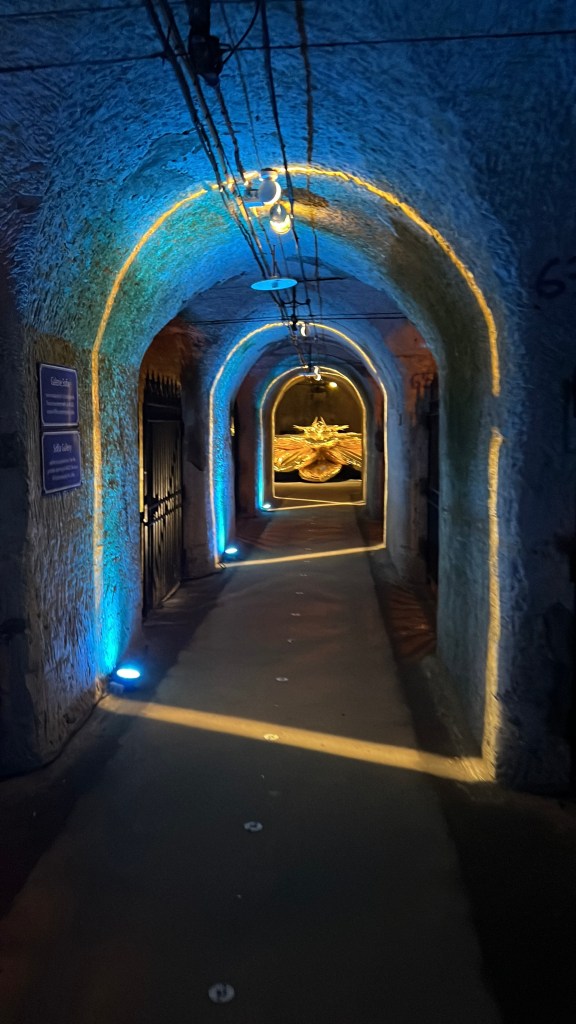


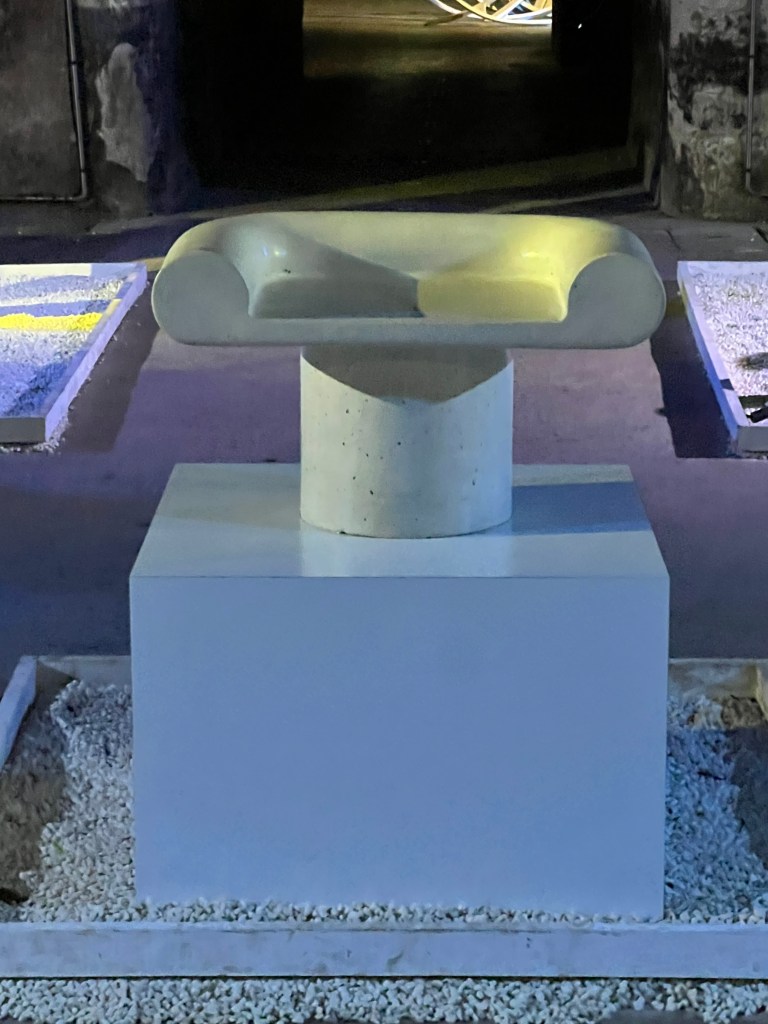
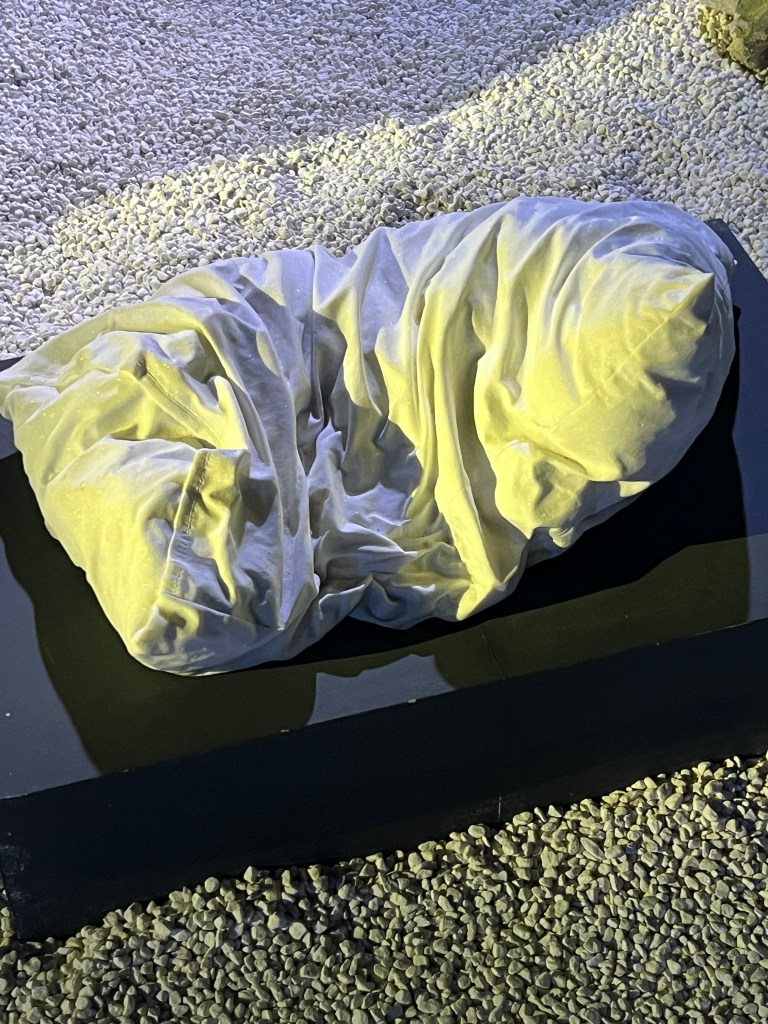

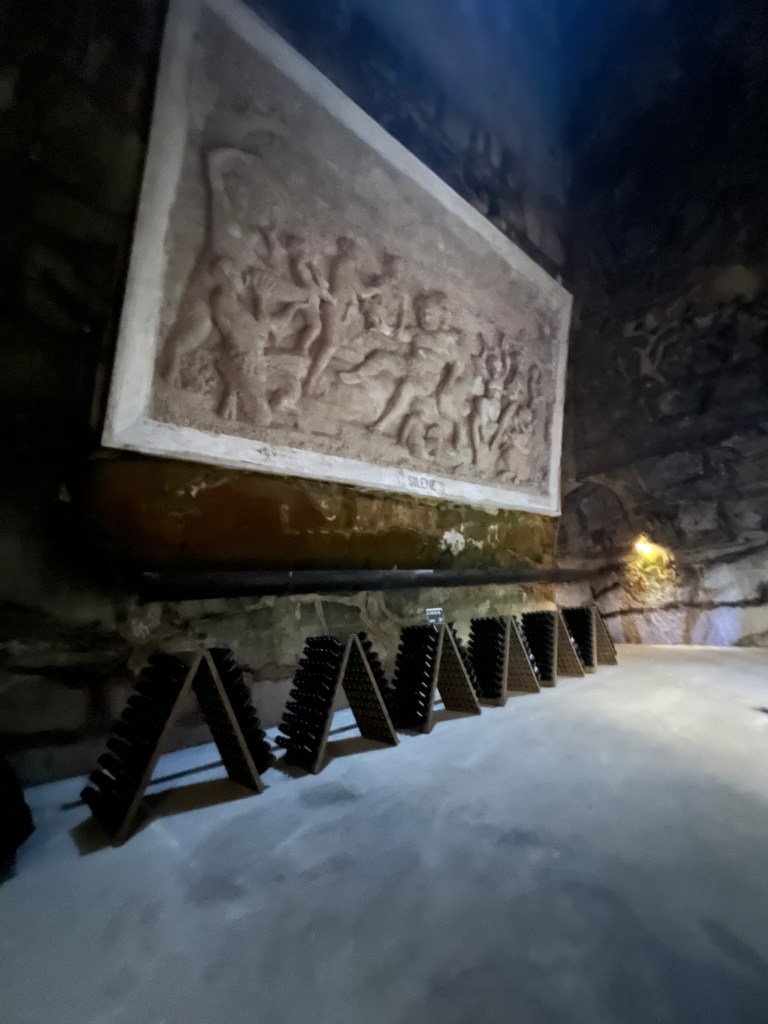
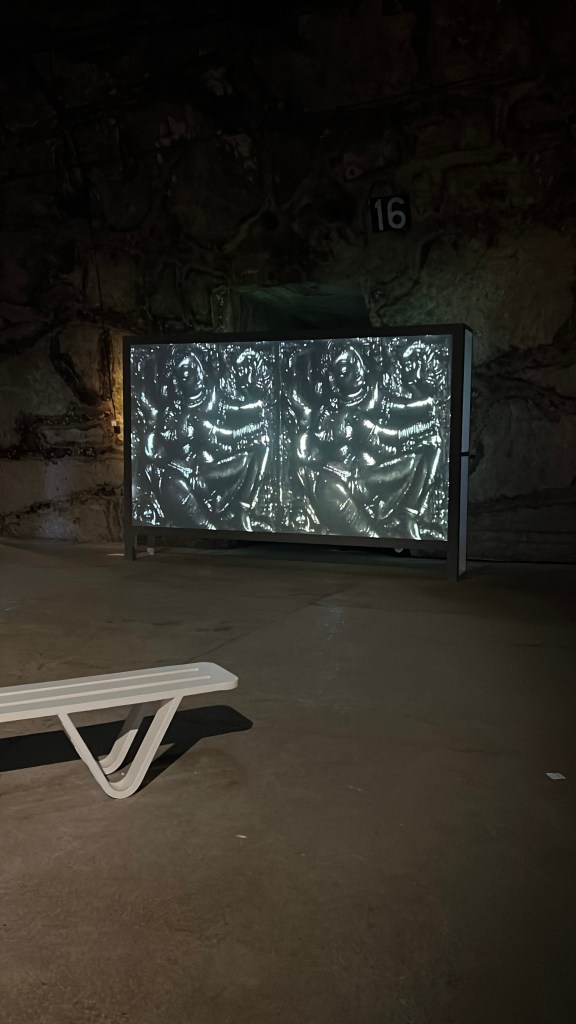

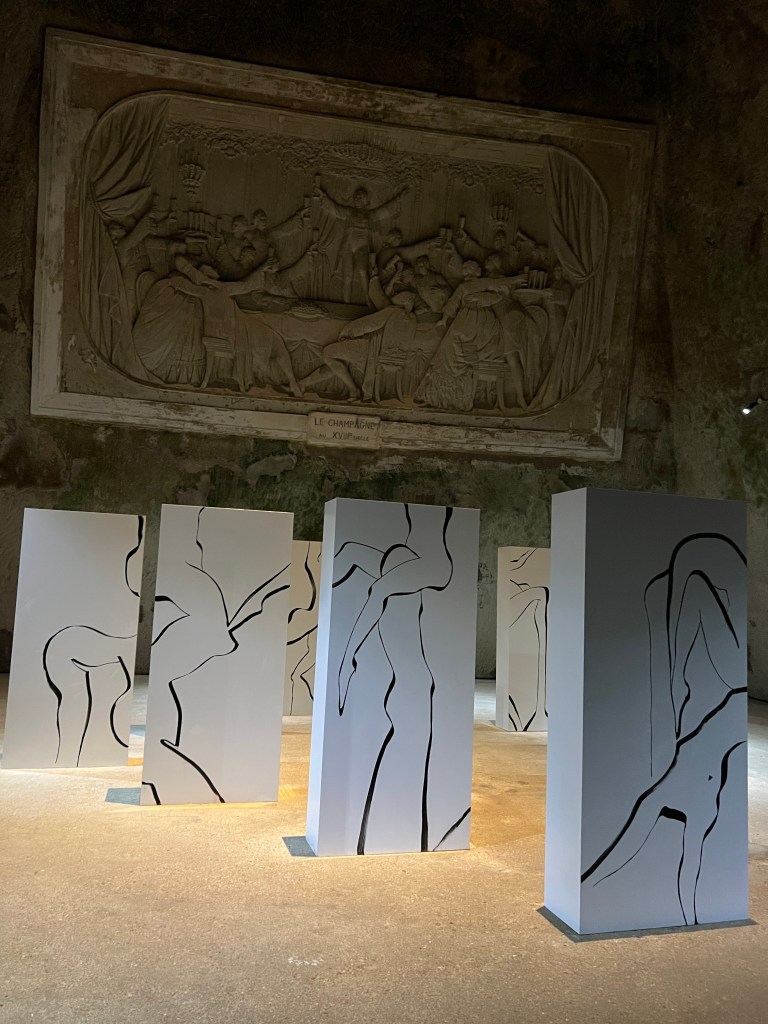
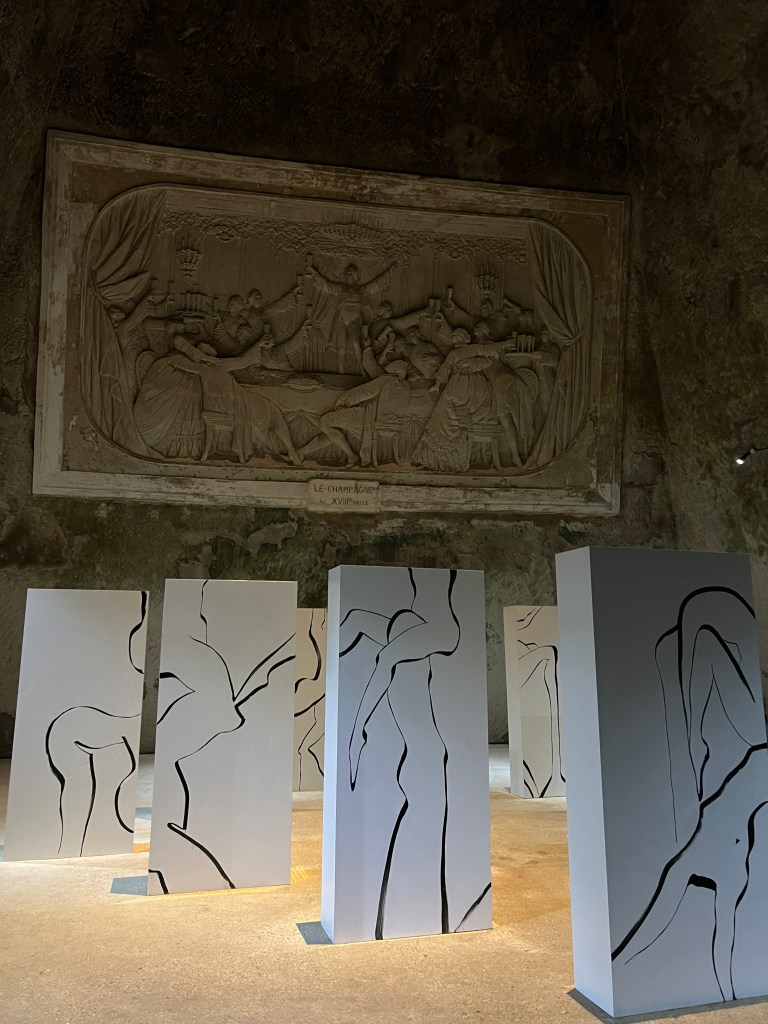

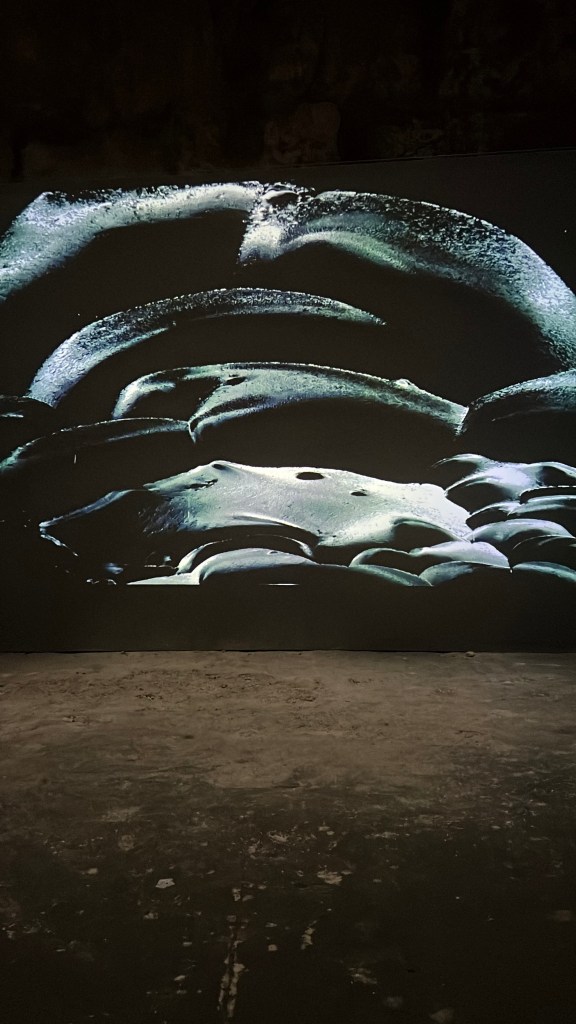






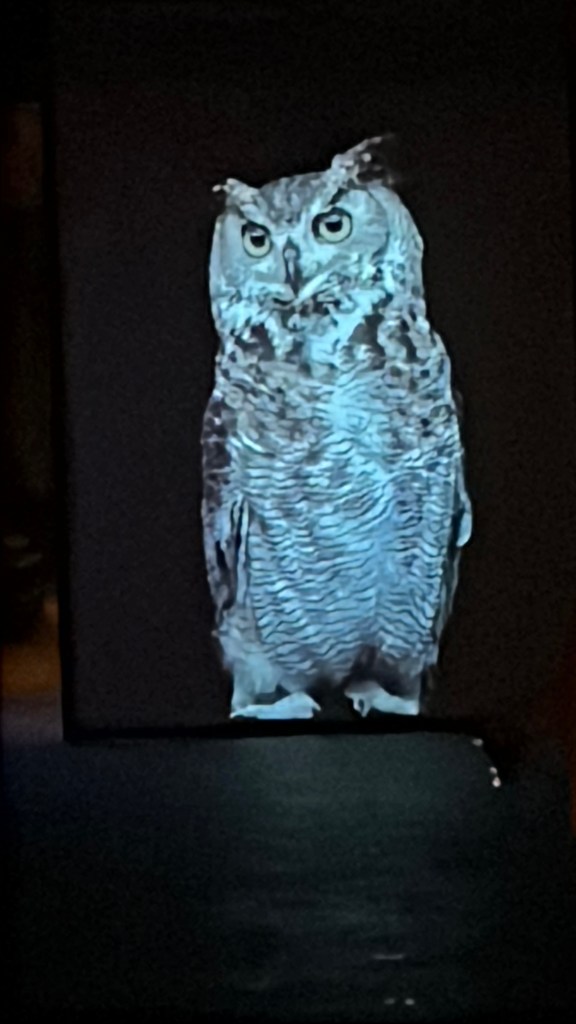
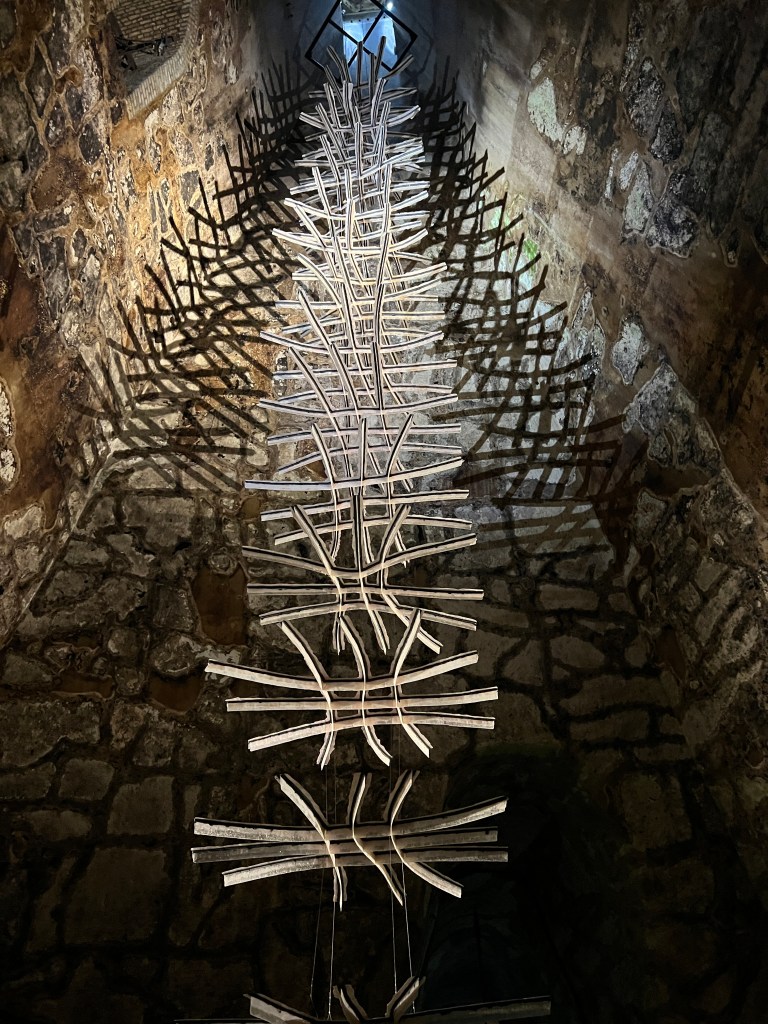
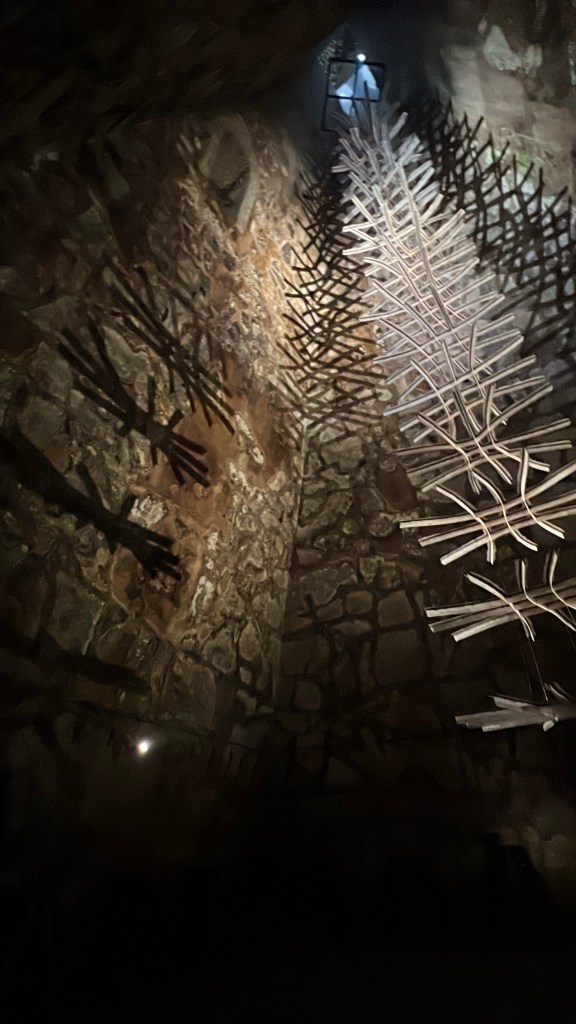



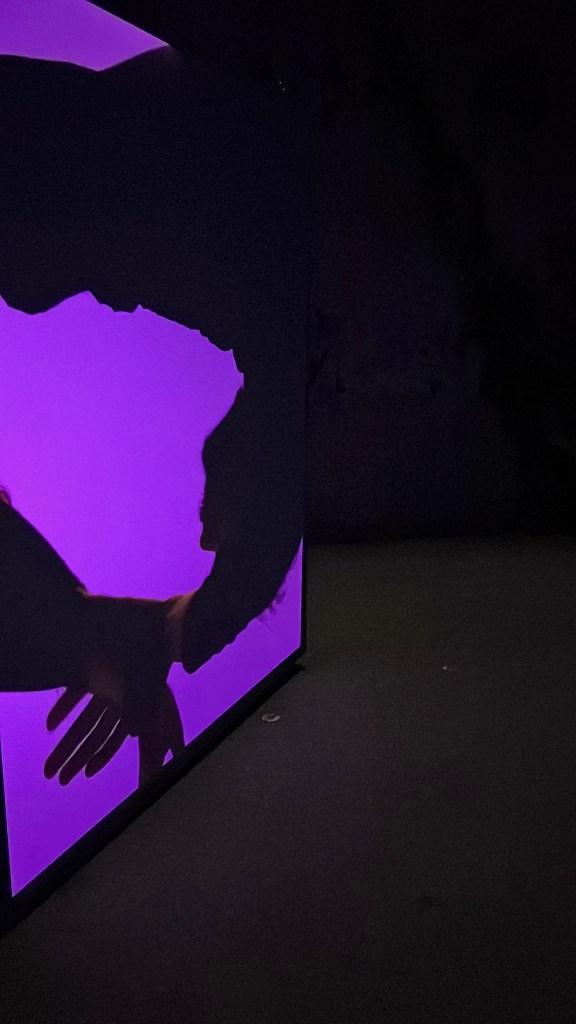


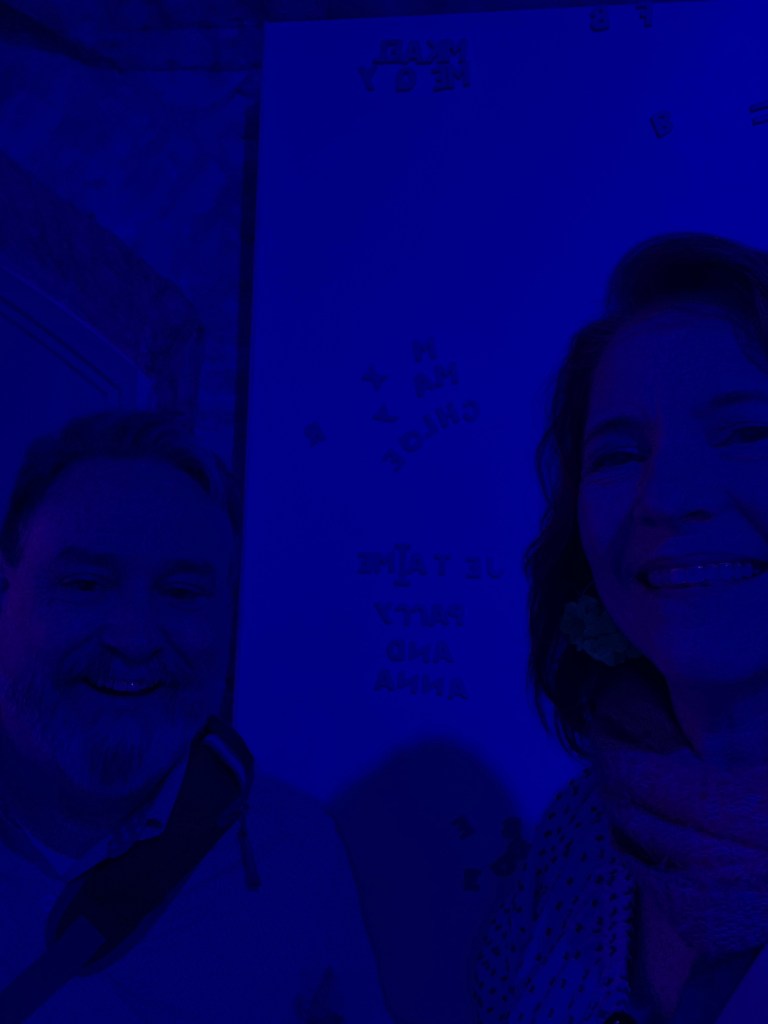

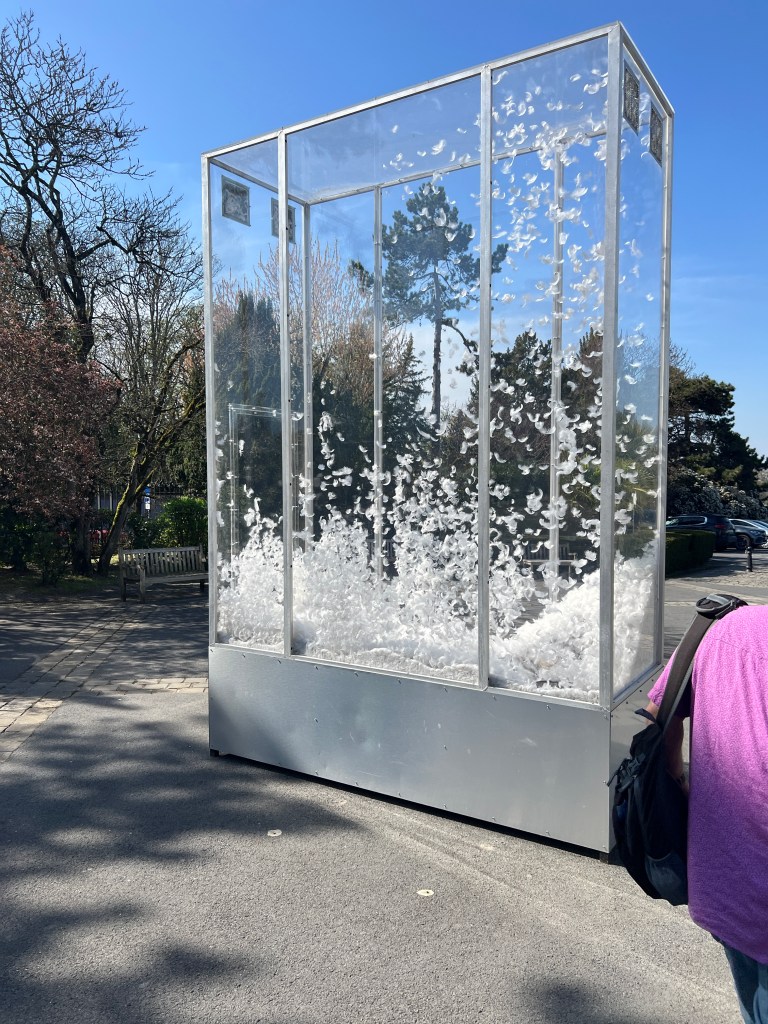

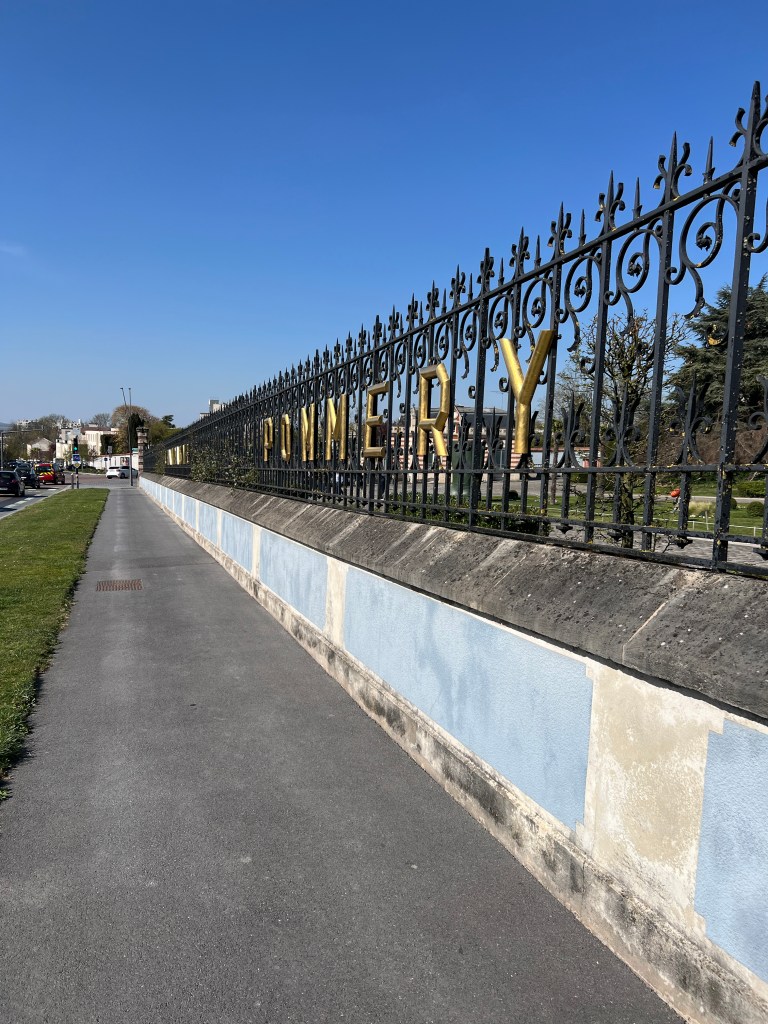
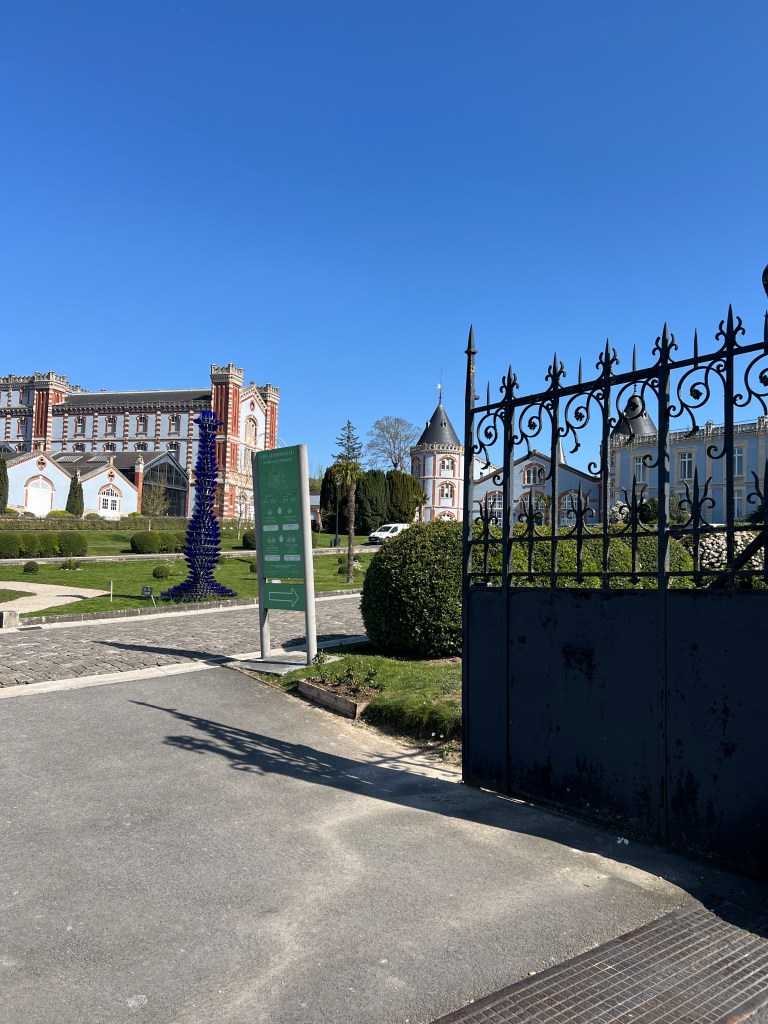
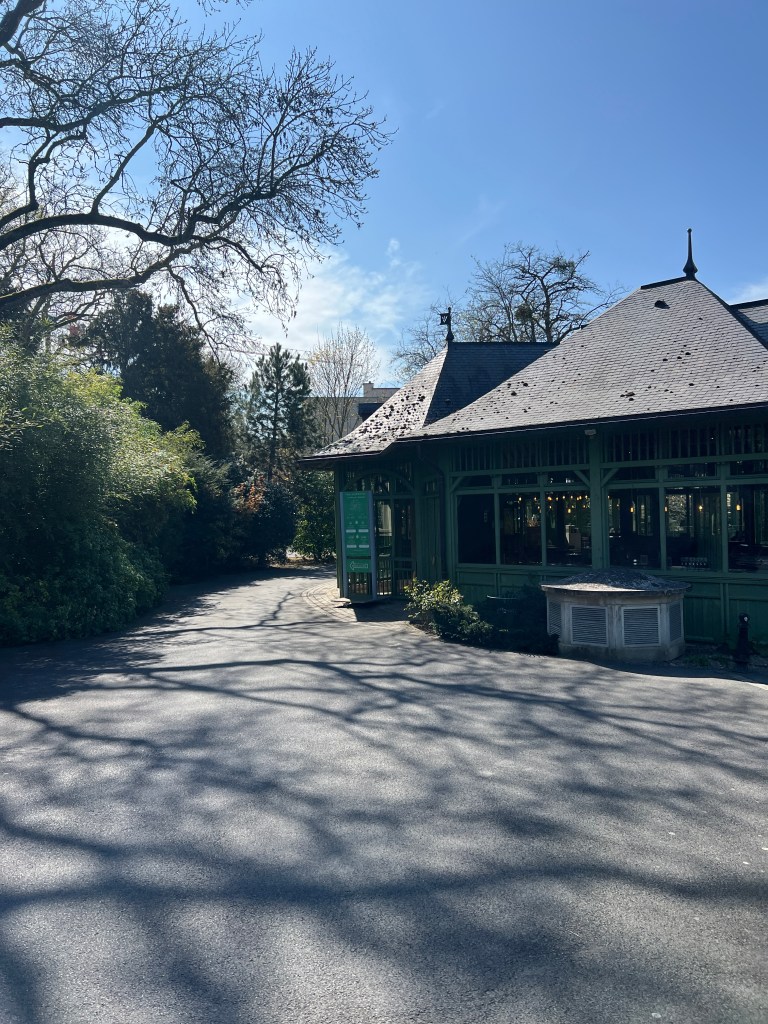


At the end of the tour, they had a magical area called the “Happy Gallery” where we could play with a whiteboard and letters.








A beautiful day in Reims! Headed back to our train station to go home to Paris and enjoy one of the best meals in France. That will be our next post!

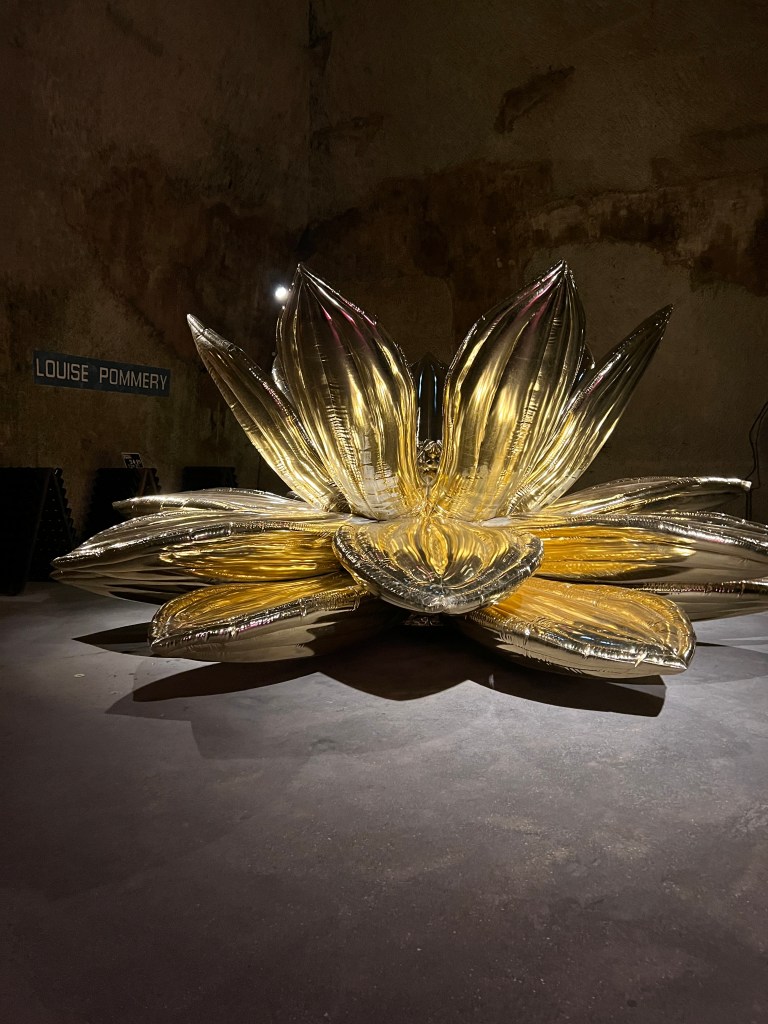
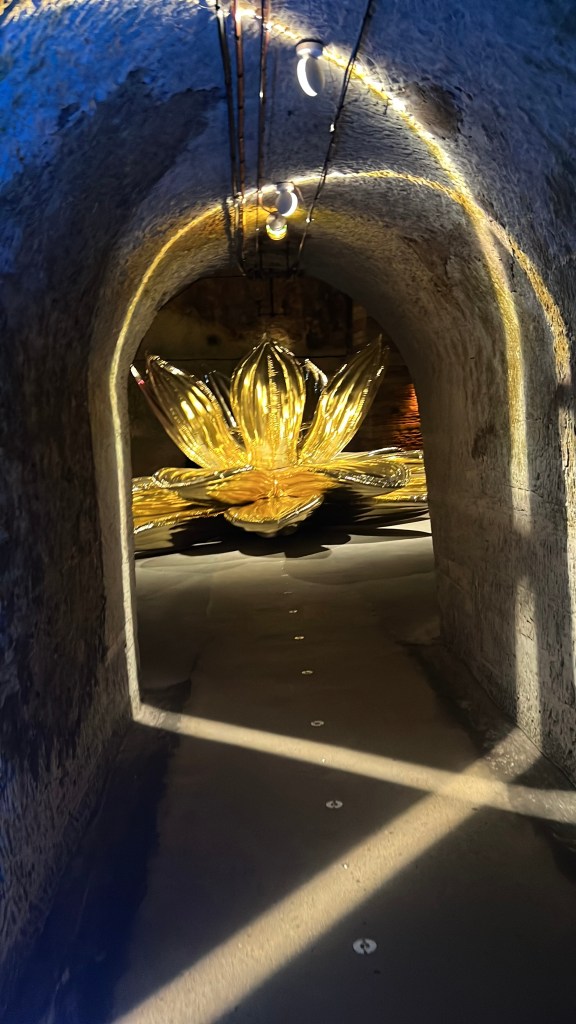
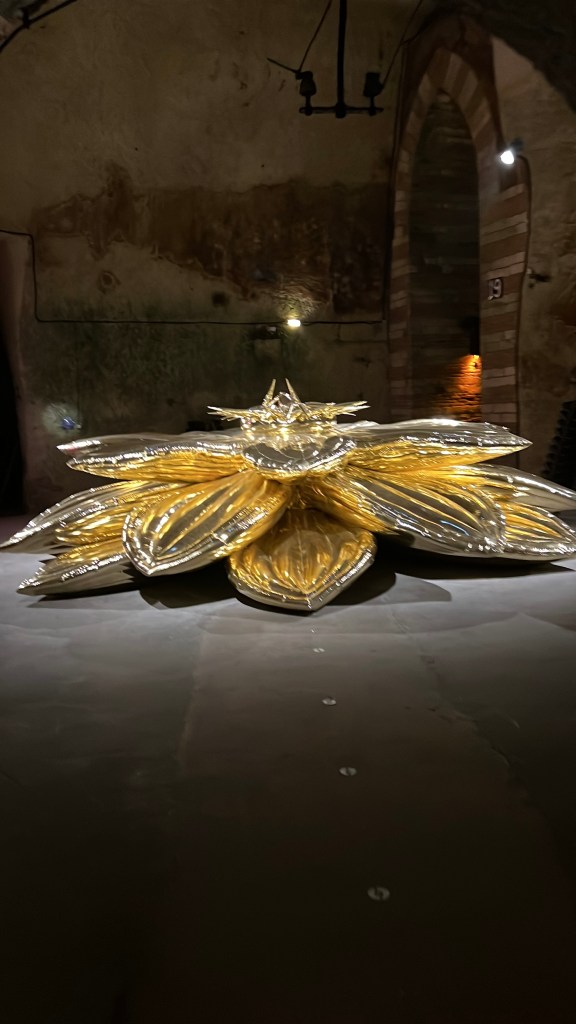
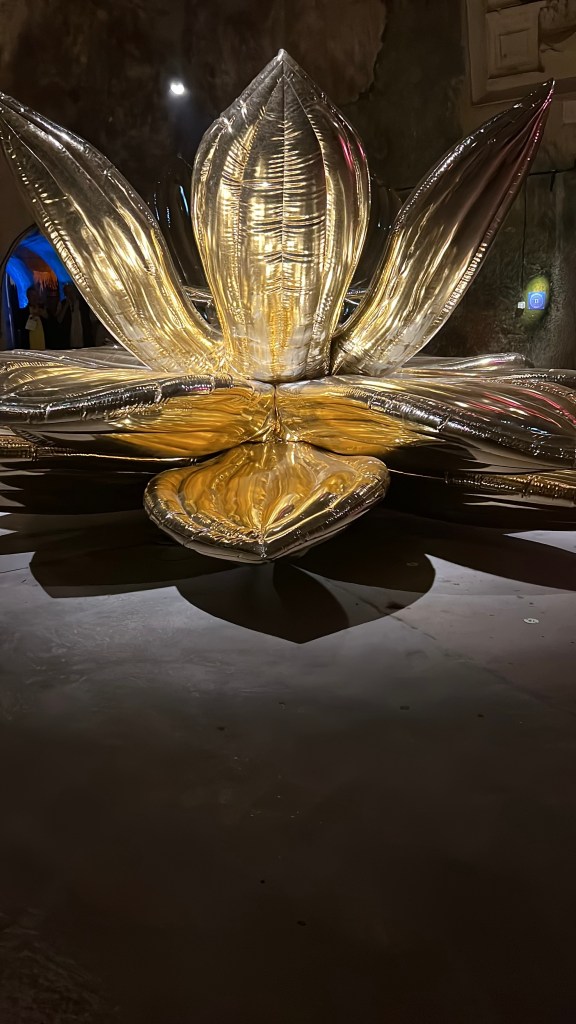
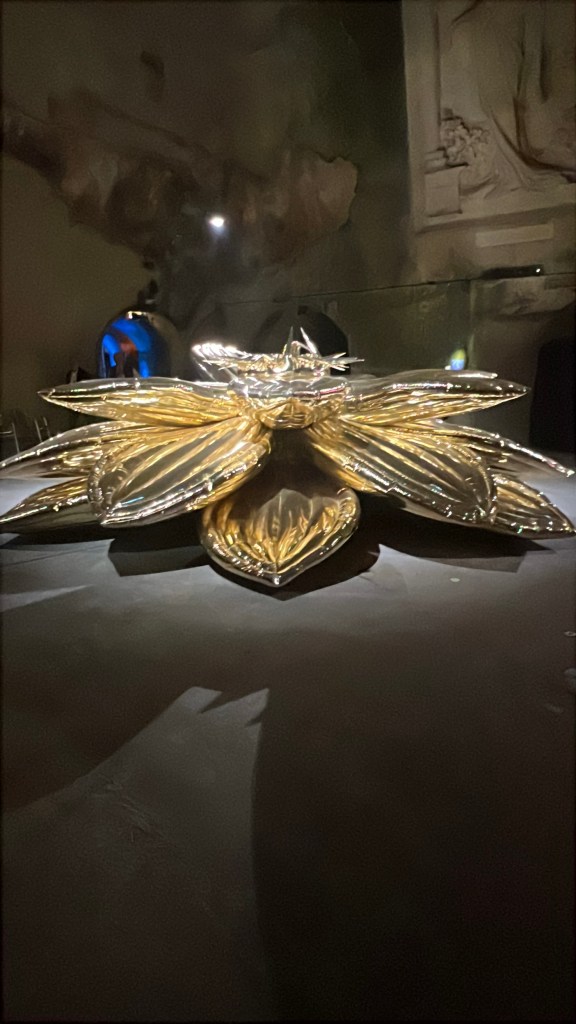
I loved this lotus flower from Pommery!
Underground galleries of the Pommery House
«Giant Golden Lotus “Golden Flower” by Choi Jeong Hwa»
His “breath” symbolizes the meditative rhythm of life
 ARRESTED BY GRACE