
This post is the basics, just in case you want to set off on a bike ride on the C&O Trail. I could write a book on how the trail changed us. Bikes, overall, have changed us.
Total Miles on Bike = 80 miles
Total Walking Miles = 12 miles
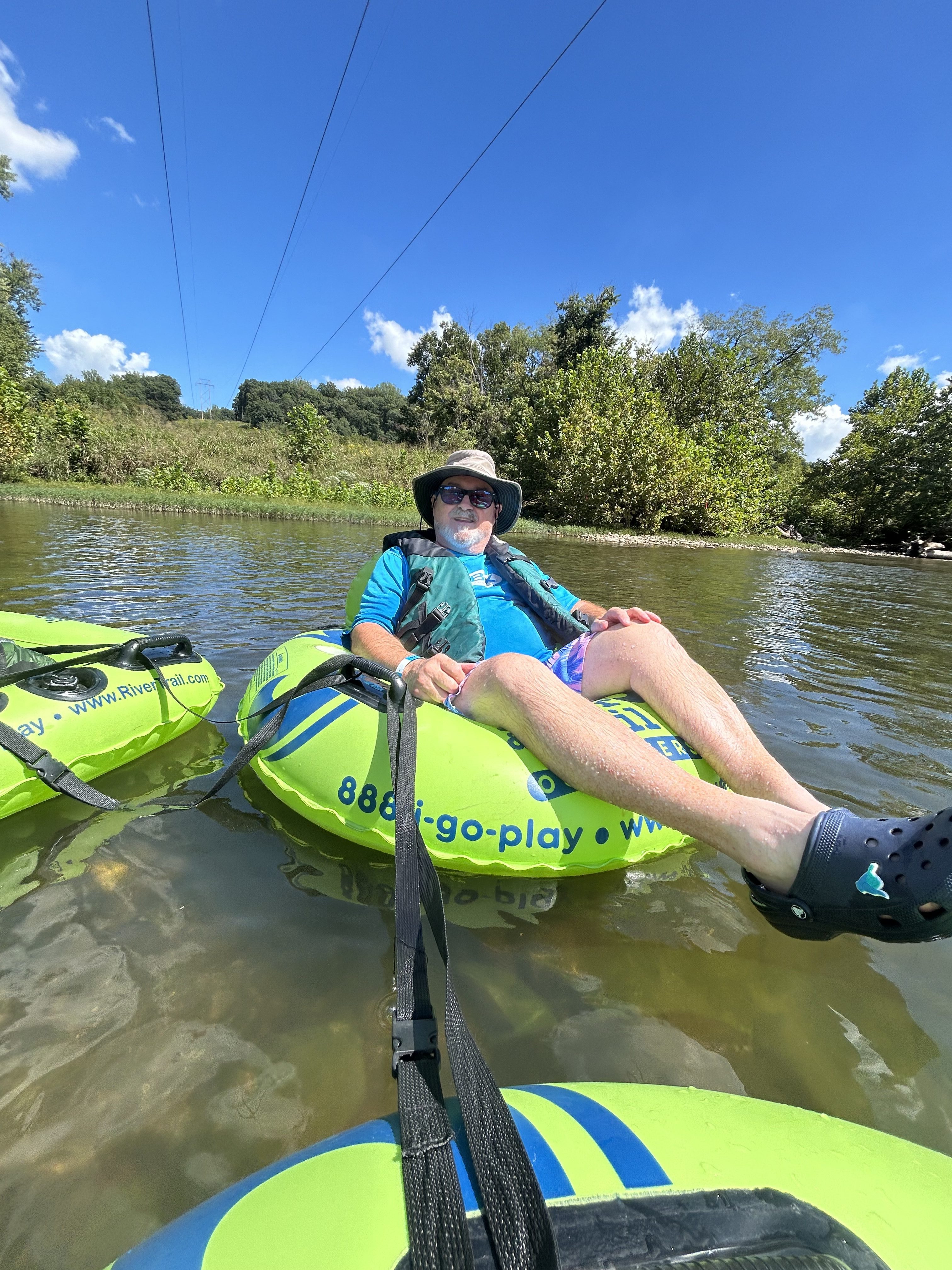
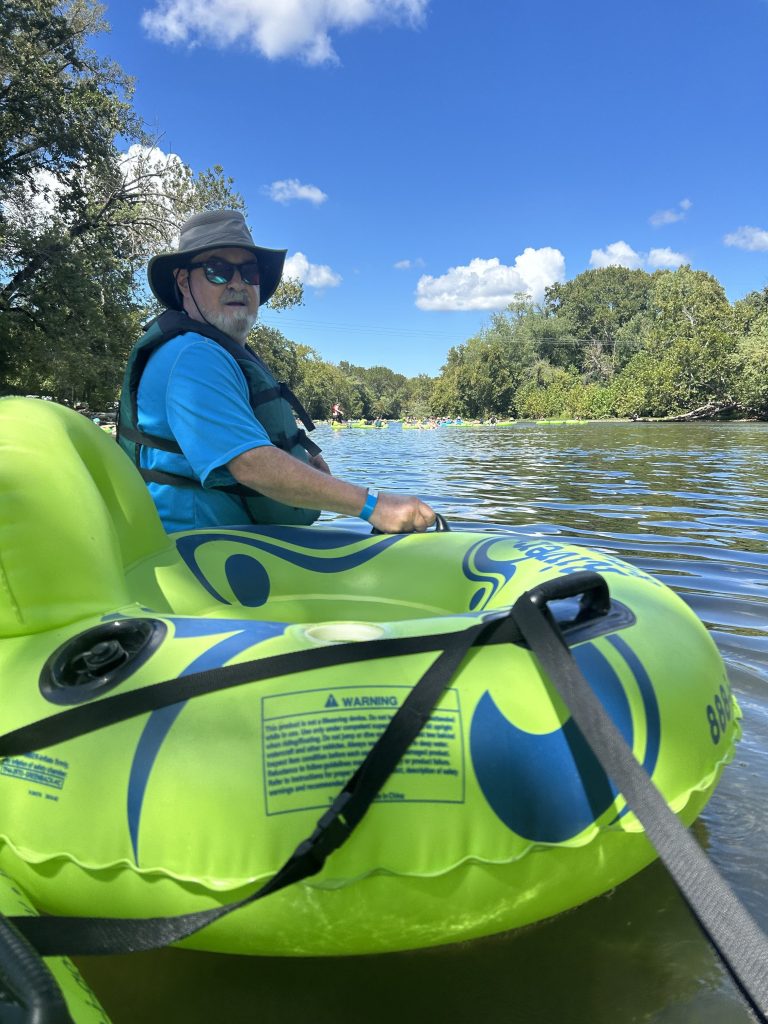
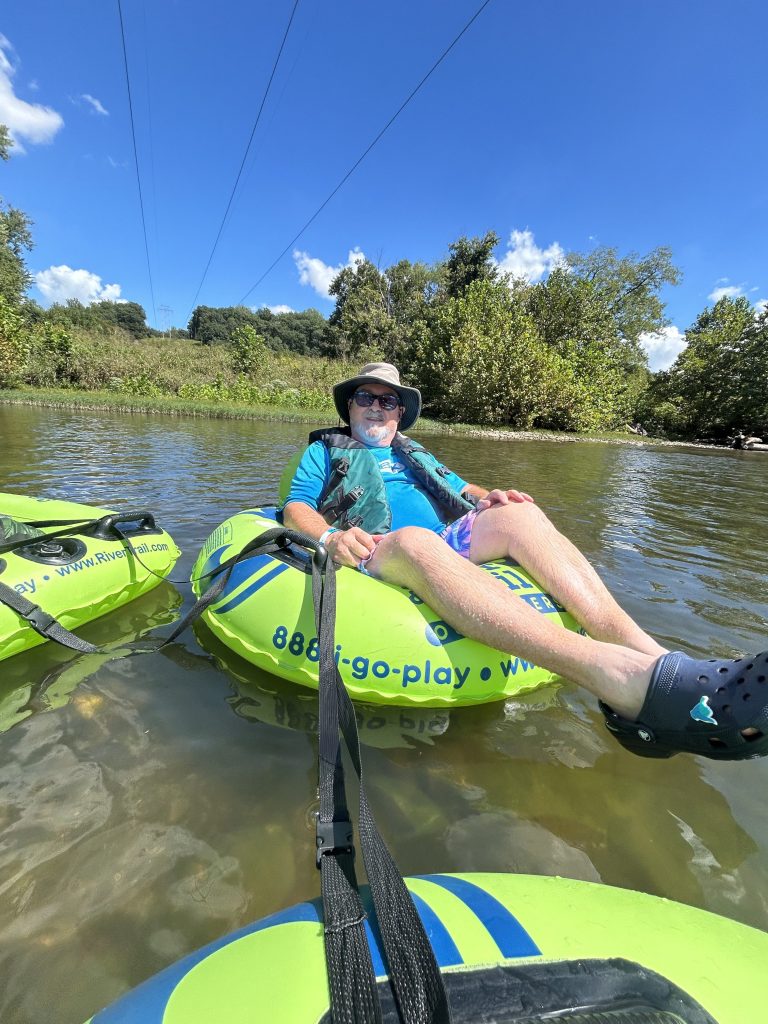
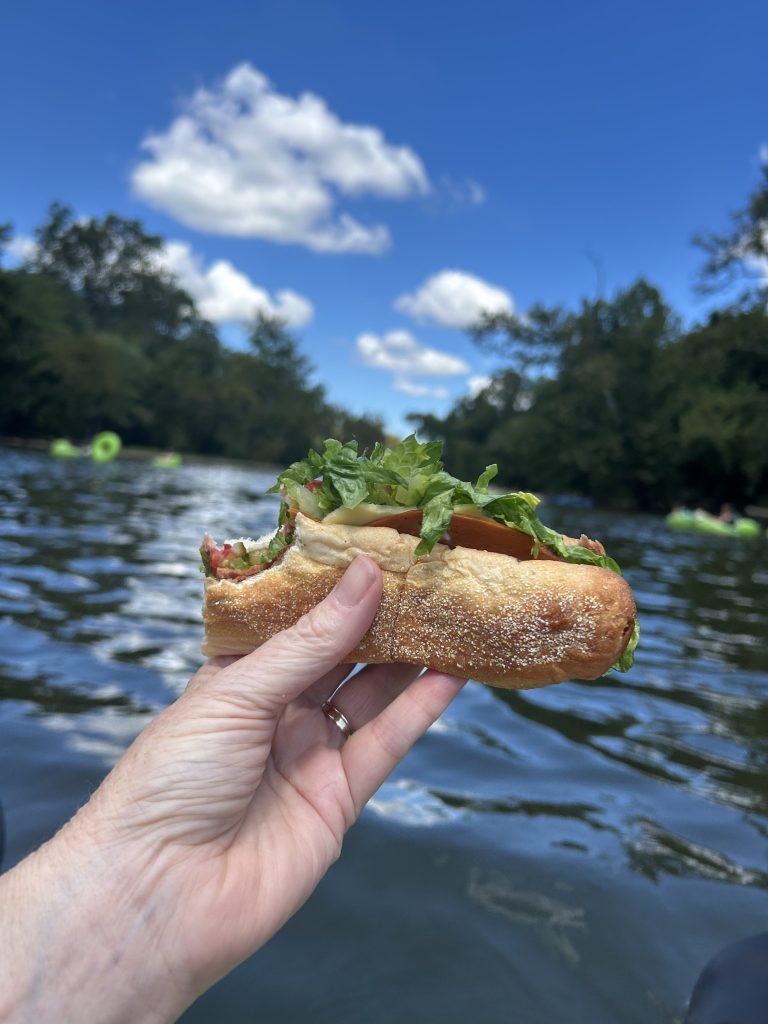
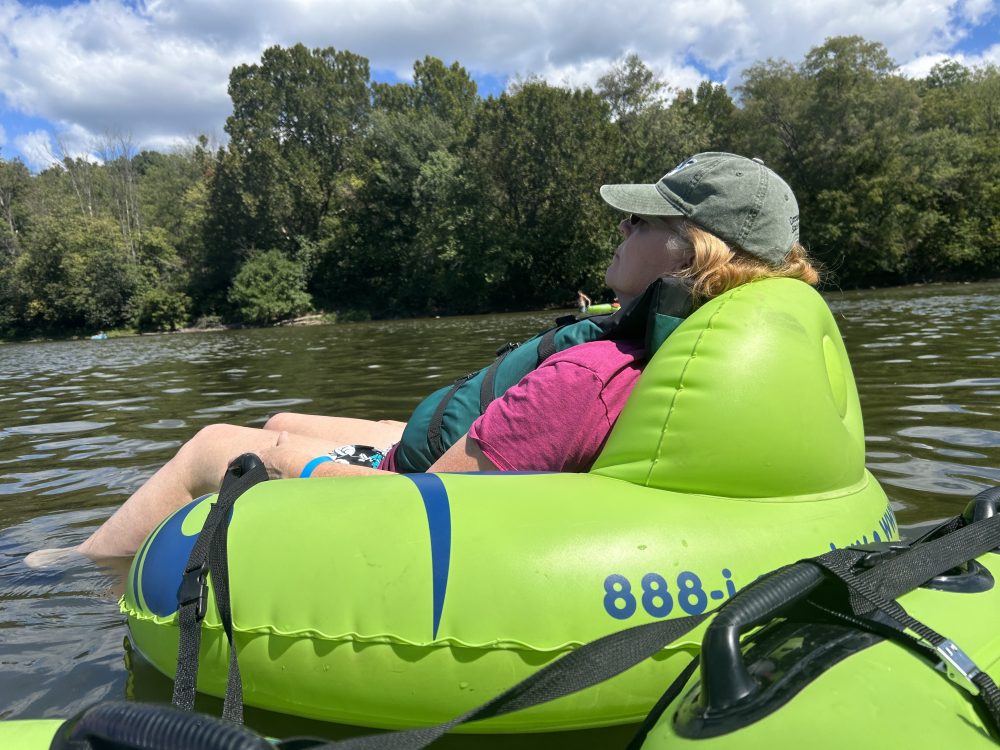
Tubing: 3 hours
How We Got Here
We’ve been riding as a couple since our days in Gloucester, VA, when Parish was a department store manager at Peebles. We were about 26 years old, and we had two cruiser bikes that we put on layaway at the Rose’s Store. One day, when my mom came to visit, she found out we were paying them off $5.00 a month and got them out of layaway for us. We got a baby seat for Victoria and rode our bikes in a cruising style.
Fast forward to our late 50’s: we traveled to France, rented E-bikes to tour Normandy, and upon return, we upgraded to E-bikes ourselves.
We purchased our bikes from Kul Wheels in Richmond, VA, and we highly recommend them — you can test-ride bikes before you purchase. They also host monthly bike trips, and on one of those rides, we chatted with another rider who told us about his experience on the C&O Trail. We came home that night and planned our trip.
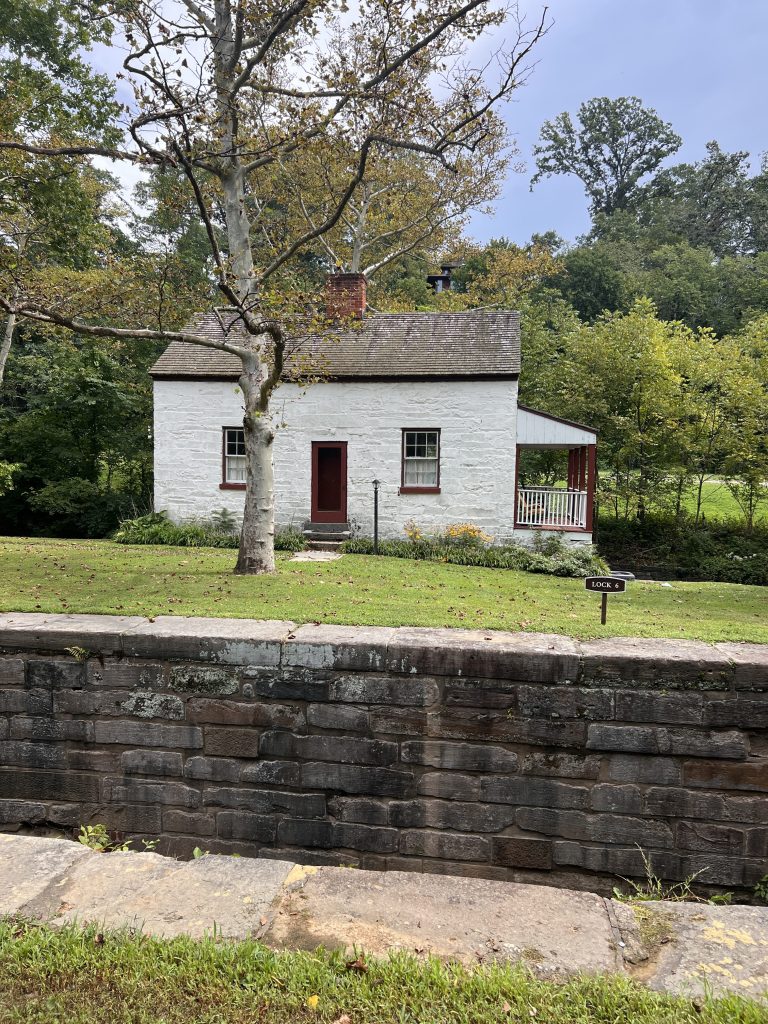
A little trail history: the C&O Canal towpath runs 184.5 car-free miles between Georgetown in Washington, D.C., and Cumberland, Maryland. It almost became a highway in the 1950s, until 55-year-old Supreme Court Justice William O. Douglas hiked the entire length in eight days in 1954 to rally opposition. The route was preserved and became a National Historical Park in 1971, which is exactly why bikers like us get to enjoy it today.
Getting There: Amtrak with Bikes
We took Amtrak from Staples Mill Road Station to D.C. Remember to select the “bike” filter to find the train leaving Richmond for D.C. that allows bikes.
- Research bike requirements first. If you can bring your bike, purchase a ticket to reserve a spot for it — they only have about 4 slots, so plan ahead.
- We were lucky to take Amtrak (much more reasonable) because our bikes, without the battery, are under the 50-pound weight limit, and our tires met the criteria, too (2 inches).
- You’ll need to be prepared to take off your front wheel, so bring the proper tools.
The Richmond Amtrak staff were not especially friendly or helpful with our bikes. We felt like we had to advocate for ourselves. Get there early, have a great attitude, and be ready to take your wheel off. We had all our bags slung over our shoulders as we pushed the bikes. A little more direction on which car to use and some assistance would have gone a long way. Once we got on the train and made connections with the conductor, he became supportive and gave tips and assistance.
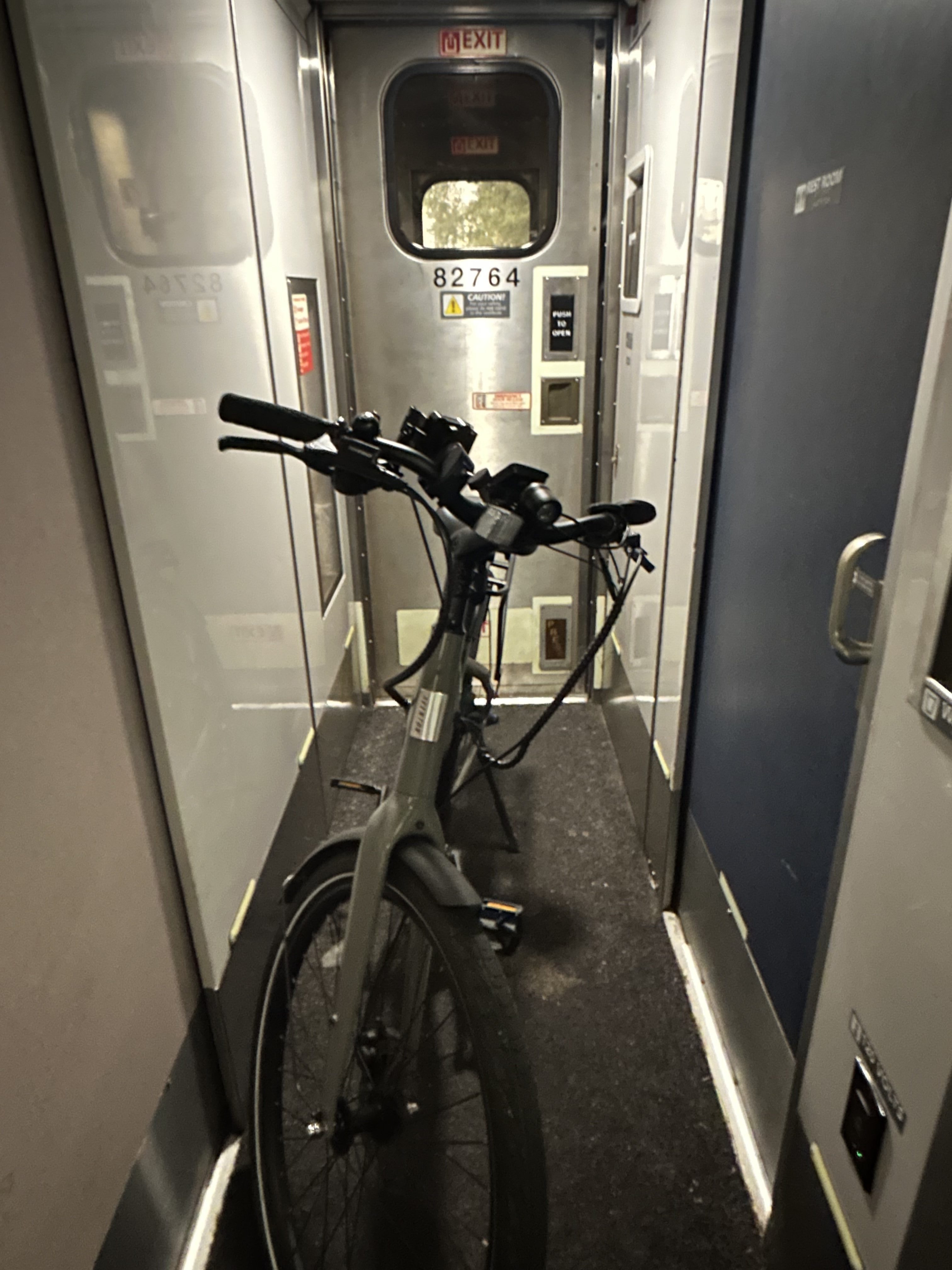
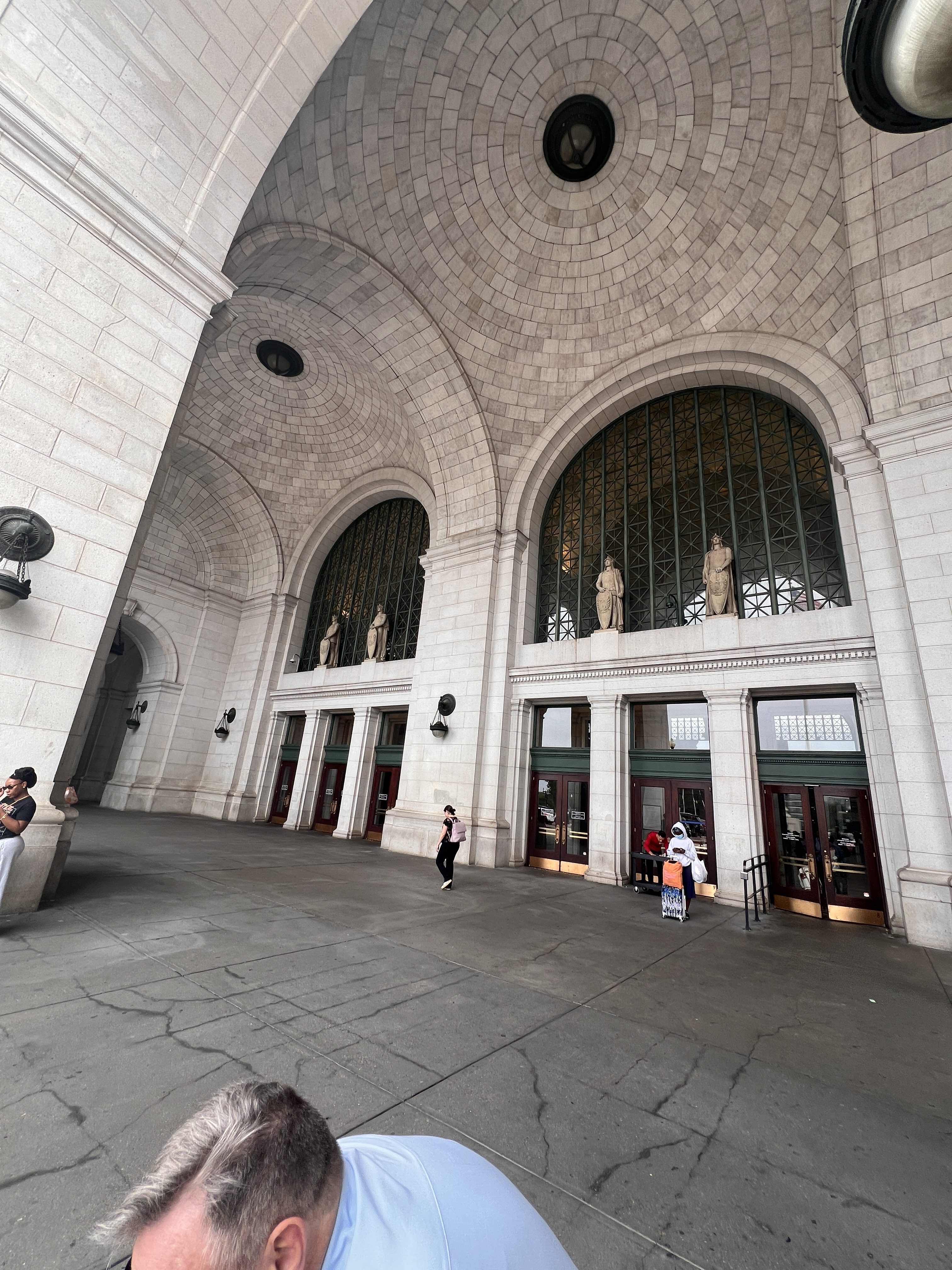
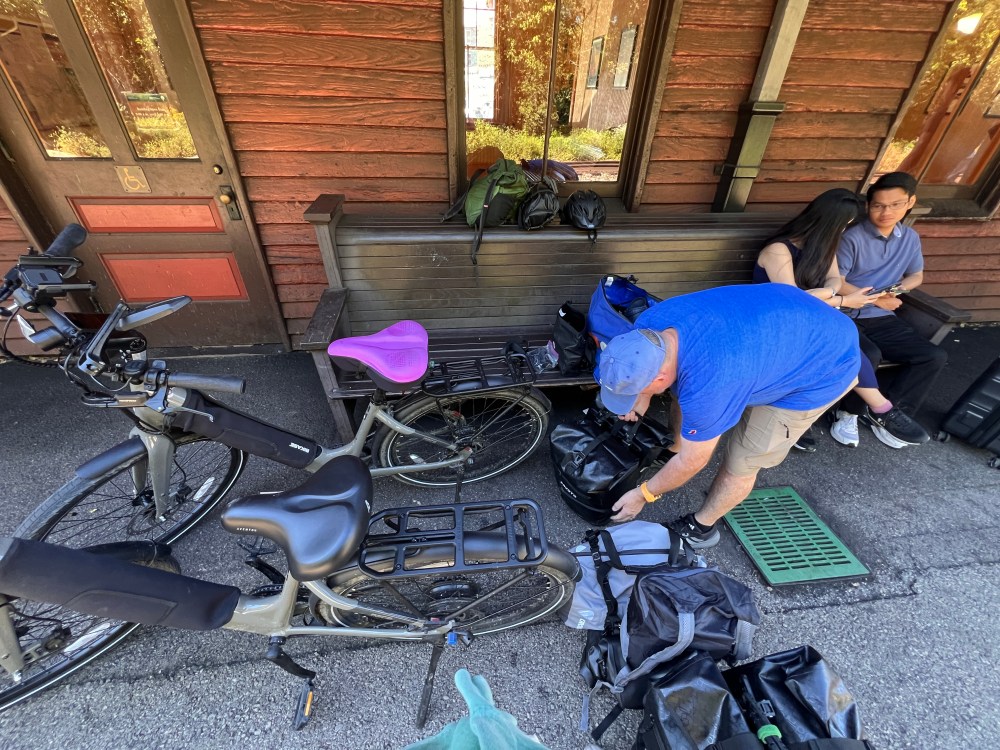
On the train, you’ll need to make sure your battery is off the bike and in your bag, and your bike gets “hung” in a dedicated bike area — ours were separated. At the stop before D.C. (Alexandria), we got up to put the wheels back on and asked some fellow riders we’d gotten to know to watch our bags. Not easy, but we did it, and we’d do it again. They don’t want you to place bags on the platform, so strap them to your shoulders and head to the elevator to the upper level of Union Station. We hung out just outside the elevator to get everything back together, then set off for Georgetown, Mile Marker 0.
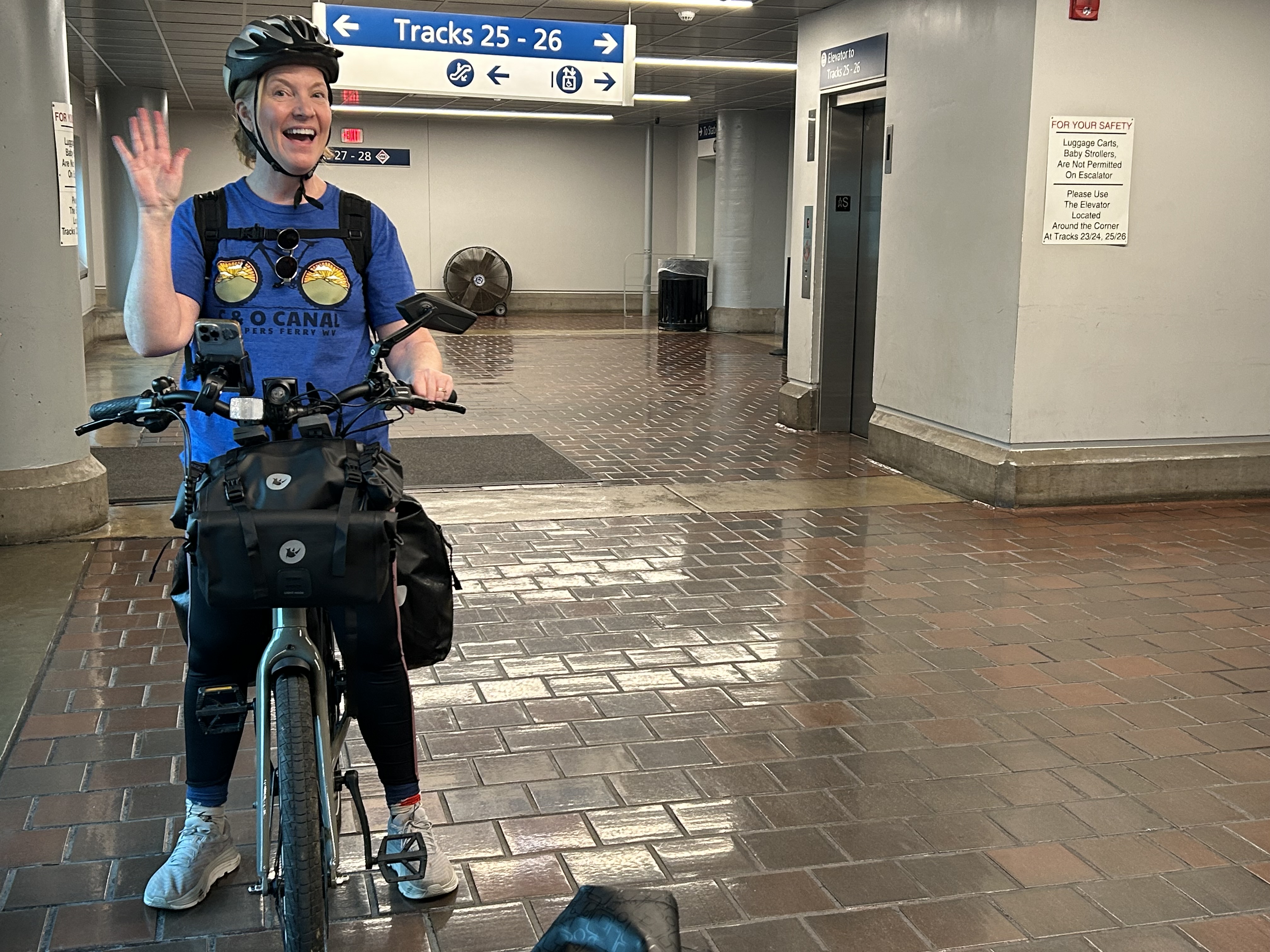
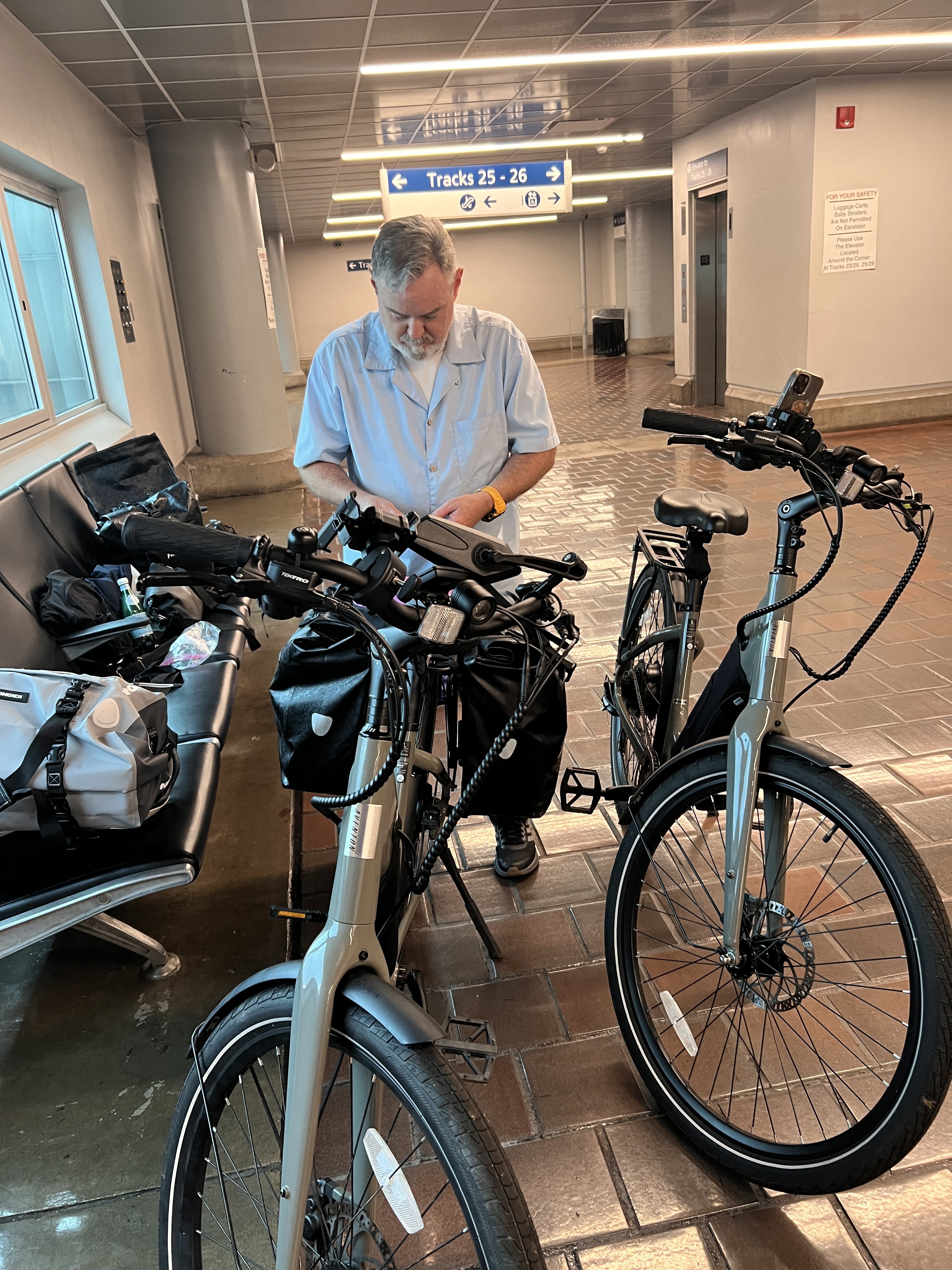
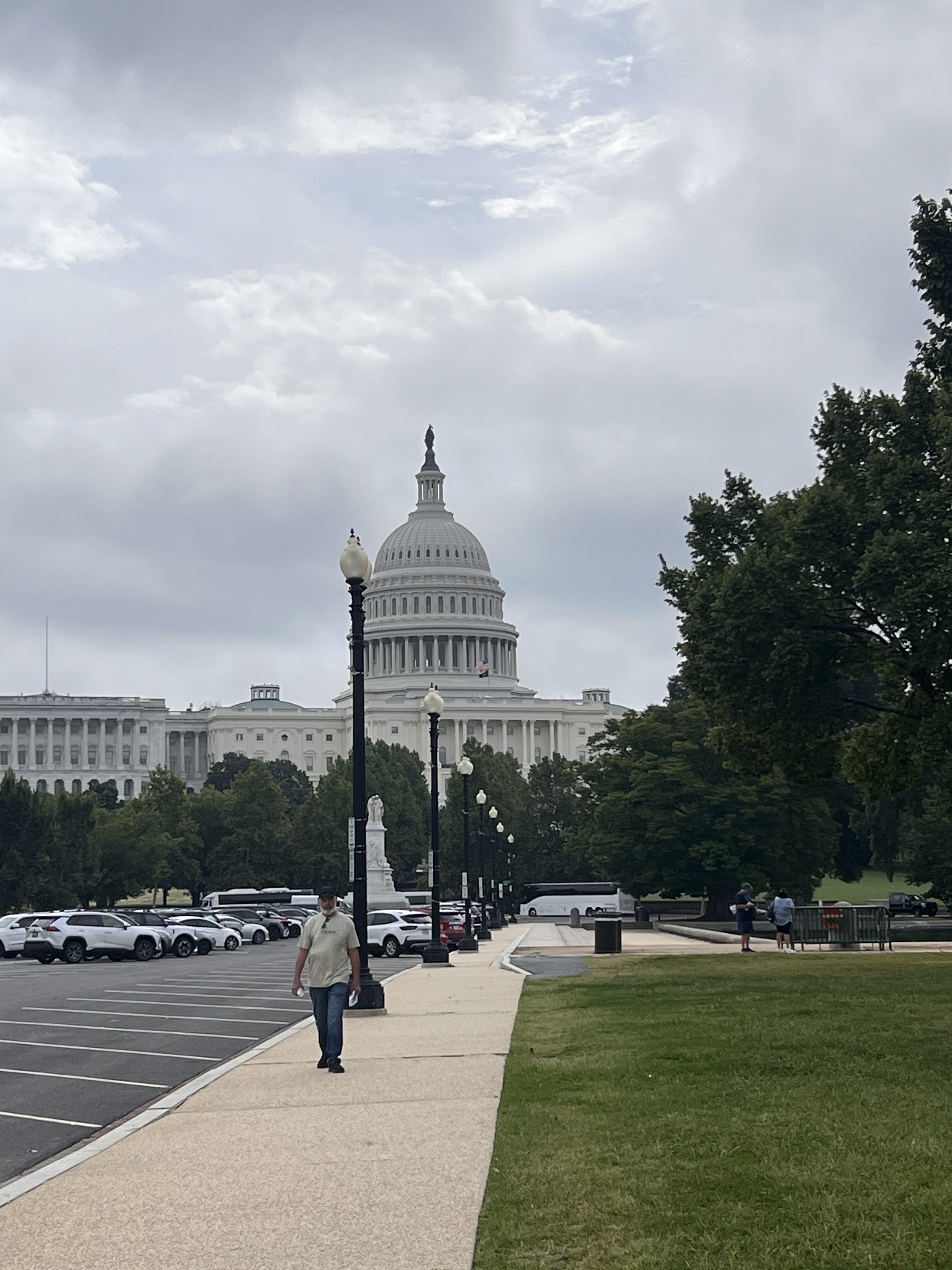
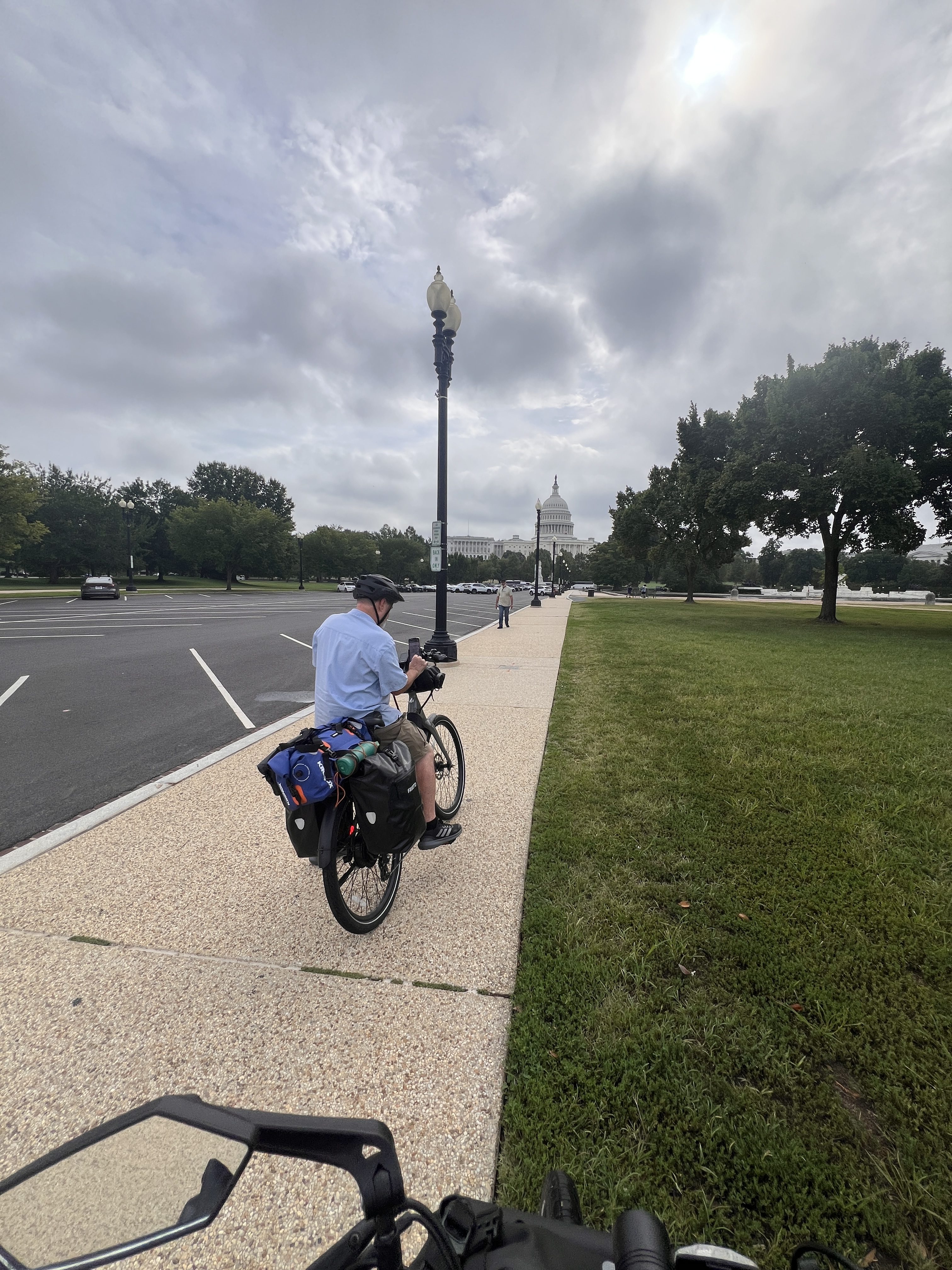
There were mostly bike lanes from Union Station, but sometimes we walked our bikes — especially around the Union Station drop-off area. Obey the traffic signs; I know that sounds obvious, but pay attention.
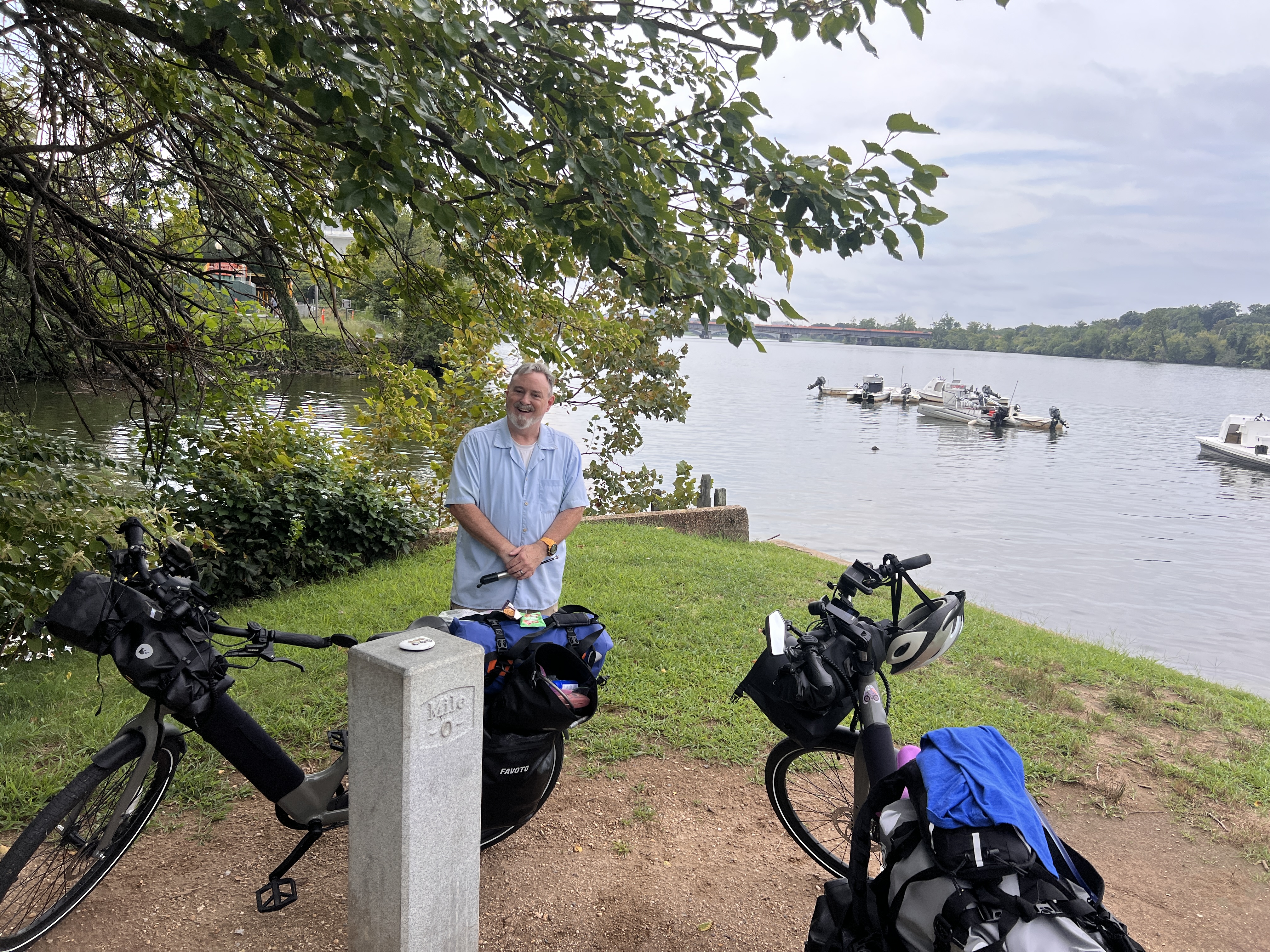
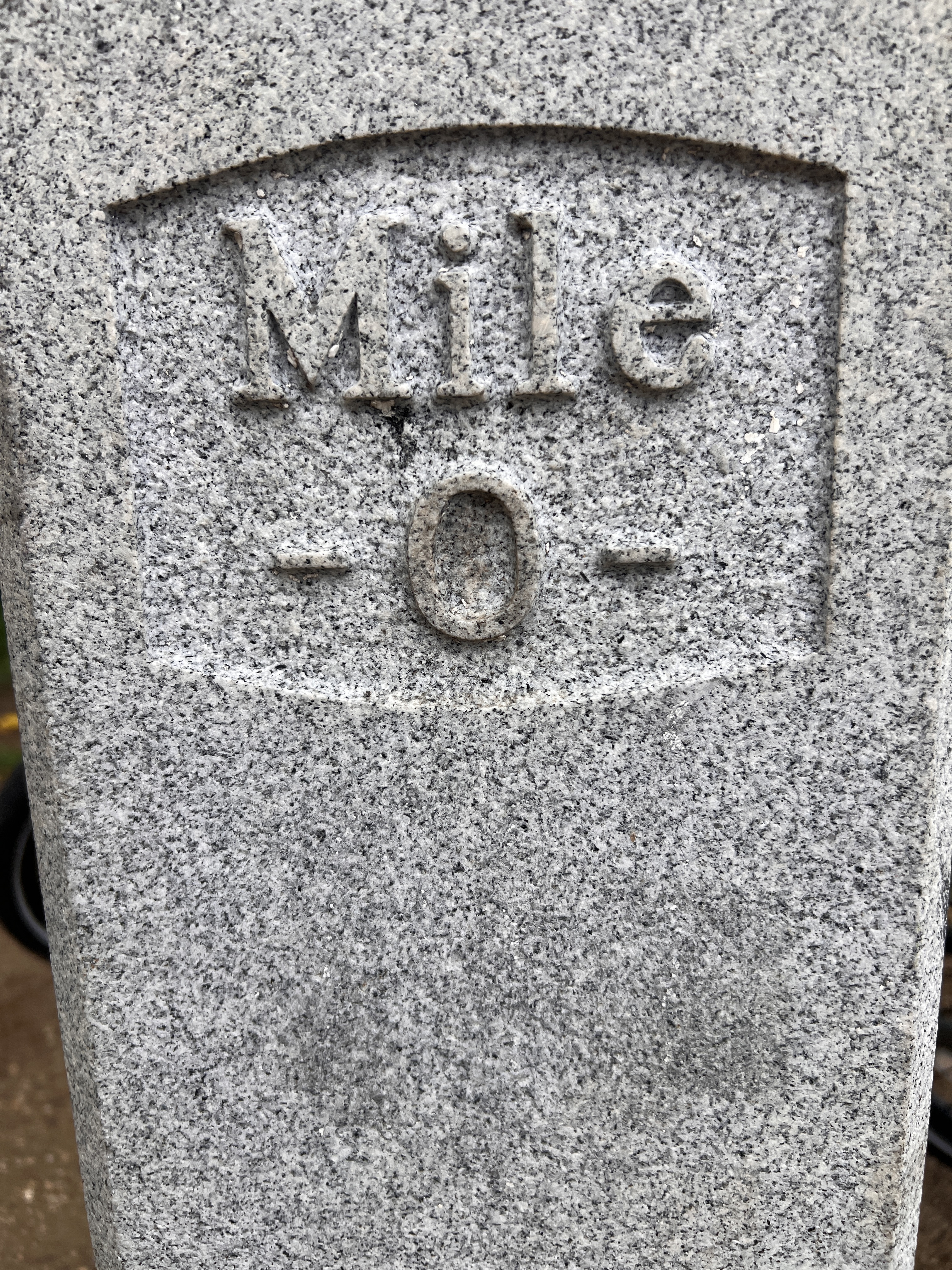
Mile Marker 0 is a bit out of the way (it’s tucked behind a marina), but it’s worth the detour to start there: 📍 C&O Canal Towpath (Mile Marker 0) — 2900 K St NW, Washington, DC 20007
What to Pack
Bike repair kit (small bag, easy to build from Amazon):
- Tire repair items
- A tool to remove the wheel
- A tire pump that matches your PSI
- Spoke repair items
- Chain repair items
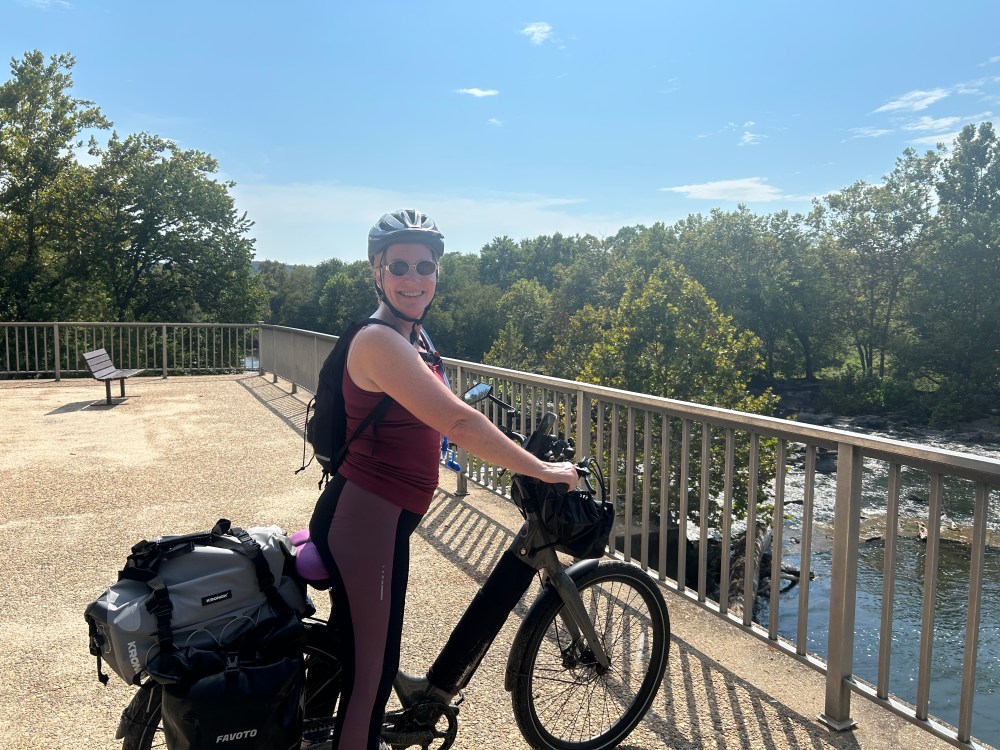
Luggage — research what fits your bike’s specs. We used:
- Two saddlebags
- A handlebar bag with a small attachment bag
- A duffel bag
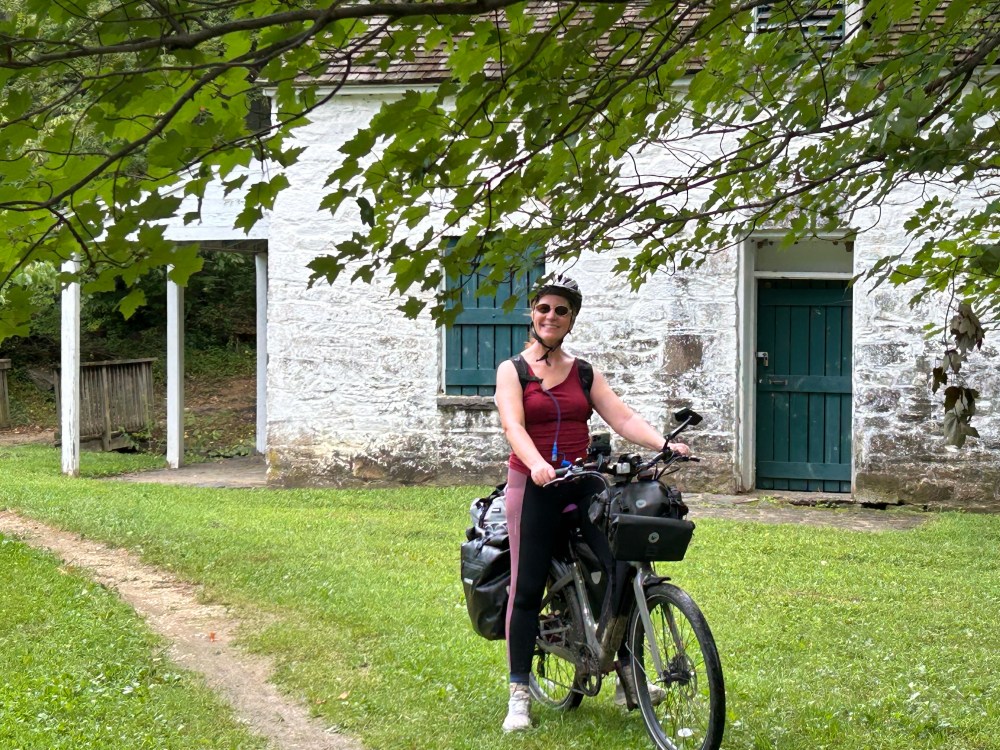
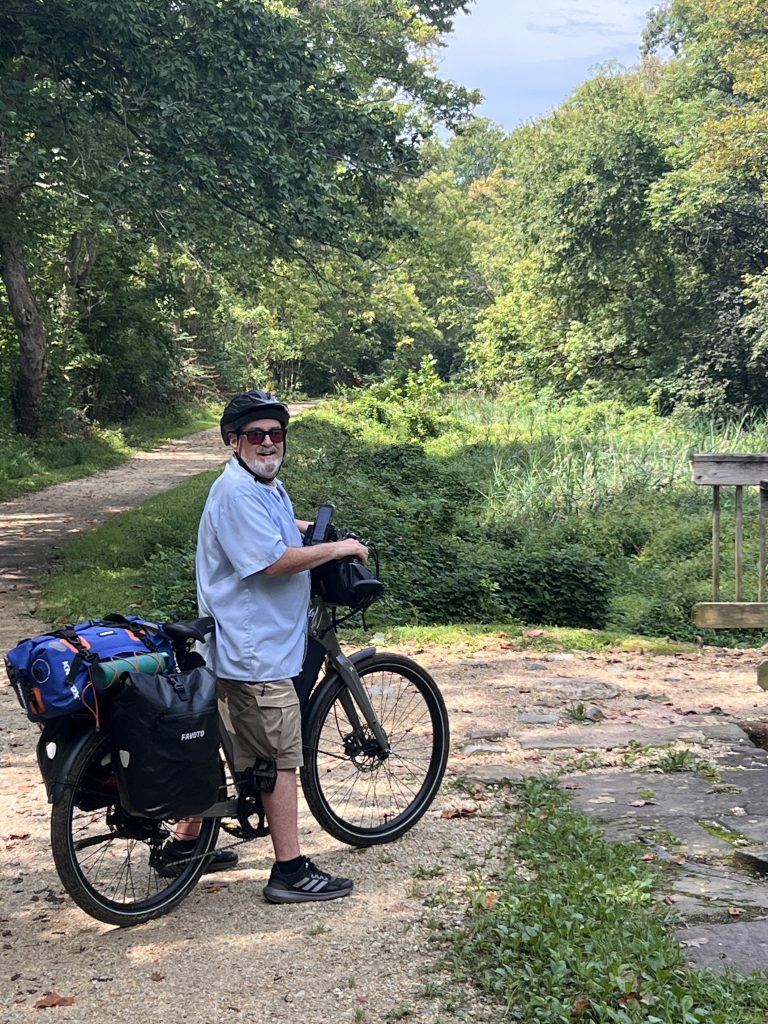
We comfortably carried clothing, toiletries, tools, snacks, drinks, an extra bike battery, and water bottles. I also brought a CamelBak for my water supply. Everyone’s bike is different — look at yours and figure out how you want to position your bags. A must: biker pants/shorts with the inserted padding! Lifesaver!
Trip at a Glance
| Day | Route | Overnight | Notable Stop |
|---|---|---|---|
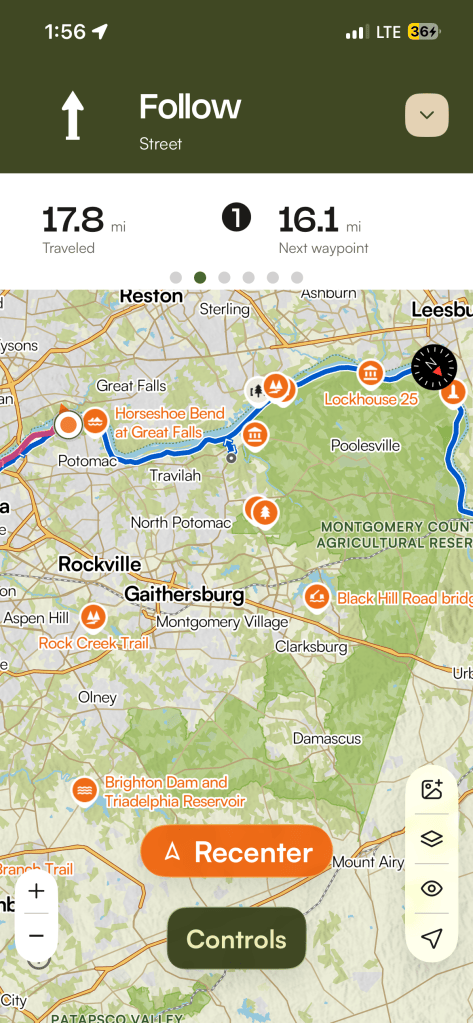
| Day 1 | Georgetown → Germantown, MD | Airbnb (Beautiful 1 BR Walkout Fenced Gated Villa Property) | Old Angler’s Inn, Great Falls |
| Day 2 | Germantown → Brunswick, MD | Holiday Inn Express | White’s Ferry Store and Grill |
| Day 3 | Brunswick → Harpers Ferry, WV | The Light Horse Inn | Tubing, Jefferson Rock, John Brown’s Fort |
Day 1: Georgetown to Germantown
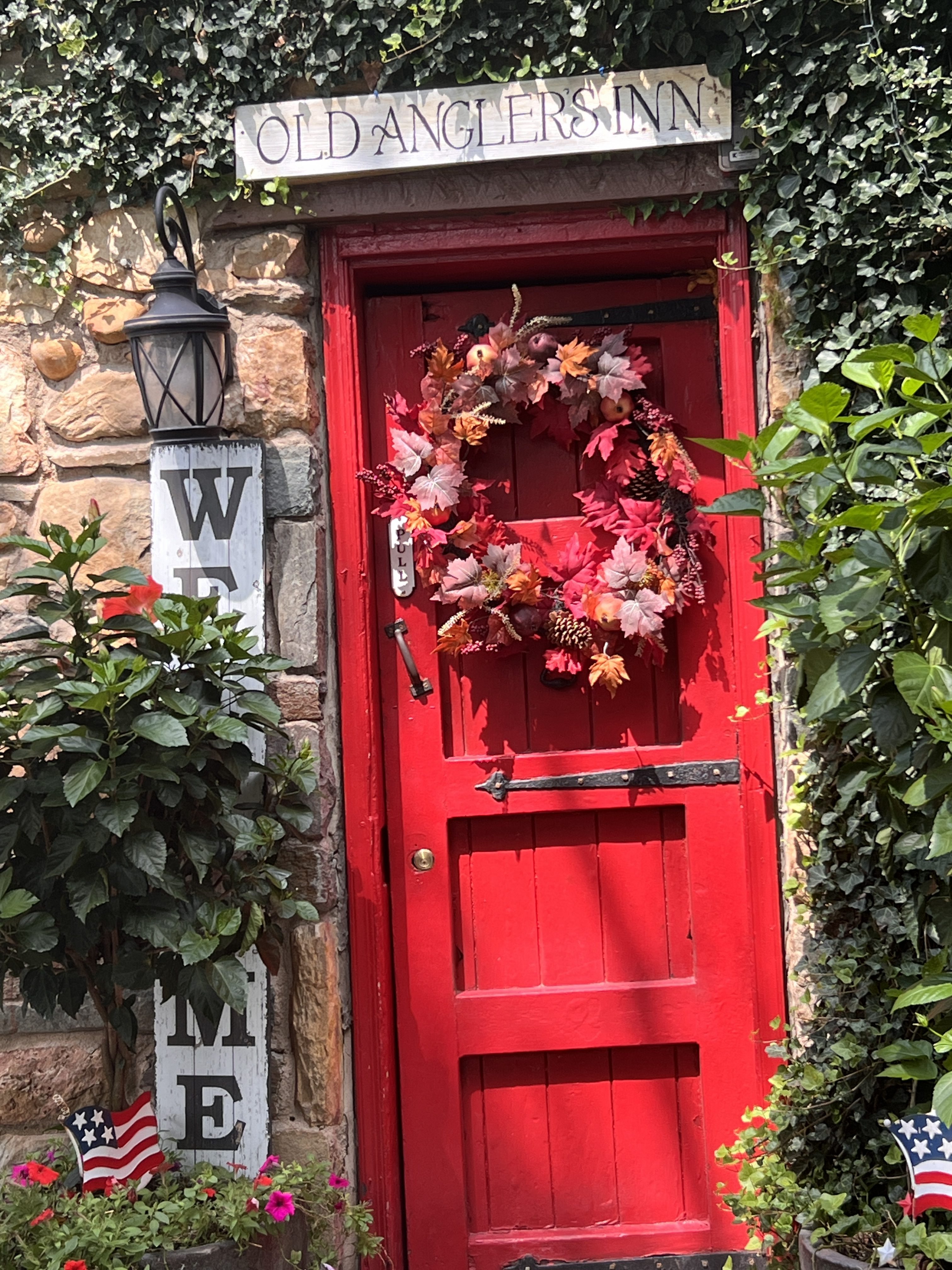
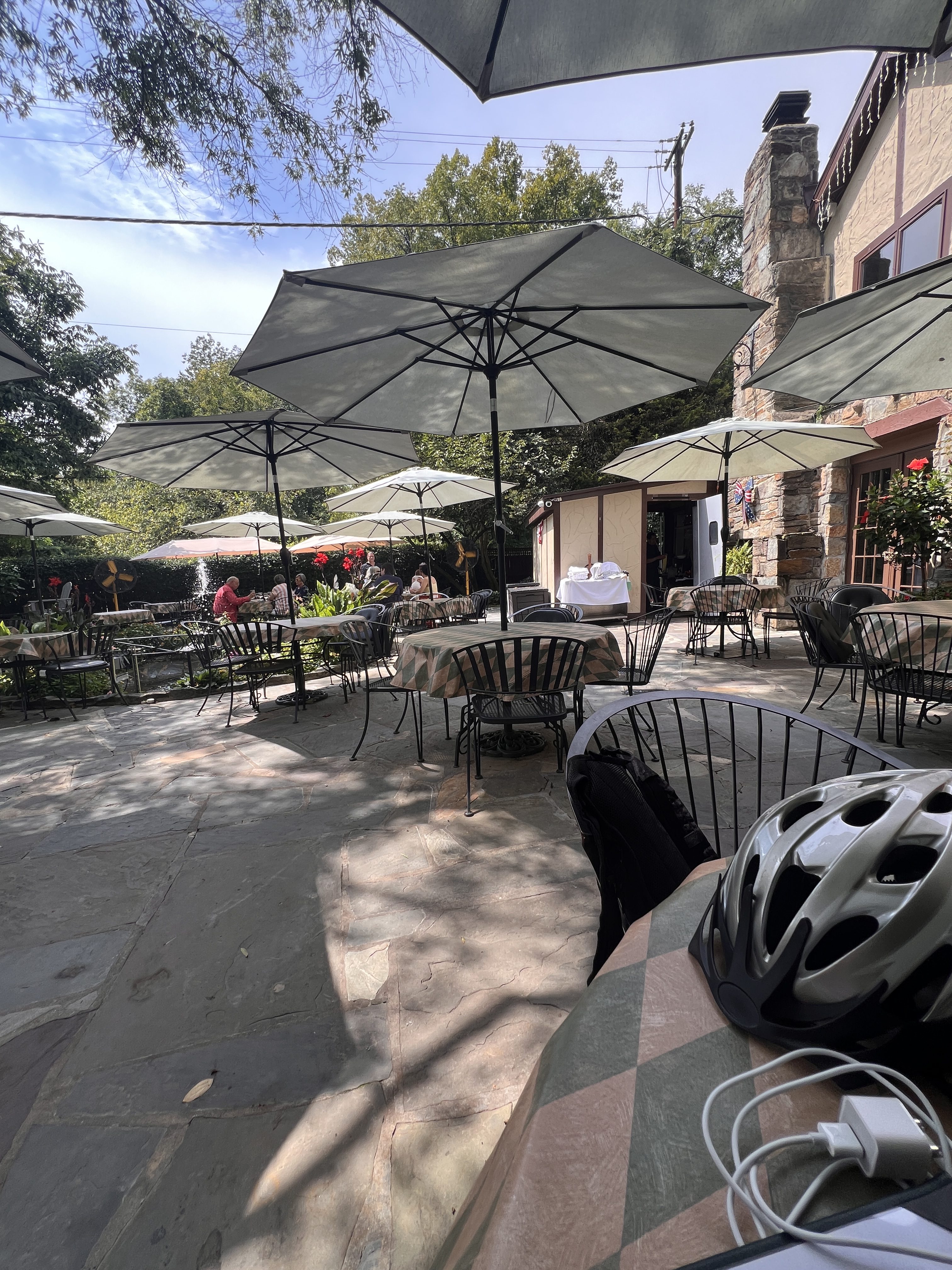
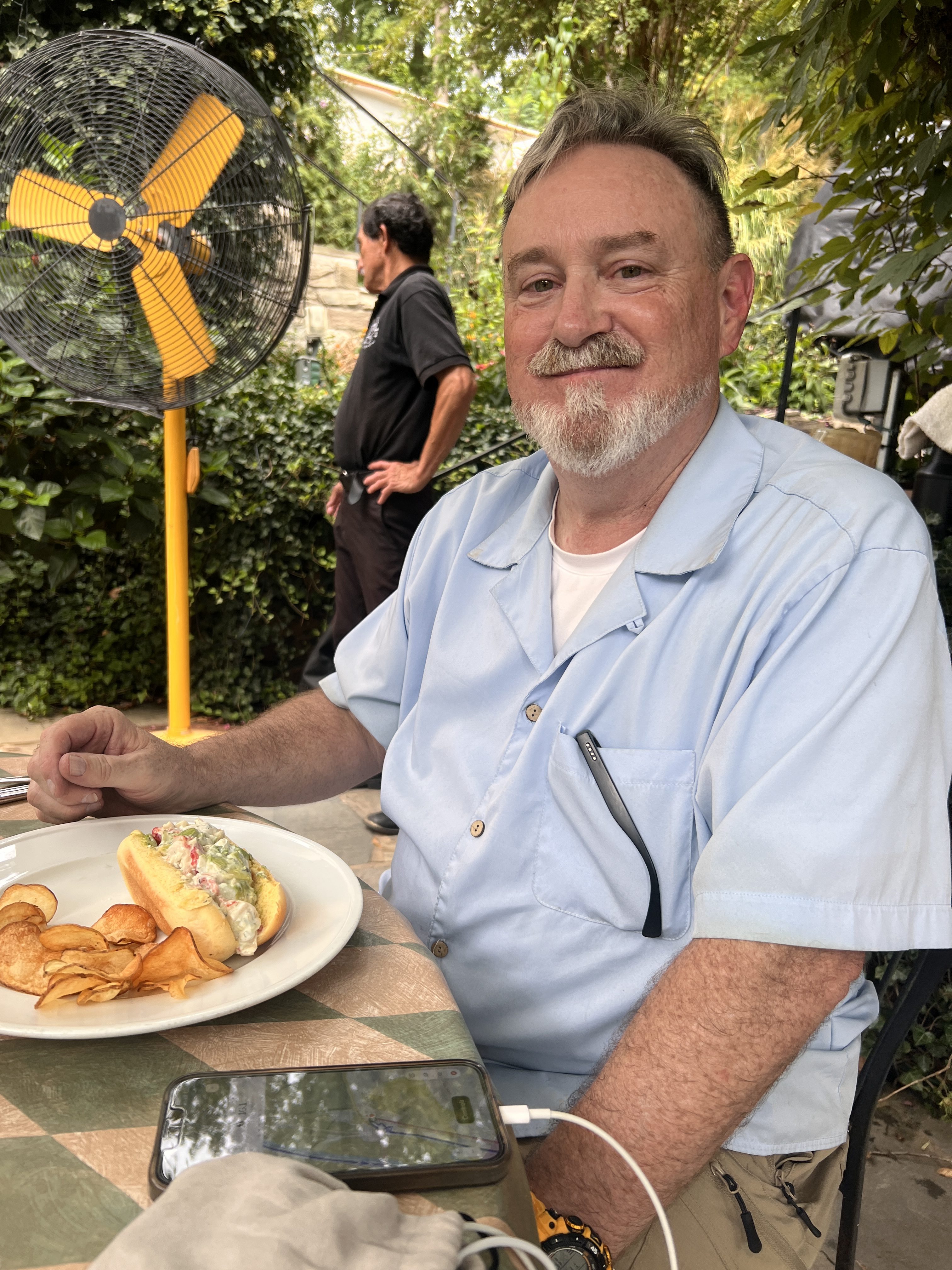
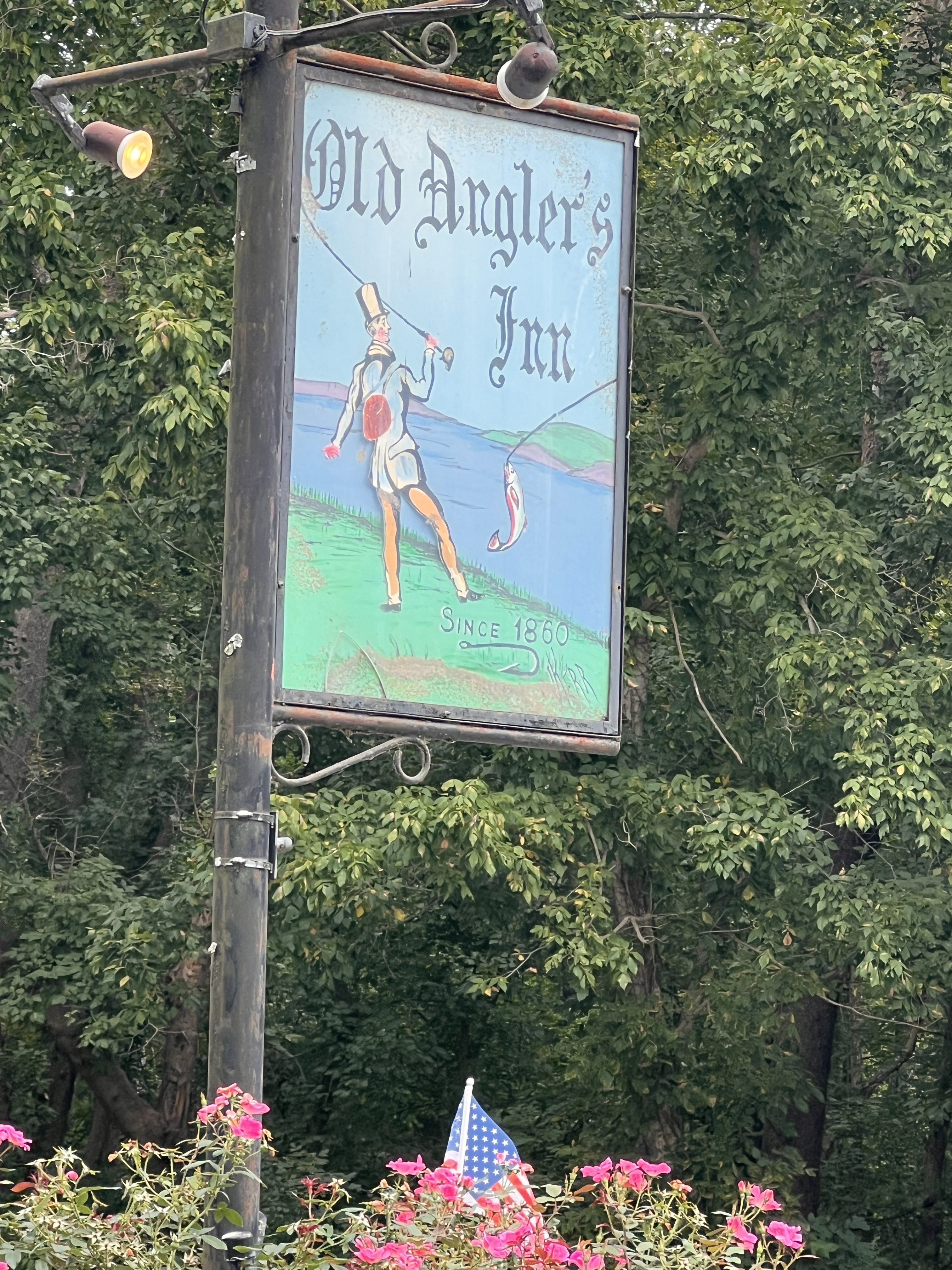
We stopped to eat at the Old Angler’s Inn at Mile Marker 12.2 in Potomac, Maryland. Be careful going up the hill to the main road — there’s a bike lane, but it’s slippery getting to it, and it’s a major hill. (Yes, I fell gracefully and added a new scar to the bunch.) Great Falls is right here, and we also caught views of it from the C&O Trail. We ate lunch here on the way to Germantown, and the food was excellent!
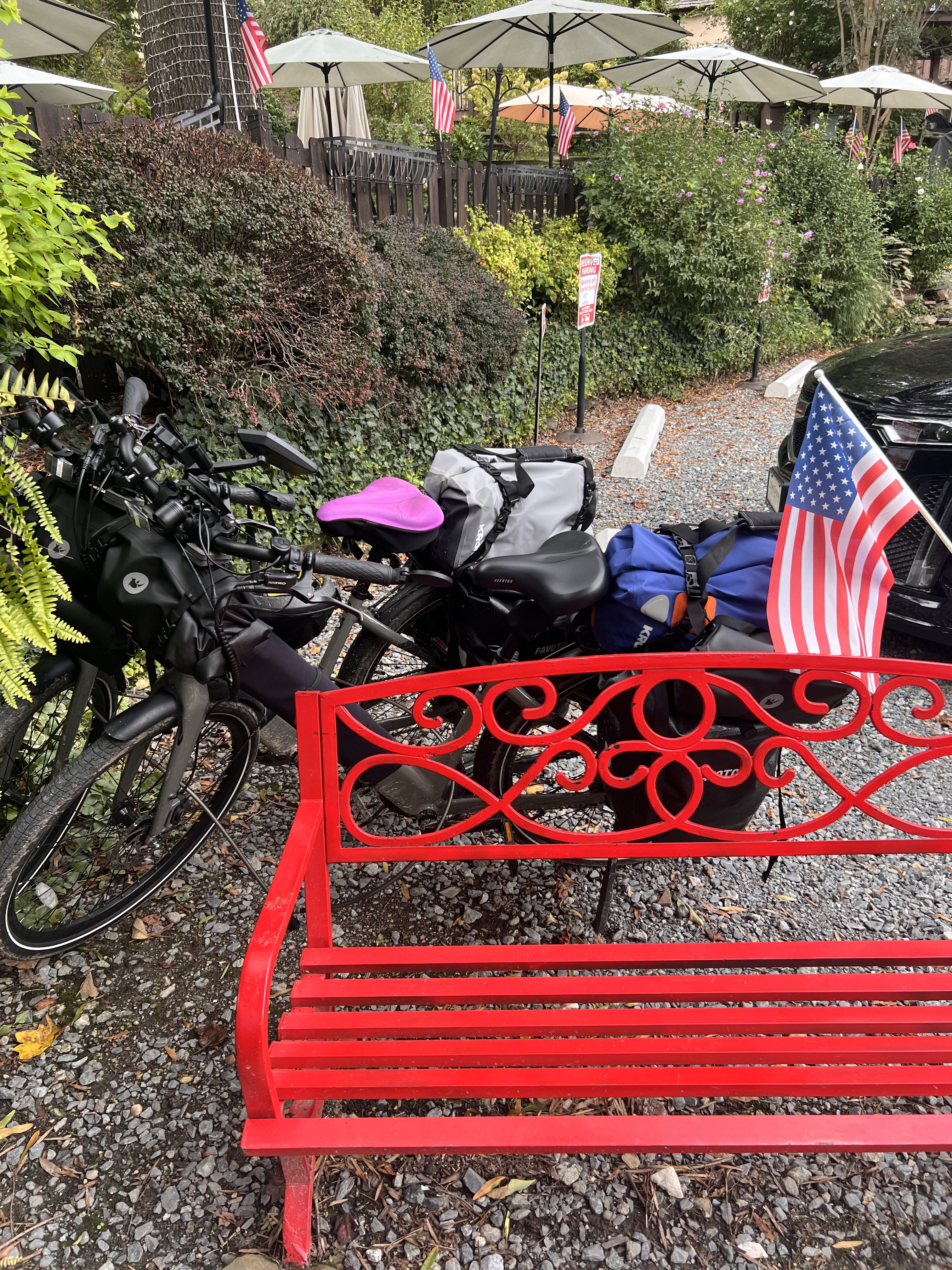
We stayed at a place listed on Airbnb: “Beautiful 1 BR Walkout Fenced Gated Villa Property.” They let you store bikes and wash your clothes, which we needed since there was a lot of mud on the trail that day. You’ll have to order DoorDash food, but there is a kitchen if you want to cook. The ride from the trail to the property was mostly on bike lanes, with one section requiring extra caution (and a major hill). If you can make it all the way to Brunswick on Day 1, it’s worth it — but we stopped in Germantown because we didn’t want to overdo it on our first day.
Day 2: Germantown to Brunswick
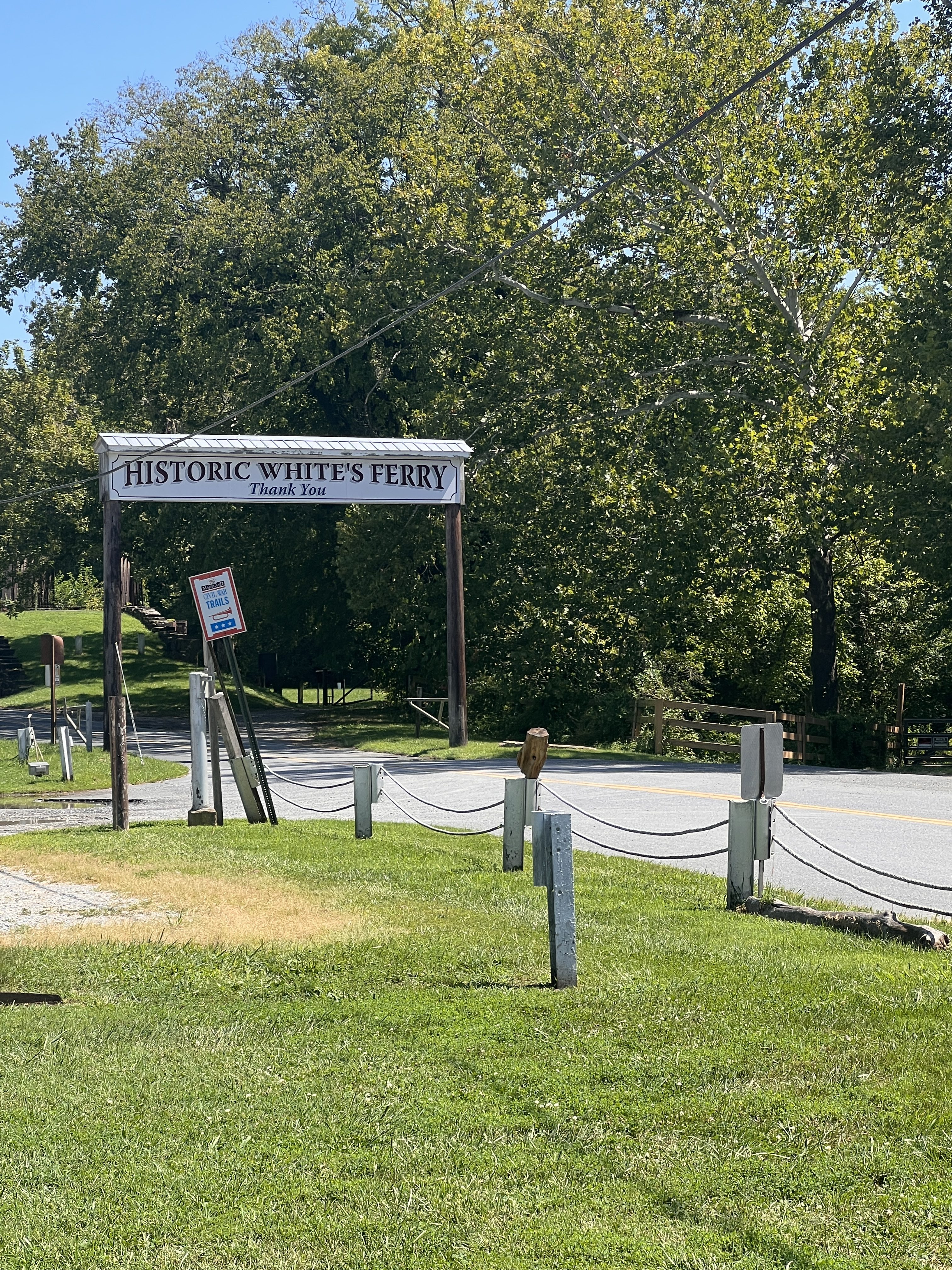
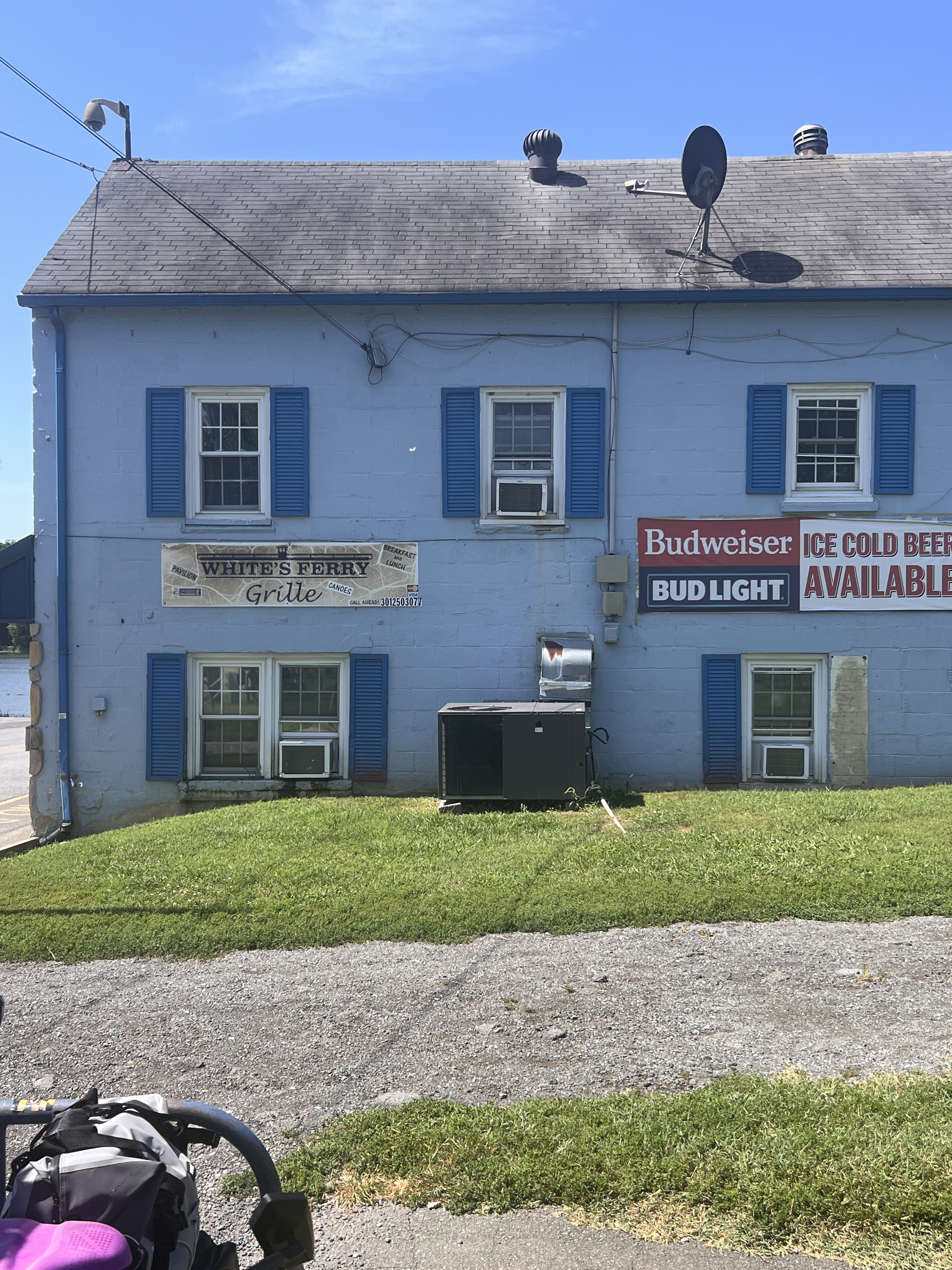
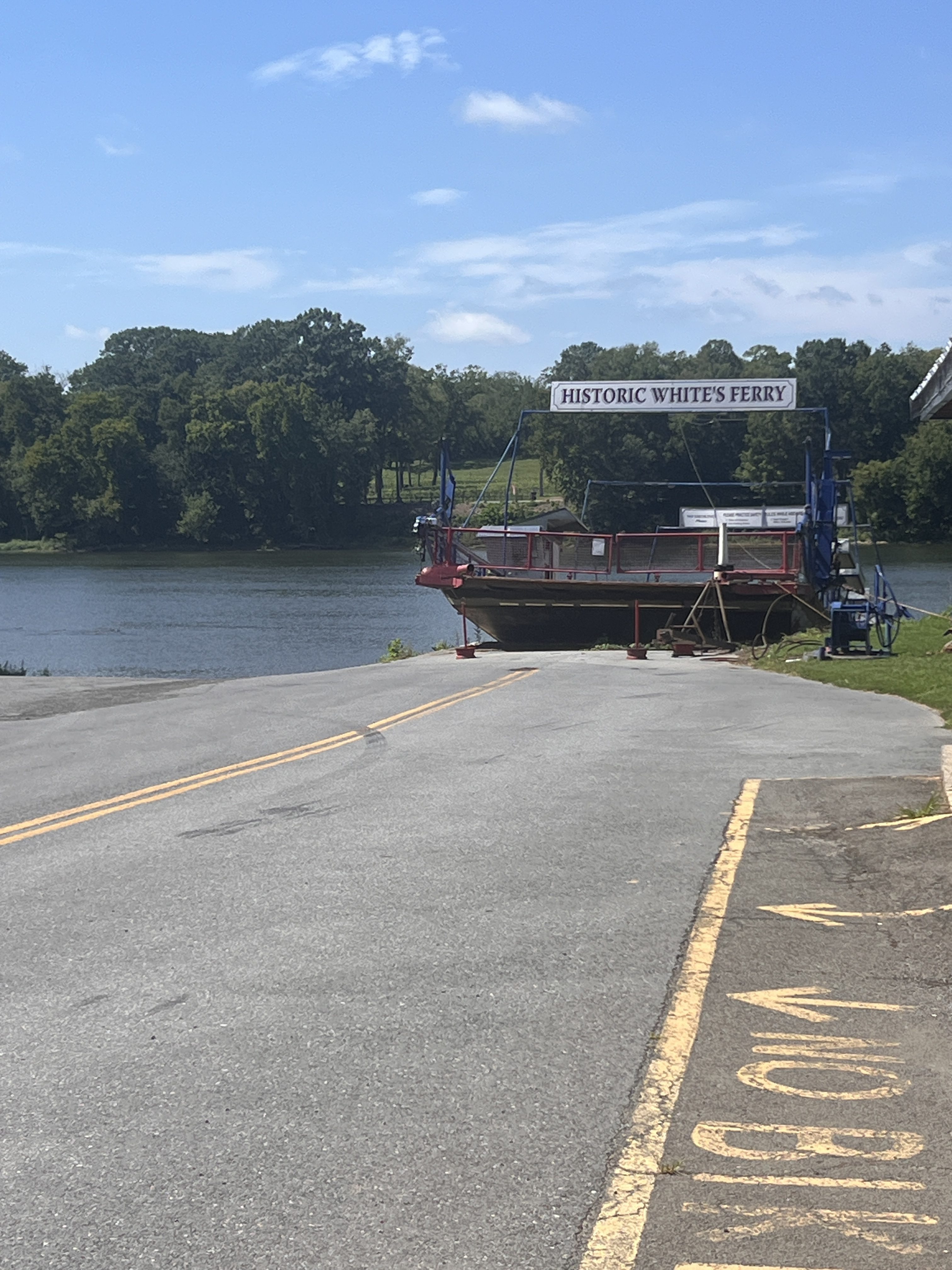
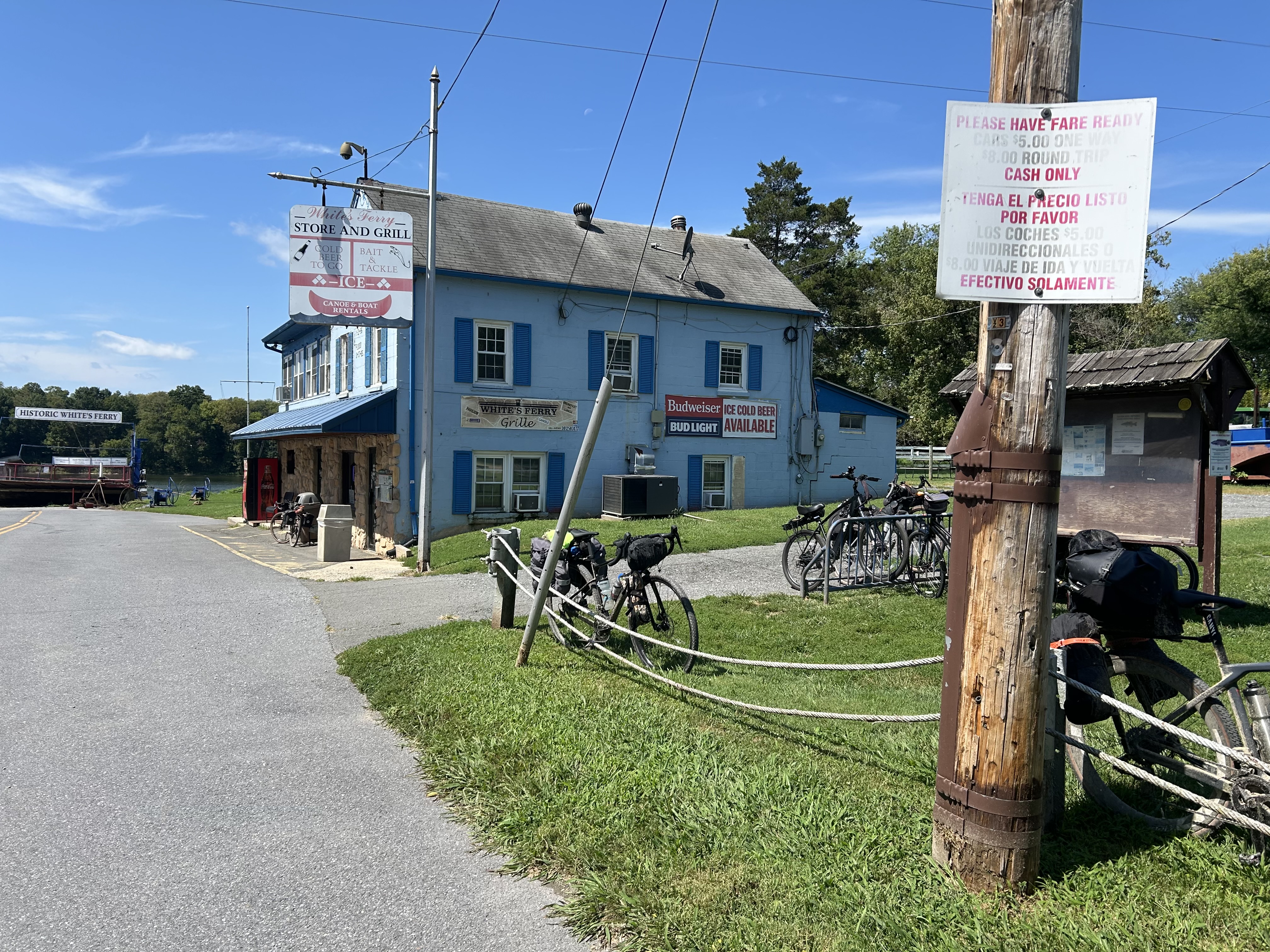
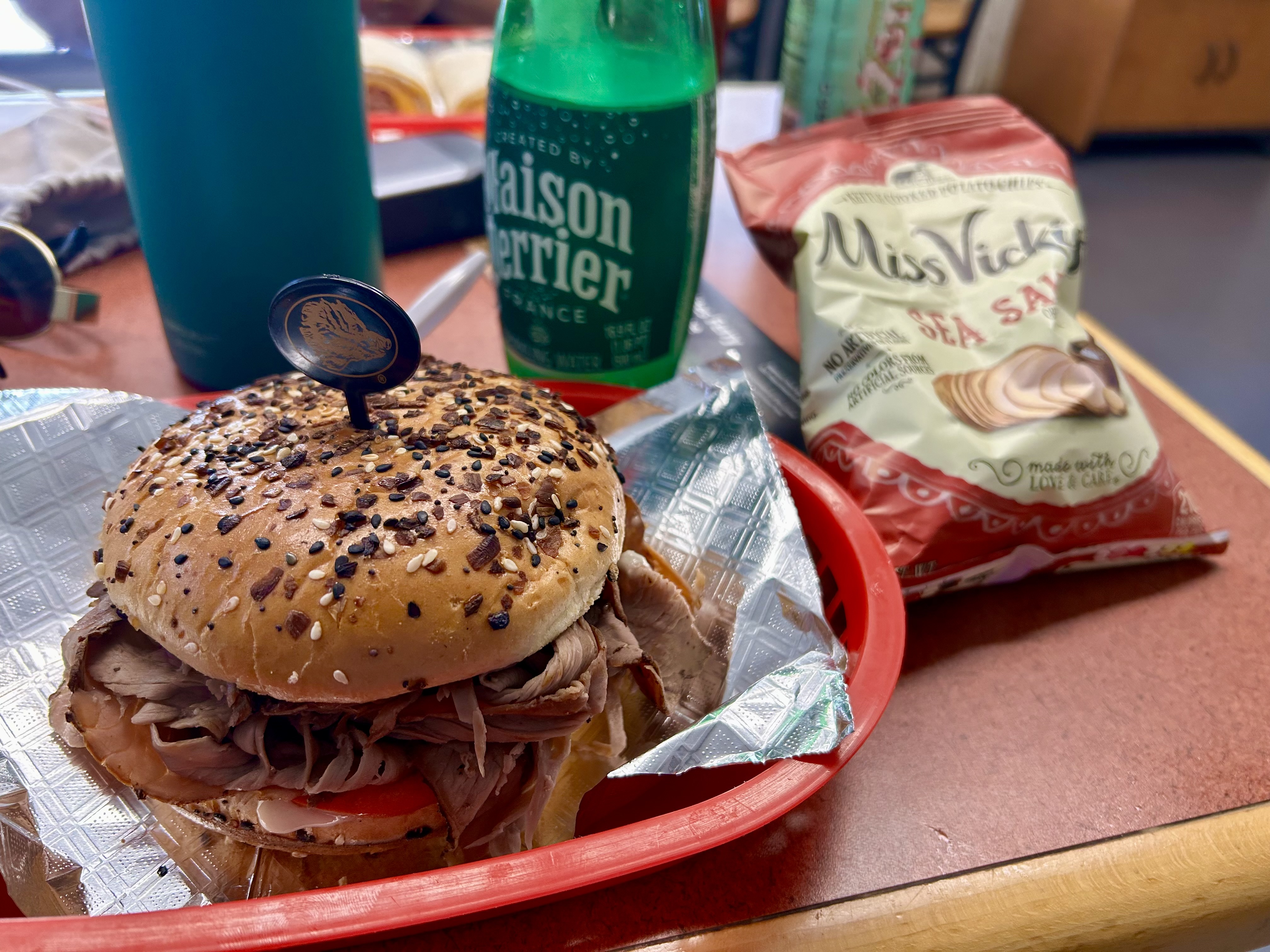
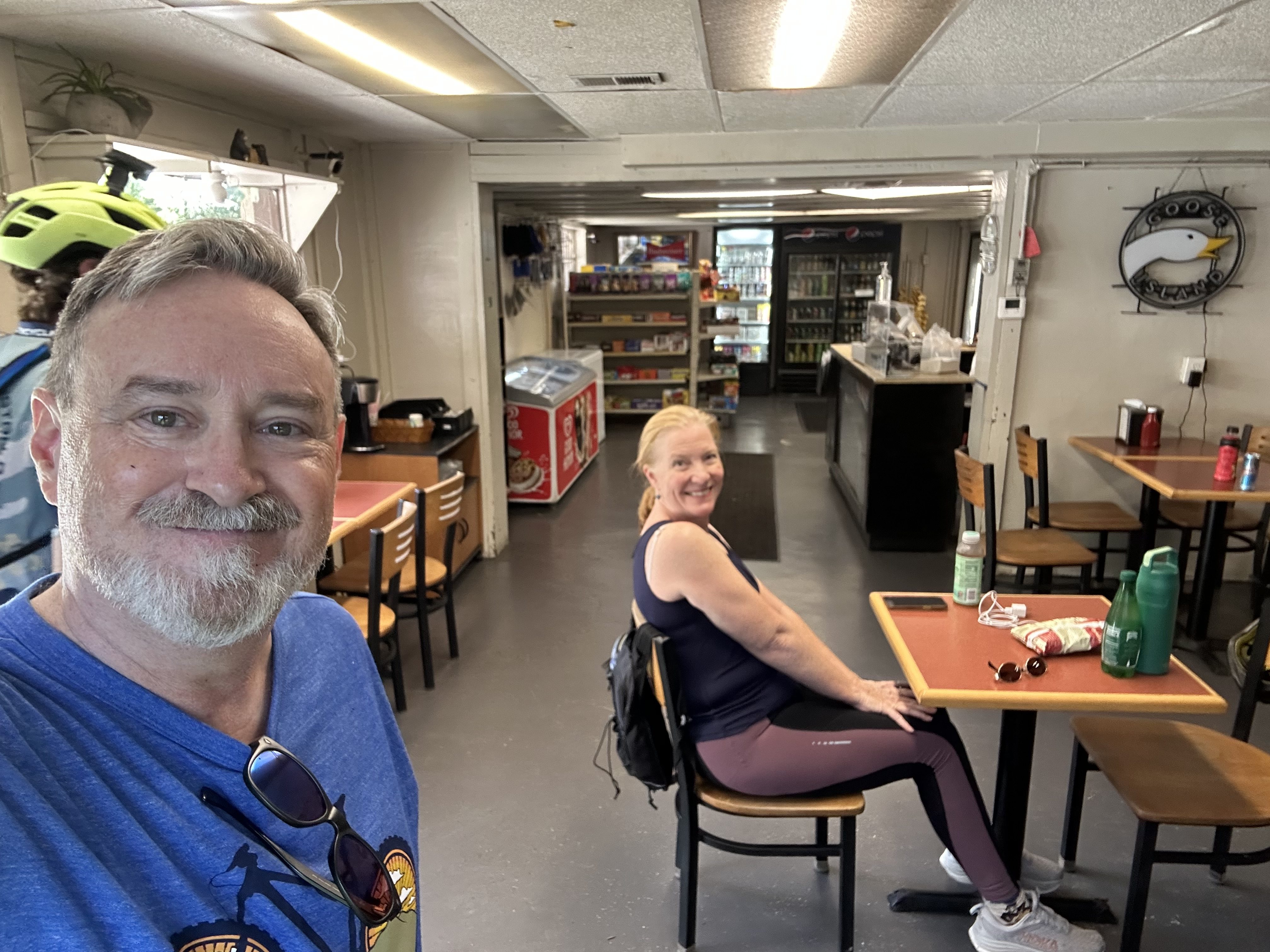
Lunch before the Holiday Inn was at White’s Ferry Store and Grill, right off the trail — an excellent grill!
📍 Hotel: 1501 Village Green Way, Brunswick, MD 21716
This Holiday Inn is a doable ride from the trail, but it’s about 3 miles away. You can walk to a nice grocery store for dinner, and the hotel also offers breakfast.
⚠️ Do not stay in Room 209, or any room above the hotel carport. They played music all night from the speakers, and around 1:00 a.m. we finally figured out why and asked them to turn it down. They did — until about 5:30 a.m. Nice room, lovely people, but loud music at that hour makes no sense.
Day 3: Brunswick to Harpers Ferry (Our End Point)
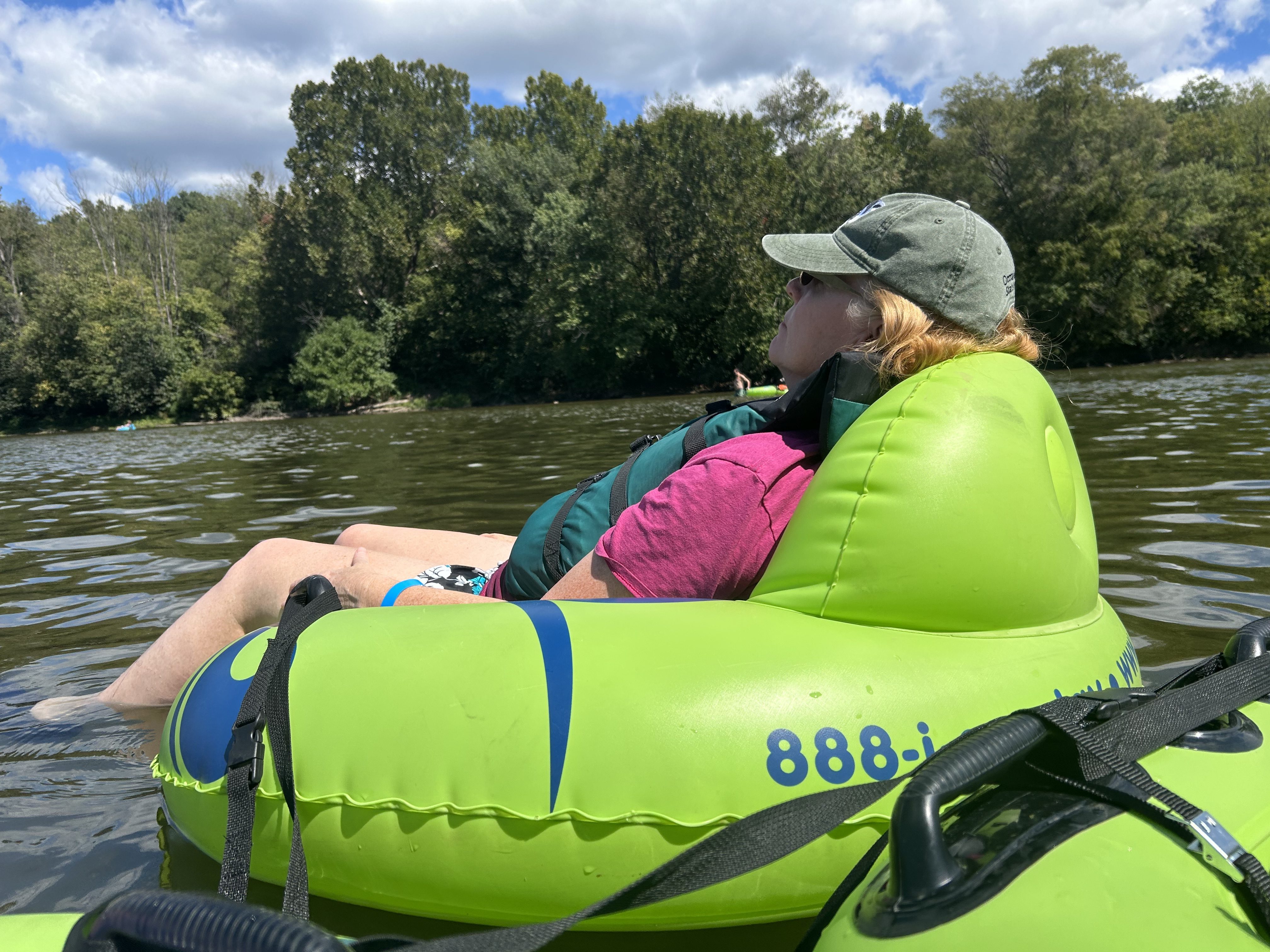
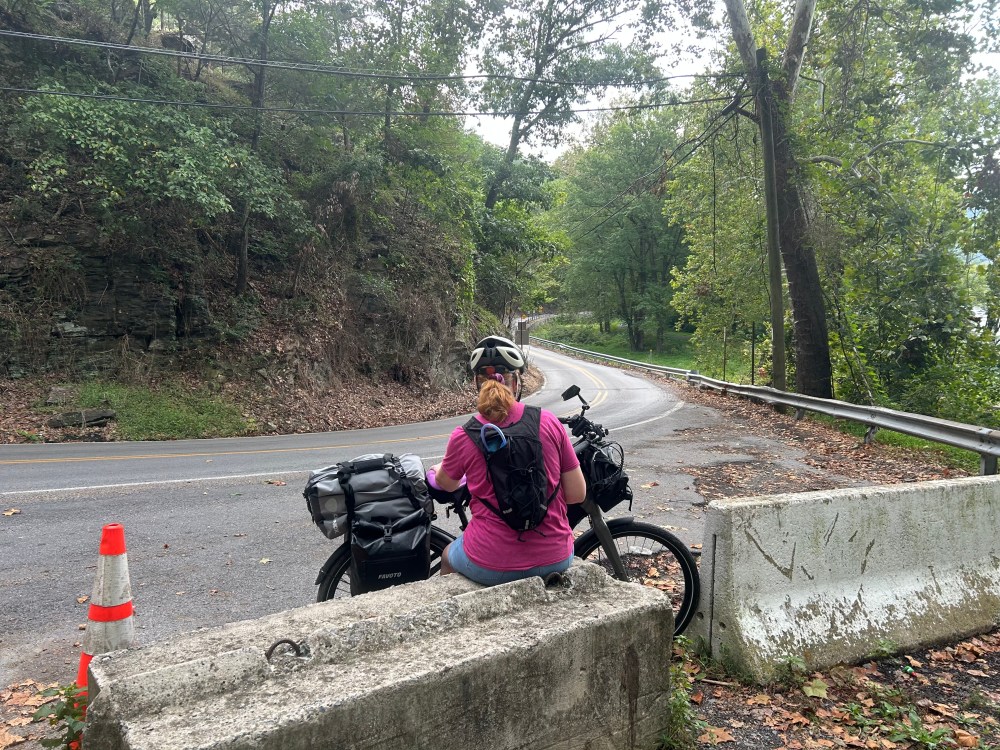
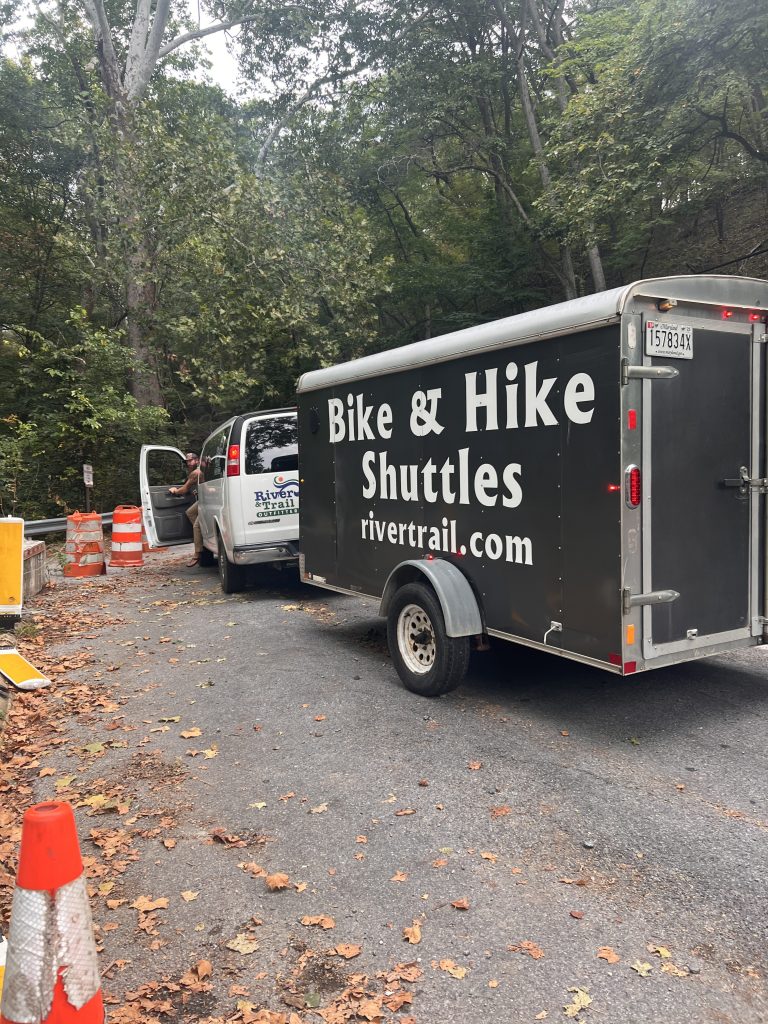
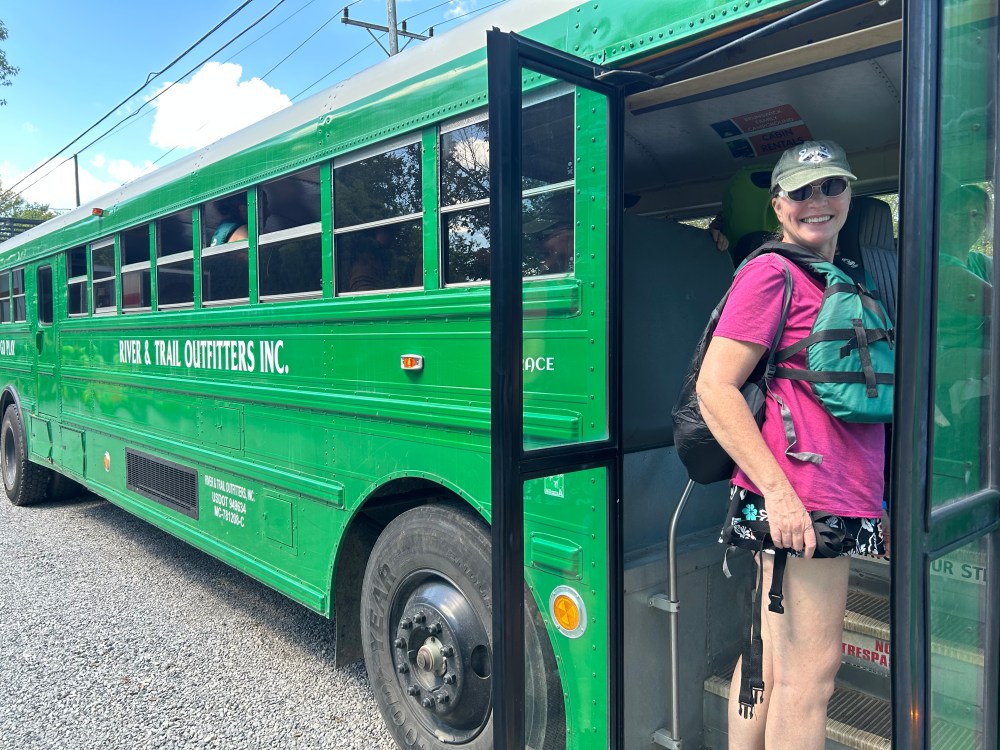
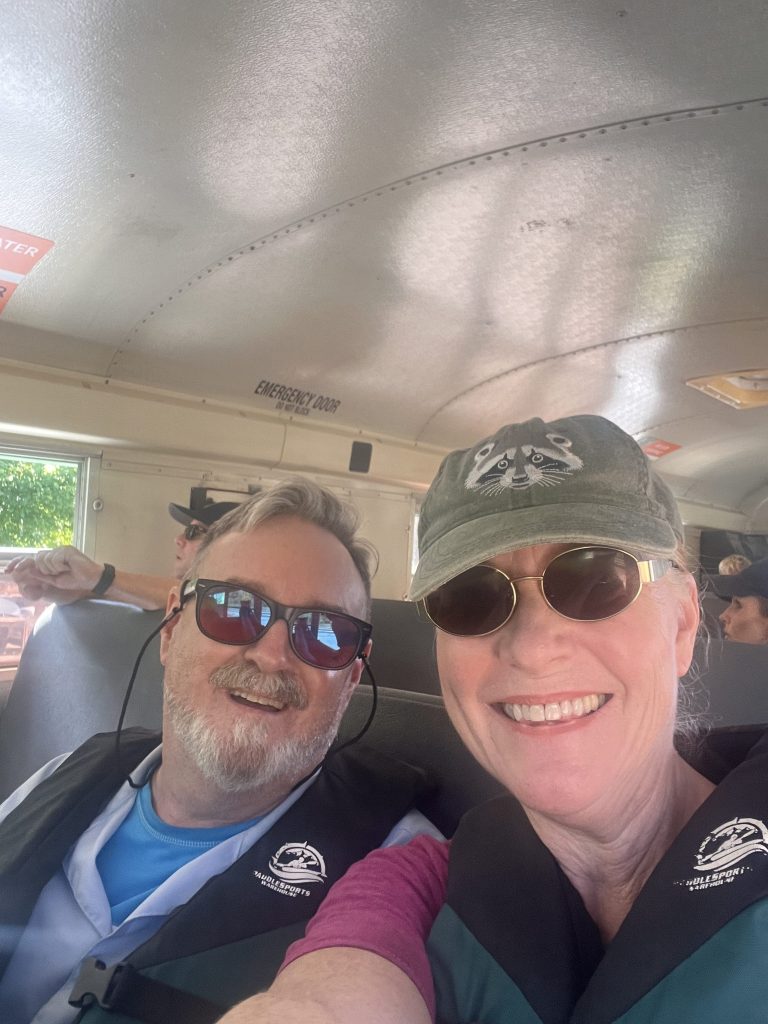
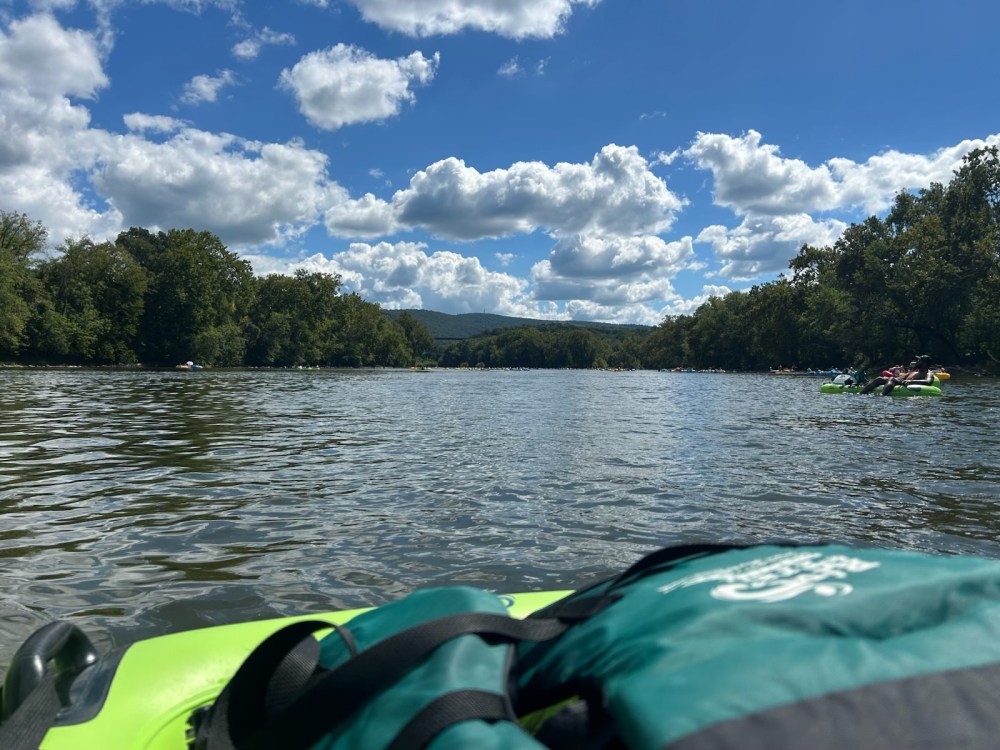
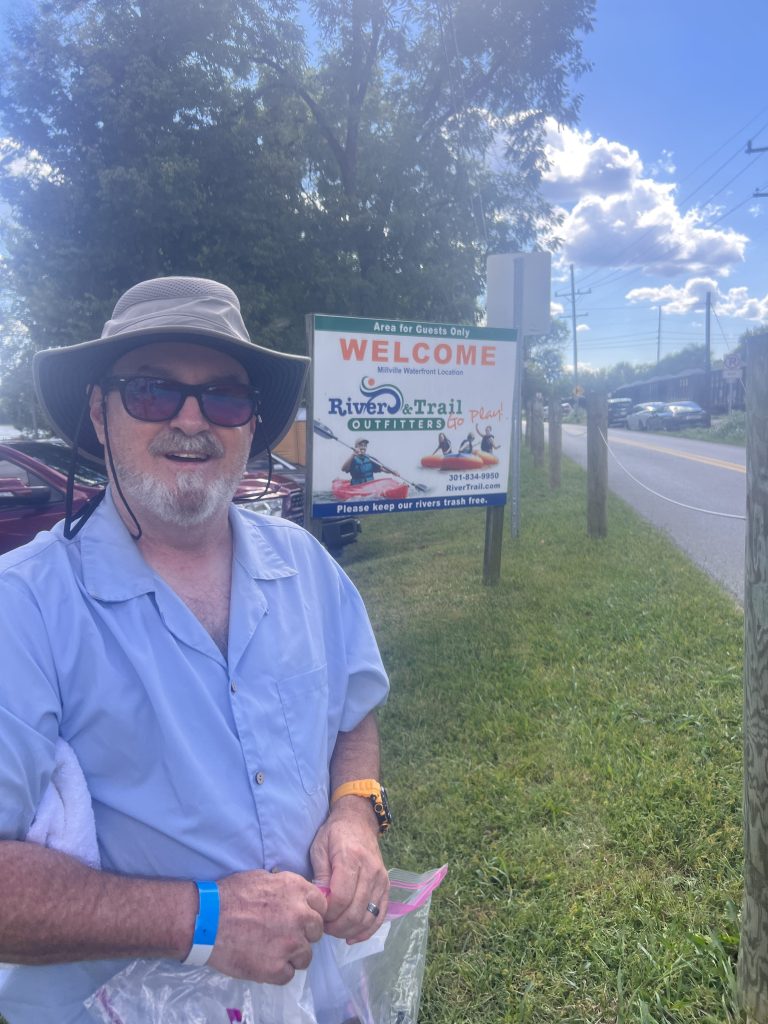
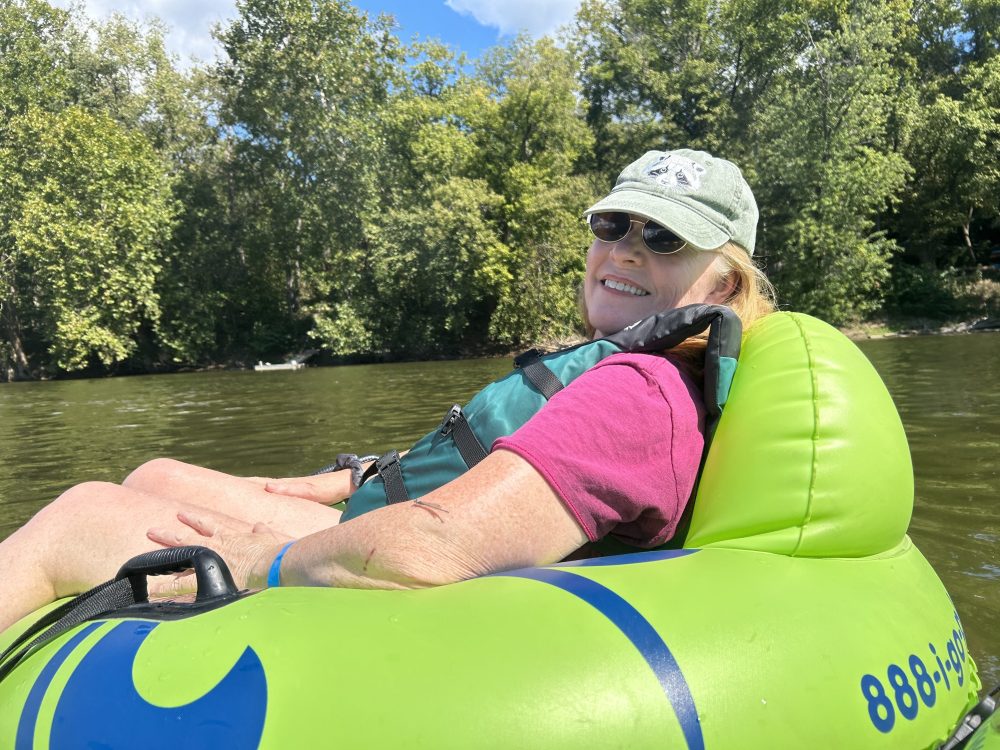
The pedestrian bridge/stairs into town were under construction, so we arranged a shuttle with River Trail Outfitters — they were great. We also used them for our tubing experience (mellow tubing), and had to Lyft to the tubing drop-off — call ahead to confirm the right location for your plans.
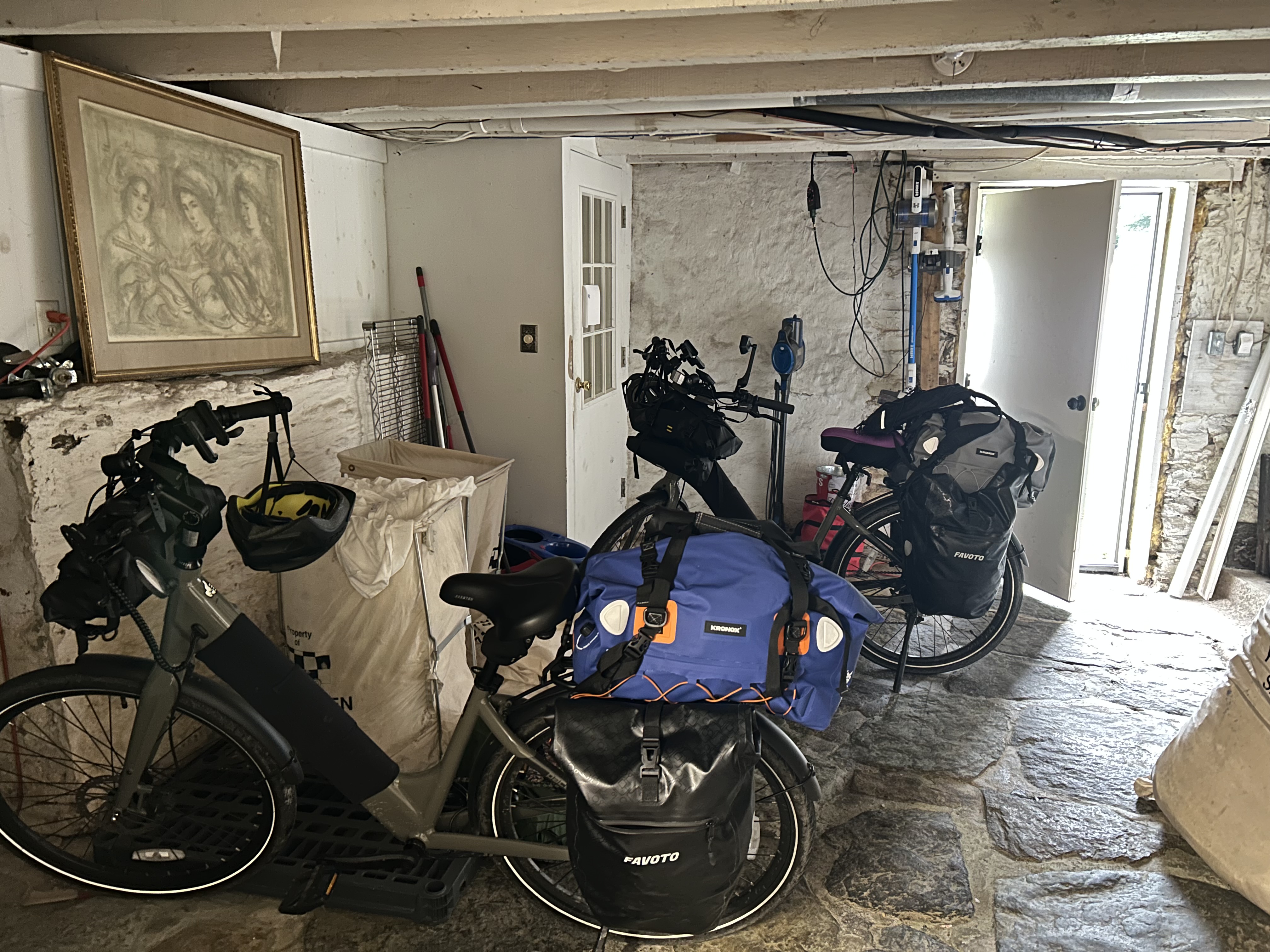
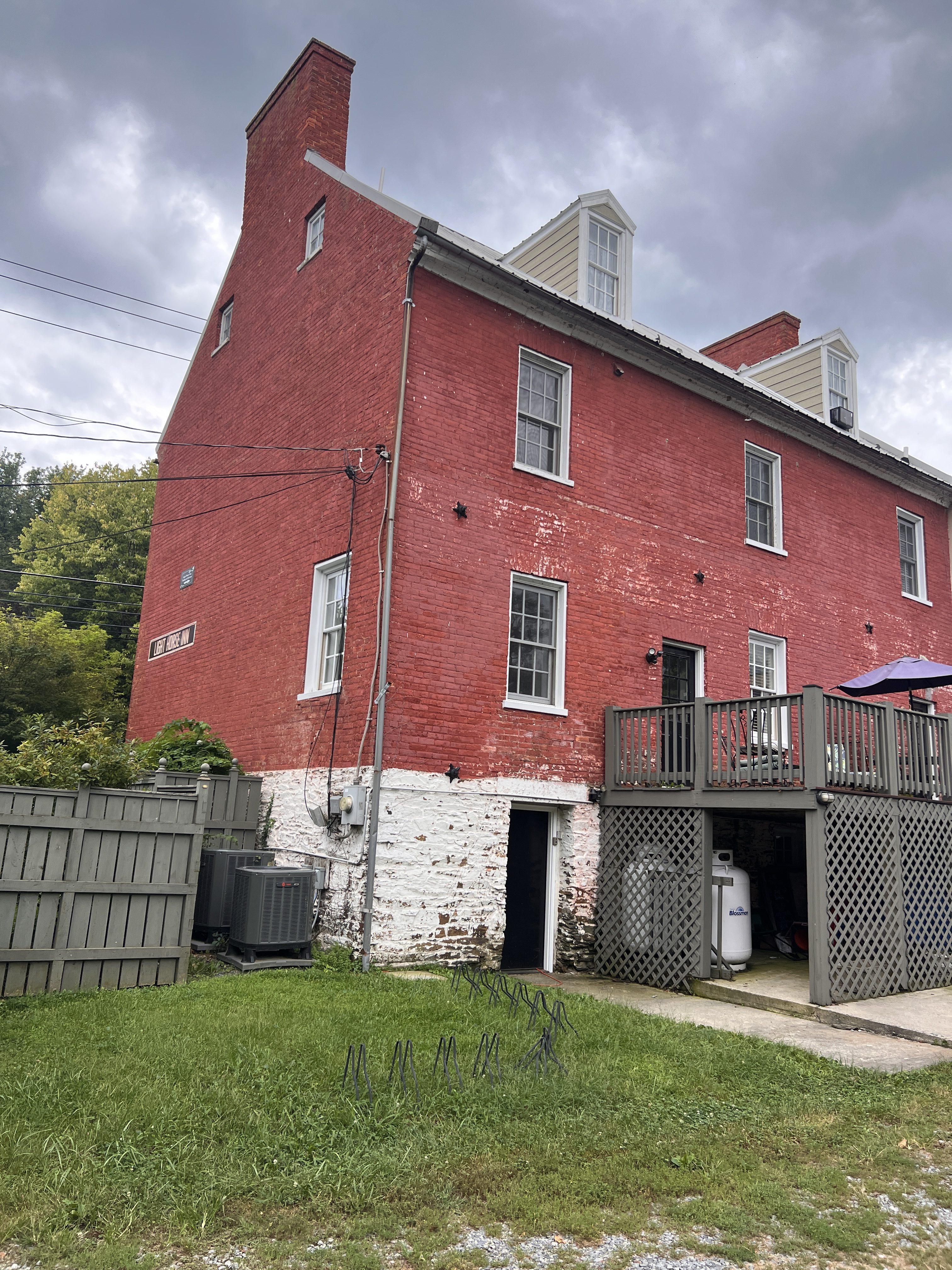
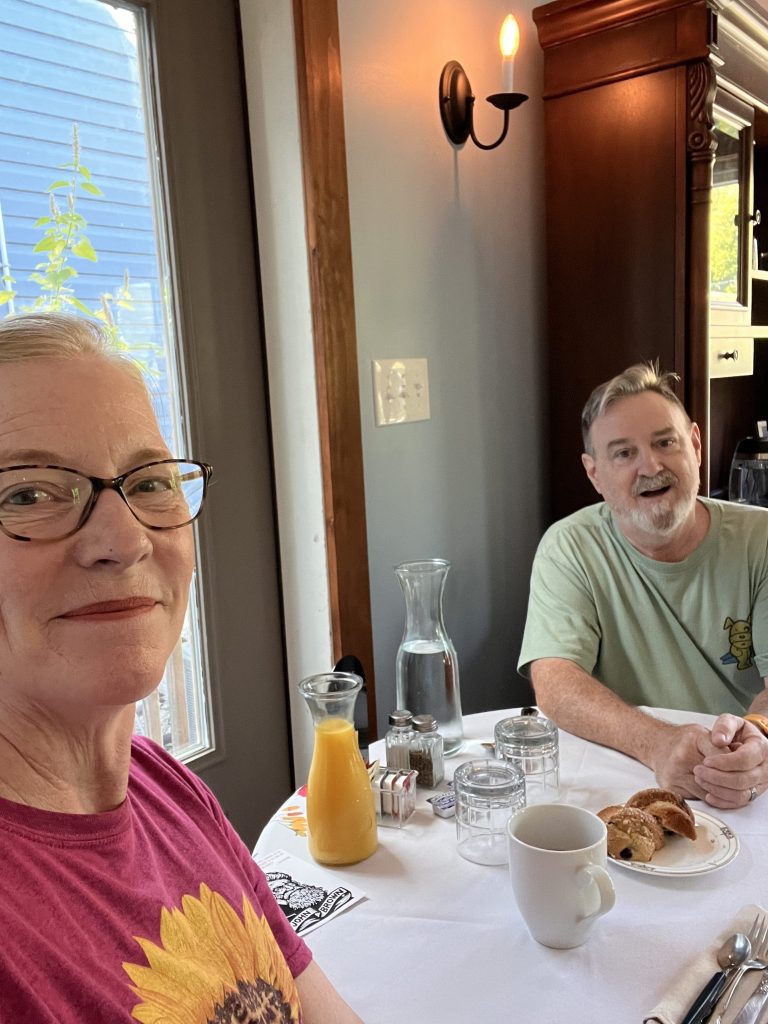
Our Airbnb host offered to switch us to The Light Horse Inn, a bed-and-breakfast style stay (breakfast included) at the same price — we said yes! There are so many great places to stay in Harpers Ferry that you really can’t go wrong. Not all offer laundry, but you can filter for it. Our host let us use the washer/dryer at the Inn and store our bikes in the basement.
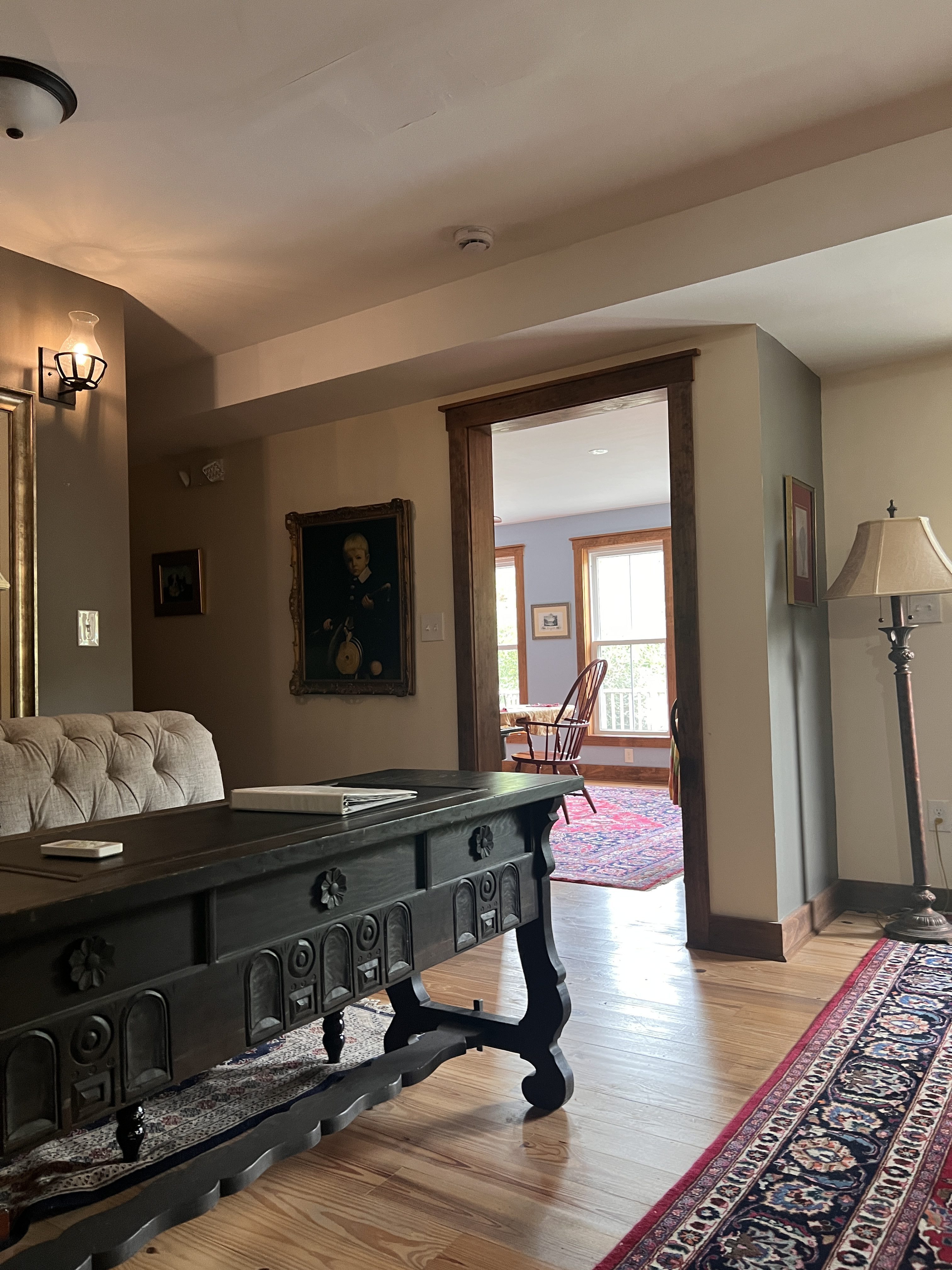
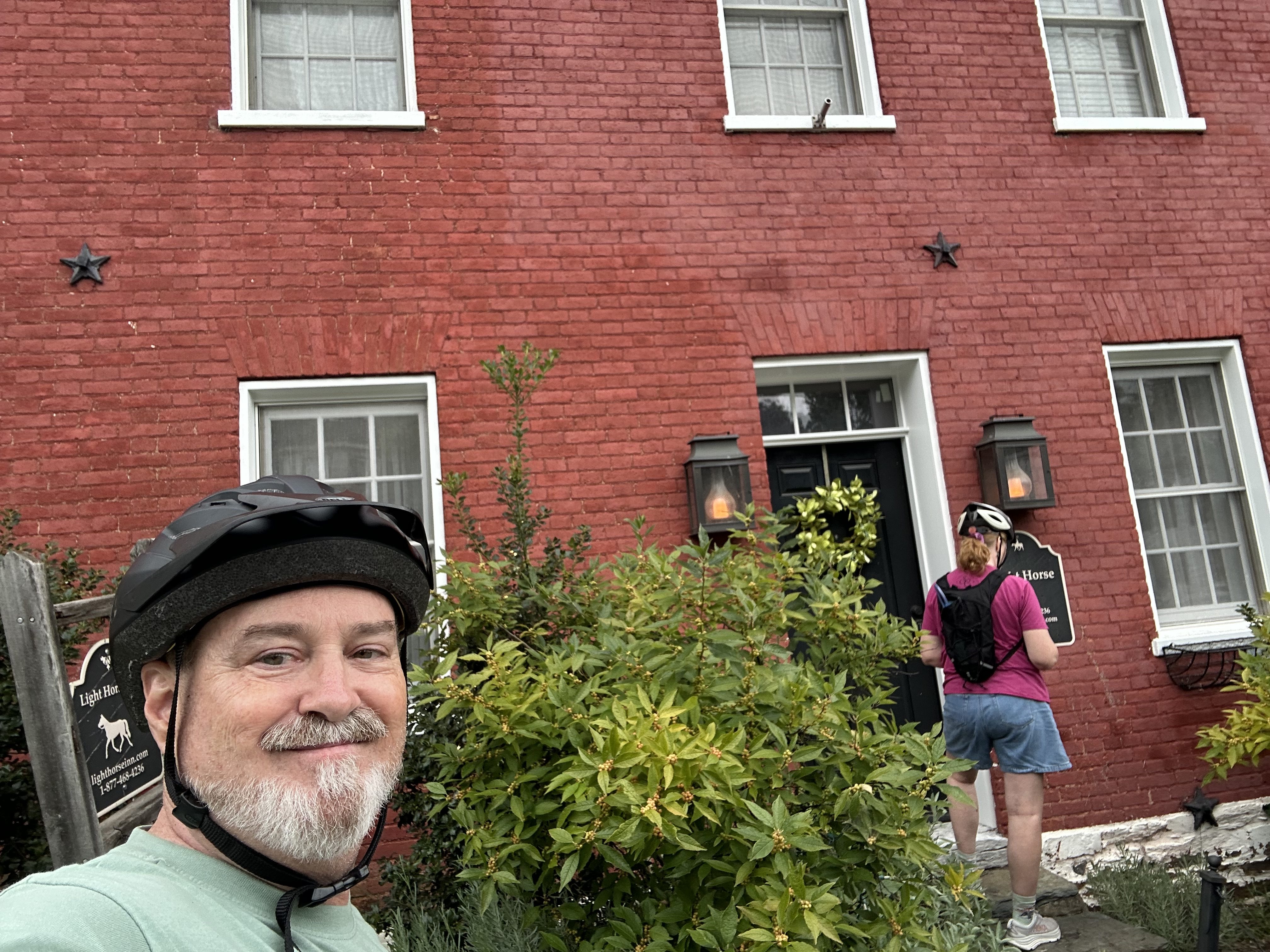
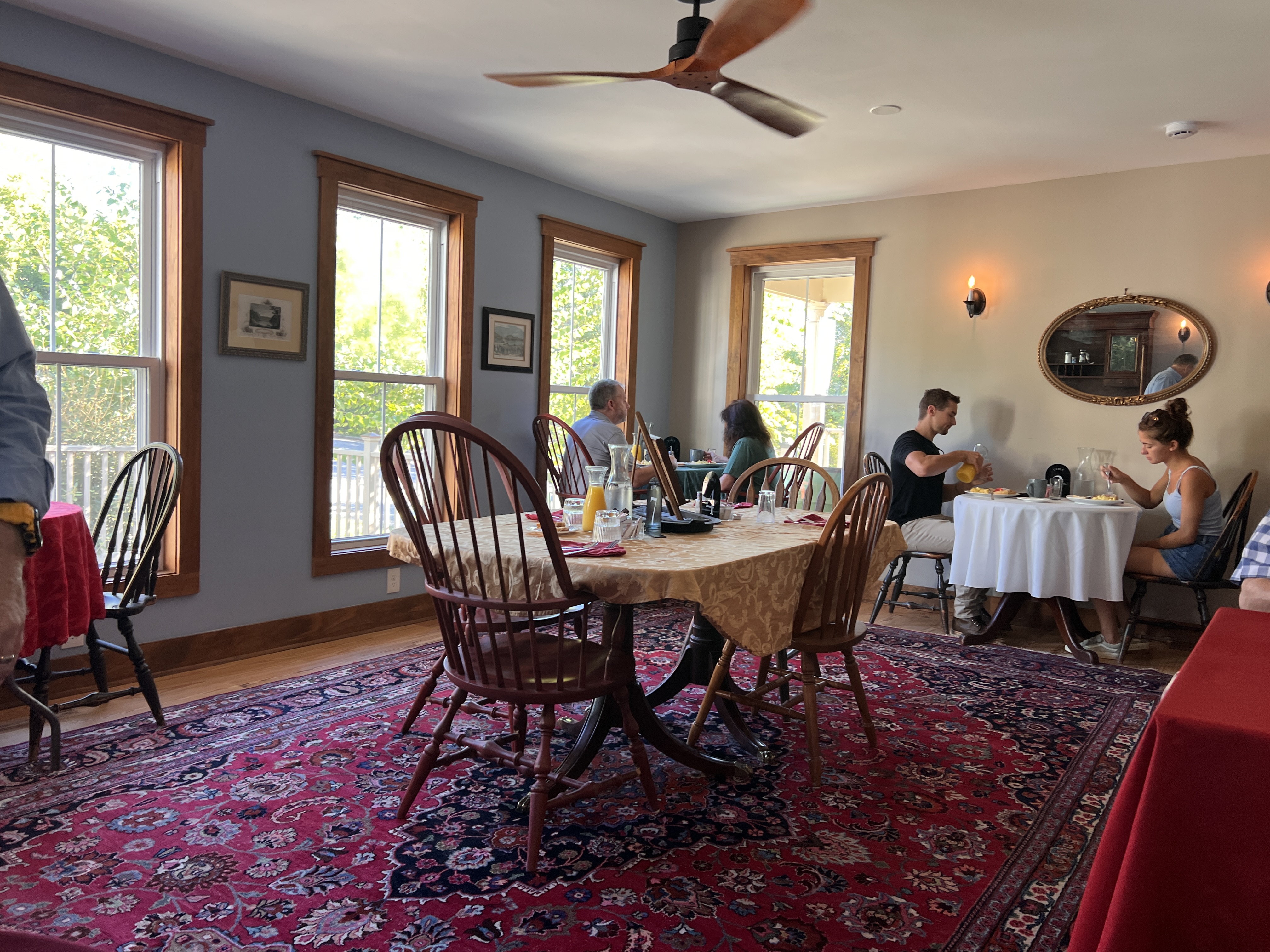
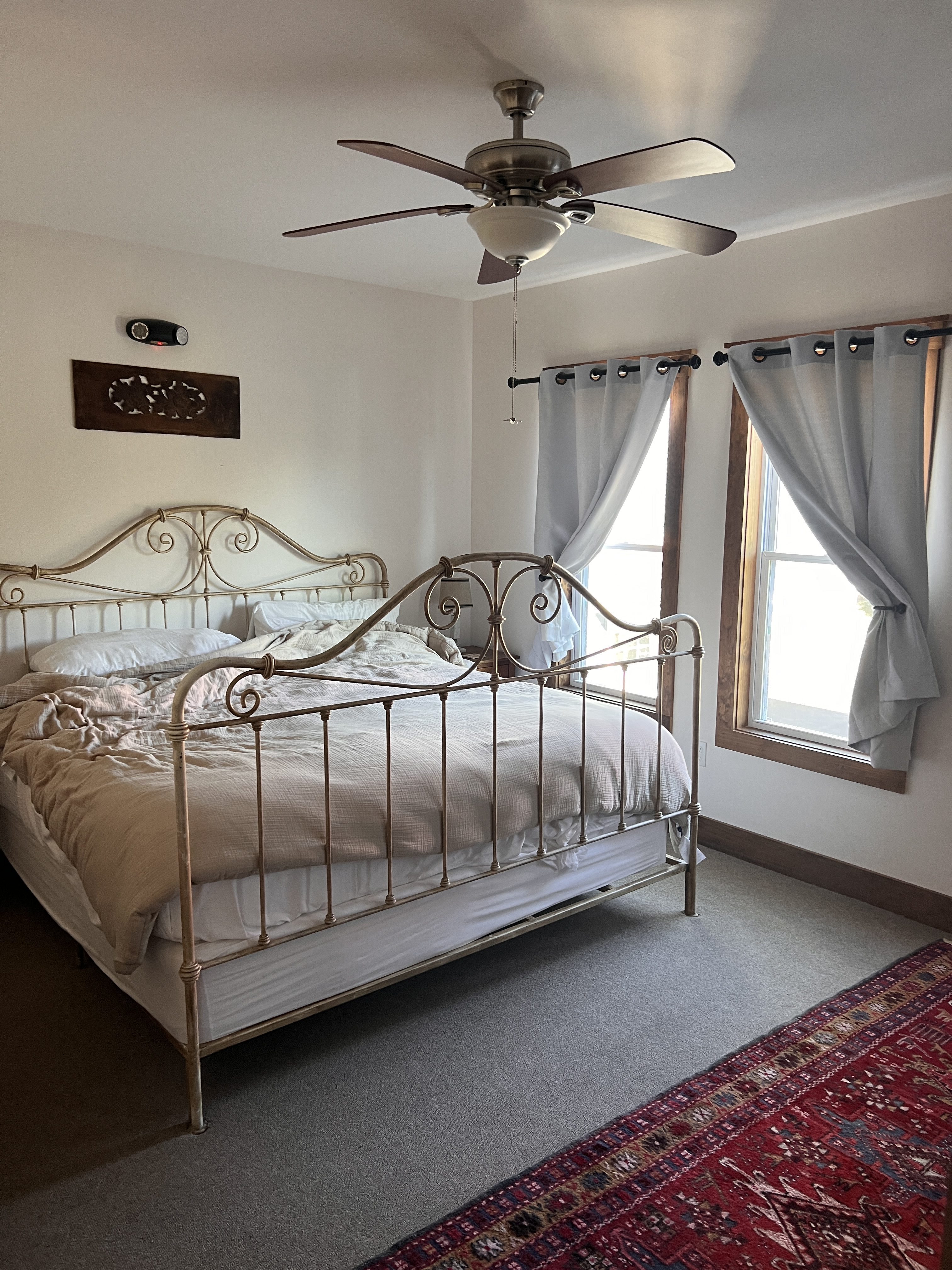
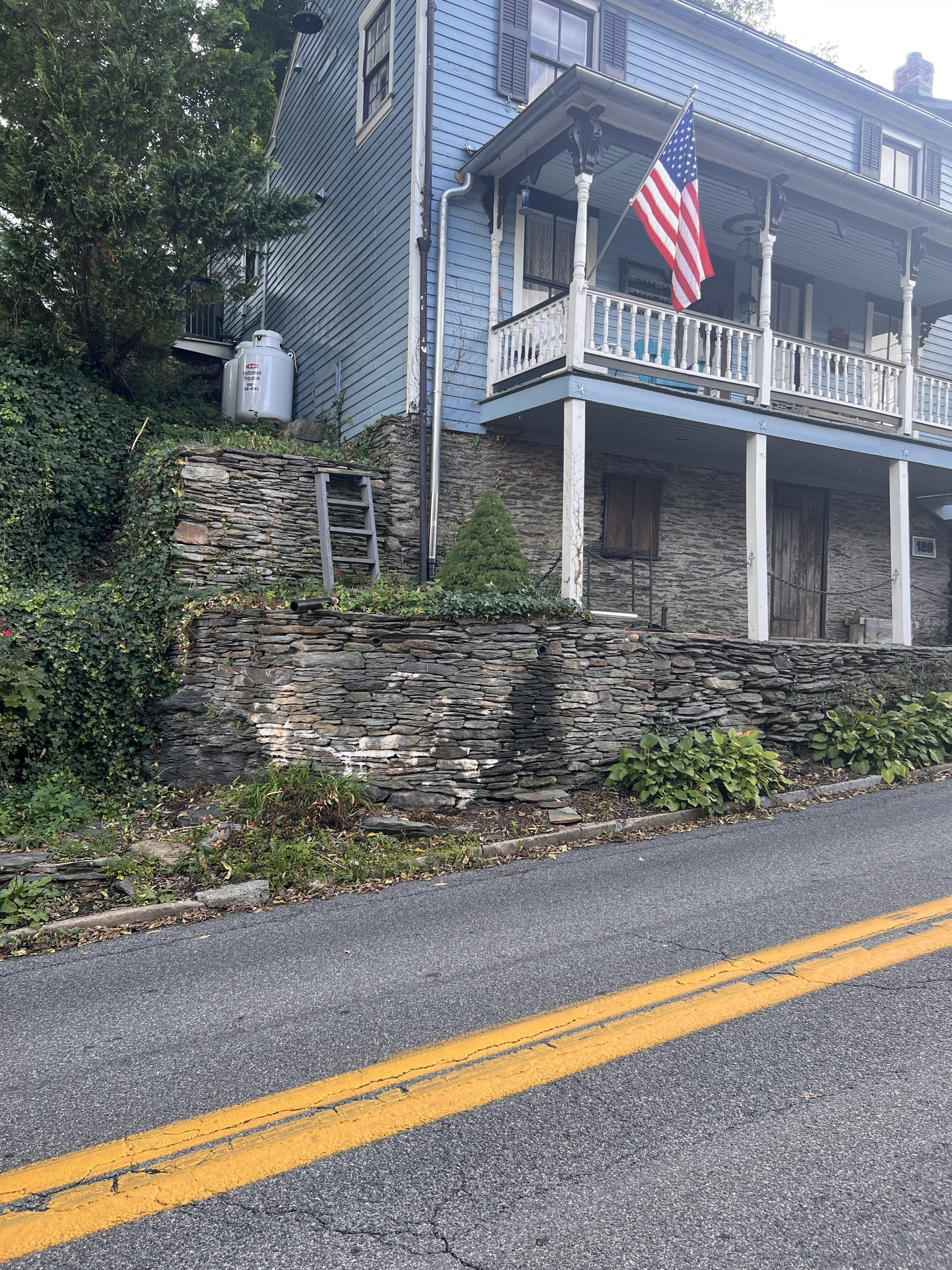
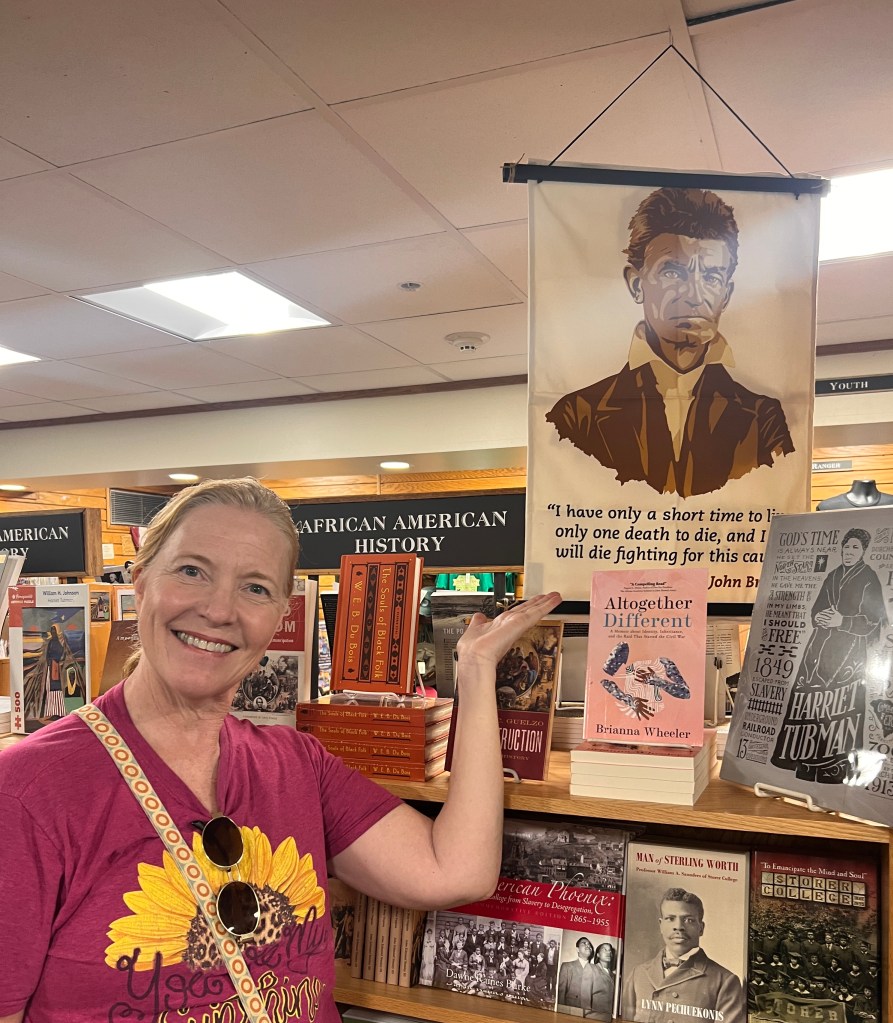
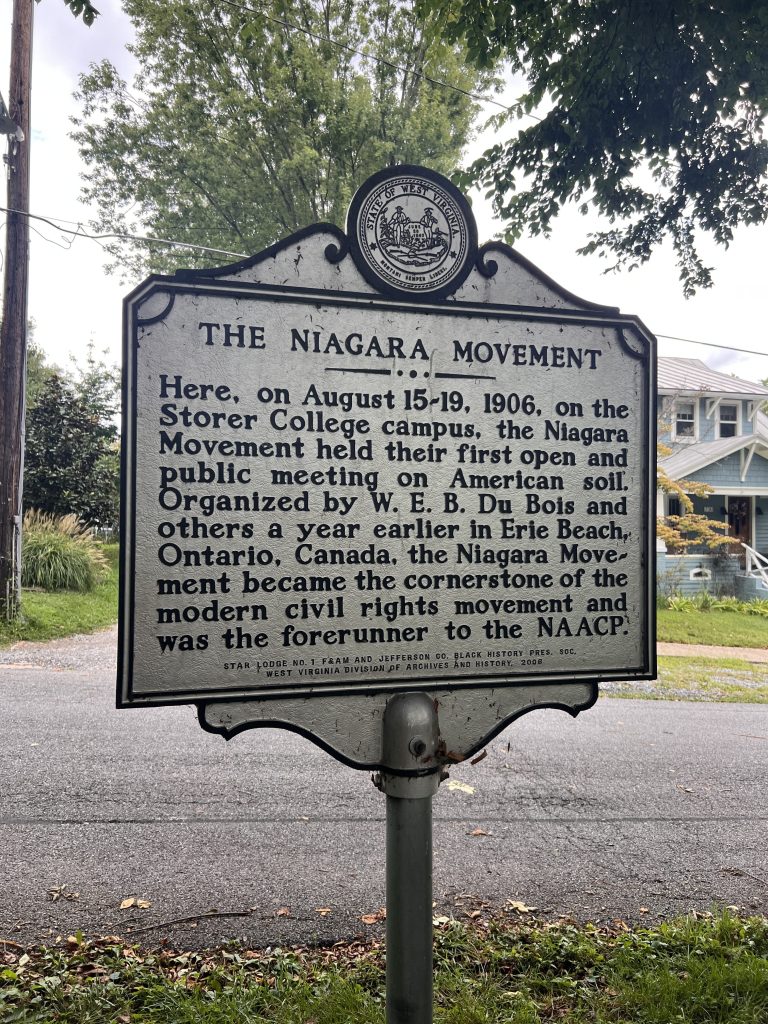
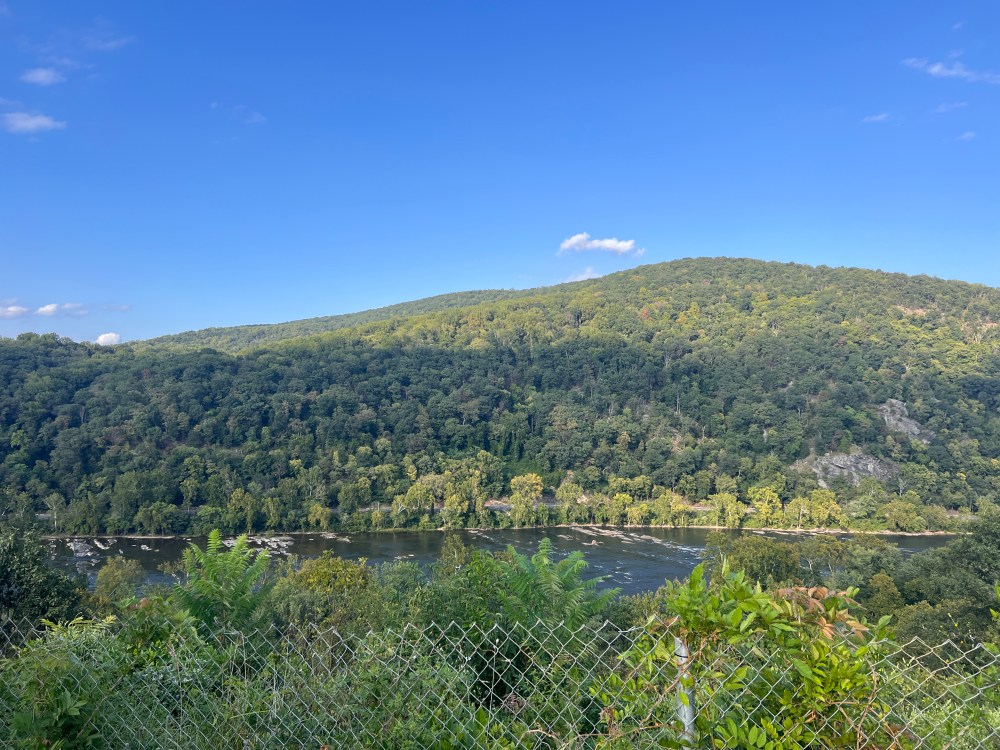
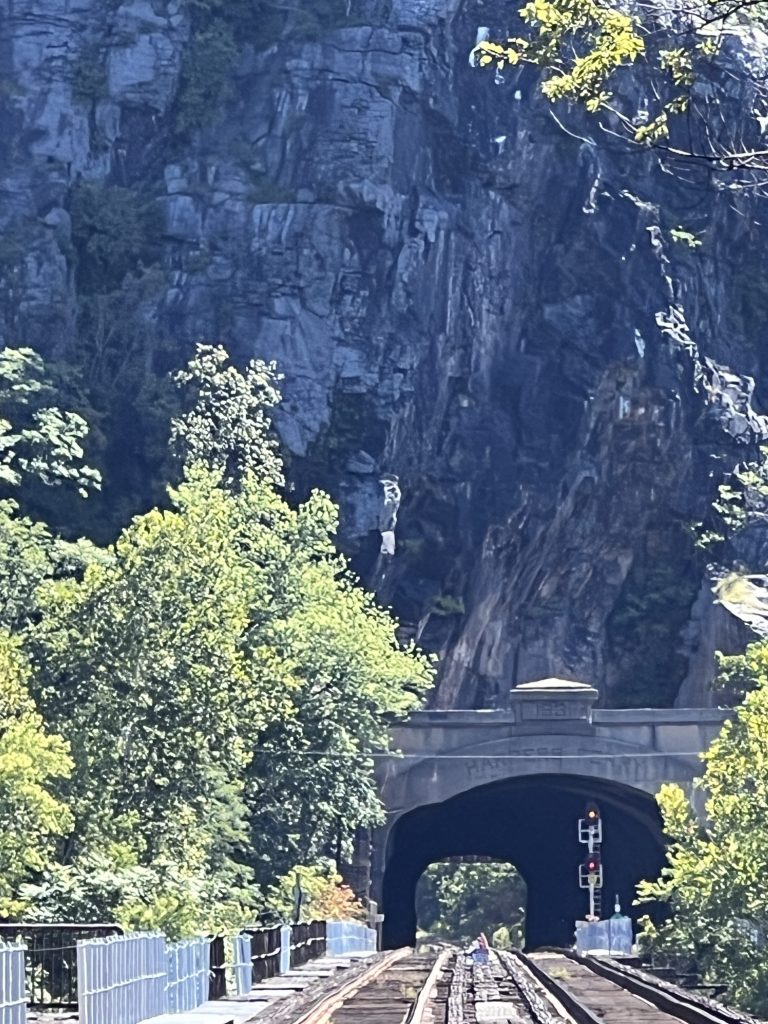
Harpers Ferry sits at the confluence of the Potomac and Shenandoah Rivers and has been a National Historical Park since the 20th century. It’s most famous as the site of John Brown’s 1859 raid on the federal armory — an event that helped ignite the Civil War. The town was also home to Storer College, founded in 1867 as one of the first schools in the country open to Black students above the elementary level; it later hosted Frederick Douglass and, in 1906, the Niagara Movement, a forerunner of the NAACP.
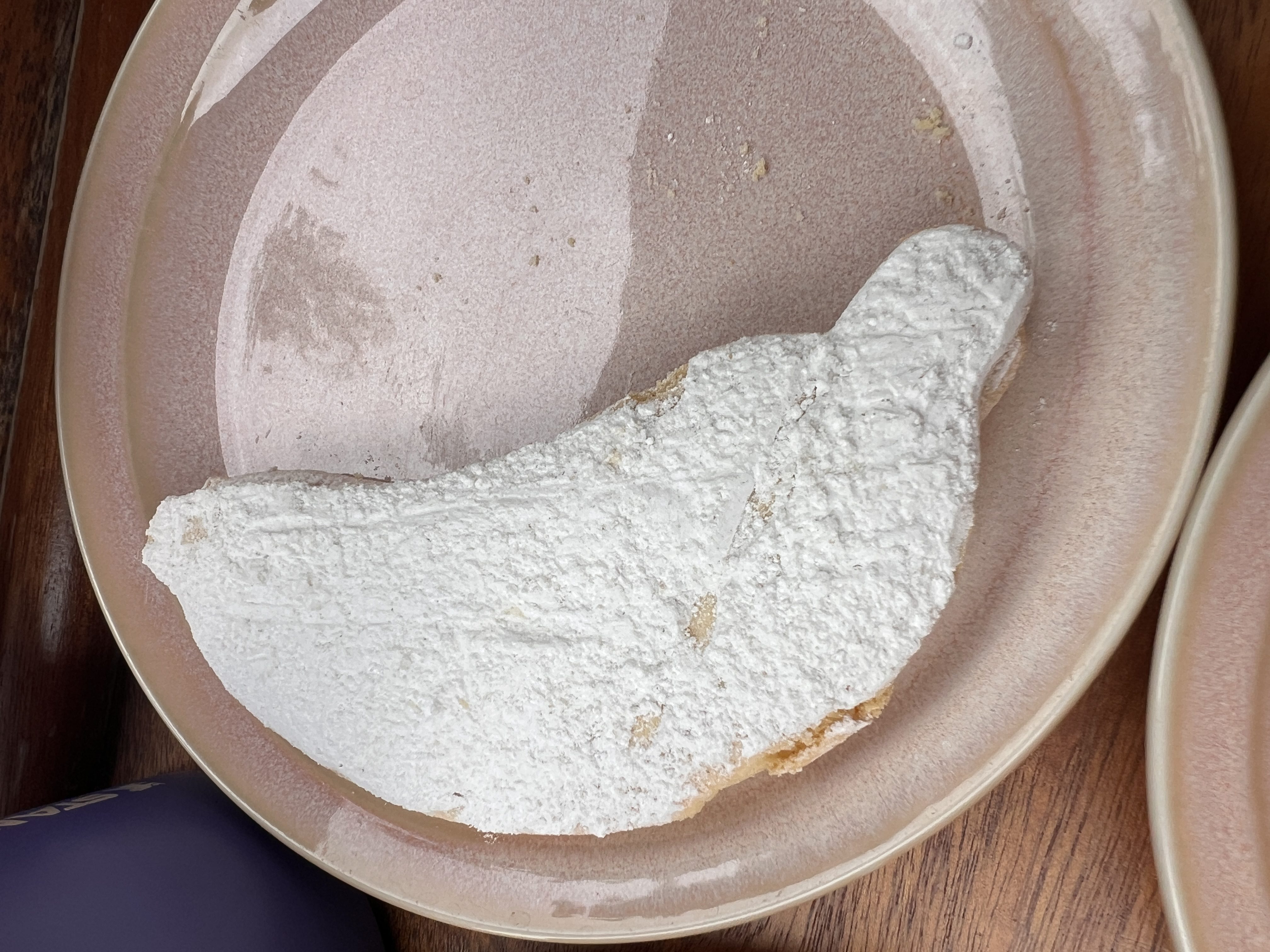
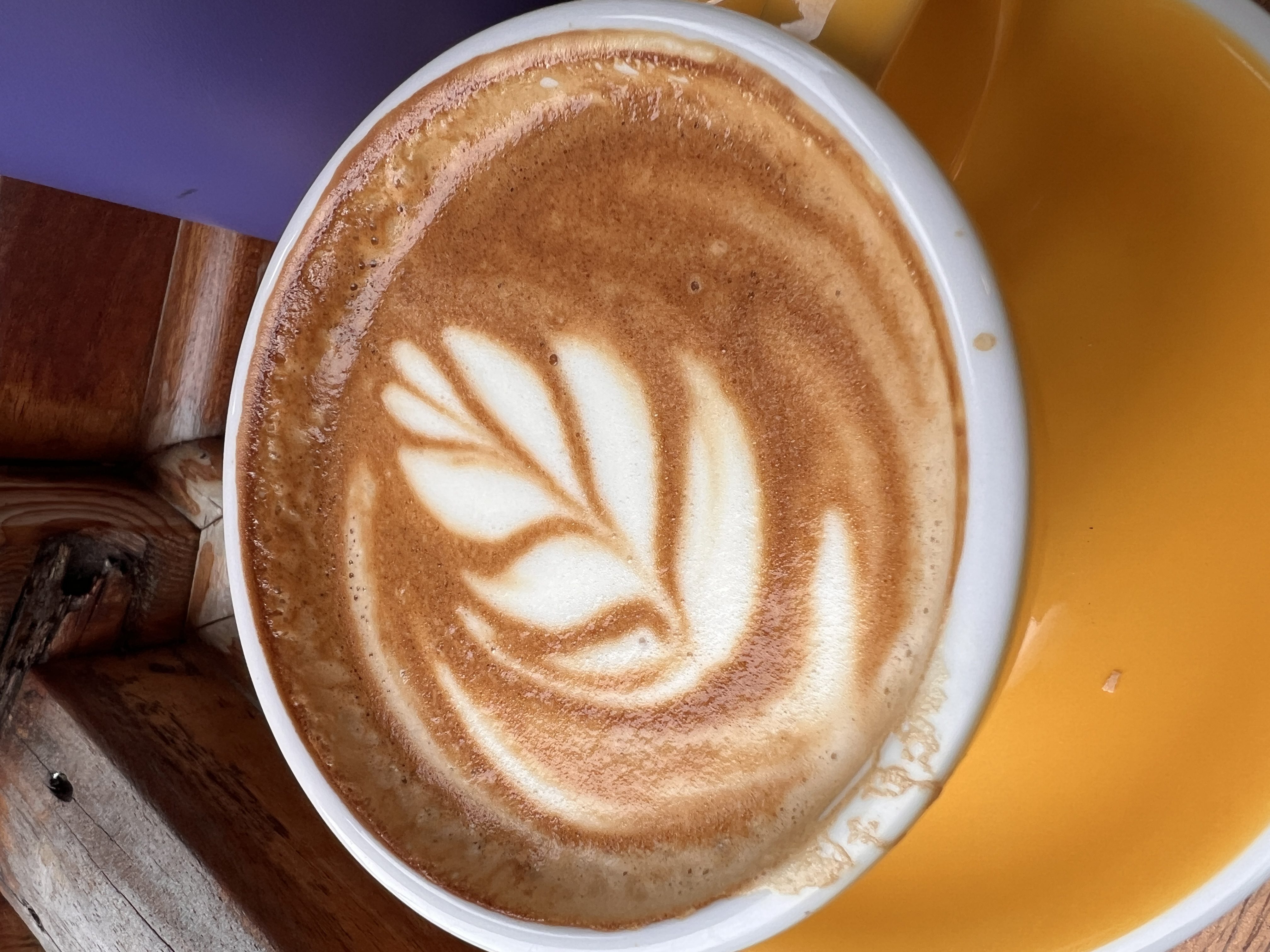
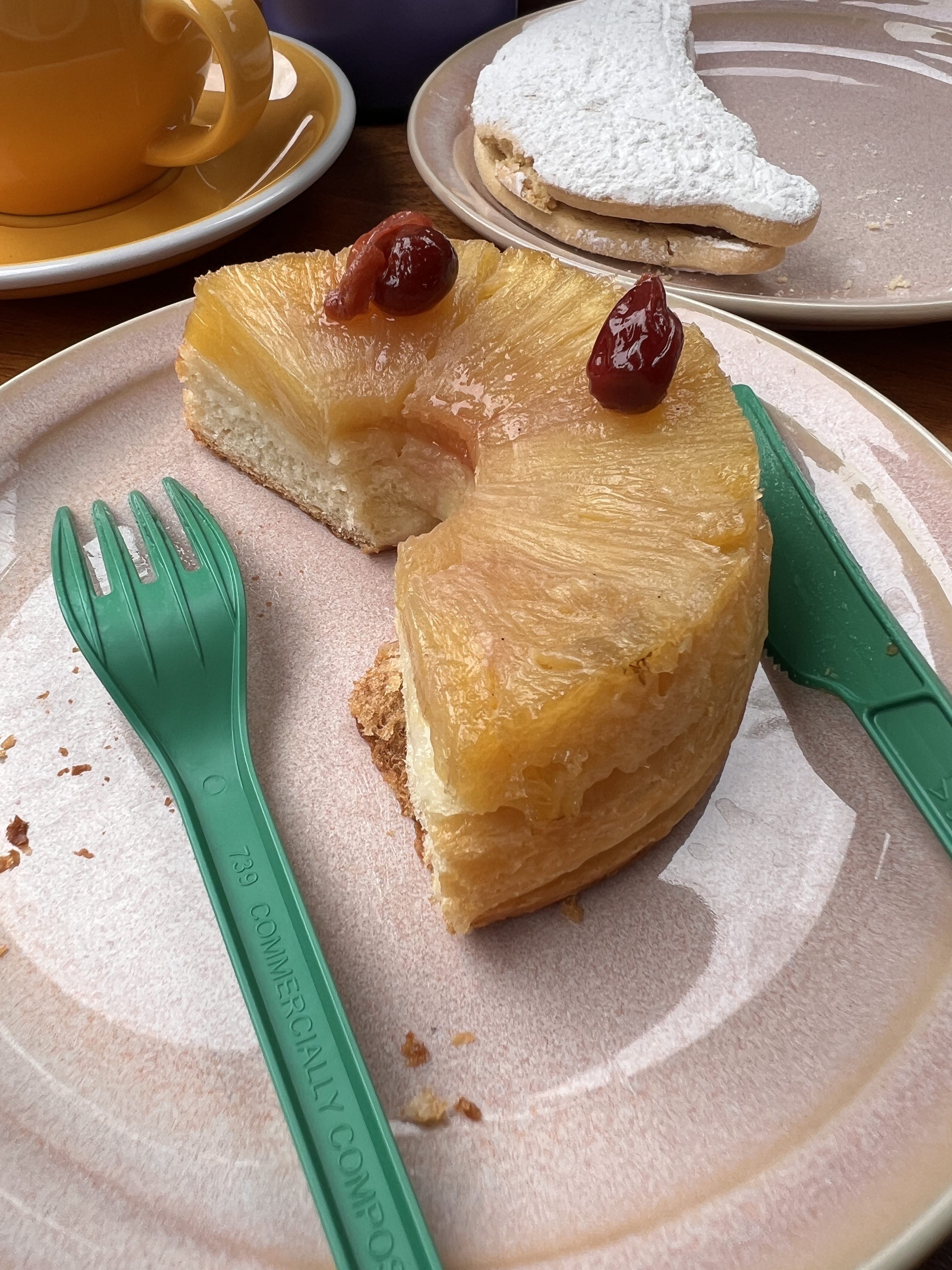
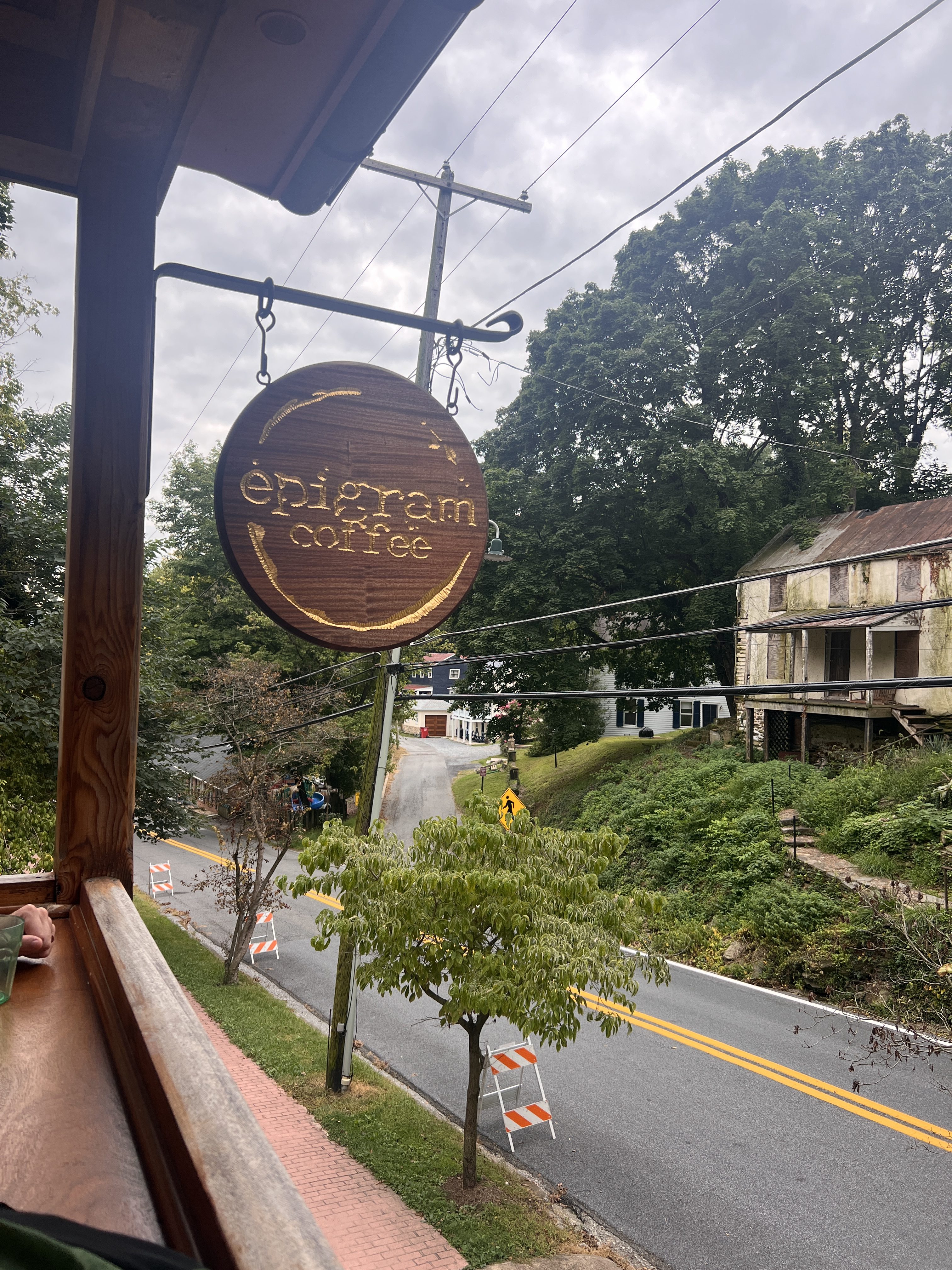
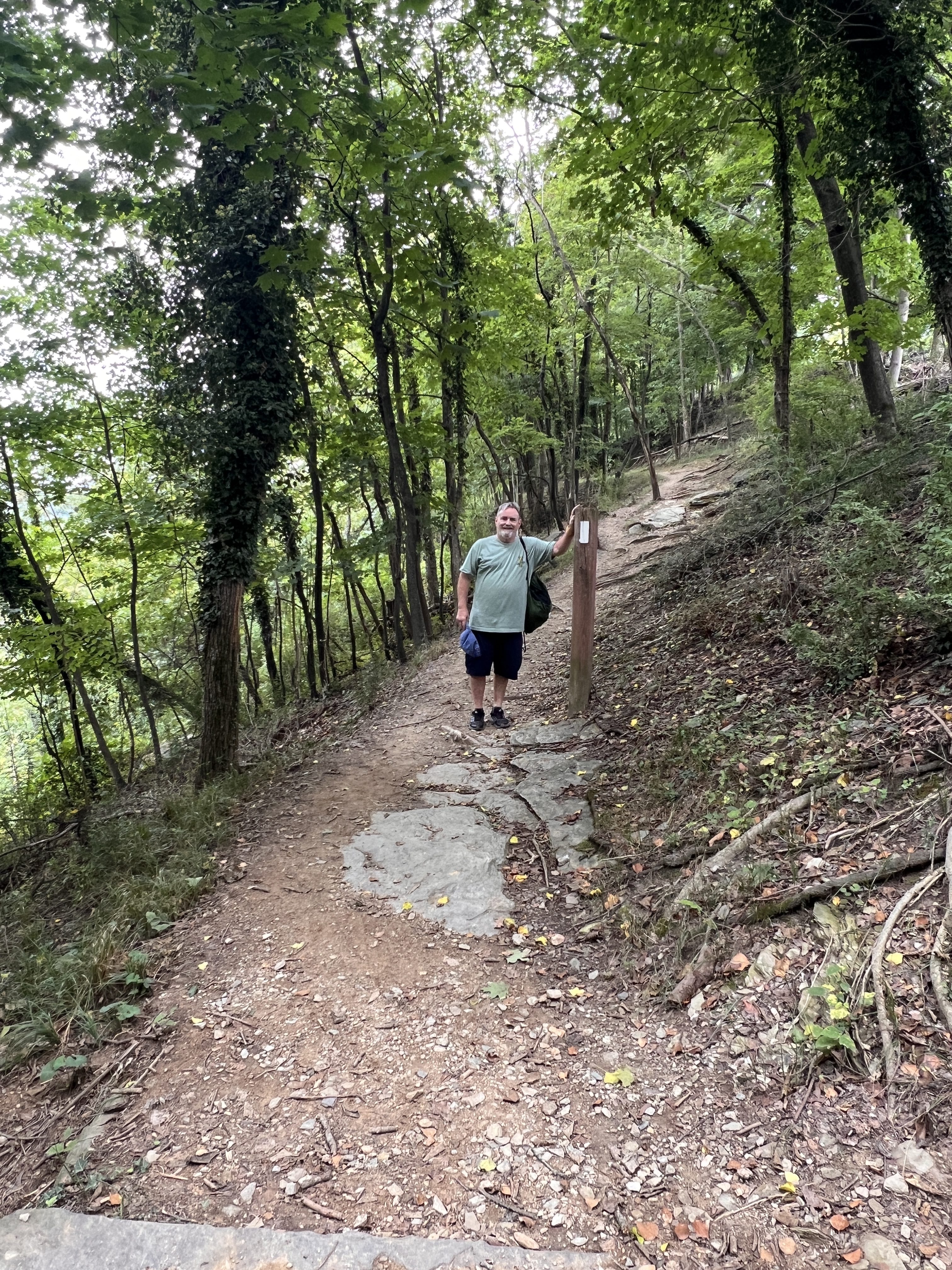
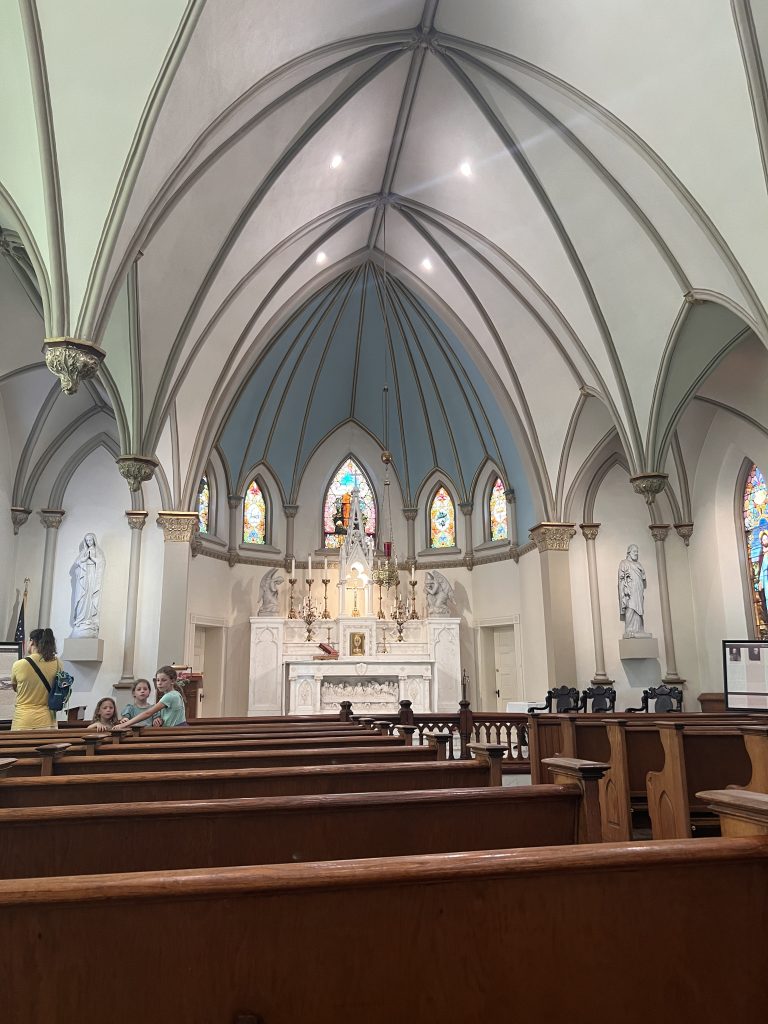
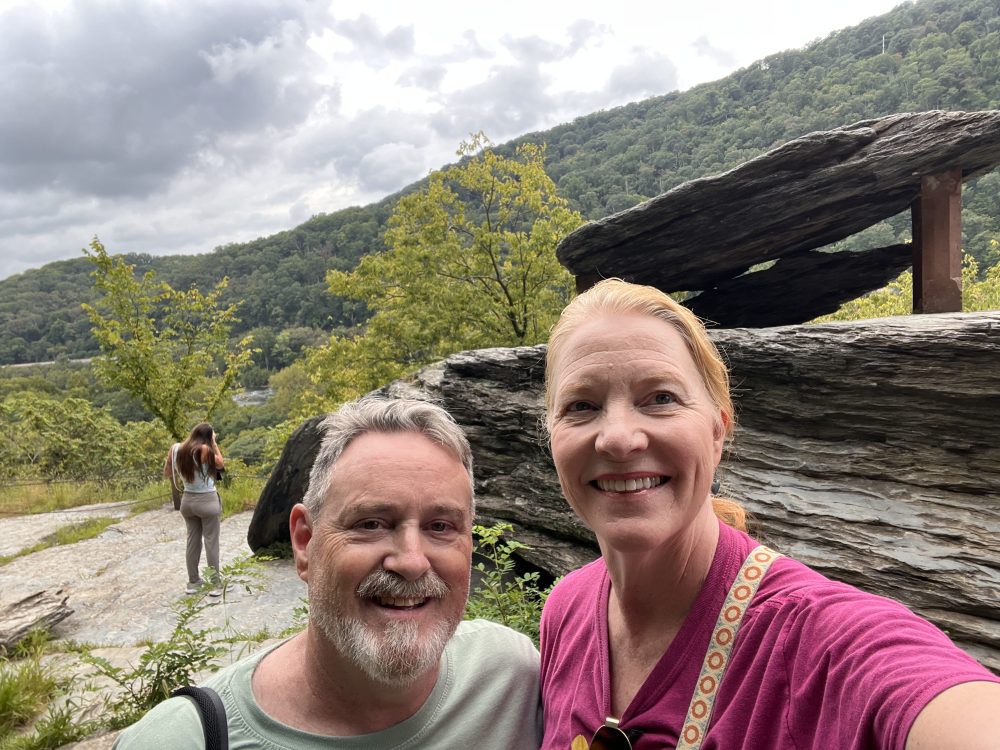
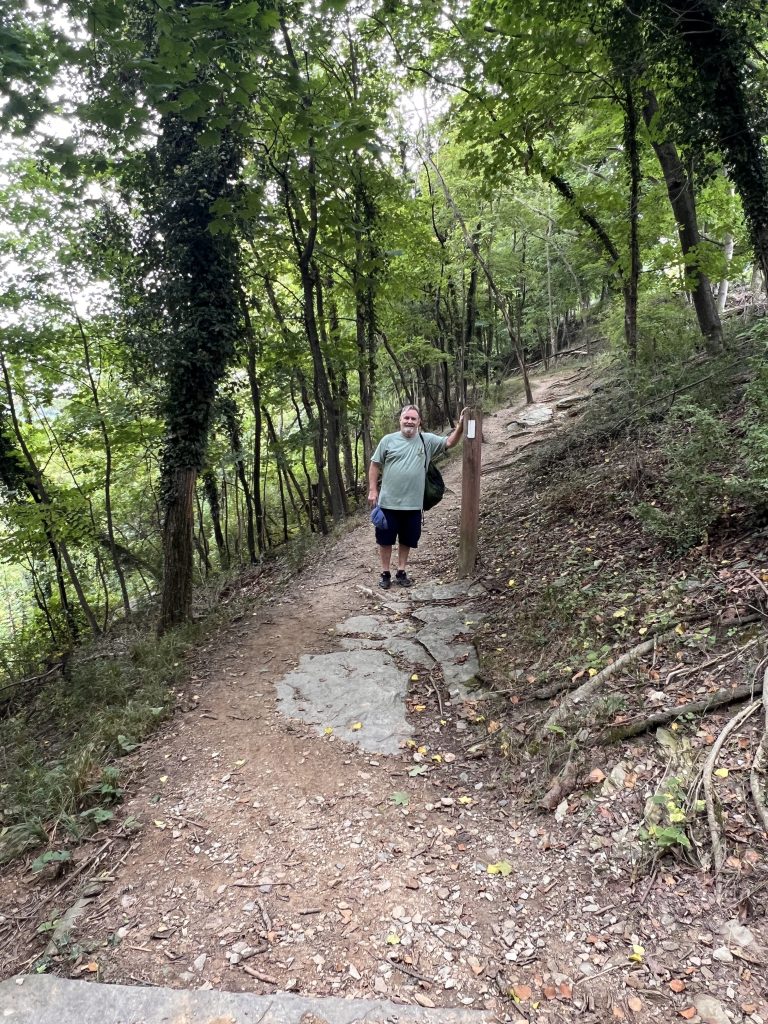
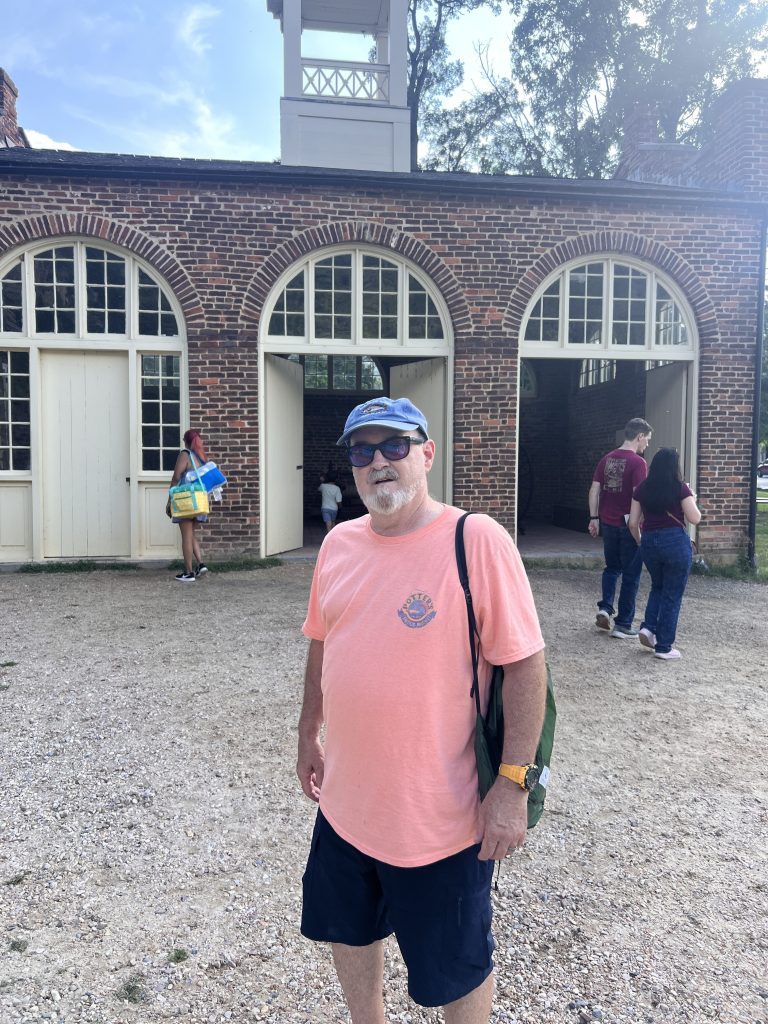
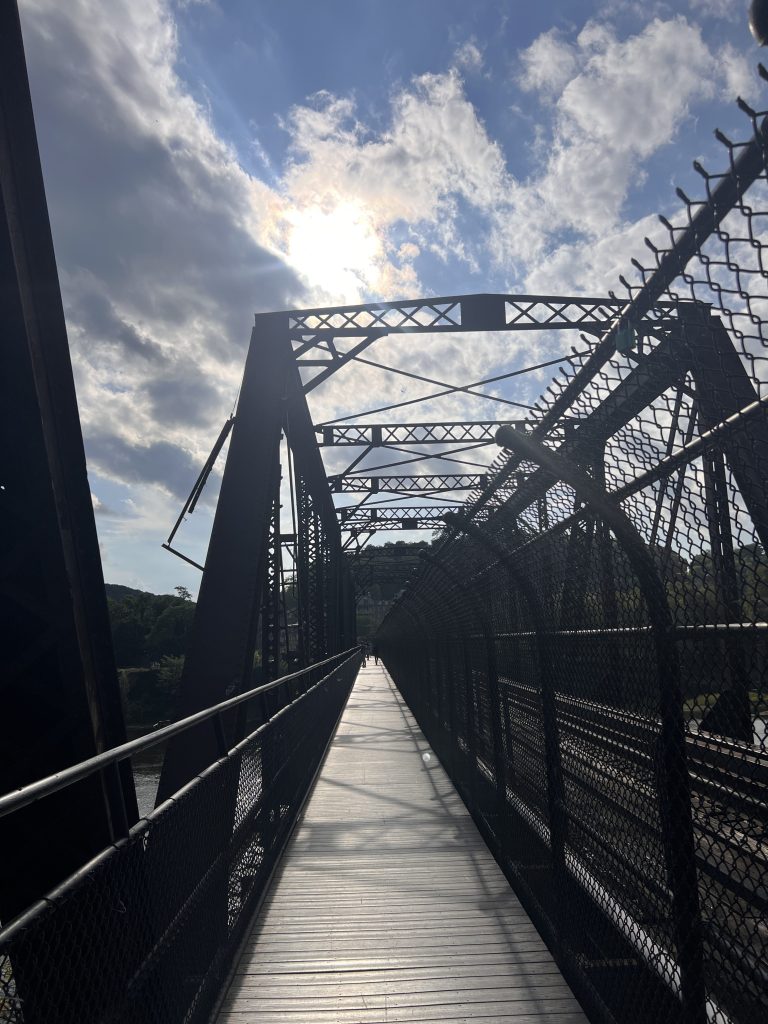
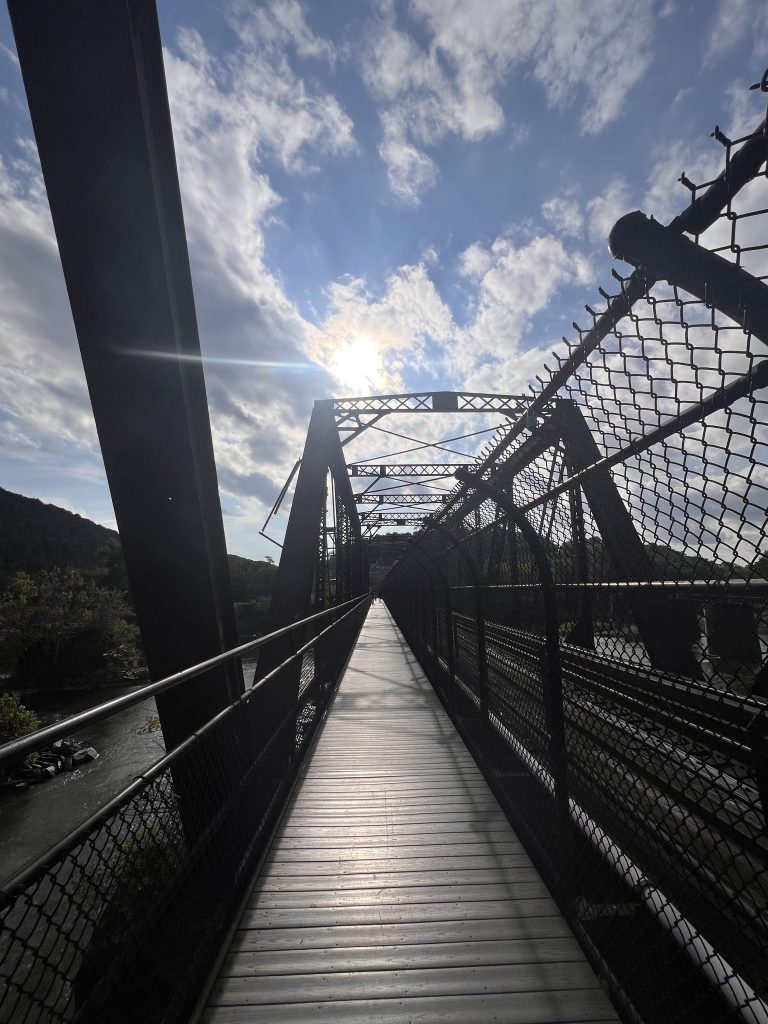
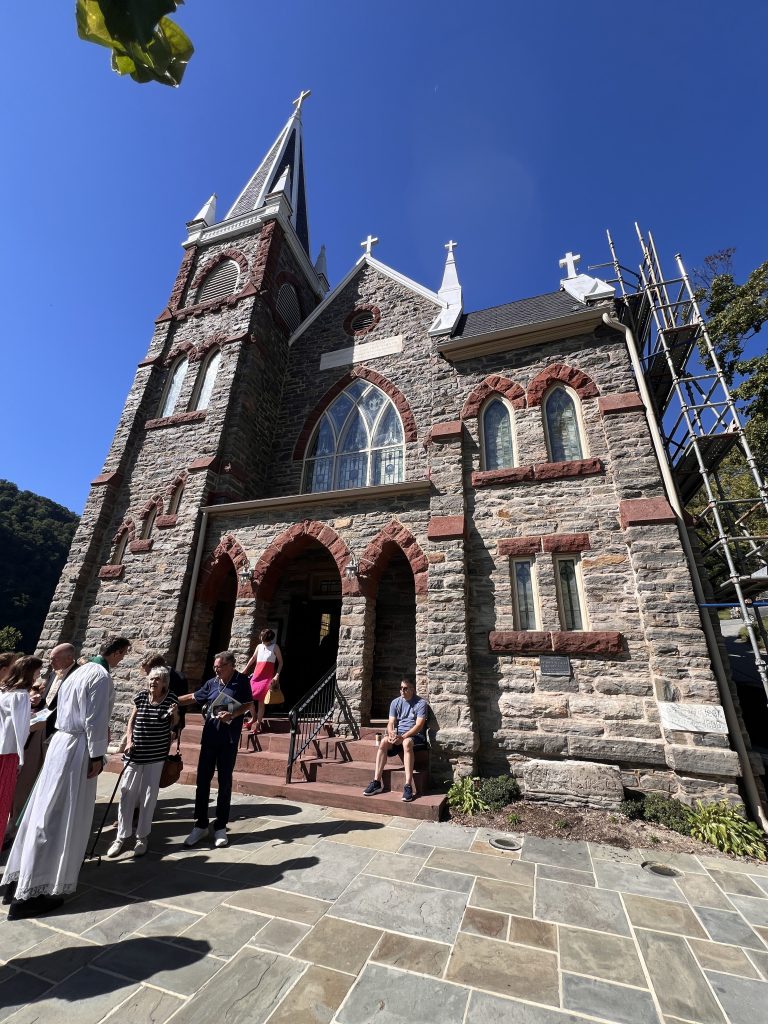
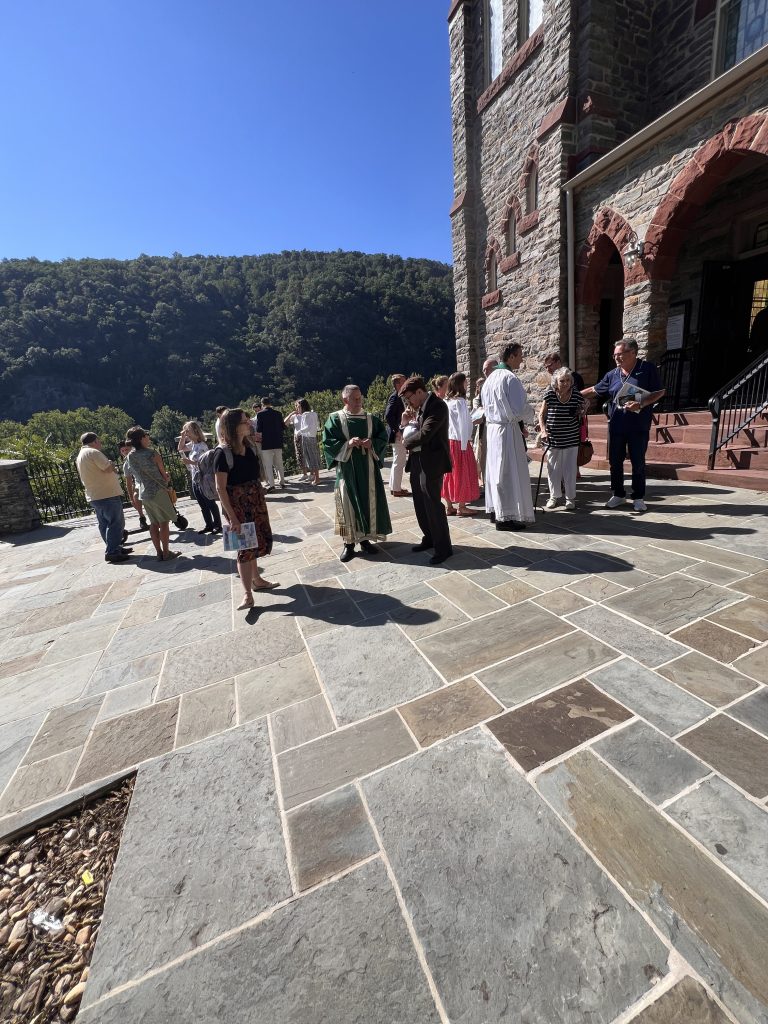
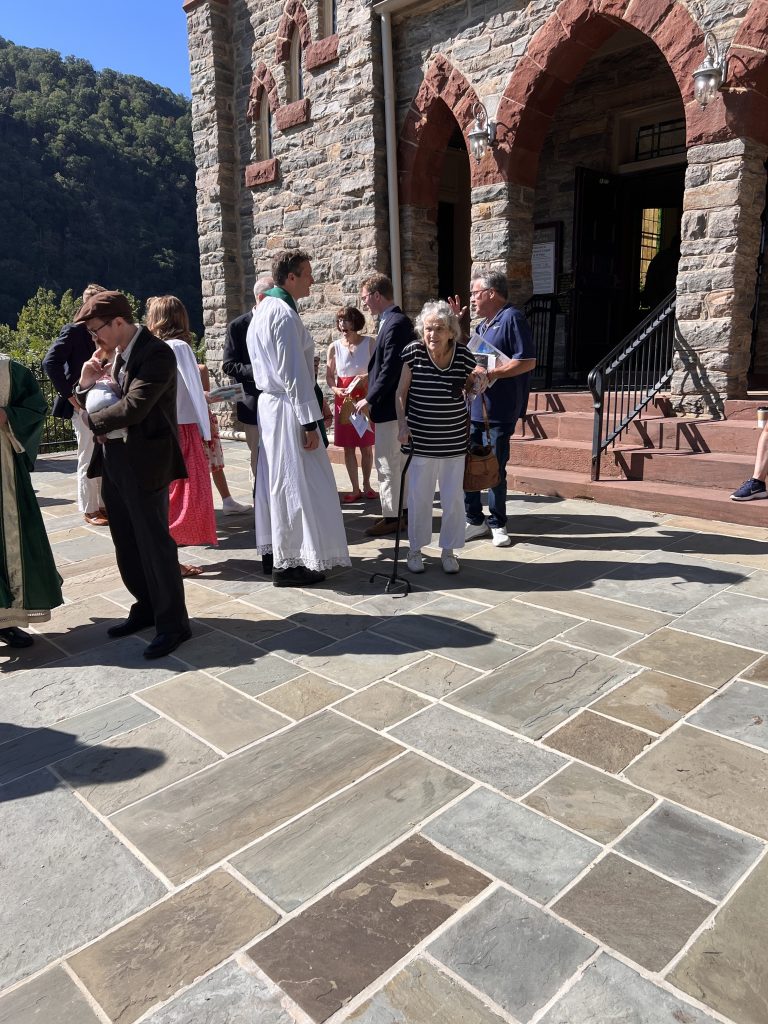
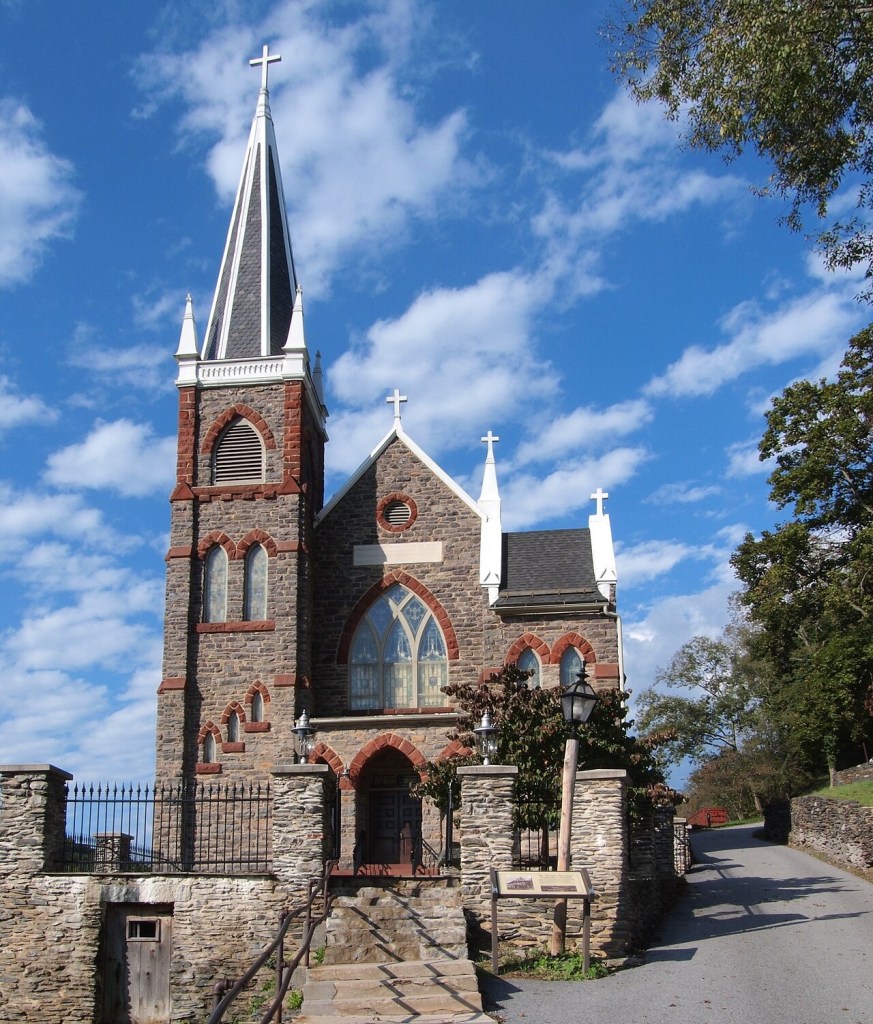
Harpers Ferry is full of history, good food, and excellent coffee. Our favorite coffee shop is Epigram — go there! We attended church at St. Peter’s, visited Jefferson Rock, the Appalachian Trail, and John Brown’s Fort, walked a portion of the footbridge, and went tubing with River Trail Outfitters. There is so much history here — Storer College alone is full of wonderful stories, from the buildings to the trails. Do your research and make your list.
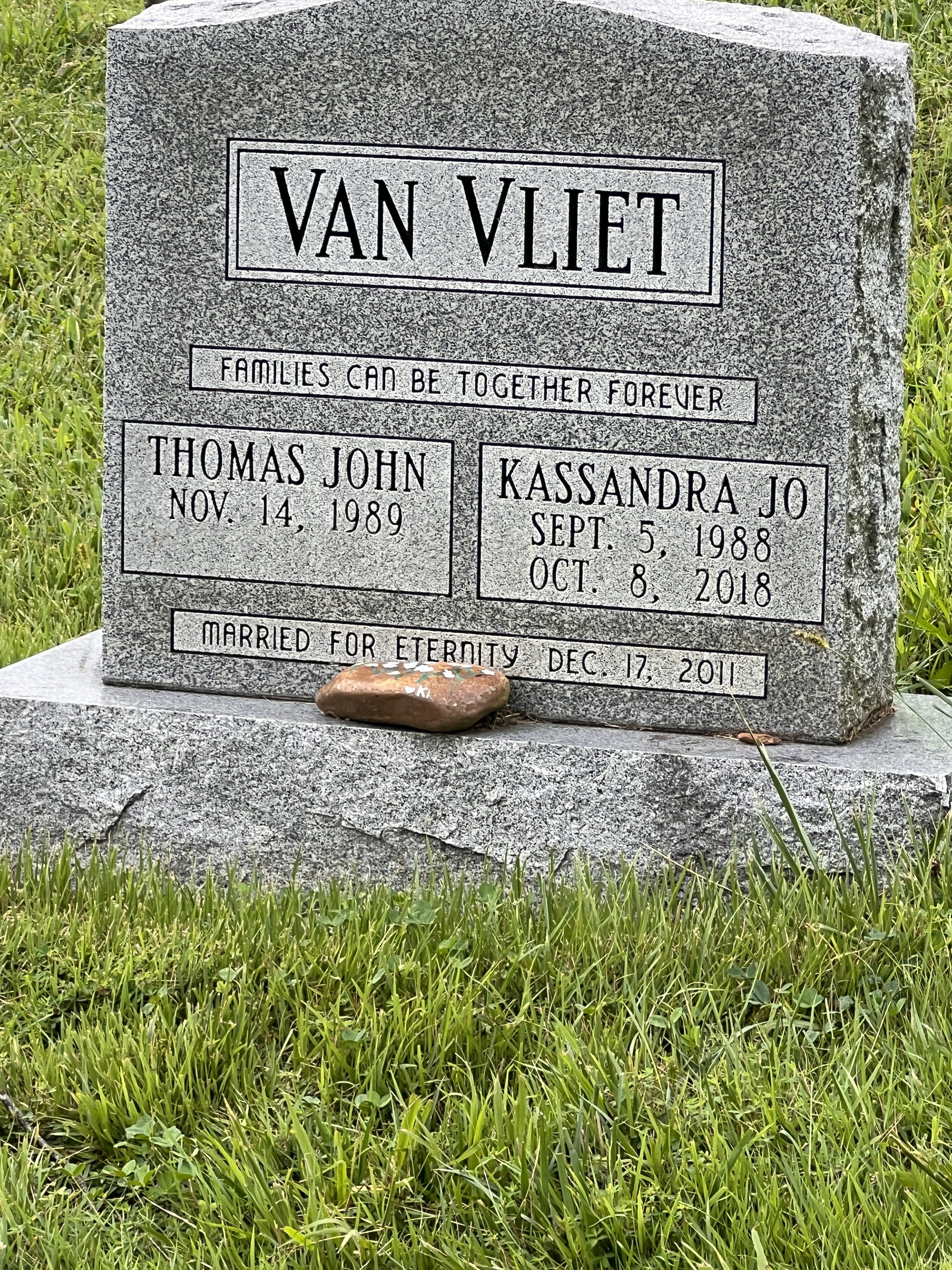
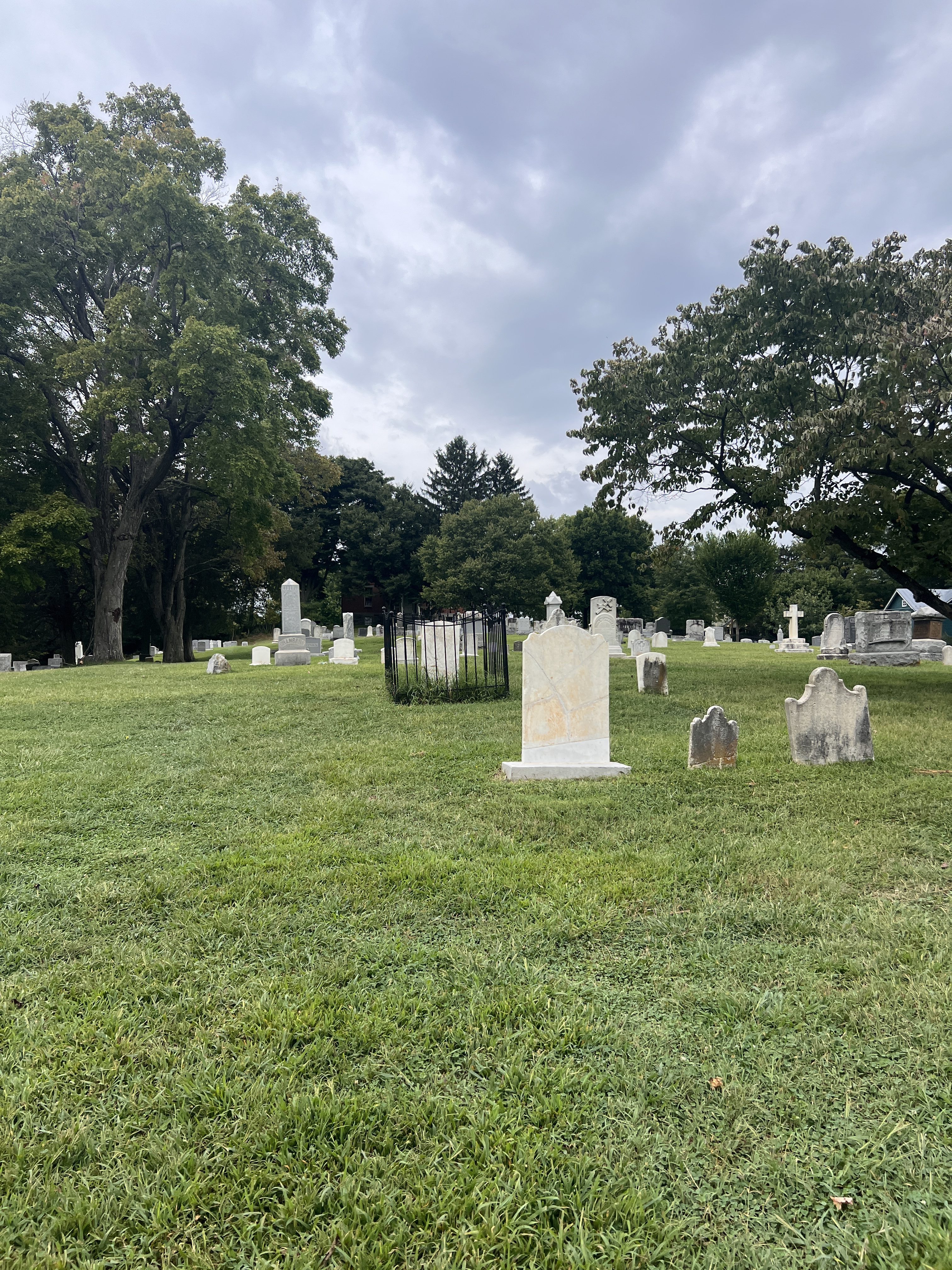
Harper Cemetary
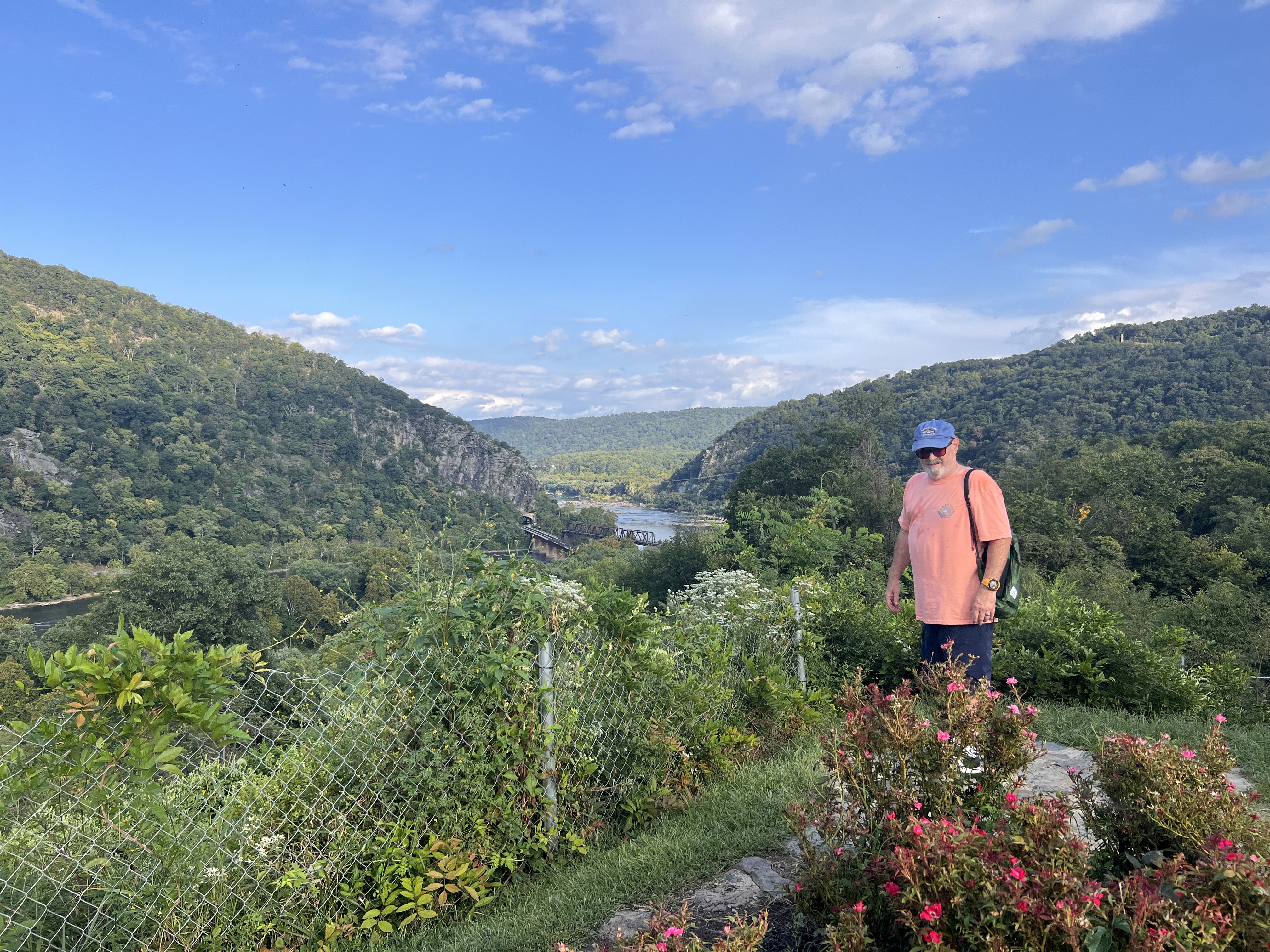
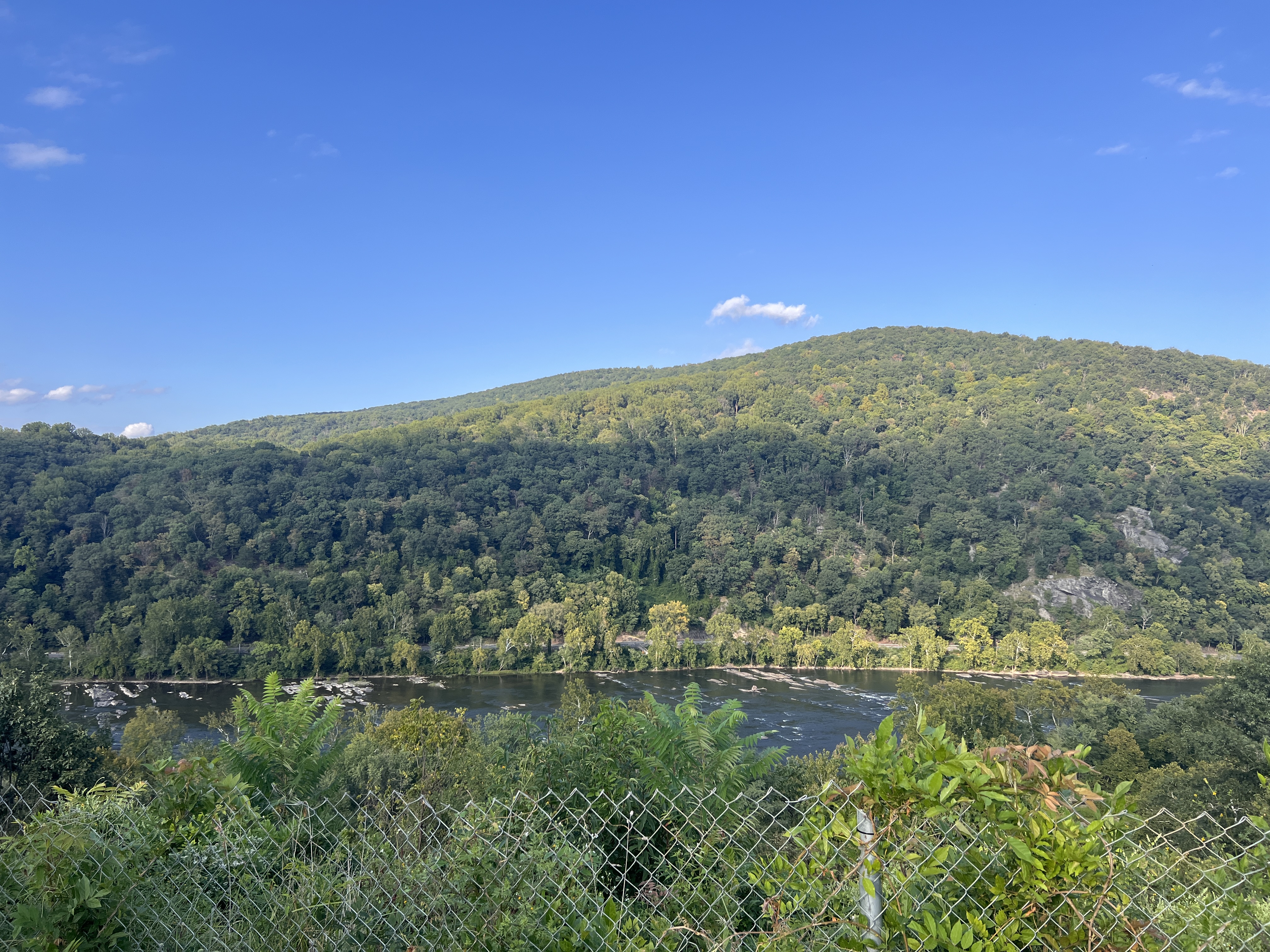
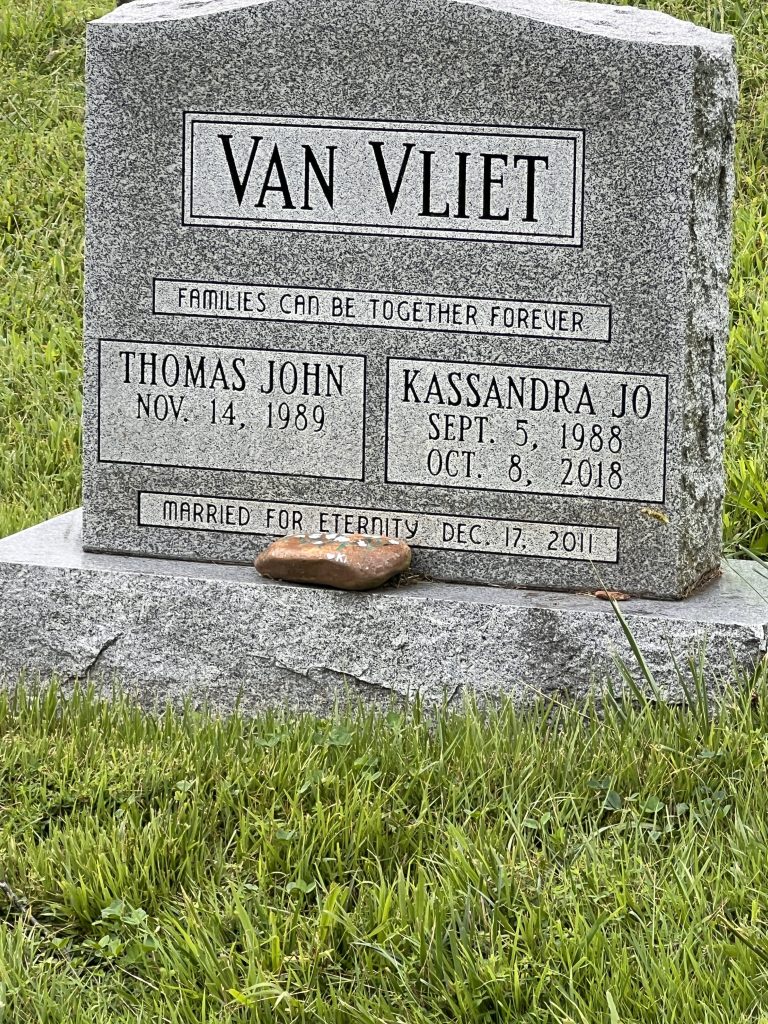
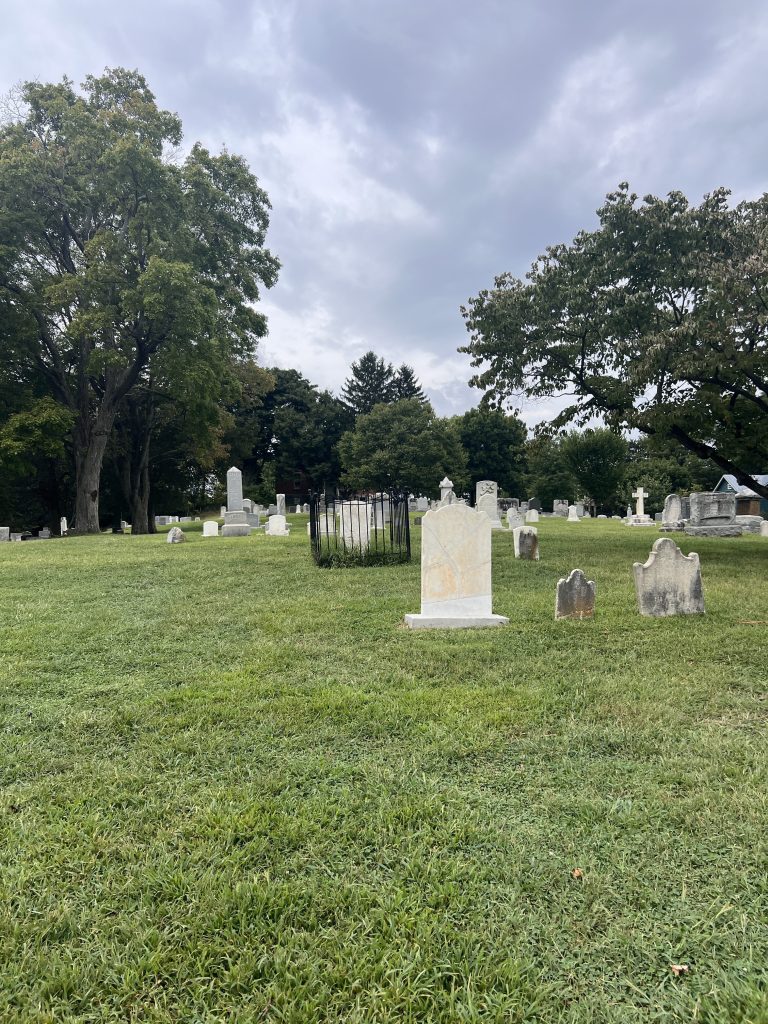
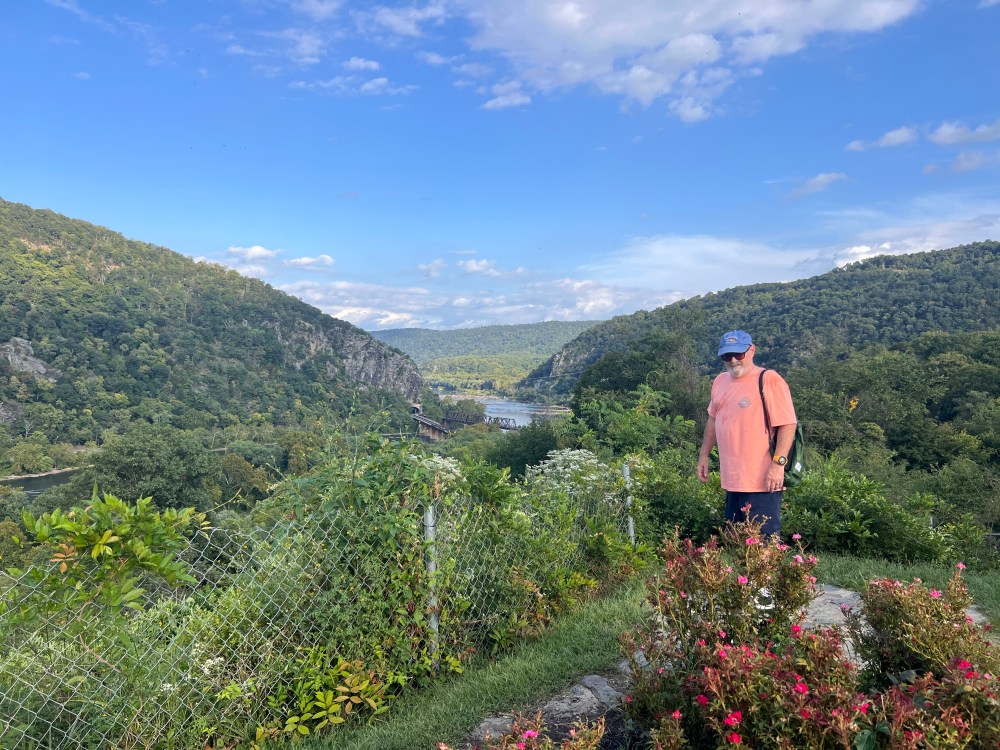
Harper Cemetery sits atop the hill overlooking Harpers Ferry, near the Appalachian Trail. Robert Harper, the town’s founder, set aside the four-acre site in 1782, and he and his family are buried there among other founders and prominent local figures. Thomas Jefferson once called the view from that hillside one of the most stunning in nature. The cemetery has an older, pre–Civil War section and a newer post–Civil War section near the historic Lockwood House, and it’s still an active, well-tended burial ground today — open to the public daily, free of charge, and listed as a contributing site in the Harpers Ferry Historic District.
The Overlook and The Lovetts
Thomas and Lavinia Lovett, a Black couple with deep ties to Storer College, built Hill Top House on the Harpers Ferry bluff in 1890 and ran it successfully for 35 years despite the Jim Crow era, hosting guests such as Mark Twain, W.E.B. Du Bois, Pearl Buck, and even the civil-rights forerunner Niagara Movement. They sold it in 1926, and the hotel carried on under other owners until it closed in 2007 and was eventually demolished in 2022. The current owners, Fred and Karen Schaufeld, have spent years planning a roughly $150 million rebuild on the same site — explicitly inspired by the Lovett legacy — but the project has been repeatedly delayed by rising costs and redesigns, and as of mid-2025, it still hadn’t broken ground, though the overlook was briefly reopened to the public as a sign of progress.
The Trip Home
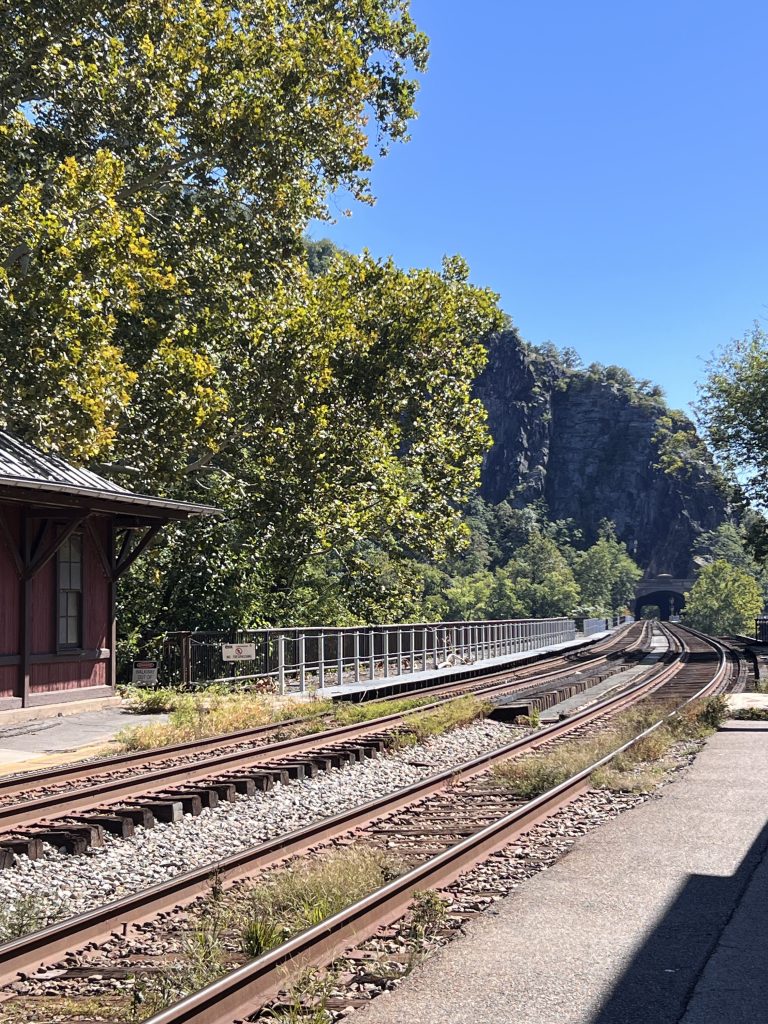
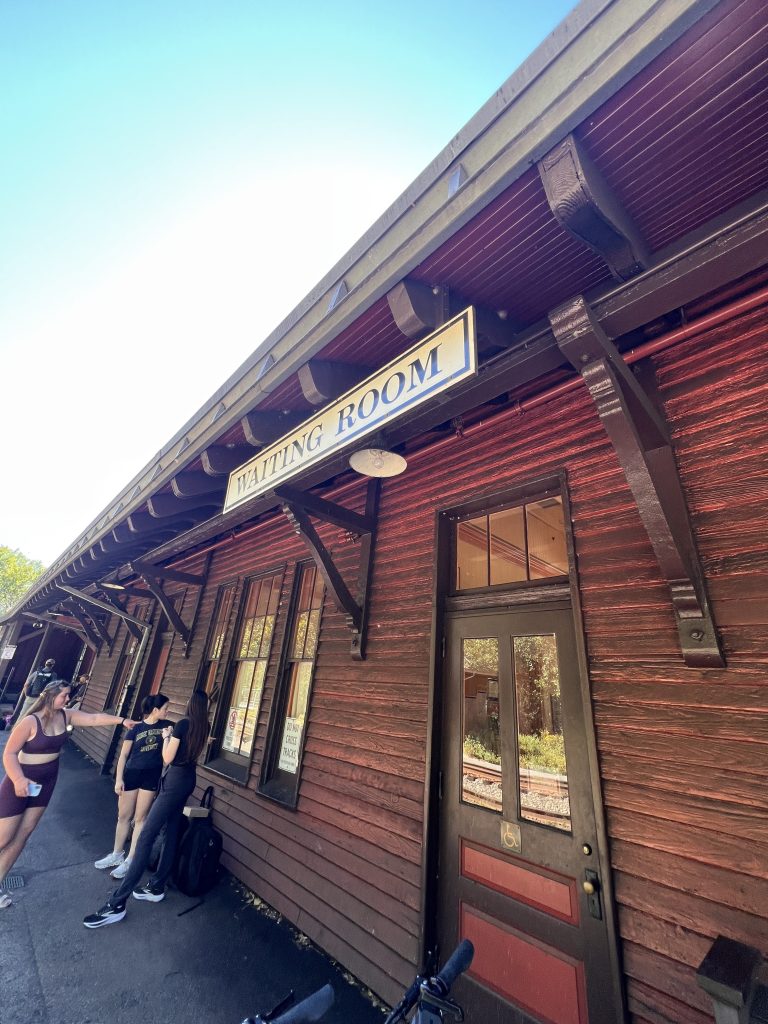
We left from the Amtrak station in Harpers Ferry, nervous about the bike logistics. Remember to take your battery out — we had our tools ready but didn’t need them. The staff grabbed our bikes, put them in storage for us, and we walked in with just our bags and settled in. A totally different experience from Richmond.
Final Thoughts
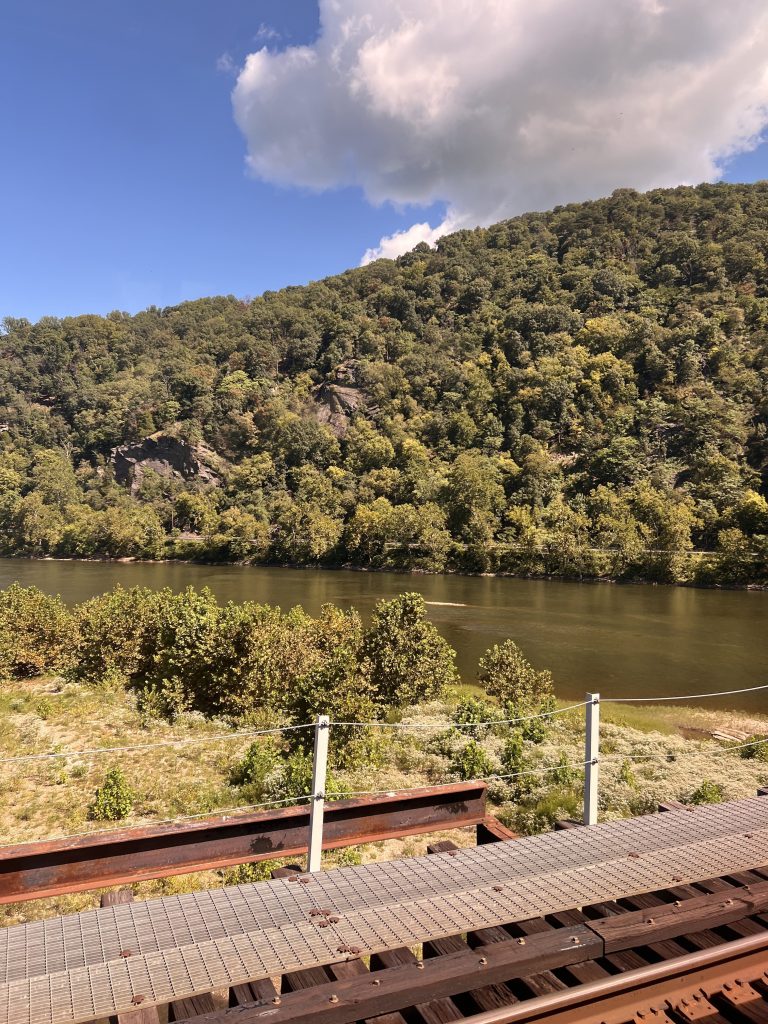
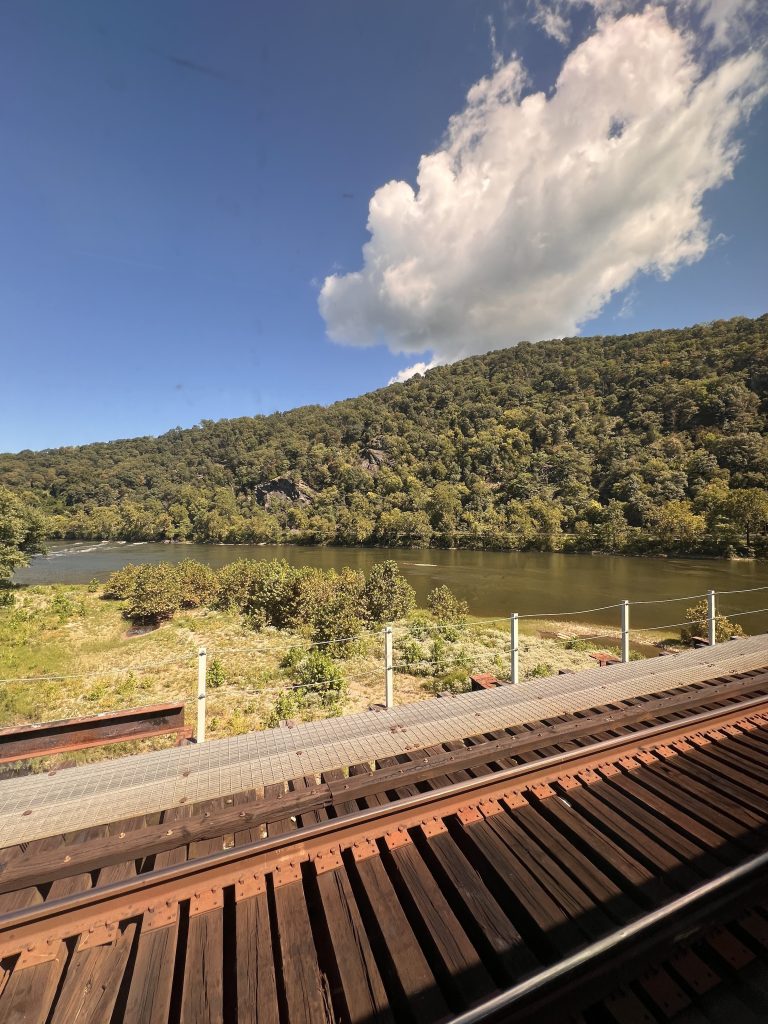
I can still close my eyes and feel the wind on my face, the sun, the incredible nature — wildflowers, birds, animals, water, falls, trees, the fellow riders we met and swapped stories with, and so many small moments from nature. Oh, the butterflies — so many on the trail! There’s nothing like getting into the zone: wheels on the trail, nature all around, and nobody else in sight.
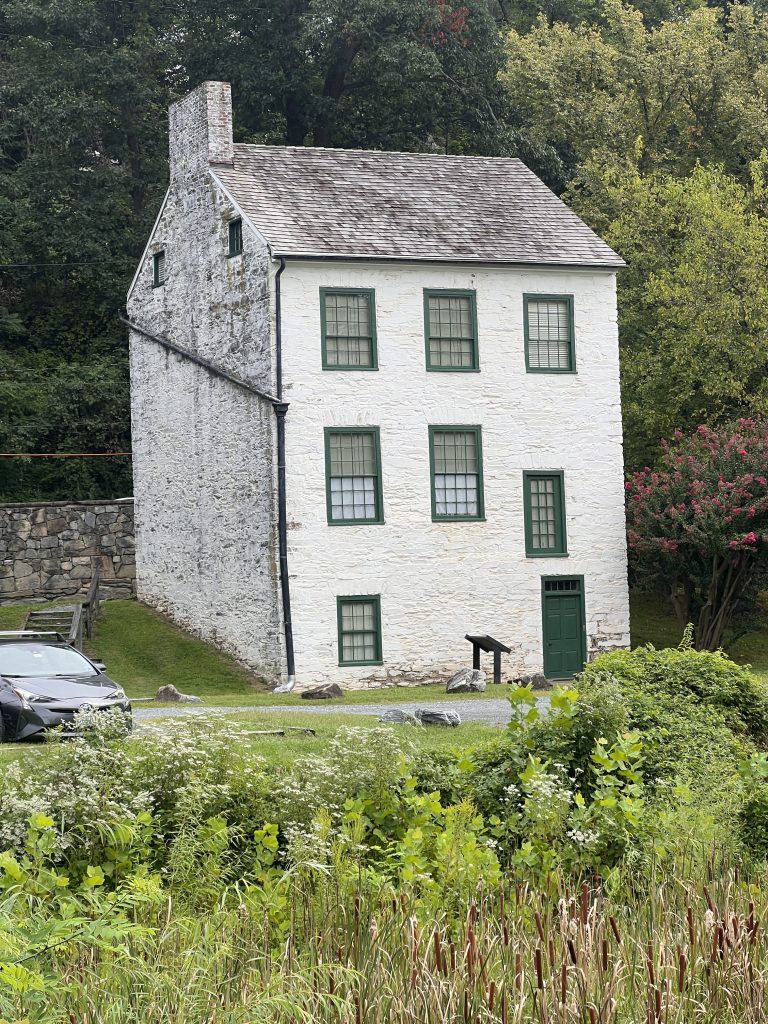
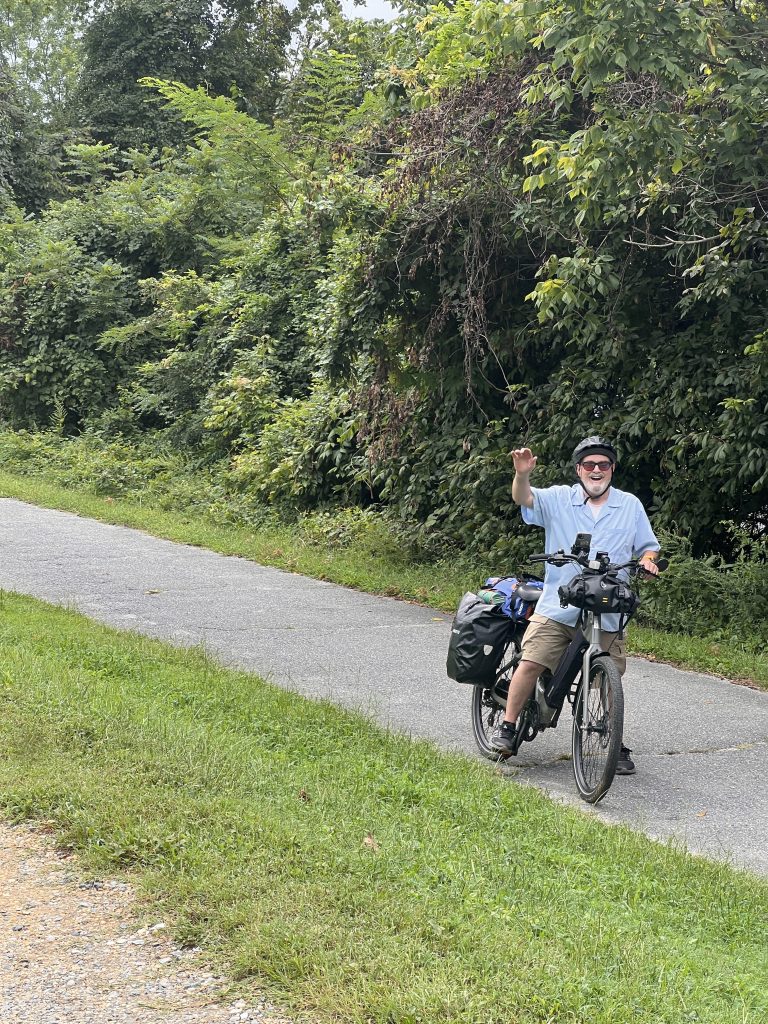
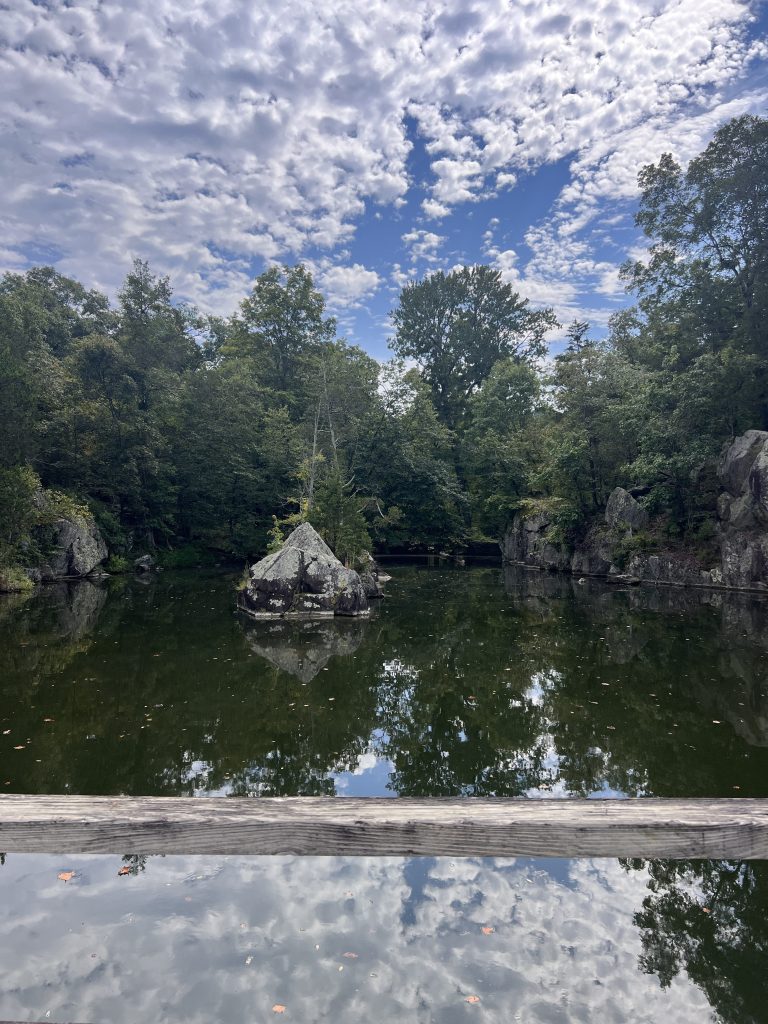
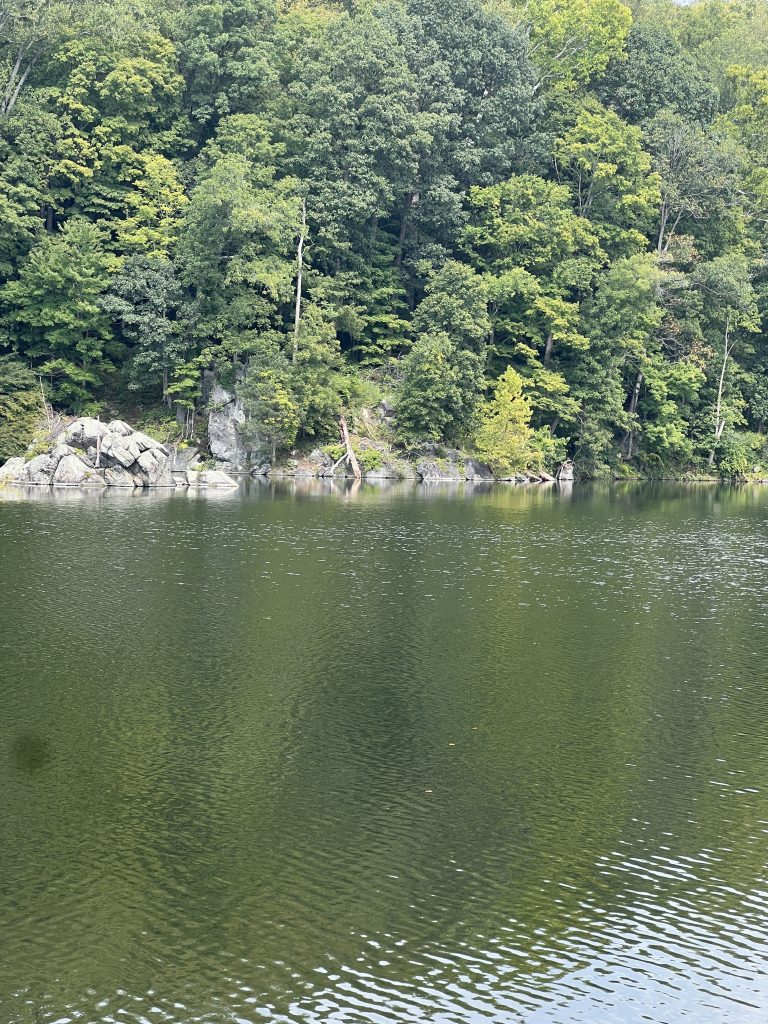
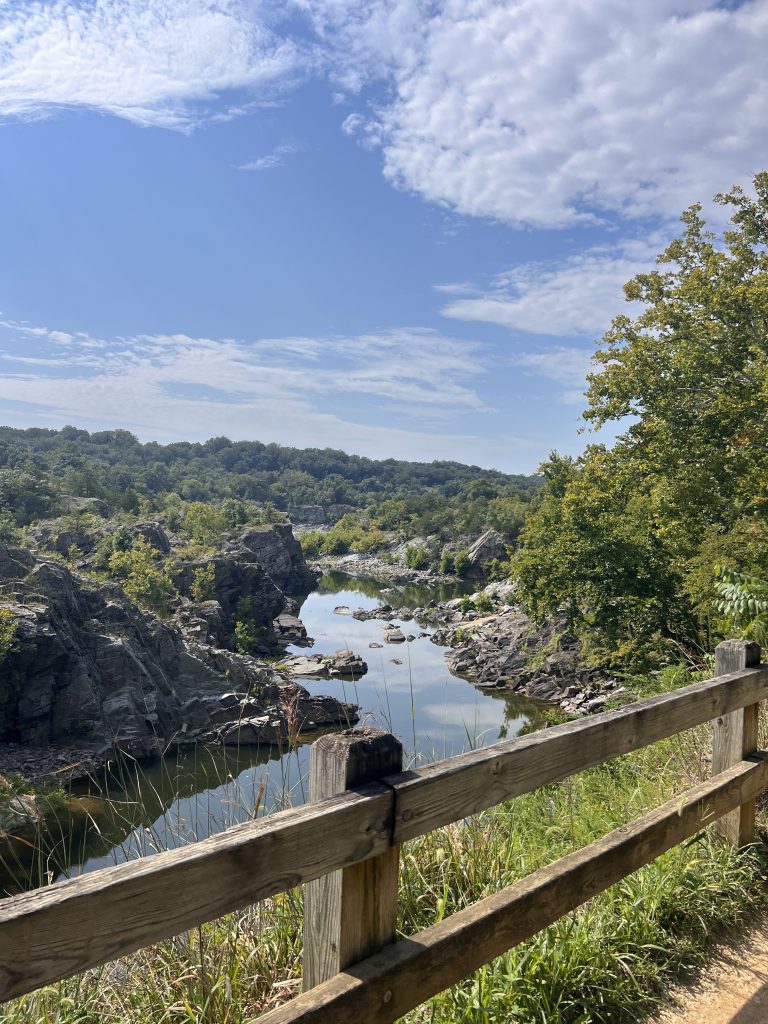
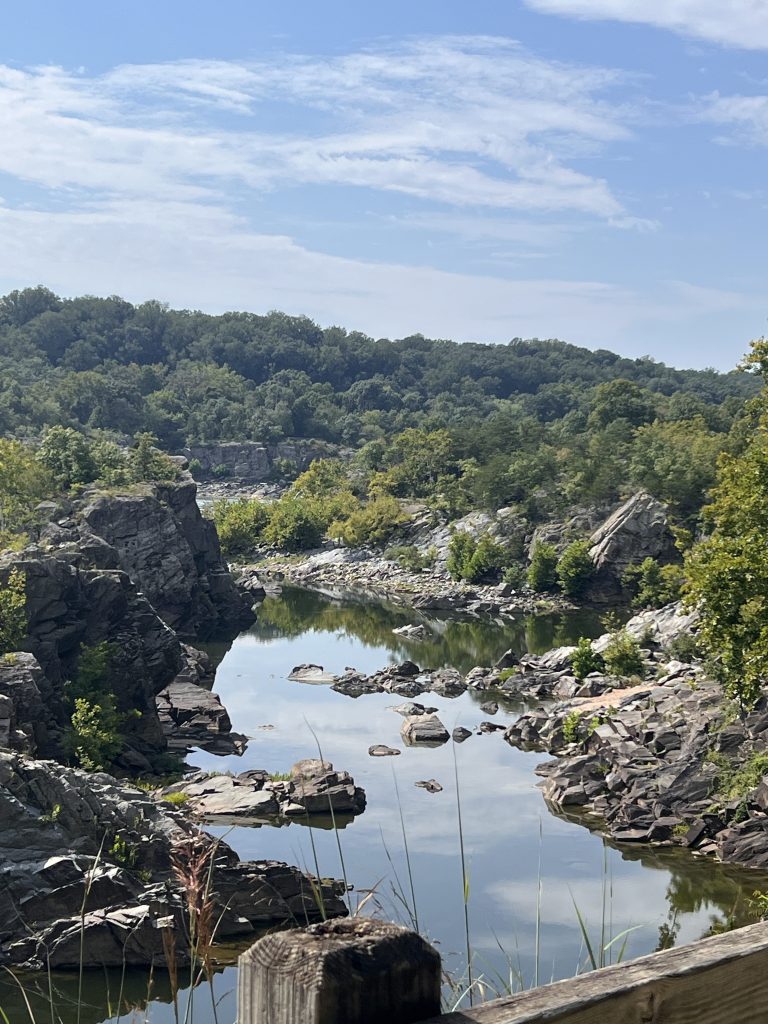
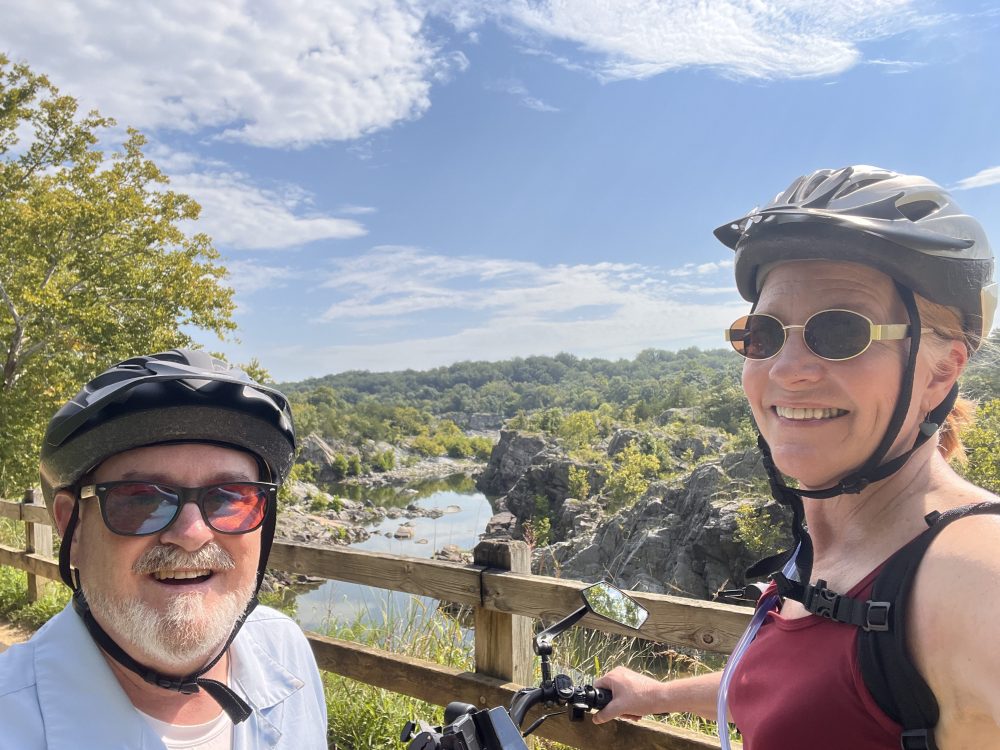
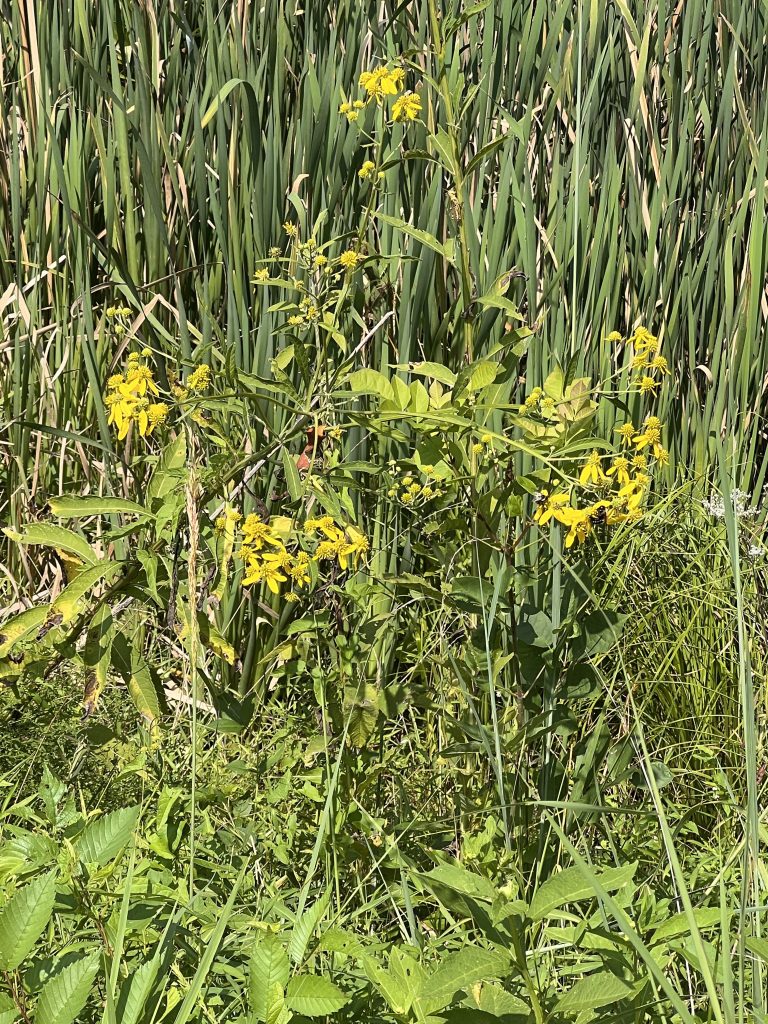
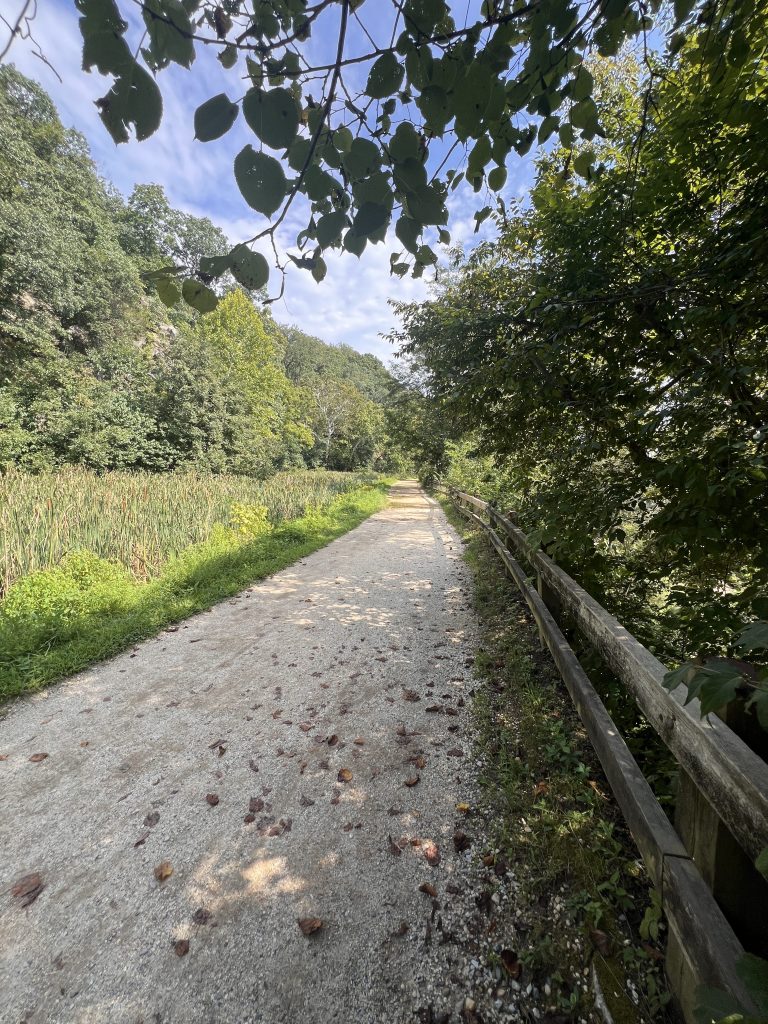
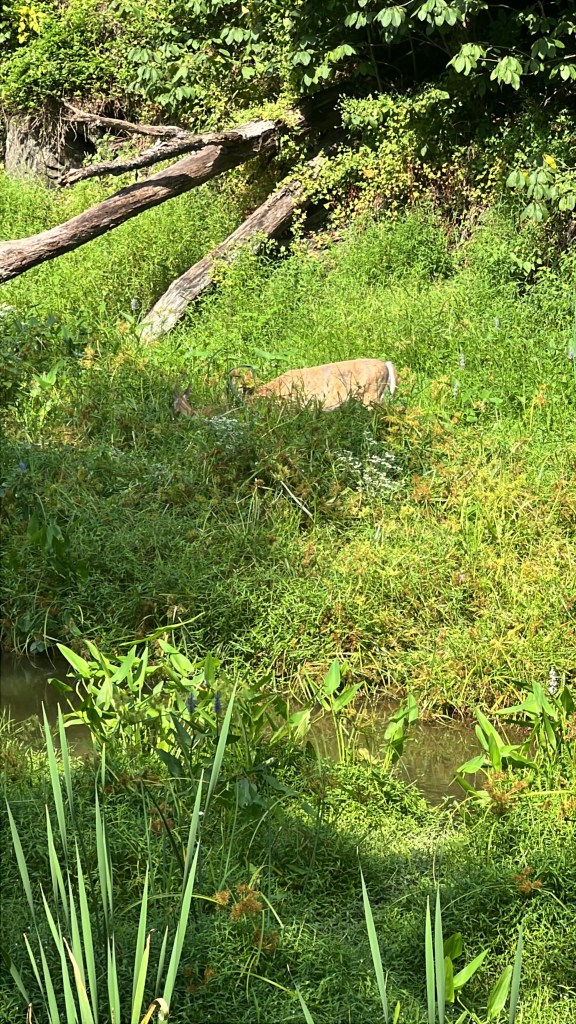
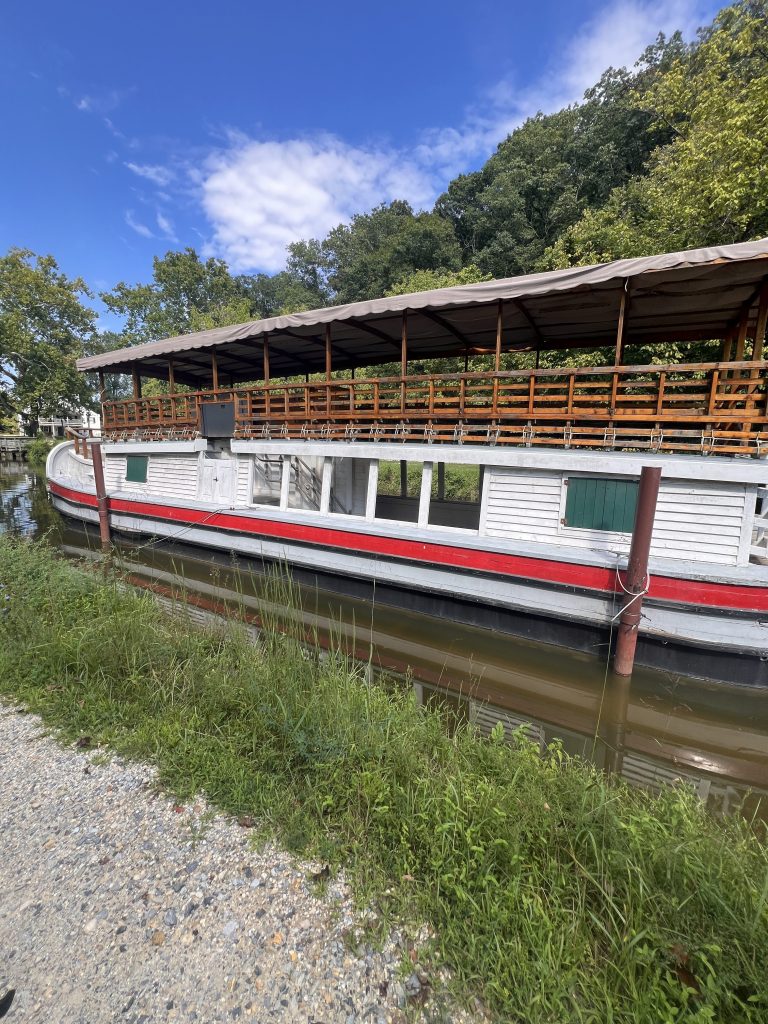
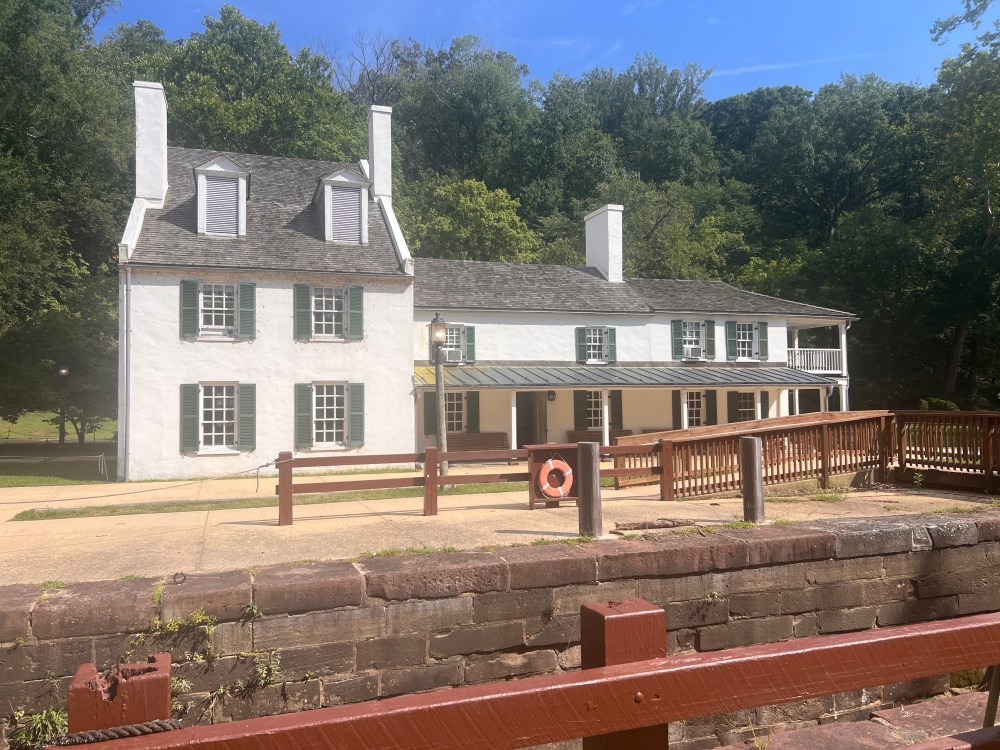
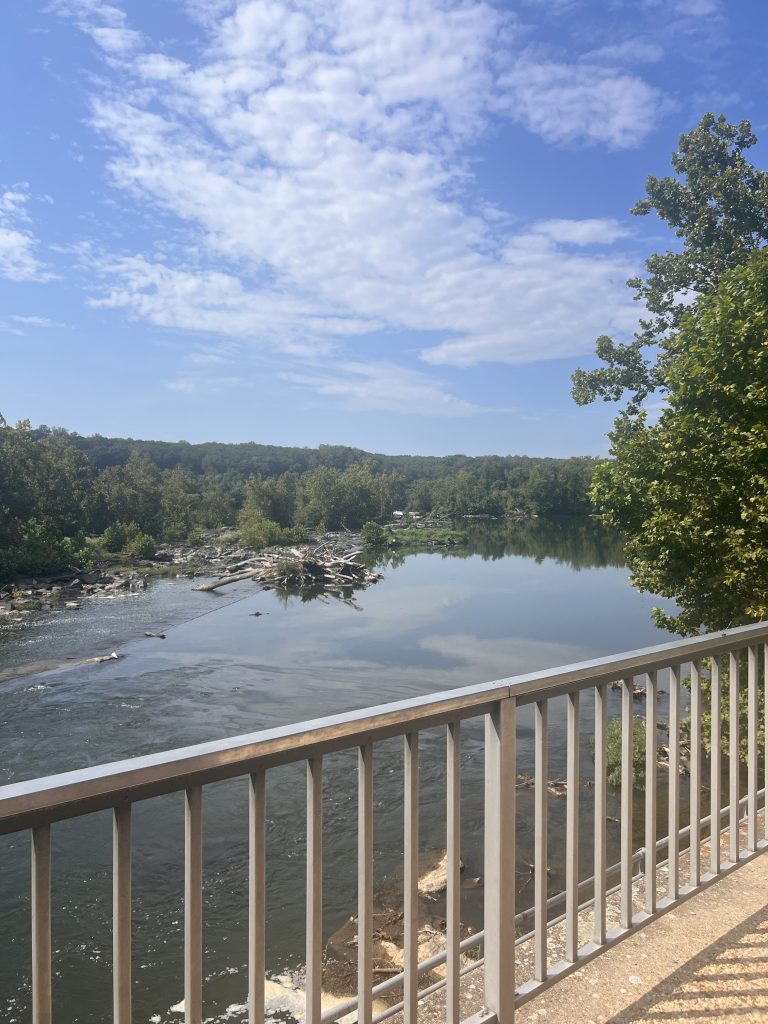
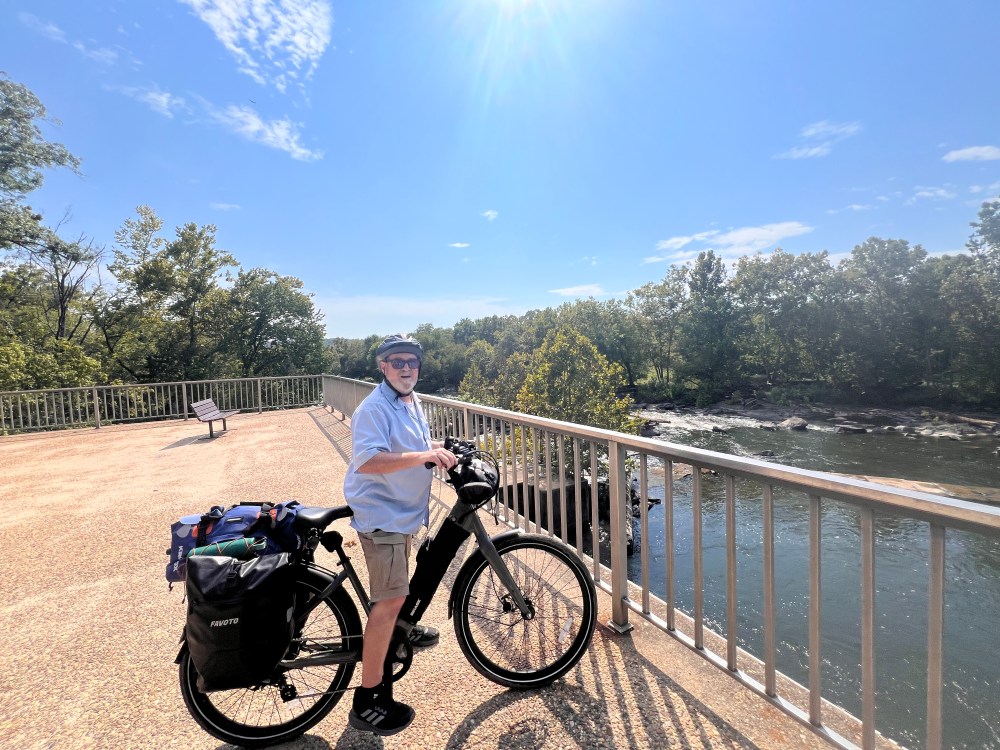
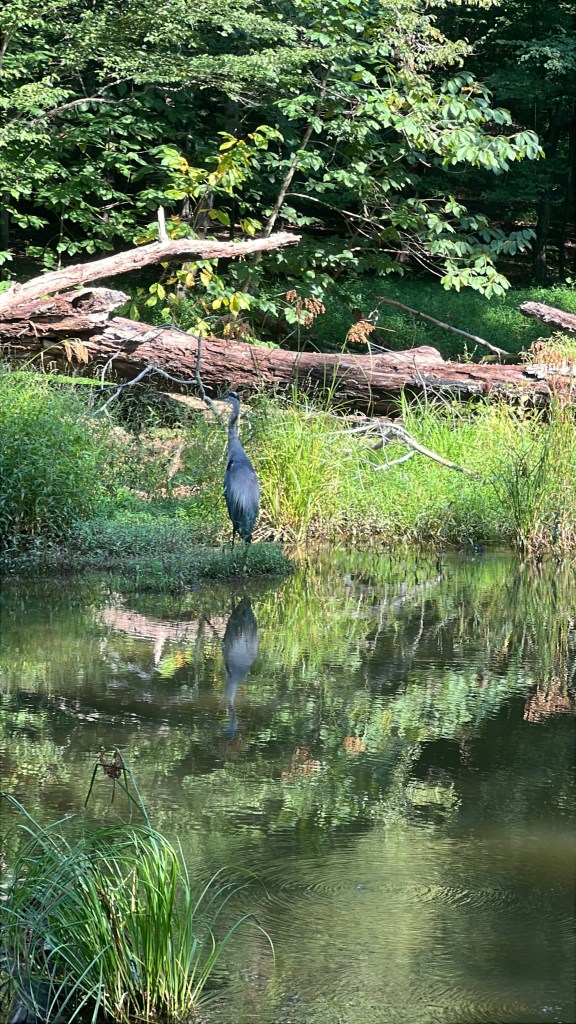
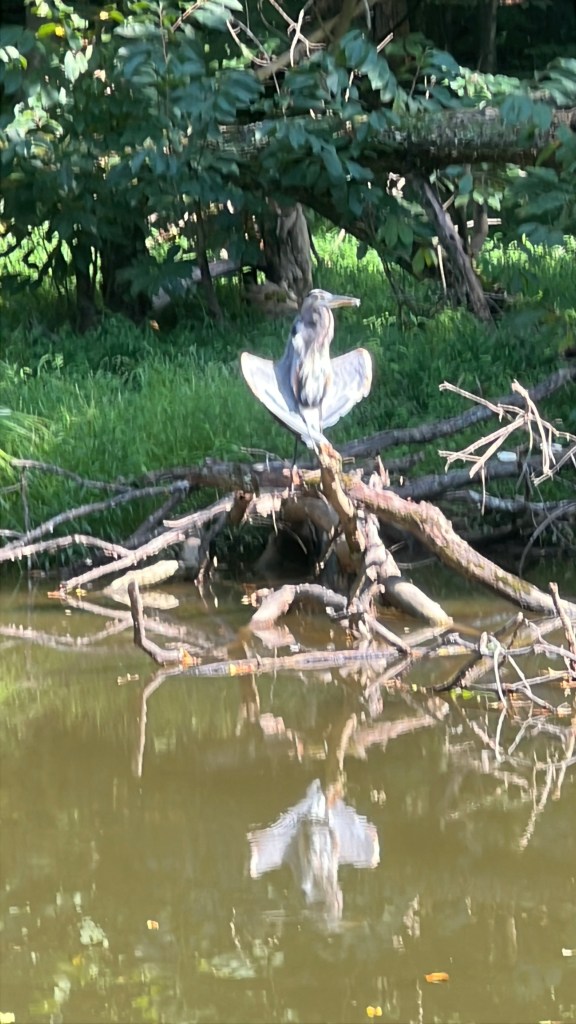
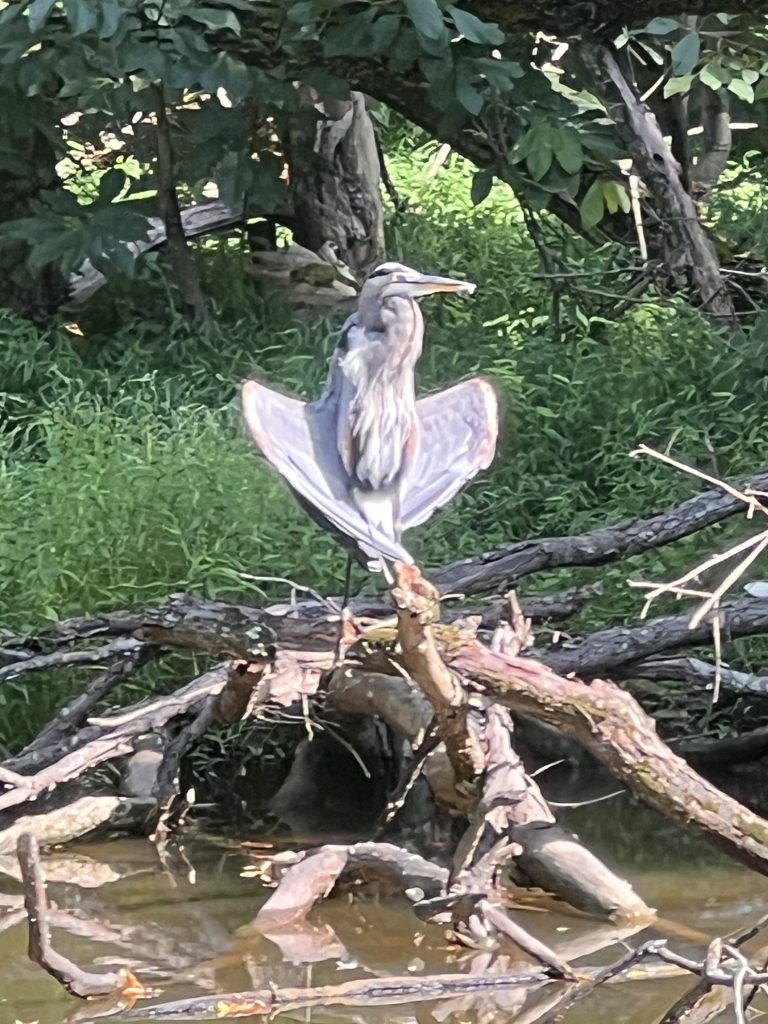
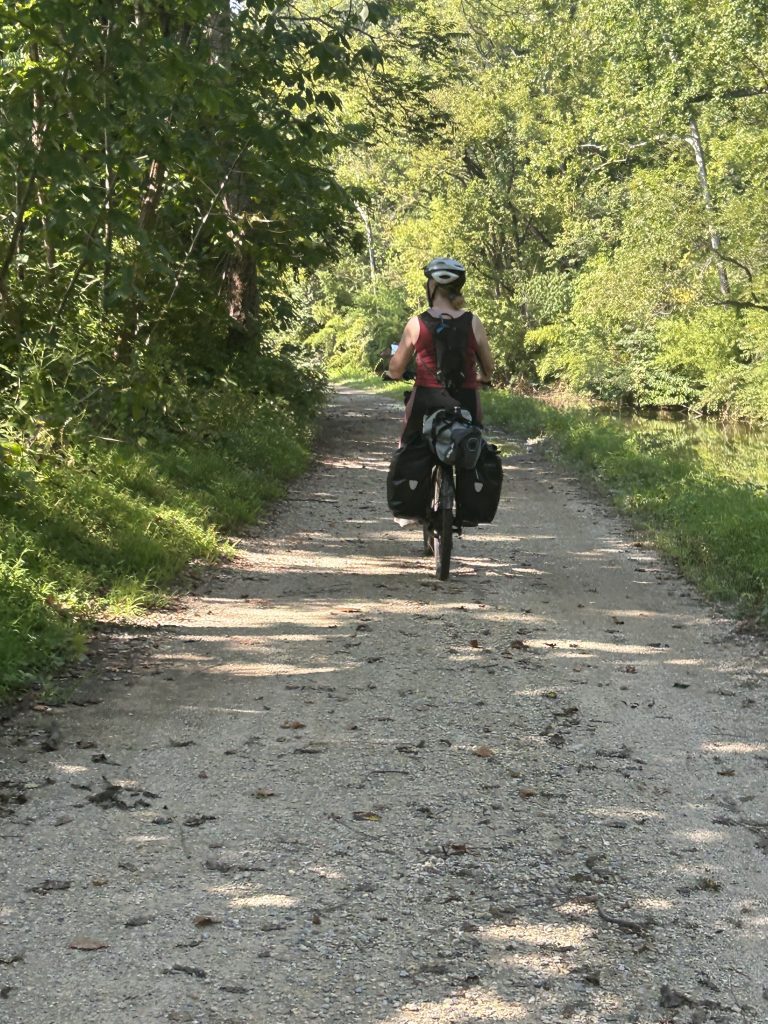
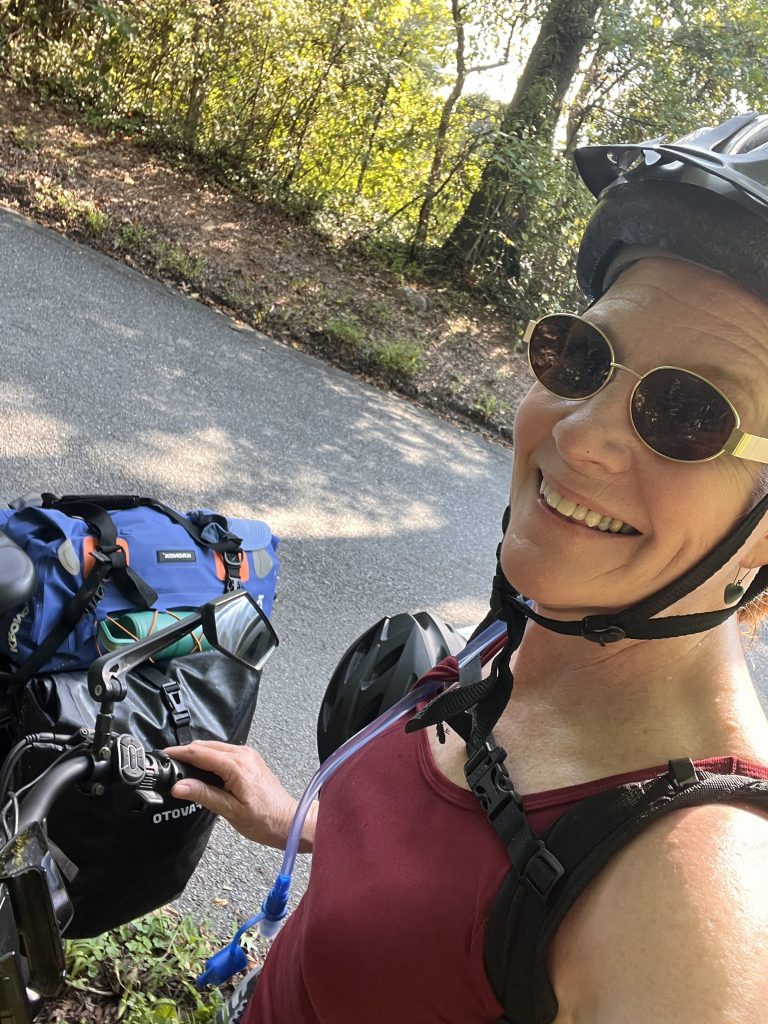
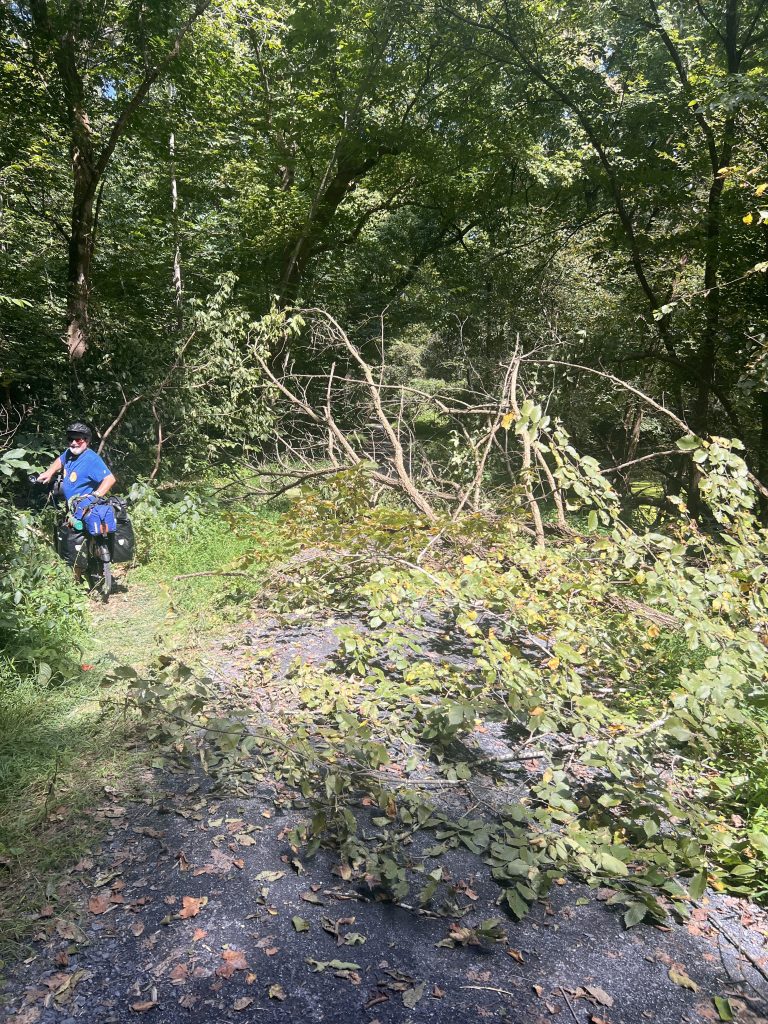
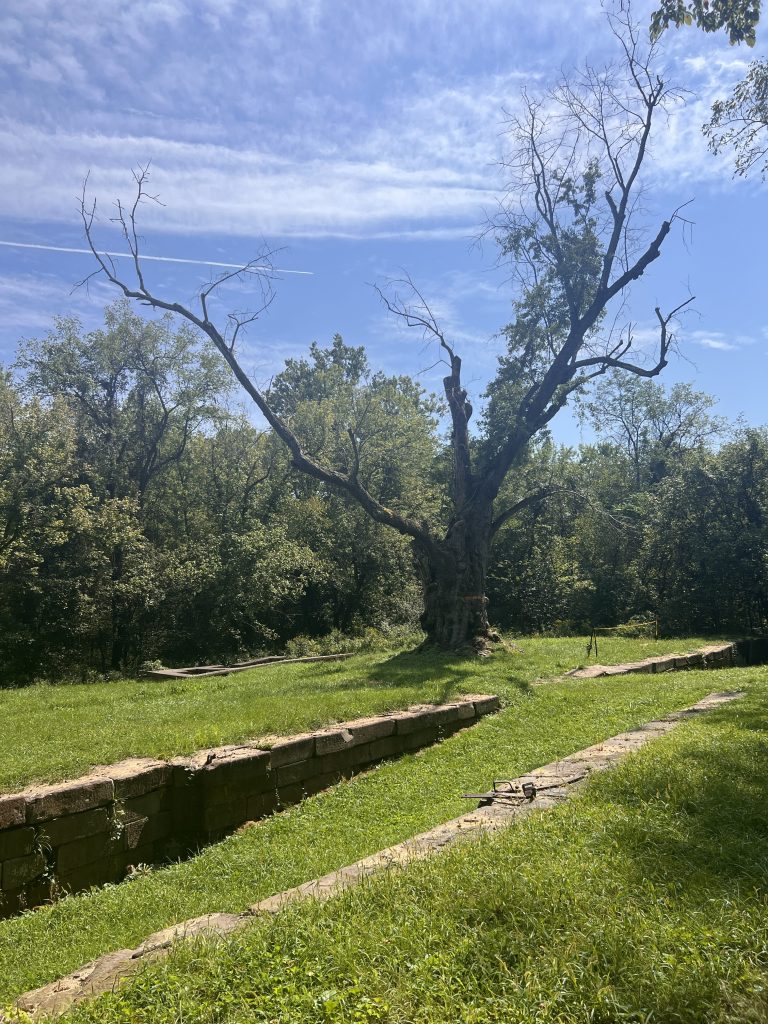
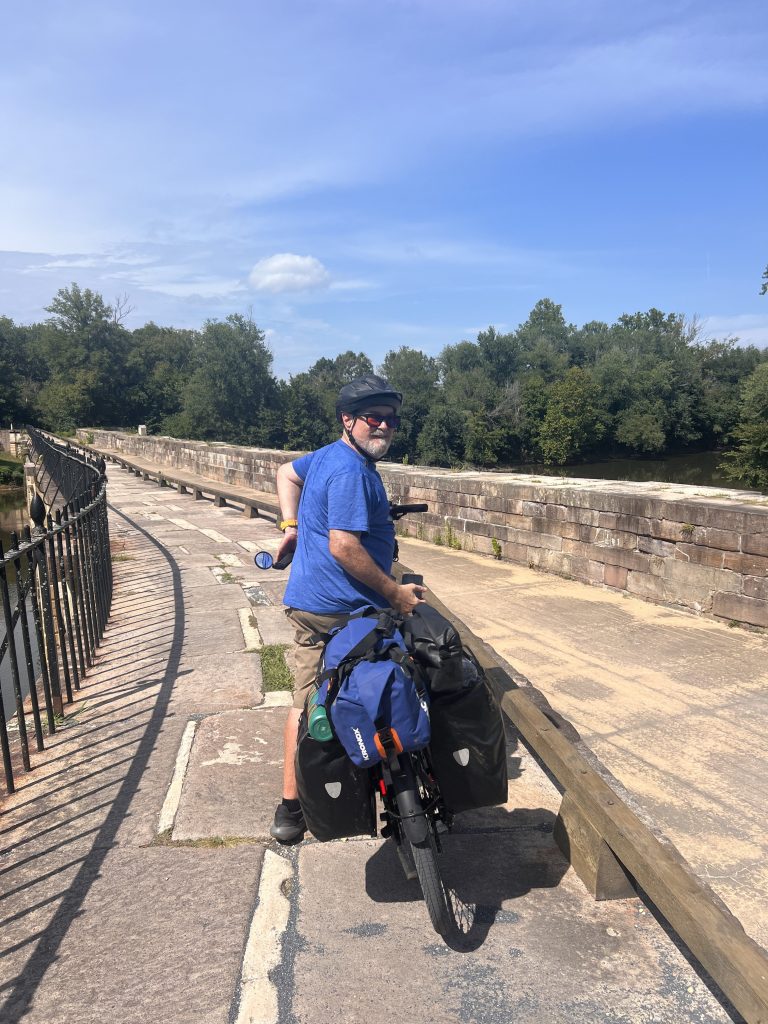
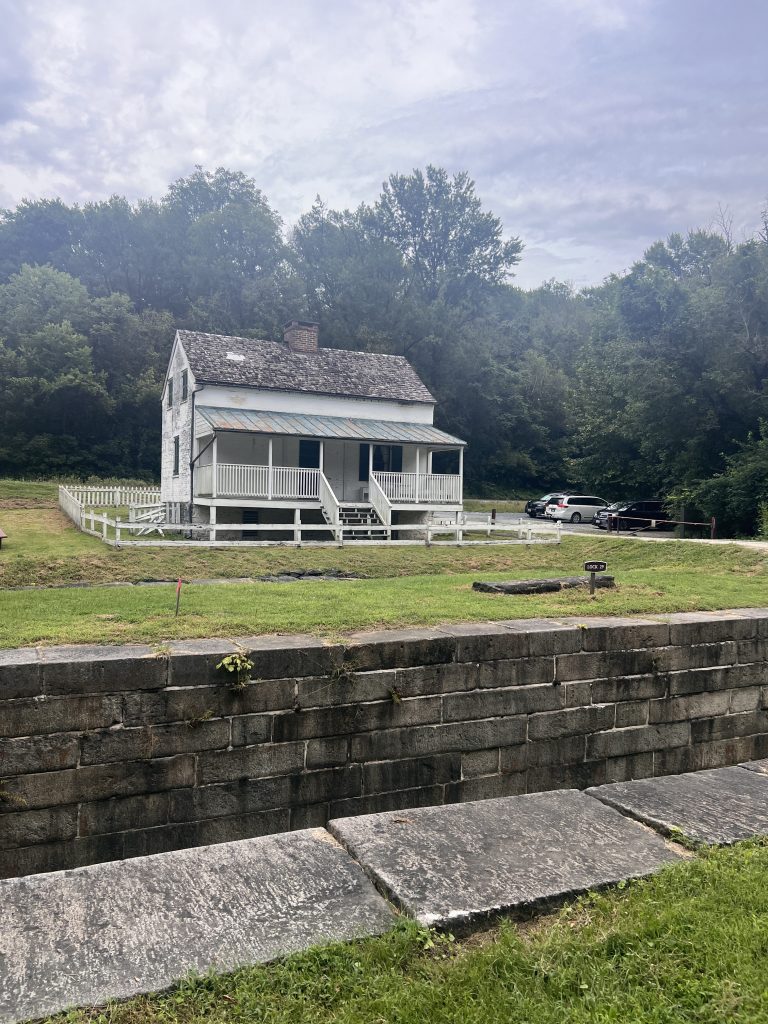
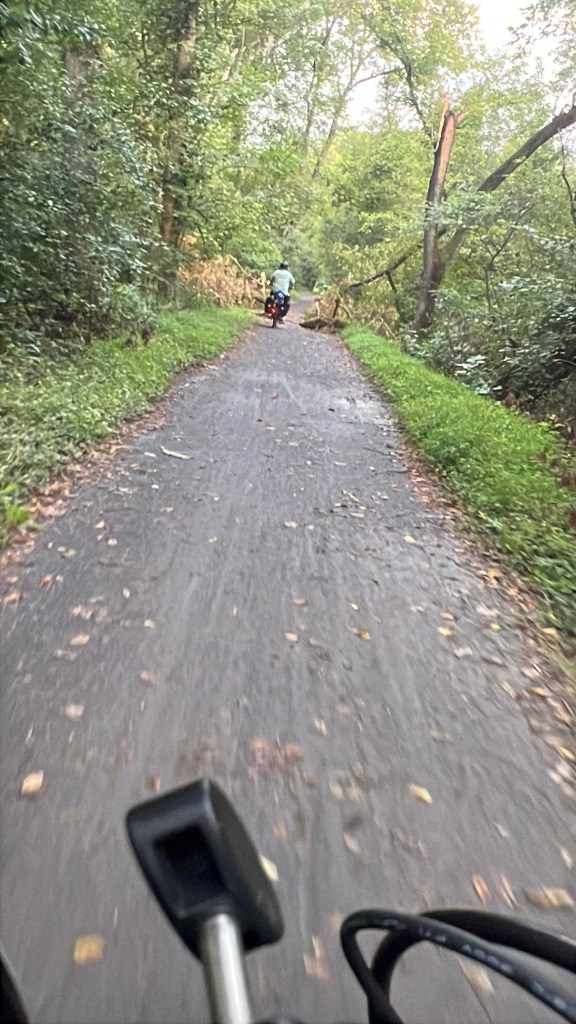
All of our random video clips! I love the clip with the deer with her fawn (about 42 seconds in). At 5:18, you see us navigating around a downed tree. At one of the trees, we had to pick up our bikes, and our friend from White’s Ferry happened upon us and helped! We also met someone who carries an ax, helping keep the trail obstacle-free! He was jolly and proud of his job!
 ARRESTED BY GRACE